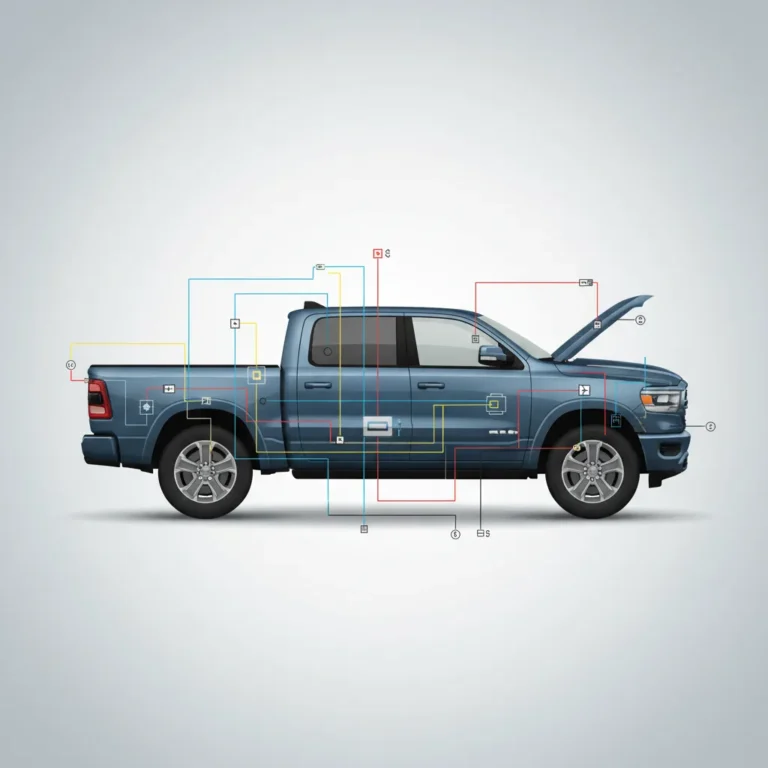
6.7 Cummins Engine Diagram: A Detailed Guide to Ram Diesel Components and Layout

The 6.7L Cummins Turbo Diesel is the powerhouse that transformed the heavy-duty Ram truck into a legendary towing machine, known for its industrial-grade reliability and massive torque output. Since its introduction, this engine has set the benchmark for what a medium-duty power plant can achieve in a consumer pickup. However, with its sophisticated common-rail injection, variable geometry turbocharging, and complex emissions hardware, understanding the 6.7 Cummins engine diagram can be a daunting task for owners and DIY mechanics alike. Identifying where the high-pressure fuel lines meet the rail or how the EGR cooler integrates into the cooling stack requires more than just a passing glance under the hood. This
Understanding the 6.7 Cummins Engine Diagram and Core Architecture
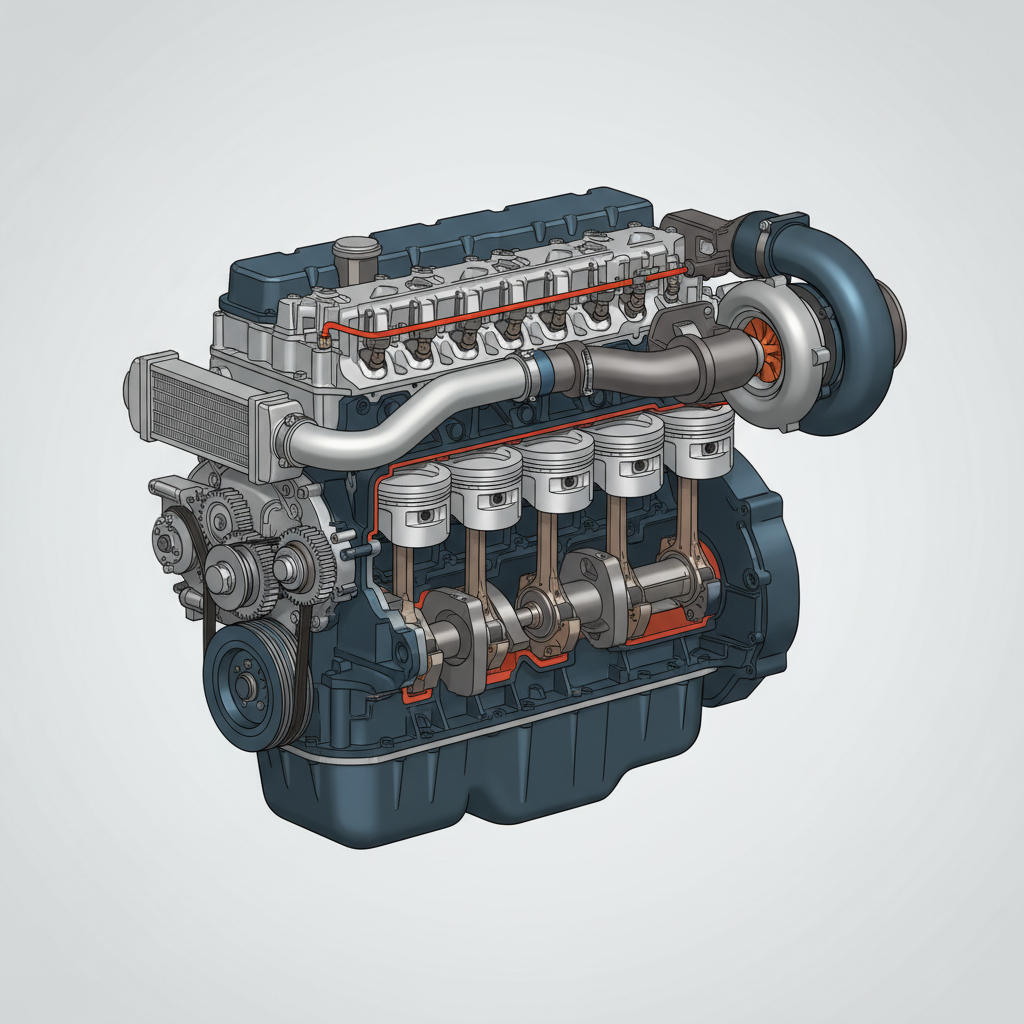
Key Mechanical Components: From Cylinder Head to Crankshaft
The High-Pressure Common-Rail (HPCR) Fuel System

Air Induction and Emissions Control System Schematics
Emissions Flow: EGR, DPF, and SCR
Performance Specifications and Power Output Variations
The 6.7L Cummins has seen a dramatic evolution in power since its debut. Depending on the model year and truck configuration (2500 vs. 3500 Chassis Cab vs. 3500 High Output), the specifications can vary significantly. Understanding these variations is essential for owners looking to understand their vehicle’s towing specifications and overall capability.
By The Numbers: 6.7L Evolution
Horsepower Range
Torque (lb-ft)
Peak Torque RPM
Fuel Rail PSI
There is a significant distinction between the Standard Output (SO) and High Output (HO) variants. The HO version, typically found in 3500-series trucks, is paired exclusively with the Aisin AS69RC heavy-duty transmission. This combination is designed to handle the 1,075 lb-ft of torque produced by the 2021+ models. The engine control module (ECM) is programmed differently for these versions, managing higher fuel rail pressures and more aggressive turbo mapping to achieve these professional-grade figures.
Diagnostic Guide for Common 6.7 Cummins Problems
Even the most reliable engines encounter issues, especially as they age. Using the engine diagram as a diagnostic map, we can pinpoint high-failure areas. Statistical data suggests that aftertreatment (EGR/DPF) and turbocharger actuator issues account for over 60% of non-scheduled maintenance on pre-2019 models. Being able to locate these sensors and components is half the battle in diesel repair.
📋
Diagnostic Step-by-Step: Troubleshooting P0401 (EGR Flow)
Find the EGR valve assembly on the intake side of the engine. Inspect for heavy carbon “sooting” which can cause the valve to stick.
Follow the corrugated stainless steel tubes to the cooler. Check for exhaust leaks or evidence of coolant loss, which may indicate an internal cooler crack.
The Manifold Absolute Pressure (MAP) sensor is often the first to get “plugged” with soot. Removing and cleaning it with specialized cleaner can often resolve flow codes.
Another common pain point is the VGT Actuator. This electronic component controls the vanes inside the turbo. If your truck feels sluggish or enters “limp mode,” the actuator is a prime suspect. Professional diagnostics involve using a scan tool to perform a “vane sweep” to see if the actuator can move the full range of motion. Furthermore, fuel injector wear can manifest as hard starting or a rough idle. Regular fuel system cleaning and the use of high-quality fuel additives are trusted methods to extend the life of these sensitive piezoelectric injectors.
✅ Pros of the 6.7 Platform
- Class-leading torque for heavy towing
- Simple I6 layout makes maintenance easier
- Highly responsive VGT turbocharger
- Massive aftermarket support for performance
❌ Cons of the 6.7 Platform
- Complex emissions hardware (EGR/DPF)
- Higher maintenance costs vs. 5.9L
- Heavy weight affects front-end wear
- Sensitive to low-quality diesel fuel
The 6.7 Cummins engine diagram is an essential tool for navigating the transition from the 5.9L platform to the modern, emissions-compliant I6 powerhouse. Understanding key components like the VGT turbocharger, HPCR fuel system, and CGI block is critical for both performance tuning and reliable maintenance. By following the recommended service intervals—including regular oil analysis and fuel filter changes—and following the diagnostic paths outlined here, owners can maximize the longevity of this 1,075 lb-ft torque-producing engine. For those performing their own repairs, always consult a professional service manual for specific torque sequences and part numbers. Explore our related guides for 6.7 Cummins maintenance kits today to ensure your Ram stays on the road for the long haul.
Frequently Asked Questions
Where can I find a detailed parts diagram of the 6.7 Cummins?
A detailed parts diagram can be accessed through Cummins QuickServe Online by entering your Engine Serial Number (ESN). This professional-grade resource provides exploded views of every sub-system, including the cylinder head, fuel system, and aftertreatment components, ensuring you find the exact part numbers for your specific model year.
What are the most common problems with the 6.7 Cummins engine?
The most frequent issues involve the emissions system, specifically EGR cooler clogging and DPF soot accumulation. Additionally, the Holset VGT actuator is a known failure point that can lead to boost issues. Professional maintenance, including regular high-speed highway driving to facilitate DPF regeneration, can help mitigate these reliable diesel engine challenges.
What is the recommended maintenance schedule for the 6.7 Cummins?
For optimal longevity, oil and filter changes should occur every 7,500 to 15,000 miles depending on duty cycle. Fuel filters (both primary and secondary) must be replaced every 15,000 miles to protect the sensitive high-pressure common-rail system. The CCV filter should also be replaced every 67,500 miles to prevent oil carryover into the turbocharger.
How much horsepower and torque does the 6.7 Cummins produce?
Output varies significantly by year. Early 2007.5 models produced 305 hp and 610 lb-ft of torque. Modern High Output (HO) versions, found in Ram 3500 chassis, produce up to 420 hp and a class-leading 1,075 lb-ft of torque. Standard Output models typically range between 370 and 385 hp.
What changed in the 2019+ 6.7 Cummins engine design?
The 2019 refresh introduced a Compacted Graphite Iron (CGI) engine block, which is stronger and lighter than the previous grey iron block. Other expert-level updates included new forged connecting rods, a revised cylinder head, and a switch back to a hydraulic lash adjuster system, which eliminated the need for manual valve adjustments.



![Dodge Journey Won’t Start & Brake Pedal is Hard: Fixing the Issue [2026]](https://truckguider.com/wp-content/uploads/2026/03/dodge-journey-won-t-start-brake-pedal-ha-featured.webp)
![How To Install In Channel Rain Guards [2026]](https://truckguider.com/wp-content/uploads/2026/03/featured-b43761fc-768x432.webp)