
Cummins 6.7 Belt Diagram: Essential Routing and Replacement Guide for Ram Trucks

For the Cummins 6.7L engine, the serpentine belt is the silent workhorse that powers everything from your power steering to your cooling system. This high-torque diesel powerhouse relies on a single, continuous belt to drive multiple critical components simultaneously. Without a clear Cummins 6.7 belt diagram and a solid understanding of the routing variations, a routine maintenance task can quickly turn into a frustrating technical hurdle. This guide provides expert-level diagrams, step-by-step replacement instructions, and professional troubleshooting tips to ensure your Ram truck remains reliable and efficient on the road.


Understanding the Cummins 6.7L Serpentine Belt System and Accessory Drive
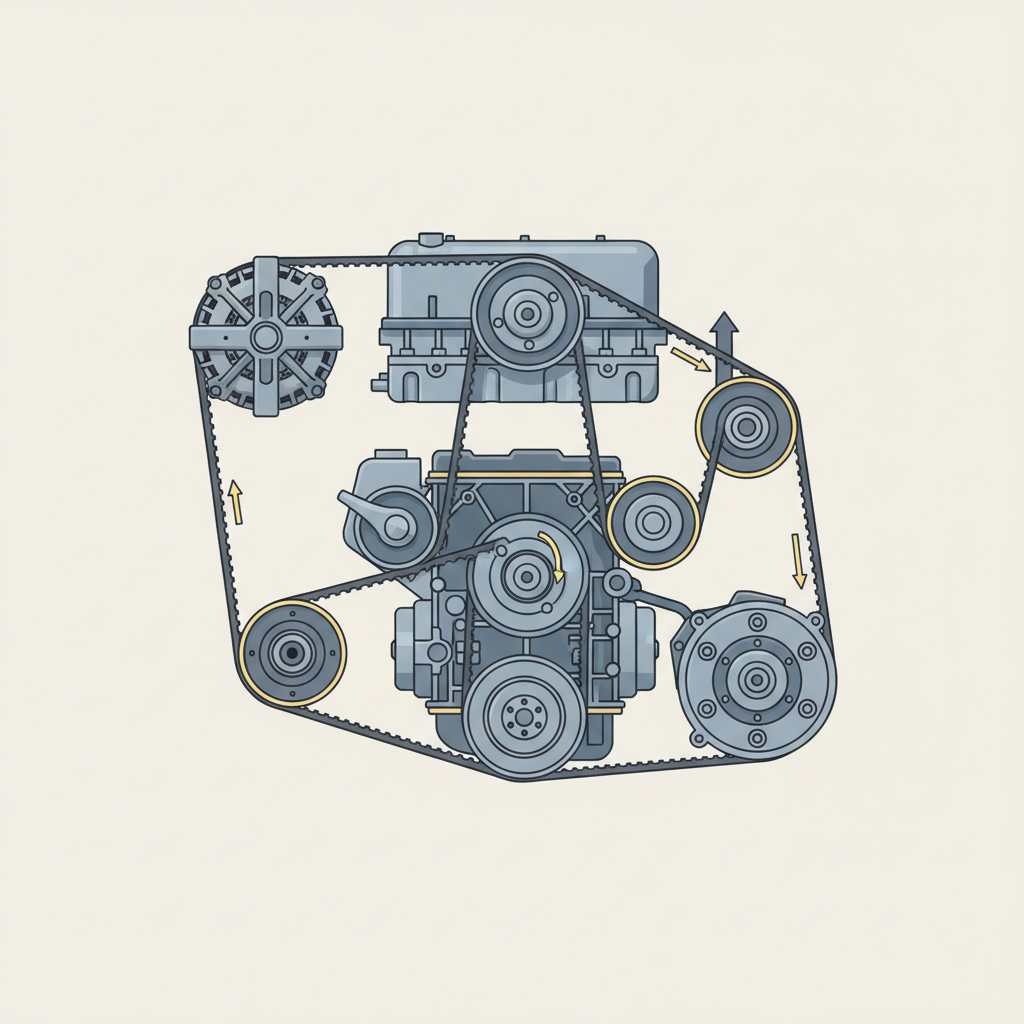
The serpentine belt is the lifeline of the Cummins 6.7L engine, responsible for synchronized power delivery to the alternator, power steering pump, water pump, and air conditioning compressor. In a heavy-duty environment, such as those occupied by the Ram 2500 through 5500 series, this belt must withstand immense torque and varying thermal loads. Professional-grade EPDM (Ethylene Propylene Diene Monomer) belts used in these engines are designed for superior heat resistance but are subject to constant mechanical stress and ozone degradation.
Engine variations play a significant role in how the accessory drive is configured. For instance, there was a notable transition from the 2007.5–2012 models to the 2013-present configurations. Newer models often include updated fan clutch designs and different bracketry for the emissions equipment, which subtly alters the belt’s path. According to blank”>Cummins specs, the integration of high-output charging systems in modern trucks has placed even more demand on the belt’s grip and surface area.
The role of the automatic tensioner is paramount in the 6.7L ecosystem. Unlike older manual systems that required periodic adjustment, the 6.7 uses a heavy-duty spring-loaded tensioner to maintain a constant load. This ensures the belt remains seated during rapid RPM changes—common when the turbocharger spools or during heavy towing downshifts. Reliable operation depends on the ‘ribbed’ side of the belt maintaining high friction with the grooved pulleys (crank, alternator, A/C, power steering) while the flat ‘back’ side drives the water pump or idler pulleys. In high-output dual alternator configurations, often found in ambulance or snowplow prep packages, the belt length and wrap angles are significantly increased to accommodate the secondary load.
By The Numbers
Max Mile Lifespan
Fuel Economy Loss
Routing Variations

Identifying the Correct Cummins 6.7 Belt Diagram for Your Configuration
One of the most common pitfalls for technicians is assuming a universal routing for all 6.7L engines. In reality, there are over four distinct belt routing variations depending on the specific VIN and build date of the Ram truck. Using the wrong diagram can lead to components rotating in the wrong direction or insufficient wrap on the water pump pulley, causing immediate engine damage.
Single vs. Dual Alternator Layouts
The Single Alternator Routing is the standard layout for most Ram 2500 and 3500 pickups. The belt follows a relatively straightforward path around the crankshaft, up to the fan, and over the top-mounted alternator. However, for 4500 and 5500 chassis cabs, a Dual Alternator Routing is frequently employed. This setup positions a second alternator lower on the engine block, requiring a much longer belt and specific idler pulleys to maintain the necessary tension and clearance from other engine components.
The Importance of the Under-Hood Visual Check
Before removing your old belt, always locate the factory-placed sticker on the radiator shroud or the underside of the hood. This is the primary trusted reference for your specific vehicle. If this sticker is missing, you should consult blank”>official documentation using your VIN. A common scenario involves a 2014 Ram 3500 owner mistakenly using a diagram for a 2011 model; while they look similar, the 2014 might feature a different fan clutch engagement point that, if bypassed or routed incorrectly, can cause the engine to overheat under load.
On the Cummins 6.7L, the water pump is driven by the smooth (flat) back side of the belt. If the belt is glazed or if the tensioner is weak, the belt can slip on the water pump pulley without making a loud squeal, leading to “ghost” overheating issues that are difficult to diagnose.

Step-by-Step Serpentine Belt Replacement Guide and Essential Tools
Replacing the belt on a 6.7L Cummins is a task that can be performed with basic tools, but it requires professional precision to ensure longevity. You will need a 1/2-inch drive breaker bar or a dedicated serpentine belt tool. Access can be tight, so having a tool with a slim profile is a major advantage.
📋
Pro-Grade Replacement Steps
Disconnect the negative battery cables to prevent accidental engine starts. Ensure the engine is cool to the touch to avoid burns from the EGR cooler or radiator hoses.
Insert your 1/2-inch breaker bar into the square hole on the tensioner arm. Rotate it clockwise (on most models) to compress the spring and slip the belt off the alternator pulley.
Start from the lowest pulley (Crankshaft) and work upward. Use a “fishing” technique with a wire coat hanger to thread the belt around the lower pulleys if hand space is limited by the fan shroud.
After the belt is routed, perform a final verification. Ensure the ribs align perfectly with the grooves of each component. Improperly seated belts can shred within the first 50 miles, potentially damaging the front crank seal or plastic radiator components. As a rule of thumb, always perform a “crank and check”—start the engine for just 5 seconds, shut it off, and re-inspect the belt seating before a road test.
Troubleshooting Common Belt Issues and Related Component Failures
Diagnosing noises in a Cummins engine can be tricky because of the natural mechanical “clatter” of a diesel. However, specific sounds from the accessory drive are comprehensive indicators of underlying issues. A high-pitched squeal usually indicates a glazed belt or liquid contamination (oil or coolant), while a rhythmic chirping usually points to pulley misalignment or a failing bearing in an idler pulley.
✅ Normal Wear
- Uniform rib wear
- Minor fading of brand markings
- Small, isolated cracks (less than 3 per inch)
❌ Critical Failure
- Fraying or “unraveling” edges
- Missing chunks of rib material
- Glazing (shiny, hard surface)
When the belt is removed, it is the perfect time to inspect the tensioner and idler pulleys. Spin the pulleys by hand; they should turn smoothly and silently. Any grinding, resistance, or “play” in the bearing indicates an imminent failure. Furthermore, check for “tensioner bounce” while the engine is running. If the tensioner arm is vibrating excessively, the internal spring has likely fatigued. Research indicates that a worn serpentine belt can reduce fuel economy by up to 10% due to the increased energy required for the alternator and pumps to overcome slippage.
Never spray belt dressing on a Cummins 6.7L belt. These dressings often contain chemicals that degrade EPDM material. If you have a squeal, find the leak—even a small coolant or oil leak onto the belt surface can cause catastrophic slippage and belt failure.
Preventative Maintenance and Long-Term Reliability Strategies
Maintaining maximum truck uptime requires more than just reactive repairs. While the general industry consensus suggests a 60,000 to 100,000-mile lifespan, trusted mechanics recommend inspecting the belt at every oil change (approx. every 7,500 to 15,000 miles). High-idle environments, common in work trucks, accelerate wear regardless of mileage.
Quality Components Matter
For high-torque diesel applications, choosing an OE-equivalent belt (like Gates, Continental, or Mopar) is superior to “budget” options. These premium belts use advanced rubber compounds that resist stretching under the high-compression start cycles of the 6.7L Cummins. According to Ram specs, using genuine parts ensures the belt thickness matches the pulley groove depths exactly, preventing “tracking” issues where the belt wants to jump a tooth.
The Kit Approach
Replacing the tensioner and idler pulleys simultaneously with the belt can increase the system’s reliability by 50% compared to replacing the belt alone.
Climate Resilience
Extreme cold or road salt in northern climates accelerates the drying and cracking of belt material; annual inspections are vital in these regions.
Professional-level precaution: For long-haul truckers or those who frequently tow, keeping a used but functional belt and a 1/2-inch breaker bar in the truck’s toolbox is highly recommended. A belt failure in a remote area can leave you without power steering, cooling, or charging, turning a $50 part into a $500 towing bill. Finally, always use a wire brush to remove rubber buildup from the pulley grooves before installing a new belt to ensure perfect seating.
In summary, identifying the correct year-specific and alternator-specific diagram is the first step to a successful repair. Regular inspection of the belt, tensioner, and idler pulleys prevents costly on-road failures and fuel economy loss. Proper installation requires the right tools and a meticulous check of the belt’s seating in the pulley grooves. Inspect your Cummins 6.7 serpentine belt today for signs of wear and ensure you have a professional-grade replacement on hand for your next service interval.
Frequently Asked Questions
Where is the belt diagram located on a Cummins 6.7L?
The most reliable location is the factory sticker found on the radiator shroud or the underside of the hood. If this sticker is missing or illegible, the owner’s manual or a professional repair service manual specific to your truck’s VIN and alternator configuration should be consulted to ensure proper routing around the fan and water pump.
What is the best way to release tension on the belt?
To release tension, locate the automatic tensioner pulley between the alternator and the crank. Insert a 1/2-inch drive breaker bar into the square hole on the tensioner arm. Rotate the arm clockwise (on most 6.7 models) to compress the spring, which creates slack and allows you to slide the belt off the pulleys safely.
How often should I replace the belt on my Ram 2500?
While many manufacturers suggest a range of 60,000 to 100,000 miles, expert diesel technicians recommend a thorough visual inspection every 15,000 miles. If you notice glazing on the back side, more than three cracks per inch on the ribs, or hear persistent chirping, the belt should be replaced immediately regardless of mileage.
Can a bad serpentine belt cause my Cummins to overheat?
Yes, absolutely. On the Cummins 6.7L, the water pump is driven by the serpentine belt. If the belt slips due to wear or snaps entirely, the water pump will cease to circulate coolant through the engine block, leading to a rapid rise in temperature and potential engine damage if the vehicle isn’t shut down immediately.
Should I replace the tensioner when I replace the belt?
It is highly recommended by professional mechanics to replace the tensioner and idler pulleys when the belt reaches 100,000 miles. These components have internal bearings and springs that wear at a similar rate to the belt. Replacing them together as a kit ensures even wear and prevents a new belt from being ruined by a misaligned or failing tensioner.
![How to Use Lucas Oil Stabilizer: Mixing Ratios & Tips [2026]](https://truckguider.com/wp-content/uploads/2026/03/how-to-use-lucas-oil-stabilizer-featured.webp)
![Why Are Fog Lights Yellow? The Science of Better Visibility [2026]](https://truckguider.com/wp-content/uploads/2026/03/why-are-fog-lights-yellow-featured.webp)