
6.7 Cummins Engine Diagram: A Detailed Guide to Components and Industrial Systems

The 6.7L Cummins turbo diesel stands as the cornerstone of heavy-duty performance, powering the RAM truck lineup with unmatched torque and a reputation for legendary durability. For many owners and technicians, the complexity of modern common-rail injection and integrated emissions systems makes navigating the engine bay a daunting task without a professional-grade diagram. This guide provides a trusted breakdown of the 6.7 Cummins engine diagram, detailing every critical system from the VGT turbocharger to the high-pressure fuel rail. By understanding these industrial systems through a comprehensive lens, you gain the expert-level knowledge necessary for precise maintenance, troubleshooting, and performance optimization.



Anatomical Overview of the 6.7 Cummins Engine Diagram
The 6.7L Cummins is an inline six-cylinder diesel engine that represents a significant evolution in heavy-duty engineering. Unlike V-block designs, the inline-six (I-6) configuration provides inherent primary and secondary balance, which reduces vibration and simplifies the overall engine diagram. When looking at a technical blank”>official documentation, the first thing one notices is the longitudinal layout, which offers superior access to the turbocharger and manifold side compared to cramped V8 diesel counterparts.
Structurally, the engine features a 408 cubic inch displacement with a bore of 4.21 inches and a stroke of 4.88 inches. This long-stroke design is a primary factor in the engine’s ability to produce massive low-end torque. The engine block is a deep-skirt design; in later High Output (HO) variants found in RAM 3500 chassis, Cummins transitioned to Compacted Graphite Iron (CGI). CGI provides double the tensile strength of traditional grey iron while reducing weight, allowing the engine to handle higher cylinder pressures without failure.

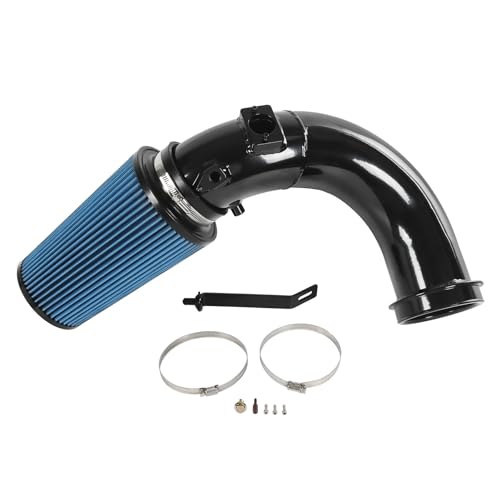
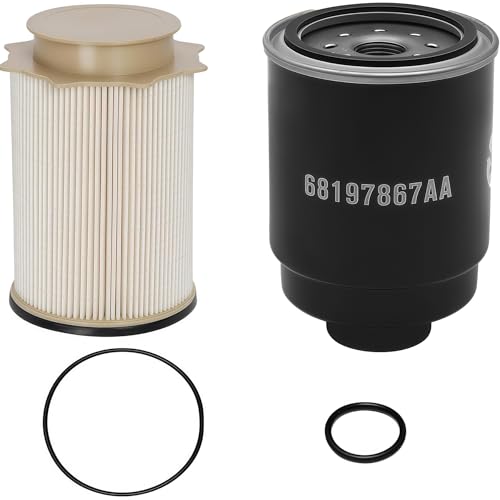
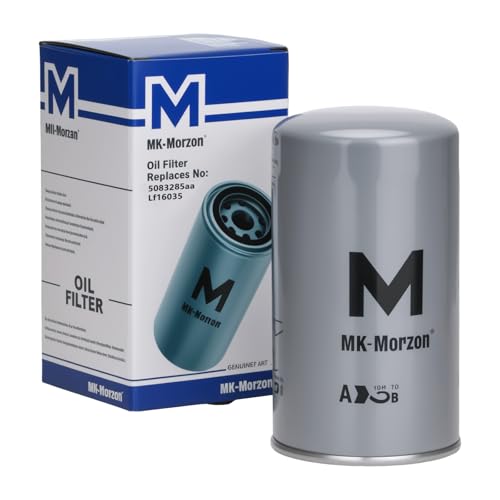
The front gear housing is a critical landmark on the 6.7 Cummins diagram. Unlike engines that use rubber timing belts, the Cummins uses a robust gear train to drive the camshaft and high-pressure pump, ensuring timing remains precise over hundreds of thousands of miles.
The cooling system interface is equally vital. The water pump is located on the passenger side, driven by the serpentine belt, and forces coolant through the block and cylinder head before reaching the radiator. For those studying
High-Pressure Common Rail (HPCR) Fuel System Components
The heart of the 6.7 Cummins’ performance lies in its High-Pressure Common Rail (HPCR) fuel system. In a professional engine diagram, the fuel path begins at the electric lift pump in the fuel tank, traveling through the primary and secondary fuel filters to the high-pressure injection pump. From 2007.5 through 2018, and again in 2021+, the engine utilized the Bosch CP3 pump. Between 2019 and 2020, a CP4.2 pump was used, though many were later retrofitted back to the CP3 due to reliability concerns in specific operating conditions.
The HPCR system is capable of generating pressures up to 30,000 PSI. This extreme pressure is necessary for the fine atomization of diesel fuel, which is crucial for meeting emissions standards while maintaining power. Modern 6.7 Cummins injectors are solenoid-actuated and can perform up to five injection events per combustion cycle. These events include pilot injections to pre-heat the cylinder (reducing “diesel knock”) and post-injections to manage the temperature of the exhaust aftertreatment system.
Diagnostic points on the fuel rail include the fuel pressure sensor and the pressure relief valve. If the rail pressure exceeds safety limits, the relief valve opens to return fuel to the tank, preventing catastrophic damage to the injectors. A common pitfall in maintenance is neglecting the fuel filters; given the tight tolerances of the HPCR components, even microscopic contaminants can cause premature wear on the Bosch pump and injectors.

Variable Geometry Turbocharger (VGT) and Air Induction
Airflow management in the 6.7L Cummins is handled by the Holset HE351VE or HE300VG Variable Geometry Turbocharger (VGT). Unlike traditional turbochargers with a fixed housing size, the VGT uses a sliding nozzle ring controlled by an electronic actuator. This allows the turbocharger to “change its size” dynamically. At low RPM, the nozzle closes to increase exhaust velocity, providing instant boost and reducing lag. At high RPM, the nozzle opens to prevent excessive backpressure.
Integrated Exhaust Brake
The VGT doubles as an exhaust brake, using the sliding nozzle to create backpressure that slows the vehicle down without using the service brakes.
Optimized Towing
The system provides effective braking horsepower nearly equal to the engine’s rated output, ideal for 6% grades with heavy loads.
The air path moves from the air filter box through the turbocharger, where it is compressed. From there, it passes through the Charge Air Cooler (Intercooler) located in front of the radiator. Cooling the intake air increases its density, which is vital for combustion efficiency. A common issue noted by experts is soot accumulation on the VGT sliding ring, often caused by excessive idling. This can cause the actuator to stick, leading to a loss of boost or “limp mode” codes.
Emissions Control Architecture: EGR, DPF, and SCR
Modern 6.7 Cummins engines are defined by their complex aftertreatment systems. Navigating the exhaust side of the diagram reveals three primary systems: Exhaust Gas Recirculation (EGR), the Diesel Particulate Filter (DPF), and Selective Catalytic Reduction (SCR). The EGR system reroutes a portion of exhaust gases back into the intake manifold to lower combustion temperatures and reduce NOx production.
Neglecting the DPF regeneration process can lead to a clogged filter, requiring expensive manual cleaning or replacement. Monitoring the “Soot Level” gauge on your dashboard is a professional best practice.
The DPF is designed to capture soot (particulate matter). When the DPF becomes full, the engine enters a “regeneration” cycle, where extra fuel is injected to raise exhaust temperatures and burn off the trapped soot. Starting in 2013 for RAM 2500/3500 models, Cummins introduced SCR technology, which uses Diesel Exhaust Fluid (DEF) to convert NOx into harmless nitrogen and water. According to expert tips, the addition of SCR allowed engineers to tune the engine for better fuel economy, as they could rely less on heavy EGR rates that traditionally hampered efficiency.
By The Numbers
Max Torque (lb-ft)
Max Horsepower
B10 Life (Miles)
Reliability Metrics and Maintenance Schedules
Achieving the legendary 300,000 to 500,000-mile lifespan of a 6.7 Cummins requires strict adherence to maintenance protocols. The engine’s B10 life—the point at which 10% of engines are expected to require an overhaul—is rated at 350,000 miles. To reach this milestone, oil changes should be performed every 7,500 to 15,000 miles depending on duty cycle, using high-quality 10W-30 or 5W-40 synthetic oil.
📋
Professional Maintenance Guide
Replace both the engine-mounted and chassis-mounted fuel filters every 15,000 miles to protect the HPCR system.
The Crankcase Ventilation (CCV) filter should be replaced every 67,500 miles to prevent oil mist from contaminating the turbocharger.
Flush the cooling system every 100,000 miles using OAT (Organic Additive Technology) coolant to prevent cavitation in the block.
Monitoring Exhaust Gas Temperatures (EGTs) is recommended, especially for those who use their trucks for heavy towing. Excessive EGTs can lead to cracked manifolds or turbocharger failure. Using a trusted, quality oil analysis service can provide early warning of engine wear metals or fuel dilution, allowing you to address diagnostic trouble codes (DTCs) before they escalate into major repairs.
✅ Pros
- Class-leading torque for heavy towing
- Exceptional long-term durability
- Simple I-6 layout for easier repair
- Robust VGT exhaust braking
❌ Cons
- Complex emissions aftertreatment
- High cost of HPCR components
- Potential for VGT soot clogging
- Heavier weight than V8 diesels
The 6.7 Cummins is a sophisticated evolution of the 5.9L predecessor, utilizing HPCR and VGT technology for superior power. Understanding the layout of the EGR, DPF, and SCR systems is essential for modern emissions compliance and overall engine health. Strict adherence to maintenance schedules, particularly fuel and CCV filtration, is the key to achieving a 300,000-mile service life. Consult your owner’s manual for specific torque specs, or contact a certified Cummins technician to perform a diagnostic scan of your HPCR system today.
Frequently Asked Questions
What are the most common problems with the 6.7 Cummins?
The most frequent issues involve the emissions system, specifically EGR cooler clogging and DPF soot accumulation. Additionally, the Variable Geometry Turbocharger (VGT) actuator can fail due to carbon buildup. In 2019-2020 models, the Bosch CP4.2 high-pressure fuel pump was a known failure point, leading to a massive recall and a return to the more reliable CP3 pump design.
How often should I change the oil in my 6.7 Cummins?
Under normal operating conditions, Cummins and RAM recommend oil changes every 15,000 miles or 12 months, or when the oil life monitor indicates. However, for vehicles frequently used for heavy towing or idling, a shorter interval of 7,500 to 10,000 miles is advised by experts to ensure maximum lubrication quality and engine longevity.
What is the best oil to use in a 6.7 Cummins?
A high-quality 15W-40 heavy-duty engine oil meeting the CES 20081 or 20086 specification is standard. For colder climates, a full synthetic 5W-40 is preferred for better cold-start protection. Always ensure the oil is ‘low ash’ (CJ-4 or CK-4) to prevent premature clogging of the Diesel Particulate Filter (DPF).
How do I delete the EGR and DPF on a 6.7 Cummins?
While ‘deleting’ these components is a common topic in forums to improve fuel economy, it is a violation of federal law under the Clean Air Act. Removing emissions equipment makes the vehicle illegal for street use and can lead to significant fines and voided warranties. Instead, focus on professional cleaning and proper maintenance of these systems.
What is the difference between the 5.9 Cummins and the 6.7 Cummins?
The 6.7L offers a larger displacement through an increased bore and stroke, resulting in significantly higher torque. While the 5.9L is praised for its simplicity, the 6.7L introduces the Variable Geometry Turbo (VGT), a more advanced Bosch HPCR system, and mandatory emissions controls (EGR, DPF, and later SCR) to meet stricter EPA standards while providing superior towing capacity.
![AMP Research PowerStep Warranty: Coverage & Claim Guide [2026]](https://truckguider.com/wp-content/uploads/2026/03/amp-research-power-step-warranty-featured.webp)
![How To Install In Channel Rain Guards [2026]](https://truckguider.com/wp-content/uploads/2026/03/featured-b43761fc-768x432.webp)