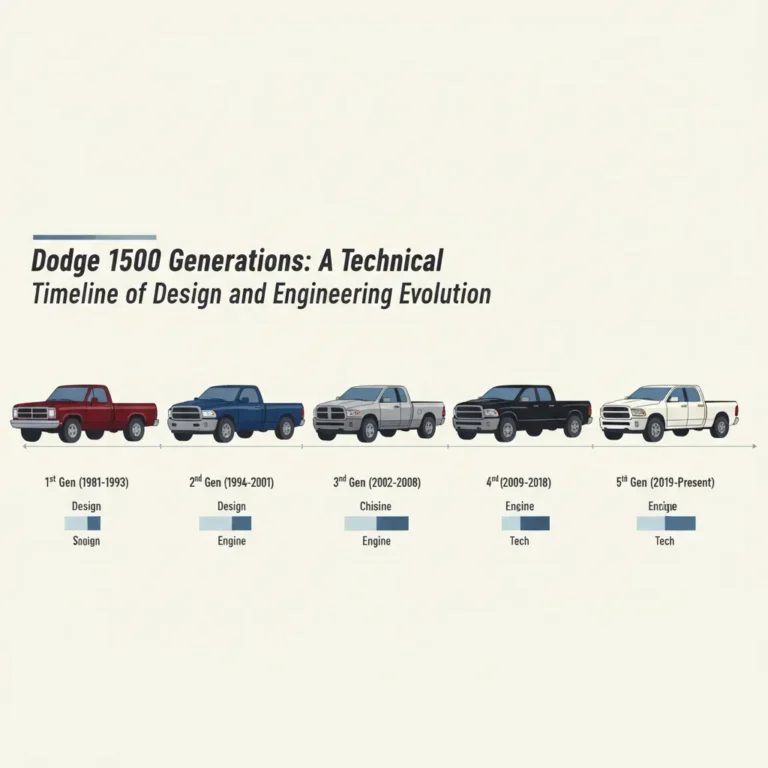
Cooling System Dodge Ram 1500 Radiator Diagram: Engineering And Maintenance Guide

For the Dodge Ram 1500, the difference between a successful cross-country haul and a smoking engine on the shoulder of the highway often comes down to the efficiency of a single component: the radiator. Understanding the complex layout of the Ram’s cooling system can be daunting, especially when faced with overheating issues or the need for a reliable part replacement. This guide provides an expert-level breakdown of the Dodge Ram 1500 radiator diagram, component functions, and professional maintenance strategies to ensure your truck remains cool under pressure, whether you are daily driving or pushing the limits of your towing capacity.


Anatomy of the Cooling System Dodge Ram 1500 Radiator Diagram and Flow Mechanics
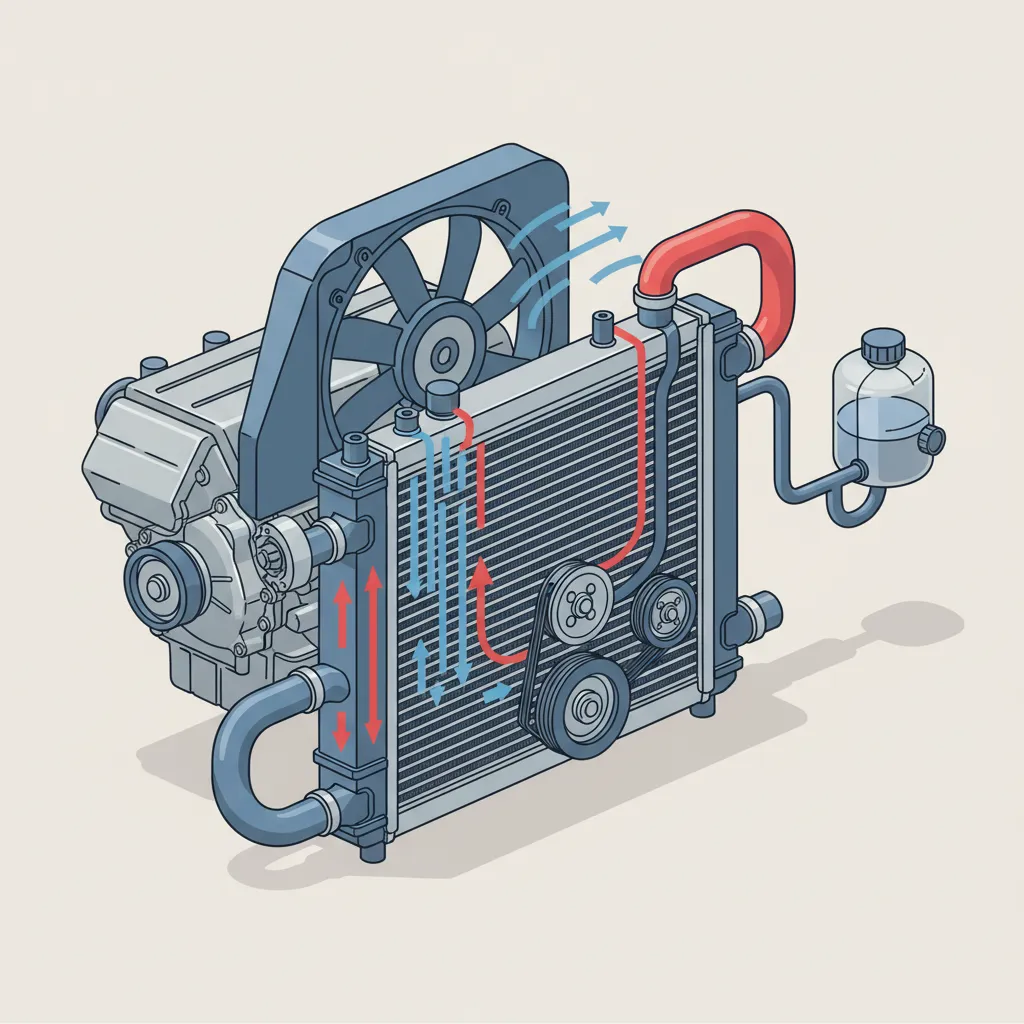
The Dodge Ram 1500 cooling system is a masterclass in thermal engineering, designed to manage the intense heat generated by high-displacement engines like the 5.7L HEMI V8 or the efficient 3.6L Pentastar V6. At its core, the system operates as a closed-loop pressurized circuit. The water pump serves as the heart, driving coolant through the engine block’s water jackets where it absorbs thermal energy. This heated fluid is then directed toward the radiator, the primary heat exchanger, where it undergoes a phase of cooling before returning to the block.
A comprehensive radiator diagram for the Ram 1500 identifies several critical nodes. The radiator core is flanked by end tanks; the passenger-side tank typically houses the Transmission Oil Cooler (TOC) lines. These lines are vital, as they allow the radiator to regulate the temperature of the automatic transmission fluid (ATF), preventing gear slip and premature wear. In my experience, technicians often overlook the petcock drain valve located at the bottom of the radiator, which can become brittle and snap during service if not handled with professional care.
Always inspect the radiator shroud and seals. A missing or damaged shroud can lead to “localized hot spots” because the air isn’t being pulled evenly across the entire surface area of the core, rendering even a new radiator inefficient.
The transition from the 4th Generation to the 5th Generation Ram brought significant changes in fan technology. While older models relied heavily on mechanical fan clutches that engaged based on temperature, modern 5th Gen Rams utilize sophisticated electric cooling fan assemblies controlled by the Powertrain Control Module (PCM). This shift allows for more granular control over airflow, especially at low speeds or when idling in traffic. Research indicates that the Dodge Ram 1500 cooling system typically operates at a pressure of 16-21 PSI. If the pressure cap on the expansion tank fails to maintain this equilibrium, the coolant’s boiling point drops, often leading to thermal expansion issues similar to a 2016 Ram 1500 case I investigated where a faulty cap caused mysterious coolant loss through the overflow vent despite no visible leaks in the core.

Material Science: Selecting a Professional Quality Radiator for Your Dodge Ram
When it comes to radiator replacement, not all units are created equal. The OEM (Original Equipment Manufacturer) radiators in the Ram 1500 generally feature an aluminum core crimped to plastic end tanks. While cost-effective and lightweight, these plastic tanks are susceptible to fatigue from thousands of heat cycles, eventually leading to hairline cracks near the inlet and outlet necks. To ensure you have the correct Ram specs for your specific VIN, you must verify the core thickness and row count.
High Fin Density
Increased Fins Per Inch (FPI) provides more surface area for heat transfer, essential for heavy towing.
TIG-Welded Aluminum
Full aluminum construction eliminates the weak plastic-to-metal crimp points found in OEM units.


For owners who frequently tow heavy trailers or operate in extreme climates, upgrading to an all-aluminum aftermarket radiator is a prudent move. These units are often TIG-welded, offering far superior durability and a significant boost in performance. Expert analysis shows that all-aluminum radiators can offer up to 25-40% better cooling efficiency than standard plastic-tank OEM units in high-stress environments. When selecting a unit, look for “drop-in fitment” to ensure that the factory fan shroud and TOC lines connect without modification.

Diagnosing Critical Failures in the Dodge Ram Cooling Circuit
Effective troubleshooting requires a systematic approach. One of the most feared symptoms in a Dodge Ram 1500 is the ‘Strawberry Milkshake’. This occurs when the internal transmission cooler inside the radiator fails, allowing high-pressure ATF to mix with the engine coolant. If you pull your radiator cap or dipstick and see a pink, frothy substance, you must stop driving immediately; this failure can destroy both the engine cooling system and the transmission internals within miles.
External leaks are more common and are often found using ultraviolet (UV) dye tests. By adding a small amount of dye to the reservoir and running the engine, you can use a blacklight to find pinhole leaks in the radiator core that only manifest under high-pressure conditions. Another subtle killer of radiators is electrolysis. When coolant is neglected, its pH balance shifts, becoming acidic. This “sour” coolant actually begins to carry an electrical charge, which physically eats the radiator core from the inside out, often resulting in localized “weeping” of fluid across the fins. For more diagnostic expert tips, consulting enthusiast communities can provide real-world insights into specific model year quirks.
By The Numbers
Roadside Calls (AAA)
Avg Years Lifespan
Max System Pressure
Differentiating between a radiator clog and a stuck-closed thermostat is a hallmark of a professional technician. If the upper radiator hose is boiling hot while the bottom hose is cold to the touch, you likely have a flow restriction within the radiator core itself. Conversely, if the engine temperature spikes rapidly while the radiator remains cool, the thermostat is likely the culprit, failing to open and allow coolant to reach the radiator in the first place.
Step-by-Step Reliable Radiator Replacement and Coolant Management
Replacing a radiator on a Dodge Ram 1500 is a labor-intensive but manageable task for those with the right tools. The most critical aspect of the physical replacement is managing the quick-connect transmission lines. These require a specialized release tool to avoid damaging the internal O-rings; attempting to pry them off with a screwdriver will almost certainly lead to a transmission fluid leak later on. For authentic replacement parts, refer to the official guide for your specific VIN.
📋
Step-by-Step Radiator Service
Drain the system via the petcock. Disconnect the upper/lower hoses and the quick-connect transmission cooler lines using the proper release tool.


Remove the fan shroud and mounting bolts. Lift the old unit out, transfer any brackets to the new radiator, and lower it into the frame mounts.
Refill with 50/50 mix. Run the engine with the heater on high to “burp” air pockets from the HEMI block to prevent localized overheating.
Rams built before 2013 typically use HOAT (Orange), while 2014+ models use OAT (Purple). Mixing these results in a thick gel that will clog your radiator and heater core permanently.
Proper coolant specification is non-negotiable. Using distilled water in your 50/50 mix is a professional best practice; tap water contains minerals that contribute to scale buildup and corrosion within the radiator’s small passages. After installation, perform a post-installation validation. Pressure test the system to ensure there are no leaks at the hose clamps or TOC lines. While RepairPal notes an average lifespan of 8-10 years, heavy-duty usage can reduce this by 20-30%, making annual inspections of the radiator and hoses a critical habit for any Ram owner.
A properly functioning radiator is the heart of your Ram’s thermal management, requiring regular inspection of its core and connections. Choosing between OEM and aftermarket aluminum radiators depends on your vehicle’s workload, with aluminum providing a professional edge for towing. Adhering to strict coolant specifications and air-bleeding procedures is essential to prevent engine damage and ensure system longevity. Consult your owner’s manual for specific fluid intervals and consider a professional cooling system pressure test if you notice any drop in reservoir levels.
Frequently Asked Questions
Where is the radiator located in a Dodge Ram 1500?
The radiator is situated at the very front of the engine bay, directly behind the grille and in front of the engine cooling fan. It is positioned to receive maximum airflow while the vehicle is in motion. On most Ram 1500 models, it is flanked by the A/C condenser and, in some configurations, an auxiliary transmission cooler or power steering cooler.
What are the symptoms of a failing radiator in a Ram truck?
Common symptoms include noticeable coolant leaks (often bright orange or purple puddles), frequent engine overheating, a low coolant light on the dashboard, and a sweet, syrupy smell coming from the engine bay. Additionally, if you notice ‘sludge’ in the coolant or discolored fluid, it may indicate internal corrosion or a breach in the transmission cooling loop.


How much does it cost to replace a radiator in a Dodge Ram 1500?
Professional replacement typically ranges between $600 and $950. This includes the cost of a quality radiator (approx. $250-$450) and 2-4 hours of expert labor. Prices vary based on whether you choose an OEM Mopar unit or a high-performance aftermarket aluminum radiator, as well as local labor rates in your region.
What type of coolant does my Dodge Ram 1500 require?
Modern Ram 1500s (2013-present) typically require Mopar 10-Year/150,000 Mile OAT (Organic Additive Technology) coolant, which is usually purple. Models from 2002 to 2012 generally use HOAT (Hybrid Organic Additive Technology), which is orange/yellow. It is vital not to mix these two types, as it can lead to gel formation and catastrophic cooling system failure.
How often should I flush my cooling system?
For optimal reliability, a professional cooling system flush is recommended every 100,000 to 150,000 miles for OAT-equipped trucks, or every 5 years/100,000 miles for older HOAT systems. However, if you frequently use your Ram 1500 for heavy towing or operate in extreme heat, an inspection and potential flush every 50,000 miles is a trusted preventative measure.
![2017 Ram 2500 Transmission Specifications, Maintenance, [2026]](https://truckguider.com/wp-content/uploads/2026/03/featured-9b105d51-768x768.webp)