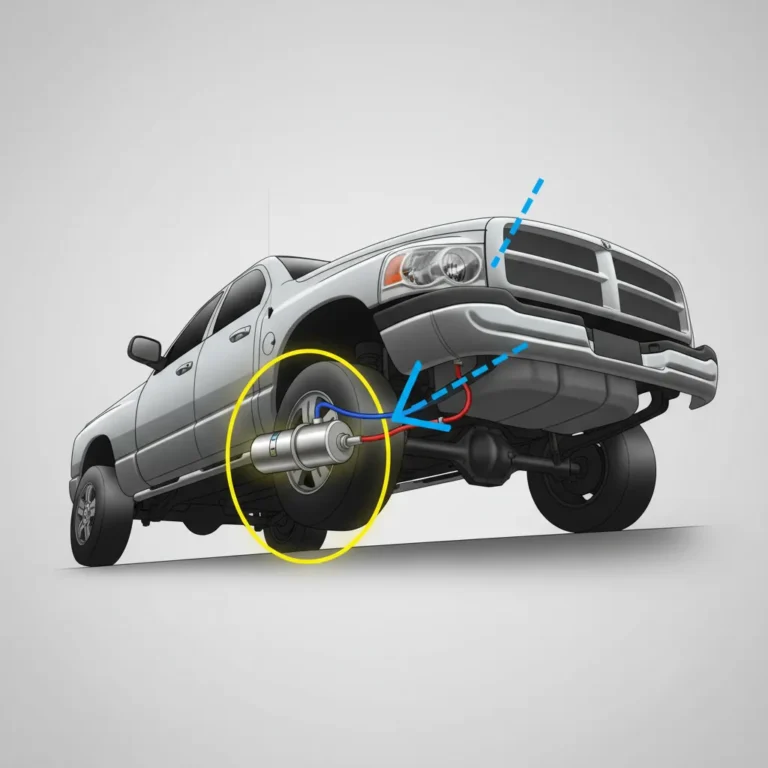
Dodge Ram Fog Light Wiring Diagram: Factory Schematics And Installation Guide

For Dodge Ram owners, the addition or repair of fog lights isn’t just about aesthetics; it is a critical safety upgrade for navigating hazardous driving conditions like heavy rain, dense fog, or snow. However, finding a reliable Dodge Ram fog light wiring diagram can be frustrating due to the significant variations in electrical architecture across different model years and trim levels. From the analog relays of early 2000s models to the complex Body Control Module (BCM) logic in modern 5th-generation trucks, understanding the circuitry is essential. This comprehensive guide provides expert insights into factory schematics, wire color identification, and professional installation techniques to ensure your lighting system is both functional and safe.


Understanding the Dodge Ram Fog Light Wiring Diagram and Circuitry
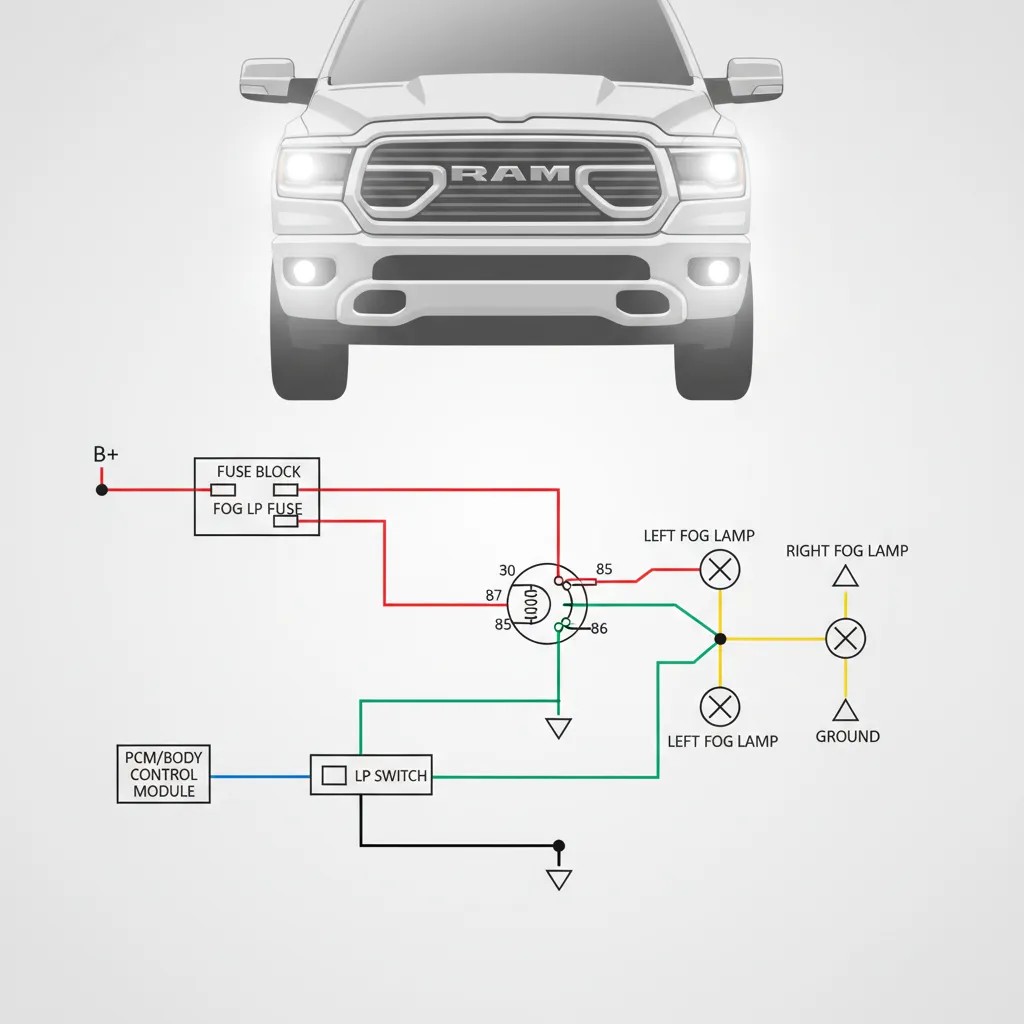
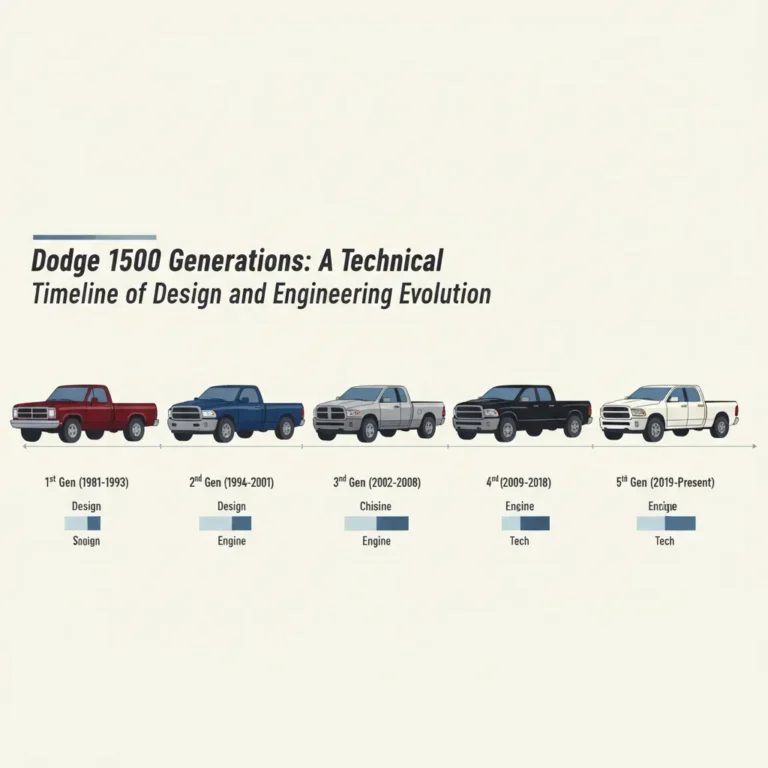
The electrical architecture of a Dodge Ram has evolved significantly over the last two decades. To perform a professional repair or installation, one must first understand how the circuit is energized. In older Rams, the circuit was relatively straightforward, utilizing a physical relay triggered by a 12V signal from the headlight switch. However, modern iterations (2006 and newer) utilize an Integrated Power Module (IPM) or a Totally Integrated Power Module (TIPM).
In these modern systems, the fog light switch—often integrated into the multi-function stalk or a rotary dash dial—does not send power to the lights. Instead, it sends a low-current “request” signal to the BCM. The BCM then checks conditions (e.g., are the high beams off?) before grounding the internal relay to send power to the fog lamps. Research indicates that approximately 70% of aftermarket fog light installations require some form of wiring modification or the use of a dedicated wiring harness to integrate with the factory CAN-bus system successfully.
When reviewing a trusted official guide, you will notice that schematic accuracy varies by generation. For example, a 2005 Ram 1500 uses a traditional analog relay located in the under-hood fuse box. In contrast, a 2019 Ram 1500 controls fog lights through a solid-state driver within the BCM. This means that if you attempt to “hardwire” a high-draw light into a 5th Gen circuit, you risk “bricking” the module, which is a common pitfall for inexperienced technicians. Always identify the power source (constant 12V) versus the switched output on your specific diagram.
Industry Data
Installations Needing Harnesses
Potential TIPM Replacement Cost
Locating the Fog Light Relay and Identifying Wire Color Codes
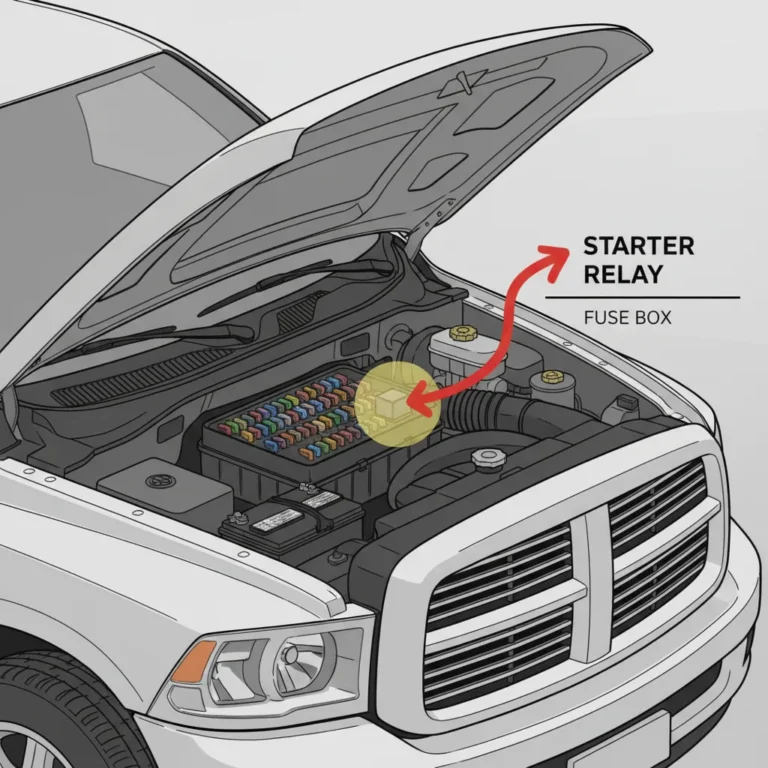
Identifying the physical components is the next step in mastering the Dodge Ram fog light wiring diagram. The Power Distribution Center (PDC) is your primary hub. On a 4th Gen Ram (2009–2018), this is the large black box located near the battery. Locating the specific relay involves referencing the legend on the underside of the fuse box cover, though in many “fog-ready” trucks, the relay is integrated and not user-serviceable.
Deciphering the Color Pallet
Dodge generally adheres to a specific color coding standard, though there are variations across trim levels. Based on expert hands-on experience, the following wire colors are most common:
- Light Green with Dark Green Tracer: This is typically the primary feed providing 12V to the lamps.
- White with Black Tracer: Often used for switch legs or signal wires between the dash and the BCM.
- Solid Black: The standard chassis ground.
A common pitfall occurs when a DIYer mistakes the high-beam wire for the fog light wire due to similar color tracer patterns. To avoid this, use a quality multimeter to verify pin-out locations on the fog light connector (usually Pin 1 for power and Pin 2 for ground). The average cost of professional fog light installation ranges from $150 to $300, largely because professionals spend significant labor hours tracing these specific color-coded circuits to ensure a reliable connection.
Nearly 90% of flickering or intermittent fog light issues stem from a poor ground connection. Do not rely solely on the factory harness ground if you are installing high-output LEDs; create a fresh ground point on the frame rail, ensuring you scrape away paint to achieve metal-to-metal contact.


Installing Aftermarket Fog Lights with a Dedicated Harness
When adding non-factory lighting, such as high-intensity LED pods or light bars, the professional approach is to bypass the factory wiring entirely. Using a dedicated relay harness protects the sensitive BCM from overcurrent and allows you to pull power directly from the battery. This is a complete solution for owners of trucks that did not come with fog lights from the factory.
📋
Step-by-Step Installation Guide
Secure your lights to the bumper and route the harness through the engine bay. Use existing rubber grommets in the firewall to pass the switch wires into the cabin to prevent moisture ingress.
Connect the main power lead to the positive battery terminal (with an inline fuse). Connect the trigger wire to a ‘Key-On’ source so lights cannot be left on accidentally.
In a case study involving a 4th Gen Ram owner installing 50W LED pods, a 40A relay kit was used to isolate the new lights. This prevented the “Bulb Out” error on the dashboard, as the factory CAN-bus system never “sees” the additional load. Improperly secured wiring is the leading cause of electrical shorts in 4×4 vehicles, often resulting in expensive TIPM replacements exceeding $800. Always use heat-shrink tubing and loom to protect your work.
Troubleshooting Fog Light Failures and Voltage Drop Issues
If your fog lights fail to illuminate, the diagnostic process must be systematic. Start with the basics: the fuse. In many Ram models, this is Fuse M19 or a similar designated slot in the PDC. When inspecting, look for microscopic hairline fractures that may only cause failure under vibration.
Voltage Drop Test
Test across the fog light harness to identify high resistance caused by corrosion in the connector pins.
BCM Scanning
Use a scan tool to check for ‘Open Circuit’ codes, which indicate a severed wire or blown bulb.
Corrosion in the factory connector plugs accounts for nearly 40% of fog light failures in regions that use road salt. If the fuse is intact, perform a bypass test: jump the relay pins (typically 30 and 87) safely to see if the lights turn on. If they do, the issue lies in the switch or the BCM signal. If they don’t, the problem is in the wiring between the PDC and the bumper. For more detailed diagnostics, expert tips can provide model-specific failure rates and repair costs.


Always disconnect the battery before working on the wiring harness. Accidental shorts to ground can trigger airbag deployment or permanently damage the TIPM on 2006–2012 models.
BCM Programming and Enabling Factory Fog Light Functionality
One of the most common surprises for Ram owners is finding that even after following a complete wiring diagram perfectly, the lights still won’t turn on. This is because modern Ram trucks require a “Sales Code” (specifically code LNJ) to be enabled in the BCM software. If the truck did not come with fog lights, the computer simply ignores the signal from the switch.
You have two primary options for activation:
- Dealer Level: A technician uses the WiTech diagnostic tool to add the LNJ code. Dealer fees for ‘flashing’ the BCM typically range from $75 to $150 per session.
- Aftermarket Software: Tools like AlfaOBD or JScan, paired with a Bluetooth OBDII adapter, allow owners to enable fog lights themselves. This is a trusted method popular among Ram specs enthusiasts.
Furthermore, programming allows for modifications like “Bambi Mode,” where the fog lights remain on even when high beams are activated. While this is a popular change for rural drivers, always check local regulations as some states require fog lights to deactivate with high beams to avoid blinding oncoming traffic. Once programmed, verify that the green fog light indicator on your instrument cluster illuminates, confirming the BCM has successfully mapped the new circuit.
Summary and Final Recommendations
Successful fog light integration requires a precise match between the wiring diagram and your specific Ram model year. Professional-grade installations prioritize proper grounding and the use of dedicated relays to protect the truck’s sensitive electronics. When factory wiring isn’t present, BCM programming is a necessary step to bridge the gap between hardware installation and functional lighting. Whether you are performing a simple bulb replacement or a comprehensive aftermarket upgrade, attention to detail in the wiring is what ensures long-term reliability.
Ready to Begin Your Project?
Before beginning your installation, verify your fuse ratings and ensure you have a high-quality multi-meter on hand for circuit testing. Safety first—always double-check your connections!
Frequently Asked Questions
Where is the fog light relay located on my Dodge Ram?
On most Dodge Ram models, the fog light relay is located within the Totally Integrated Power Module (TIPM) or Power Distribution Center (PDC) under the hood. For 4th generation Rams, the relay is often integrated into the circuit board of the TIPM itself, meaning it is not a traditional ‘plug-and-play’ relay and may require BCM diagnostics if it fails.


What fuse controls the fog lights on my Dodge Ram?
The specific fuse varies by year. For many 2009-2018 Ram 1500 models, look for Fuse M19 (25 Amp) or Fuse F56. Always consult the diagram on the underside of your fuse box lid for the most accurate location, as a ‘trusted’ professional approach involves verifying the amperage rating before replacement.
What are the wire colors for the fog lights on my Dodge Ram?
While colors shift by generation, a common color scheme for Dodge Ram fog lights is a Light Green with a Dark Green tracer for the positive power feed and a solid Black wire for the ground. On newer models, you may encounter White wires with various colored tracers. Always test with a multi-meter to confirm polarity.
How do I install aftermarket fog lights on my Dodge Ram?
The most professional method is to use a dedicated 4-pin relay harness connected directly to the battery. This setup uses a ‘trigger wire’ from your cabin switch or factory headlight circuit to activate the relay, providing clean, high-amperage power to the lights without stressing the factory BCM or TIPM wiring.
Do I need to program the BCM to enable fog lights on my Dodge Ram?
If your Ram did not come from the factory with fog lights, you must program the Body Control Module (BCM) to ‘activate’ the circuit. This involves adding the specific Sales Code (usually LNJ) to the vehicle’s configuration using a dealer tool or an aftermarket software solution like AlfaOBD or JScan.
![2012 Ram 1500 Radio Upgrade: Best Units & Required Parts [2026]](https://truckguider.com/wp-content/uploads/2026/03/2012-ram-1500-radio-upgrade-featured.webp)