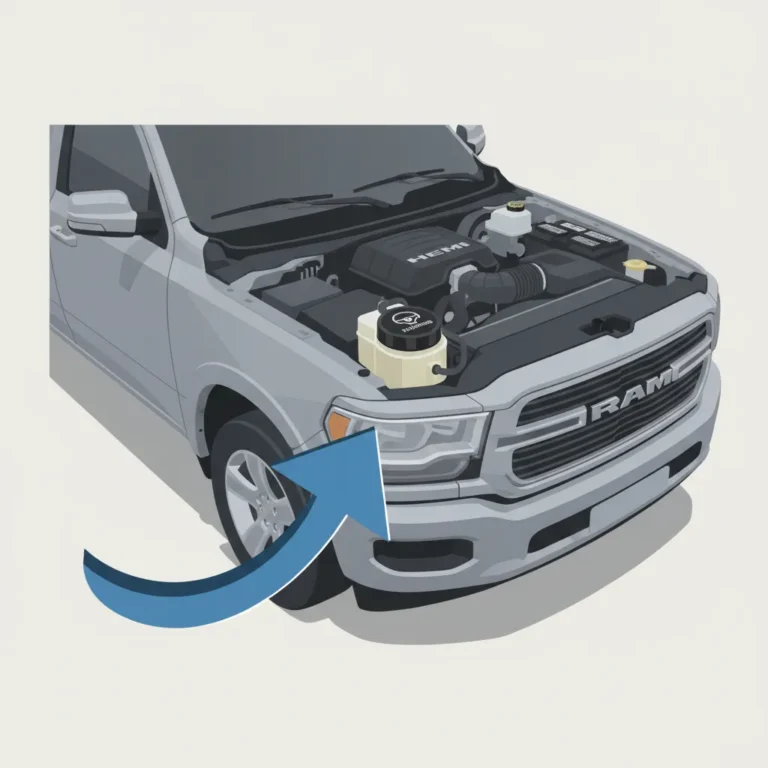
2013 Ram 1500 Headlight Bulb Replacement: Complete Specs Guide [2026]

To replace bulbs in a 2013 Ram 1500, you must remove the front grille and the entire headlight housing to access the rear sockets. Most trims use H11 low beams and 9005 high beams, but verify if you have Quad or Projector-style lamps before purchasing.
🎯 Key Takeaways
- Takeaway 1:Confirm if you have Quad or Projector headlights for correct fitment.
- Takeaway 2:Quad headlights typically utilize H11 (low) and 9005 (high) bulbs.
- Takeaway 3:A 10mm socket with an extension is required for housing removal.
- Takeaway 4:Release the hidden white plastic sliding lock via the wheel well.
- Takeaway 5:Avoid touching new bulb glass to prevent premature failure from oils.
To replace the headlight bulbs on your 2013 Ram 1500, you must remove the front grille and the entire headlight housing. There is no accessible space behind the assembly to swap bulbs while it is still bolted to the frame. This design requires a 10mm socket, a ratchet extension, and approximately 30 to 45 minutes of your time to complete both sides.


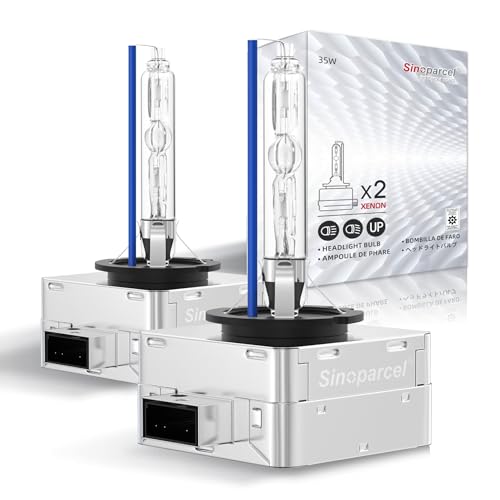
Before you begin the physical teardown, you must identify whether your truck uses the Quad or Projector style housing. These two setups use entirely different bulb sizes and internal configurations. Using the wrong bulb will result in a poor fit or a total lack of illumination. The following charts and identification tips ensure you buy the correct parts before you start turning wrenches.
2013 Ram 1500 Bulb Size and Specification Charts
The 2013 Ram 1500 utilizes two distinct headlight systems. The “Quad” system uses two separate bulbs for high and low beams, while the “Projector” system uses a single bulb for both functions. Verify your housing type before purchasing replacements.

Quad Headlight Bulb Sizes (Standard Trim)
- Low Beam: H11 (Standard 55W halogen)
- High Beam: 9005 (Standard 65W halogen)
- Front Turn Signal/Parking Light: 3157NA (Amber)
- Fog Lights: 9145 or H10
Projector Headlight Bulb Sizes (Premium Trim)
- Low/High Beam (Single Bulb): 9012 (HIR2)
- Front Turn Signal: 3157NA (Amber)
- Fog Lights: 9145 or H10
- LED Sidemarker: Integrated (Non-serviceable)
If you are upgrading to LED or HID bulbs, ensure the 9012 or H11 replacements are “Canbus Ready.” The 2013 Ram 1500 uses a sensitive Power Distribution Center (PDC) that monitors bulb resistance. Standard LEDs often trigger a “bulb out” error on your dashboard or cause the lights to flicker without the proper resistors or decoders installed.
Master 2013 Ram 1500 Headlight Bulb Replacement in 8 Simple Steps
Replacing the headlight bulbs on a 2013 Ram 1500 is a rite of passage for many truck owners. Unlike older vehicles where you could simply reach behind the housing, the 4th generation Ram requires a bit more mechanical finesse, involving the removal of the grille and the headlight assembly itself. This guide provides a comprehensive walkthrough to ensure you can swap out your dim or burnt-out bulbs safely, preventing damage to the delicate plastic clips and ensuring your night-time visibility is restored to factory standards or better.
Step 1: Identify Your Headlight Type and Gather Supplies
What you need: Owner’s manual, replacement bulbs (H11 for Low Beam/9005 for High Beam on Quad lamps, or 9012 for Projector lamps), 10mm socket and ratchet, flat-head screwdriver or trim removal tool, and clean nitrile gloves.
Instructions: Before turning a single bolt, you must identify which headlight system your 2013 Ram 1500 uses. The “Quad” style has two separate bulbs visible in each housing, while the “Projector” style features a distinct glass magnifying lens. Purchasing the wrong bulb is a common frustration, so verify your fitment at the auto parts store or by checking the markings on the existing housing. Once you have the correct bulbs, park your truck on a level surface, engage the parking brake, and ensure the ignition and headlight switch are in the ‘Off’ position. Popping the hood is your first physical step toward access.
Pro Tip: Never touch the glass of the new halogen bulbs with your bare fingers. The oils from your skin can create “hot spots” on the quartz glass, causing the bulb to shatter or burn out prematurely within weeks of installation. Always wear nitrile gloves or use a clean paper towel.
Step 2: Remove the Radiator Shroud
What you need: Flat-head screwdriver or a dedicated plastic trim removal tool.
Instructions: Once the hood is open, you will see a large black plastic cover spanning the distance between the grille and the engine. This is the radiator shroud, and it is held in place by approximately six to ten plastic push-pins. Using your flat-head screwdriver or trim tool, gently pry up the center head of each pin. Once the center pops up, the entire plastic fastener can be pulled out. Be careful not to snap the heads off, as these can become brittle with age and engine heat. Once all pins are removed, lift the shroud straight up and set it aside in a safe place where it won’t be stepped on.
Pro Tip: Place all your plastic clips and bolts in a magnetic tray or a clean Tupperware container. These small pieces are notorious for falling into the engine bay or rolling away into the “black hole” of your garage floor.
Step 3: Unbolt and Detach the Grille
What you need: 10mm socket and ratchet.
Instructions: To remove the headlight housings, the grille must come off first. Locate the four 10mm bolts running along the top of the grille frame. Carefully unscrew these and store them safely. With the bolts removed, the grille is now held in place only by several pressure clips along the bottom and sides. Stand at the front of the truck, grasp the grille firmly with both hands, and give it a sharp, steady pull toward you. It may feel like you are going to break something, but the clips are designed to snap out. Work from one side to the other until the grille is completely free from the front fascia.
Pro Tip: If the grille feels excessively stubborn, do not use a pry bar against the chrome or painted surfaces. Instead, reach behind the grille and try to depress the locking tabs of the clips manually to prevent scratching your truck’s finish.
Step 4: Remove the Headlight Housing Bolts
What you need: 10mm socket and ratchet with an extension.
Instructions: With the grille removed, you now have access to the primary mounting hardware for the headlight housing. There are two 10mm bolts you need to address for each headlight. One is located on the top of the housing, easily visible from above. The second bolt is located on the inner side of the housing, near where the grille was previously seated. Use your 10mm socket to remove these bolts. At this point, the headlight will feel loose, but it will not come out yet. Do not pull on it forcefully, as there is a hidden retaining clip that must be accessed through the wheel well to prevent breaking the plastic mounting tabs.



Pro Tip: Using a 6-inch extension on your ratchet will make reaching the inner bolt much easier and will prevent you from scraping your knuckles against the sharp edges of the metal frame.
Step 5: Release the Hidden Retaining Clip
What you need: A flashlight and potentially a flat-head screwdriver.
Instructions: This is the most critical step for the 2013 Ram 1500. Turn your steering wheel all the way to the side to create space in the wheel well. Look for a small plastic access door in the front of the wheel well liner. Pop this door open. Reach your hand inside the dark cavity toward the back of the headlight housing. You are feeling for a white plastic lever. Push this lever straight upward. This action releases a sliding lock that holds a ball-stud on the back of the headlight housing. Once you hear or feel a “click,” the headlight is finally ready to be pulled forward and away from the truck body.
Pro Tip: If the white lever is stuck due to road grime or salt, spray a small amount of silicone lubricant or WD-40 through the access hole and let it sit for five minutes before trying to slide it up again.
Step 6: Swap the Bulbs and Inspect the Socket
What you need: Replacement bulbs and dielectric grease (optional).
Instructions: Pull the headlight housing away from the truck just enough to reach the wiring. Unclip the main electrical harness by pressing the release tab. Now, locate the circular dust cap on the back of the housing and twist it counter-clockwise to remove it. Find the bulb, turn it approximately 45 degrees counter-clockwise, and pull it out. Unplug the bulb from the wiring pigtail. Take your new bulb (remember: don’t touch the glass!), plug it into the harness, and insert it back into the housing, twisting clockwise to lock it. If you have dielectric grease, apply a tiny amount to the connector terminals to prevent future corrosion. Replace the dust cap securely.
Pro Tip: This is a great time to inspect your wiring for any signs of melting or “scorching.” High-wattage aftermarket bulbs can sometimes overheat the factory connectors. If the plastic looks brown or brittle, you may need a pigtail replacement.
Step 7: Perform a Functionality Test
What you need: An assistant or a reflective surface (like a garage door).
Instructions: Before you go through the effort of bolting everything back together, you must verify the new bulbs work. Plug the main harness back into the headlight housing while it is still loose. Go to the cab and turn on the headlights. Check both the low beams and the high beams. If the light does not turn on, remove the bulb and check the connection. Sometimes the pins can get bent, or the connector isn’t fully seated. Once you have confirmed that both sides are illuminating brightly and correctly, you can proceed to the reinstallation phase. This saves you from having to take the grille off a second time if a bulb is defective out of the box.
Pro Tip: While the lights are on, check your turn signals and side marker lights too. Since you already have the housing out, it is much easier to replace those small 3157 or 194 bulbs now than it will be later.
Step 8: Reassemble the Front End
What you need: 10mm socket, ratchet, and the fasteners you saved.
Instructions: Carefully slide the headlight housing back into its pocket, ensuring the ball-stud on the back aligns with the locking mechanism you toggled in Step 5. Reach into the wheel well and pull the white lever downward to lock the housing in place. Reinstall the two 10mm bolts for the headlight. Next, align the grille with its lower clips and give it a firm push until it snaps into place. Reinstall the four 10mm bolts at the top of the grille. Finally, lay the radiator shroud back over the top and press the plastic push-pins back into their holes. Ensure everything is tight and there are no “extra” parts left over.
Pro Tip: Give the headlight a gentle “wiggle” once the white lever is locked but before you tighten the bolts. If it moves significantly, the ball-stud isn’t properly seated in the sliding lock. Re-seat it now to avoid vibrating headlights while driving.
✅ Final Checklist
- Confirm the white locking lever in the wheel well is in the “down” (locked) position.
- Verify that the dust caps on the back of the headlight housings are twisted on tight to prevent moisture/condensation.
- Ensure the radiator shroud push-pins are fully seated and the center pins are pushed down.
- Check that all four grille bolts and both headlight bolts per side are snug.
- Final light check: Low beams, High beams, and Turn signals all operational.
Important Notes:
- Safety Warning: Always ensure the engine is off and the vehicle is in ‘Park’ before starting. If you have recently driven the truck, let the engine cool for 20 minutes to avoid burns from the radiator or engine block.
- When to Seek Help: If you notice cracked wiring insulation or if the white locking lever is snapped/broken, consult a professional mechanic or a body shop, as these components are vital for housing stability.
- Estimated Time: 45 to 75 minutes depending on experience level.
- Estimated Cost: $30 – $100 depending on whether you choose standard halogen bulbs or premium high-output upgrades.
Quad vs. Projector Headlights: Identifying Your Trim Level
Correct identification is critical because the physical access points for the bulbs differ slightly between these two housings. Most 2013 Ram 1500 trucks on the road feature the Quad setup, but premium trims shifted to the Projector style during this specific model year.
Recognizing the Quad Headlight Setup
The Quad headlight is standard on Tradesman, Express, and SLT trim levels. You can identify this version by looking for two distinct chrome reflective bowls inside the housing. The top bowl contains the H11 low beam bulb, and the bottom bowl houses the 9005 high beam bulb. The lens is completely clear, allowing you to see the bulbs directly. When you turn on your high beams in this setup, the lower bulb ignites while the upper bulb remains on, providing four points of light total.


Recognizing the Projector Headlight Setup
The Projector headlight was standard on Laramie, Longhorn, and Limited trims. This housing features a large glass magnifying lens (the projector) for the main beam. Unlike the Quad setup, this system uses a mechanical shutter to switch between high and low beams using a single 9012 bulb. You will also notice a vertical strip of amber LEDs along the bottom or side of the housing for the turn signals. If your headlight has a circular “fish-eye” lens, you have the Projector system.
The Tools You Need for Access
Regardless of the bulb type, the removal process for the assembly is nearly identical. Gather these tools before proceeding to the next steps:
- 10mm Socket: For the main mounting bolts and grille bolts.
- Socket Extension (6-inch): Necessary to reach the lower mounting bolt hidden behind the grille.
- Flathead Screwdriver or Trim Tool: To remove the plastic push-pins on the radiator shroud.
- Flashlight: To locate the hidden retaining clip at the rear of the headlight housing.
In the next section, we will walk through the specific steps to remove the grille and access the hidden bolts that secure the headlight assembly to the radiator support.
Essential Tools and Safety Precautions for Ram Lighting Maintenance
Working on your 2013 Ram 1500’s lighting system doesn’t require a master mechanic’s toolbox, but having the specific right gear on hand will save you from unnecessary frustration. Because the Ram’s headlight assembly design requires a bit of disassembly, being prepared is half the battle. Using the wrong tool can easily strip plastic fasteners or scratch your paint, so take a moment to audit your kit before you pop the hood.
The Must-Have Tool Kit
To access the headlight housings on most 2013 models, you will need a few standard automotive tools. Unlike older trucks where bulbs simply twisted out from the back, the Ram’s layout is a bit more compact. Keep these items ready:
- 10mm Socket and Extension: This is the most used tool for removing the bolts securing the grille and headlight housing.
- T25 Torx Bit: Some trim pieces or secondary fasteners may use Torx heads rather than standard hex bolts.
- Plastic Trim Removal Tool: Using a metal screwdriver to pry up plastic clips often leads to broken tabs. A nylon pry tool is much safer for your truck’s finish.
- Clean Microfiber Cloth: Useful for wiping down the area and ensuring no debris enters the housing once opened.
Safety First: Handling Sensitive Components
Safety isn’t just about protecting yourself; it’s about protecting the new bulbs you just purchased. The most critical rule in automotive lighting is never to touch the glass of a halogen bulb with your bare fingers. The natural oils on your skin create “hot spots” on the quartz glass. When the bulb heats up, these spots cause the glass to crack or the bulb to burn out prematurely. Always wear clean latex or nitrile gloves during the process to ensure a long-lasting repair. Additionally, ensure your vehicle is turned off and the keys are out of the ignition to prevent any electrical surges or accidental shorts while you are disconnecting the wiring harnesses.
Performance Upgrades: Halogen vs. LED and HID Alternatives
Once you’ve identified that a bulb is out, you have a choice: do you replace it with the original factory-style halogen, or do you upgrade to something modern? The 2013 Ram 1500 responds well to upgrades, but there are technical trade-offs to consider for each technology. The right choice depends on your driving habits, your budget, and how much “plug-and-play” simplicity you desire.
The Reliability of Standard Halogen
Halogen bulbs remain the standard for a reason. They are affordable, widely available at any auto parts store, and guaranteed to be compatible with your truck’s electrical system. For drivers who mostly stay in well-lit urban areas, a high-quality “Ultra” or “Silverstar” halogen bulb offers a whiter, brighter light than the basic factory version without any installation headaches. The primary benefit here is simplicity; you won’t have to worry about flickering or dashboard error codes that sometimes plague more complex lighting systems.
Stepping Up to LED or HID Performance
If you find yourself driving on dark backroads or simply want that modern, crisp white look, LED or HID (High-Intensity Discharge) upgrades are the way to go. However, the 2013 Ram 1500 uses a sensitive CAN bus electrical system. This means the truck “checks” the bulbs to see if they are working. Consider these factors before upgrading:
- CAN Bus Decoders: Because LEDs draw less power, your Ram might think the bulb is blown, causing a “Lamp Out” error or flickering. Ensure your upgrade kit includes anti-flicker modules or decoders.
- Heat Dissipation: LEDs generate heat at the base rather than the glass. Look for bulbs with built-in fans or large aluminum heat sinks to ensure they don’t overheat inside the housing.
- HID for Projectors: If your Ram has the premium projector-style housings, HIDs often provide the best “throw” and distance, though they require mounting a separate ballast.
- Light Pattern: Always choose bulbs that mimic the filament location of the original halogen to avoid blinding oncoming traffic.
Conclusion
Replacing the headlight bulbs on your 2013 Ram 1500 is one of the most effective ways to maintain your vehicle’s safety and aesthetic appeal. By understanding the specific bulb sizes required for your trim level and preparing the right tools, you can avoid the high labor costs of a dealership visit. Whether you choose the reliable simplicity of a standard halogen or the high-output performance of a modern LED upgrade, the key is quality components and careful handling.
Your next steps: Take a quick look at your headlight housings to confirm if you have the Quad or Projector style, then pick up a pair of high-quality bulbs and a set of nitrile gloves. Don’t wait until both lights are out—proactive maintenance ensures you’re never left in the dark. Get out there, give your truck the visibility it deserves, and enjoy a safer drive!
💬 Quick Questions & Answers
What size is the 2013 Ram 1500 low beam bulb?
For standard Quad headlights, the low beam is an H11 bulb; Projector types may vary.
Do I have to remove the grille to change the bulbs?
Yes, the grille must be partially or fully removed to reach the headlight mounting bolts.
What tools are needed for this job?
You will need a 10mm socket, a ratchet with an extension, and a flathead screwdriver.
How do I release the hidden headlight clip?
Reach through the access port in the wheel well liner and push the white plastic slide lock upward.


Can I install LED bulbs in my 2013 Ram?
Yes, but you likely need CANBus-compatible bulbs or resistors to prevent flickering or error codes.
❓ Frequently Asked Questions
Why do I need to remove the grille just to change a light bulb?
The 2013 Ram 1500 features a ‘captured’ headlight design where the main mounting bolts are hidden behind the vertical trim of the grille. Removing the grille is the only way to pull the entire housing forward to reach the bulb sockets.
What is the difference between Quad and Projector headlights on the 2013 model?
Quad headlights have two separate halogen bulbs in reflective bowls, while Projector headlights feature a magnifying lens for the low beam. It is vital to check your trim as Projector housings often use 9012 (HIR2) bulbs instead of H11.
Where exactly is the ‘hidden’ locking tab located?
There is a white plastic slide lock located behind the headlight unit inside the fender well. You must peel back the plastic wheel liner to reach up and push this tab upward to unlock the rear of the housing.
Why should I avoid touching the glass part of the new bulb?
Natural oils from your skin stay on the glass and create ‘hot spots’ when the bulb heats up. This causes the glass to crack or the filament to burn out prematurely, significantly shortening the bulb’s lifespan.
My new LED bulbs are flickering or causing a ‘Lamp Out’ message. How do I fix this?
Ram trucks use a sensitive Pulse Width Modulation (PWM) system to monitor bulbs. To fix this, you must install a load resistor or a CANBus decoder between the truck’s wiring harness and the new LED bulb.
Are there specific torque specs for the 10mm housing bolts?
No specific torque is required, but you should tighten them until they are snug without over-tightening. Since the housing and tabs are plastic, excessive force can easily crack the mounting points.

![2018 Ram 1500 5.7 Oil Capacity [2026]](https://truckguider.com/wp-content/uploads/2026/03/featured-cc58a684.webp)

![Ram 1500 Bed Rack with Tonneau Cover: Compatibility Guide [2026]](https://truckguider.com/wp-content/uploads/2026/03/ram-1500-bed-rack-with-tonneau-cover-featured.webp)