Dodge Ram 1500 Problems: Troubleshooting Hemi Tick, Tipm Failures, And Air Suspension Issues

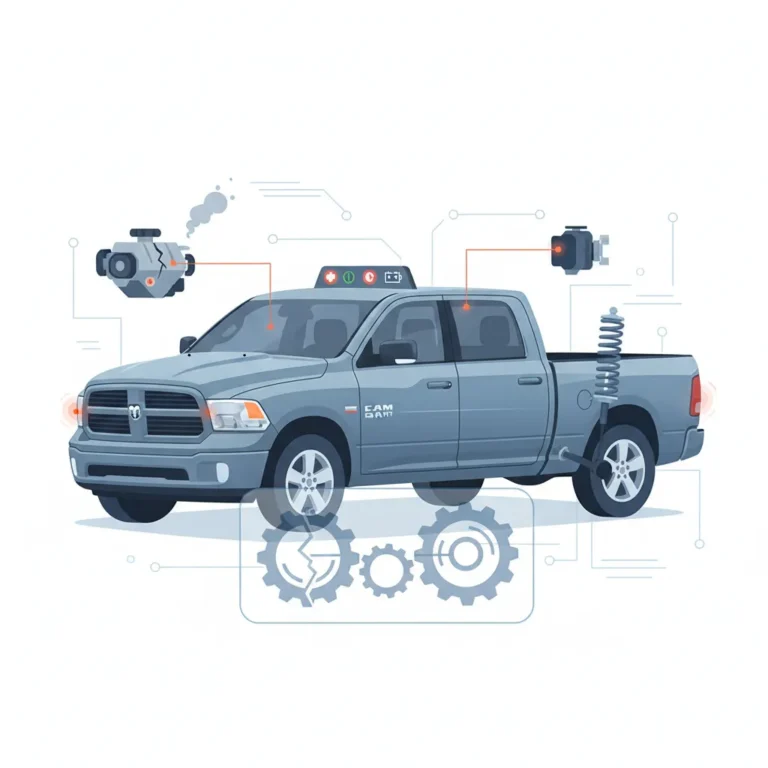
The Dodge Ram 1500 is a powerhouse of utility and comfort, representing one of the most capable full-size pickups on the market today. However, even the most rugged trucks are susceptible to specific mechanical and electrical vulnerabilities that can leave owners frustrated and facing steep repair bills. Owners often face a range of issues from the notorious ‘Hemi tick’ and TIPM failures to complex air suspension malfunctions that can lead to high repair costs if not addressed early. This guide provides a technical breakdown of the most common Dodge Ram 1500 problems, offering professional diagnostic steps and repair solutions to keep your truck on the road for the long haul.


Dodge Ram 1500 Engine Problems and Diagnosing the 5.7L Hemi Tick
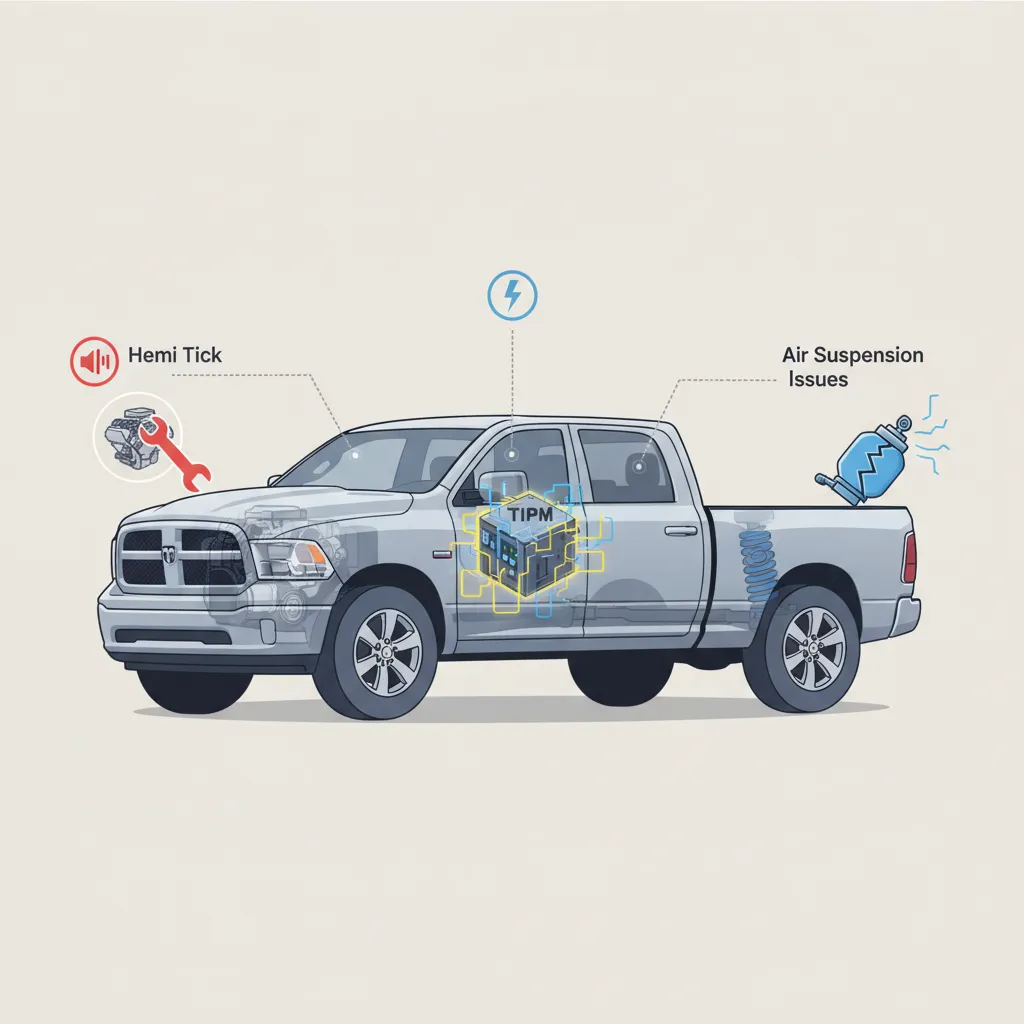
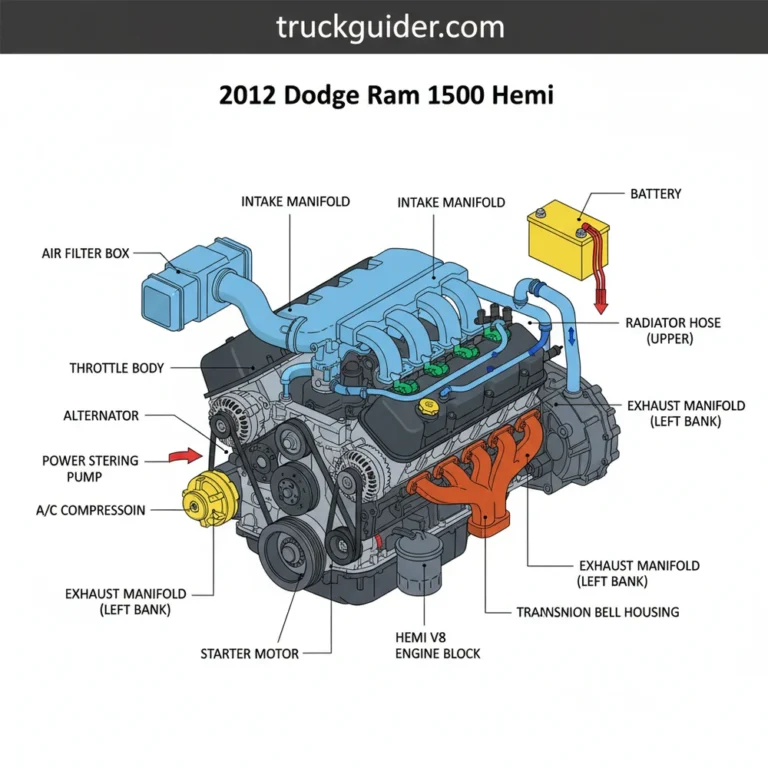
The 5.7L Hemi V8 is the crown jewel of the Ram lineup, yet it is the primary subject of the “Hemi Tick” complaint. This noise can range from a minor annoyance to a symptom of catastrophic engine failure. As an industry expert, I’ve found that the first step to troubleshoot this issue is differentiating between an exhaust-related sound and a valve train failure. The 4th generation (2009-2018) models are particularly susceptible to these sounds, and knowing the difference is critical for your wallet.
Exhaust Manifold vs. Valve Train Ticking
In many cases, the “tick” is actually an exhaust leak. The Hemi engine utilizes manifold bolts that are prone to snapping, particularly on cylinders 7 and 8 at the rear of the engine. These bolts undergo extreme heat cycles, eventually shearing off the heads. A classic diagnostic scenario: if the tick is loud when the engine is cold but disappears or significantly softens once the engine warms up (and the metal expands to seal the leak), you are likely looking at broken manifold bolts. If the noise is a persistent, metallic rhythmic tapping that increases with RPM regardless of engine temperature, the cause is likely the lifters and camshaft.
Lifter Failure and Lubrication Issues
Internal mechanical ticking often points to the needle bearings in the roller lifters seizing. Once a lifter stops rolling, it begins to grind down the camshaft lobe. This is often attributed to inadequate lubrication at idle speeds, a common occurrence for trucks that spend a lot of time idling on job sites. Furthermore, issues with the Multi-Displacement System (MDS) solenoids can sometimes mimic these noises or lead to erratic oil consumption. To resolve these issues, owners should prioritize using high-quality synthetic oil and filters, which can improve flow to the top end of the engine.
When repairing broken manifold bolts, do not replace them with the factory Grade 5 hardware. Upgrading to Grade 8 stainless steel bolts or aftermarket headers can permanently fix the warping and snapping cycle common in 4th Gen Rams.

Electrical System Faults and Totally Integrated Power Module (TIPM) Failures
The electrical architecture of the Ram 1500 is governed by the Totally Integrated Power Module (TIPM). Think of this as the truck’s “brain” and fuse box combined into one. When this module begins to fail, the truck may exhibit symptoms that seem completely unrelated, leading to what many enthusiasts call the “haunted truck” syndrome. This is a notorious repair item for the 2011 model year, which research from CarComplaints.com highlights as having the most reported problems of any Ram 1500.
Identifying TIPM Failure Symptoms
- The fuel pump staying on after the engine is turned off, draining the battery.
- Windshield wipers or horn activating spontaneously while parked.
- Engine stalling while driving due to the fuel pump relay losing power.
- Power windows or locks failing to operate despite fuses being intact.
For 5th generation (2019+) owners, electrical woes have shifted toward the Uconnect infotainment system. Reported issues include the screen freezing, crashing, or losing Bluetooth connectivity. While these aren’t as mechanically debilitating as a TIPM failure, they can severely impact the daily driving experience. Checking the official guide for software updates is the first step in resolving Uconnect glitches.


📋
Step-by-Step Electrical Troubleshooting
A weak battery or corroded grounding strap can trigger phantom TIPM codes. Ensure the battery is holding a full charge and the terminals are clean.
Disconnect both battery cables and touch them together (away from the battery) for 30 seconds. This can clear temporary logic errors in the module.
Drivetrain and Transmission Challenges in the Ram 1500
The transition to the ZF-sourced 8-speed automatic transmission was largely a positive move for the Ram 1500, offering better fuel economy and smoother shifts than its predecessors. However, it is not without its flaws. Common complaints include hard shifts (especially between 1st and 2nd gear) and “gear hunting” during highway towing. Many owners also report a distinct “clunk” when coming to a stop or accelerating from a standstill, which can often be traced back to the driveshaft slip yoke needing lubrication or a software update for the transmission control module (TCM).
The “Sealed for Life” Myth
Manufacturers often claim these transmissions are “sealed for life,” but as a professional workaround for longevity, I recommend proactive fluid exchanges every 60,000 miles. Heat is the primary enemy of transmission fluid, and if you use your Ram for heavy towing or off-road adventures, that fluid will degrade long before the truck reaches its end-of-life. Furthermore, wheel bearings are a common wear item on these trucks; premature failure is frequent in environments with heavy salt usage or extreme off-road duty.
By The Numbers
Avg Annual Repair Cost
Worst Model Year Reported
Common Trans Complaint
Air Suspension Malfunctions and Chassis Corrosion Solutions
The optional air suspension on the Ram 1500 provides an unrivaled ride quality, but it has become a significant headache for owners in cold climates. The system is a “closed-loop” nitrogen setup designed to prevent moisture ingress, but in the real world, moisture does find its way in. When temperatures drop below freezing, this moisture freezes in the lines or valves, causing the truck to sag or fail to lift. The “Entry/Exit mode” failure is a common symptom where the truck remains stuck at its lowest setting, resulting in a jarring, bump-stop-only ride.
Corrosion and Body Integrity
Beyond the suspension, the chassis itself faces environmental threats. In the “Rust Belt,” older Ram models are notorious for corrosion on rocker panels, wheel arches, and cab corners. This isn’t just cosmetic; significant rust can affect the structural integrity of the bed mounts and frame rails. Utilizing an expert tips forum can help you find local shops specializing in undercoating or frame preservation. For the air suspension, some owners have found success installing aftermarket moisture traps or performing a complete nitrogen purge and refill to debug cold-weather errors.
✅ Pros of Air Suspension
- Exceptional ride comfort and leveling while towing.
- Variable ride height for better aerodynamics and ground clearance.
- Automatic load leveling prevents rear-end sag.
❌ Cons of Air Suspension
- Extremely expensive to repair once components fail.
- Prone to freezing and sagging in sub-zero temperatures.
- Compressor failure is common after 100k miles.
Safety Recalls and Proactive Maintenance Framework
To ensure the safety and longevity of your Ram 1500, you must stay current on manufacturer recalls. The NHTSA (National Highway Traffic Safety Administration) database is an invaluable tool for this. For example, a major recall involved the tailgate latch, where the tailgate could unexpectedly drop open while driving, potentially spilling cargo onto the highway. Another critical area of concern involves active grille shutters, which can become stuck, potentially leading to engine overheating if they fail in the closed position.


The Expert Maintenance Checklist
Following the factory maintenance schedule is the bare minimum. To truly protect your investment, consider these expert recommendations:
- Oil Analysis: Send your oil to a lab (like Blackstone) to detect early signs of copper or iron, which indicate bearing or camshaft wear.
- Cooling System: Flush the coolant every 5 years/100,000 miles using only OAT (Organic Additive Technology) coolant as specified by Mopar to avoid sensor fouling.
- Differential Service: If you tow, change the rear differential fluid every 30,000 miles and inspect the pinion seal for leaks.
Never ignore a “Service Air Suspension” warning light. If the compressor continues to run while there is a leak in the system, it will burn itself out, turning a simple air line repair into a multi-thousand dollar compressor replacement.
Before purchasing a used Ram 1500, always perform a thorough pre-purchase inspection. Use an OBD-II scanner to look for “pending” codes that may not have triggered a Check Engine Light yet. You can find more details on Ram specs through official channels to ensure the truck you are looking at has the towing and payload capacity your needs require. Understanding these common problems doesn’t mean the Ram 1500 is a bad truck—far from it. It simply means that, like any high-performance tool, it requires specific knowledge and care to operate at its peak for hundreds of thousands of miles.
In summary, most engine noises in the Ram 1500 are attributable to either exhaust manifold bolts or valve train wear, each requiring a different repair path. Electrical issues often center around the TIPM or Uconnect system and require systematic testing starting with the battery. Furthermore, suspension and transmission longevity depend heavily on proactive maintenance and addressing symptoms before they lead to cascading failures. Before attempting major repairs, scan your truck with an OBD-II diagnostic tool and check the NHTSA database for any outstanding safety recalls to ensure your vehicle remains both reliable and safe.
Frequently Asked Questions
What is the ‘Hemi tick’ and is it serious?
The Hemi tick is a rhythmic tapping noise common in the 5.7L engine. It is often caused by broken exhaust manifold bolts, which is a minor leak, or more seriously, by a failed lifter roller. If it’s a lifter, it can damage the camshaft and lead to engine failure, so immediate diagnosis is critical to prevent a total engine rebuild.
How do I diagnose and fix air suspension problems on my Ram 1500?
Start by checking the fuse and relay for the compressor. If the truck sags in cold weather, it likely has moisture in the lines. Use a soap-and-water solution to spray the air bags and fittings to check for leaks. Fixing it typically involves replacing the compressor, air bags, or converting the system to traditional coil springs for better reliability.


What are the symptoms of a failing TIPM?
A failing Totally Integrated Power Module (TIPM) acts as a ‘haunted’ electrical hub. Symptoms include the fuel pump running after the engine is off (draining the battery), the engine stalling while driving, power windows failing, or the horn and wipers activating randomly. Most owners resolve this with a TIPM bypass cable or a complete module replacement.
How often should I change the oil on my Ram 1500 Hemi engine?
While the manufacturer suggests longer intervals, experts recommend changing the oil every 5,000 to 7,000 miles using high-quality full synthetic oil and an OEM filter. This frequent maintenance helps ensure the lifters stay lubricated, potentially delaying or preventing the onset of the Hemi tick caused by oil starvation or varnish buildup.
What are the most common problems with the Uconnect system in newer Ram 1500s?
The 5th generation (2019+) Ram 1500s often experience Uconnect ‘ghost touching,’ where the screen acts as if it is being pressed, as well as total screen blackouts, freezing, and Bluetooth pairing failures. Many of these issues are resolved through over-the-air (OTA) software updates, but persistent hardware failures may require a full head-unit replacement under warranty.
![2015 RAM 1500 AC Recharge Port Location & Identification [2026]](https://truckguider.com/wp-content/uploads/2026/03/2015-ram-1500-ac-recharge-port-featured.webp)