1999 Dodge Ram 1500 Camshaft Position Sensor Location And Replacement Guide

For owners of the 1999 Dodge Ram 1500, maintaining the precise synchronization of the Magnum V8 engine is the difference between a reliable workhorse and a truck that leaves you stranded. Locating and diagnosing a faulty camshaft position sensor (CMP) can be frustrating due to its tucked-away position behind the intake manifold, often leading to misdiagnosis and unnecessary repair costs. This guide provides a definitive walkthrough for finding the sensor location, identifying failure symptoms, and executing a professional-grade replacement to get your truck back on the road. Whether you are performing a repair in your driveway or seeking a trusted local technician, understanding this critical component is essential for long-term engine health.


Identifying the 1999 Dodge Ram 1500 Camshaft Position Sensor Location
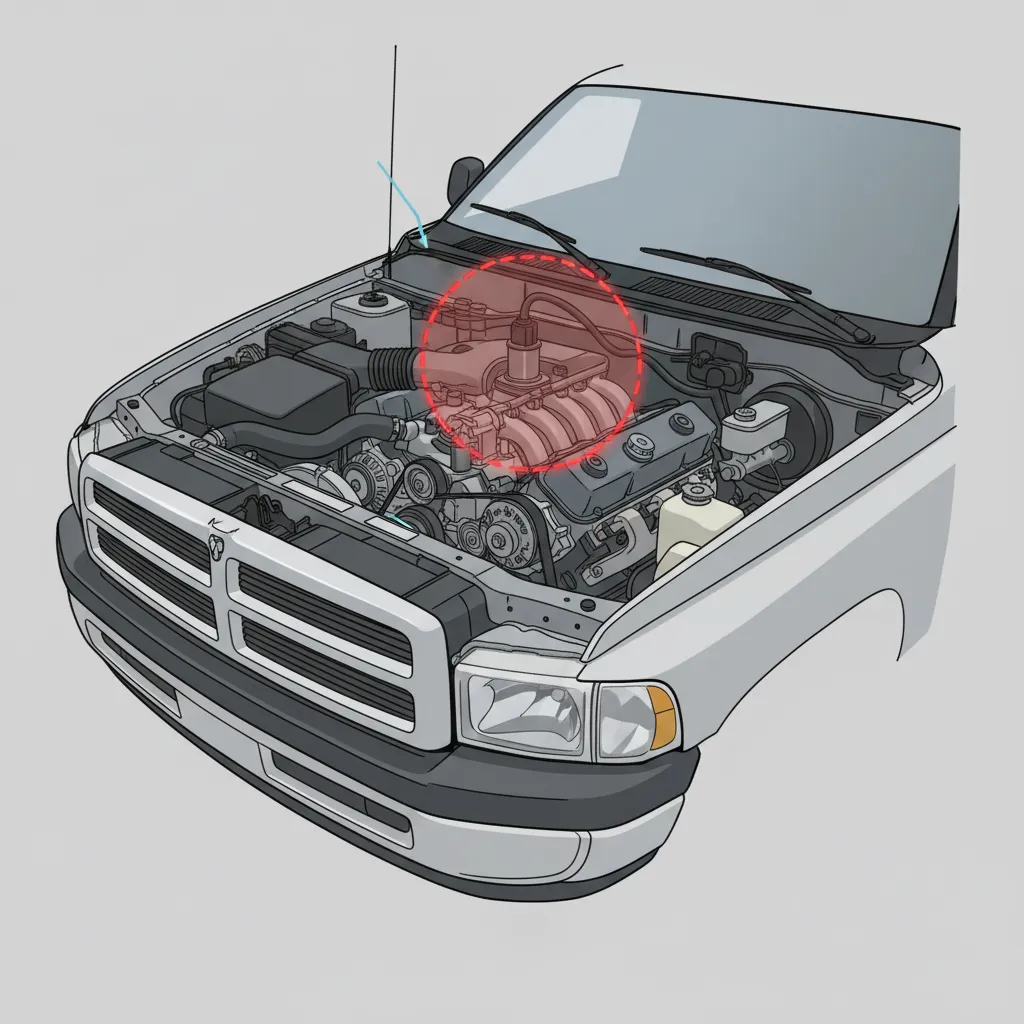
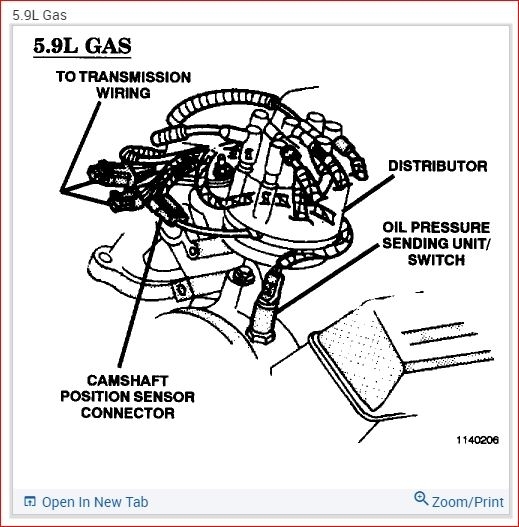
Locating the Camshaft Position Sensor (CMP) on the 1999 Dodge Ram 1500 requires a bit of “blind reach” engineering. Unlike many modern vehicles where the CMP is bolted directly to the timing cover or the cylinder head, the second-generation Ram trucks equipped with the 5.2L (318) or 5.9L (360) Magnum V8 engines hide this sensor within the distributor. Specifically, it is situated at the very rear of the engine block, tucked partially under the firewall cowl. This Ram specs location makes it one of the more challenging sensors to access without removing the air cleaner assembly.
Visual Identification Markers
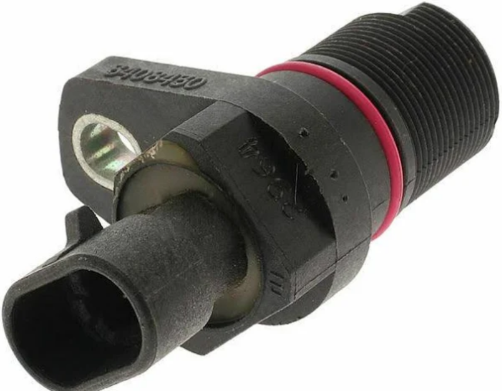
The sensor itself does not look like a traditional probe-style sensor. Instead, it is a flat, circular plastic plate, often referred to by old-school mechanics as the “pickup coil” or “stator.” This plate sits directly beneath the distributor rotor. When you remove the distributor cap, you will see a plastic disc with a three-wire pigtail harness exiting the side of the distributor housing. This harness typically connects to the main engine wiring loom near the passenger side valve cover, often secured by a small plastic clip.
The 5.2L and 5.9L engines share an almost identical architecture in this regard. However, the workspace clearance is notably tight. Due to the deep set of the engine under the truck’s cowl, many technicians find it necessary to use a telescoping mirror and a work light to clearly see the two screws securing the distributor cap. The CMP sensor is a Hall-effect switch, meaning it toggles between 0 and 5 volts as the distributor shaft rotates, sending a square-wave signal to the Engine Control Module (ECM) to synchronize fuel injection pulses.
Before attempting to reach behind the engine, remove the entire air cleaner housing and the S-shaped PCV breather hose. This opens up a significant “window” of visibility that makes reaching the rear distributor bolts much more accessible.
Common Symptoms and Diagnostic Trouble Codes
A malfunctioning CMP sensor can be elusive because its symptoms often mimic other ignition or fuel delivery problems. Because the CMP is responsible for fuel injection synchronization, a failure often results in the ECM losing track of which cylinder is on its intake stroke. This leads to erratic engine performance that ranges from a minor annoyance to a total breakdown.
Primary Performance Indicators
One of the most common signs of a failing sensor on a 1999 Dodge Ram is intermittent stalling. This frequently occurs once the engine reaches full operating temperature, as heat can cause internal micro-fractures in the sensor’s electronics to expand and break the circuit. Additionally, drivers may experience “extended cranking,” where the starter turns the engine for 5 to 10 seconds before it finally stumbles to life. This happens because the ECM is struggling to find the “sync” signal to begin firing the injectors.
Drivability issues like sudden “bucking” or surging at cruising speeds are also prevalent. Research indicates that a significant percentage of engine misfire problems in Dodge trucks over 150,000 miles are related to faulty ignition system components, including the camshaft position sensor. If the sensor signal is lost entirely while driving, the truck will die instantly as if the key were turned off.
The most definitive diagnostic indicator is the P0340 Diagnostic Trouble Code (DTC), which translates to “Camshaft Position Sensor Circuit Malfunction.” If you see this code alongside a Check Engine Light, the sensor or its wiring is the primary suspect.


Step-by-Step Instructions for Replacing the Camshaft Position Sensor
Replacing the CMP on a 1999 Ram 1500 is a manageable DIY task for most truck owners. No specialized heavy machinery is required, though patience and a steady hand are essential to avoid dropping hardware into the “abyss” behind the engine block.
📋
Step-by-Step Guide
Ensure the engine is cool. Disconnect the negative battery terminal. This is a critical step to reset the ECM and prevent short circuits during the electrical connector swap.
Remove the air cleaner assembly. Locate the distributor cap at the rear of the intake manifold. Using a 7mm socket or a Phillip’s head screwdriver, remove the two screws securing the cap. Move the cap (with wires attached) to the side.
Pull the distributor rotor straight up and off. You will now see the CMP sensor plate. Disconnect the electrical pigtail, then lift the old sensor plate out of the distributor housing.


Place the new sensor plate into the distributor, ensuring the wire grommet seats perfectly in the housing notch. Reinstall the rotor, cap, and air cleaner. Reconnect the battery and perform a test start.
A common pitfall for novices is dropping the small distributor cap screws. Because of the engine’s slant, these screws often fall onto the transmission bellhousing, making them extremely difficult to retrieve. DIY replacement typically takes 45 to 90 minutes depending on the level of corrosion on the mounting hardware. For the best results, always use expert tips and select high-quality replacement parts from reputable brands.
Cost Analysis and Local Service Options
When deciding whether to tackle this repair yourself or hire a professional, it is helpful to look at the “By the Numbers” data. The 1999 Dodge Ram is a platform that is well-loved by independent shops serving the community because of its straightforward mechanical nature.
By The Numbers
Average Total Repair Cost
Minutes for DIY Install
Average Part Price
Sourcing quality components is relatively convenient as both OEM Mopar and high-grade aftermarket sensors are widely available. However, choosing a local independent shop offers the benefit of professional diagnostics. After a CMP replacement, it is sometimes beneficial to have a technician perform a “Fuel Sync” test using a high-end scan tool. This ensures the distributor is clocked perfectly, optimizing fuel economy and power delivery. While the sensor replacement itself is simple, ensuring the timing is within the ±2 degree factory spec is where a trusted local expert provides the most value.
Comparing the Camshaft Position Sensor (CMP) vs. Crankshaft Position Sensor (CKP)
One of the most frequent mistakes made by 1999 Dodge Ram owners is replacing the wrong sensor. The CMP and the Crankshaft Position Sensor (CKP) perform similar duties but are located in entirely different areas and have different failure modes.
While both sensors can cause stalling, a failed CKP usually results in a complete “no spark” condition where the truck will not fire at all. Conversely, a failing CMP often allows the engine to run, albeit poorly, because the ECM can “guess” the timing based on the crankshaft signal after a few failed attempts. Diagnostic data suggests that 20% of “crank-no-start” issues are misdiagnosed as fuel issues when they are actually sensor-related timing failures. A quick troubleshooting tip: If you are cranking the engine and the needle on the tachometer moves slightly, your CKP is likely sending a signal, which points the investigation toward the CMP sensor or the ignition coil.
✅ Pros of DIY Replacement
- Save $60-$100 in labor
- Inspect distributor cap condition
- Immediate repair availability
- Increased vehicle knowledge
❌ Cons of DIY Replacement
- Difficult physical access
- Risk of breaking old plastic connectors
- No “Fuel Sync” calibration tool
- Potential for misdiagnosis
The CMP sensor is located inside the distributor housing at the rear of the engine block. Common failure signs include stalling, P0340 codes, and poor fuel economy. Replacement is a manageable DIY task that can save over $100 in labor costs if performed carefully. If your truck is still exhibiting performance issues after sensor replacement, consult with a trusted technician in your community to perform an ignition sync test and ensure your engine timing is optimized.
Frequently Asked Questions
What are the symptoms of a bad camshaft position sensor on a 1999 Dodge Ram 1500?
A failing CMP sensor typically manifests as engine stalling while driving, difficulty starting when the engine is warm, and a noticeable drop in power. You may also see a ‘Check Engine’ light with code P0340. In some cases, the truck may enter a ‘limp mode,’ significantly limiting RPM to protect the engine from timing-related damage.


How do I test a camshaft position sensor on this specific truck?
To test the CMP, you need a digital multimeter set to DC volts. Back-probe the signal wire at the distributor connector while the engine is being cranked by hand. You should see the voltage pulse between 5 volts and 0 volts. If the voltage remains steady at either 5V or 0V during rotation, the Hall-effect sensor inside the plate has failed.
How much does it cost to replace a camshaft position sensor on a 1999 Dodge Ram 1500?
Professional replacement usually costs between $80 and $150. The sensor itself is available at most local parts stores for $40 to $70. If you choose to have a shop serving your community handle the labor, expect to pay for approximately one hour of service time, which typically ranges from $60 to $100 depending on regional rates.
Can I drive my truck with a bad camshaft position sensor?
It is not recommended. While the truck might start, a faulty CMP sensor causes unpredictable stalling and poor ignition timing. This can lead to unburned fuel entering the catalytic converter, causing expensive exhaust damage. Furthermore, stalling in traffic poses a significant safety risk to you and others on the road.
What is the difference between a camshaft position sensor and a crankshaft position sensor?
The camshaft position sensor (CMP) tells the computer which cylinder is on its compression stroke for fuel injection timing. The crankshaft position sensor (CKP) measures the engine’s RPM and the exact position of the pistons for spark timing. While they work together, a CKP failure usually results in a complete engine shutdown, whereas a CMP failure often causes poor running conditions.
![2015 Ram Headlight Bulb Size Guide: Specs & Fitment Guide [2026]](https://truckguider.com/wp-content/uploads/2026/03/2015-ram-headlight-bulb-featured.webp)
![2013 Ram 1500 Headlight Bulb Replacement: Complete Specs Guide [2026]](https://truckguider.com/wp-content/uploads/2026/03/2013-ram-1500-headlight-bulb-replacement-featured.webp)