Dodge Ram Radiator Drain Plug Location And Cooling System Maintenance Guide

Locating the radiator drain plug on a Dodge Ram shouldn’t feel like a scavenger hunt, but with varying configurations across generations, it often does. Many owners struggle to find the petcock due to its hidden location behind frame rails or plastic shielding, and the risk of breaking the brittle plastic component adds unnecessary stress to a routine flush. This guide provides the exact location for the Dodge Ram radiator drain plug across all major model years, along with professional tips for draining, troubleshooting, and refilling your cooling system safely.


General Dodge Ram Radiator Drain Plug Location and Identification
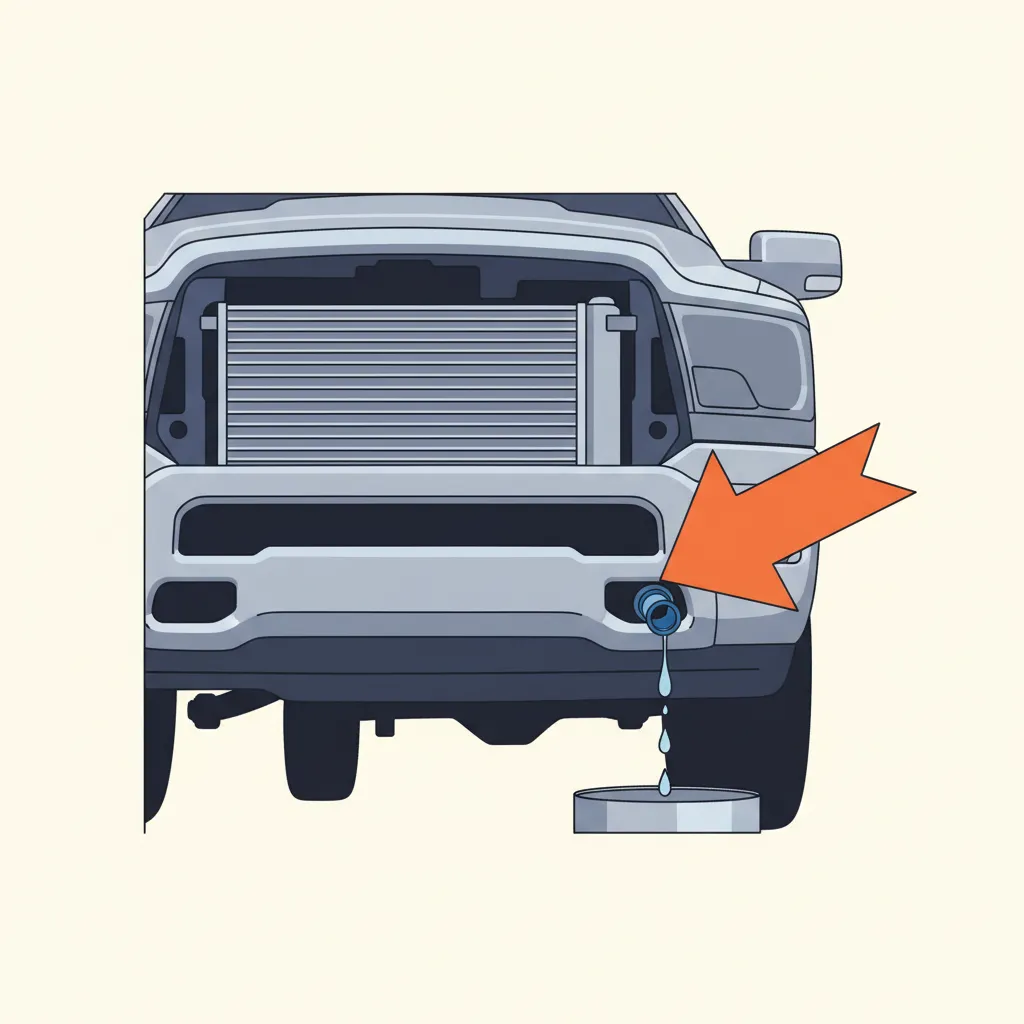
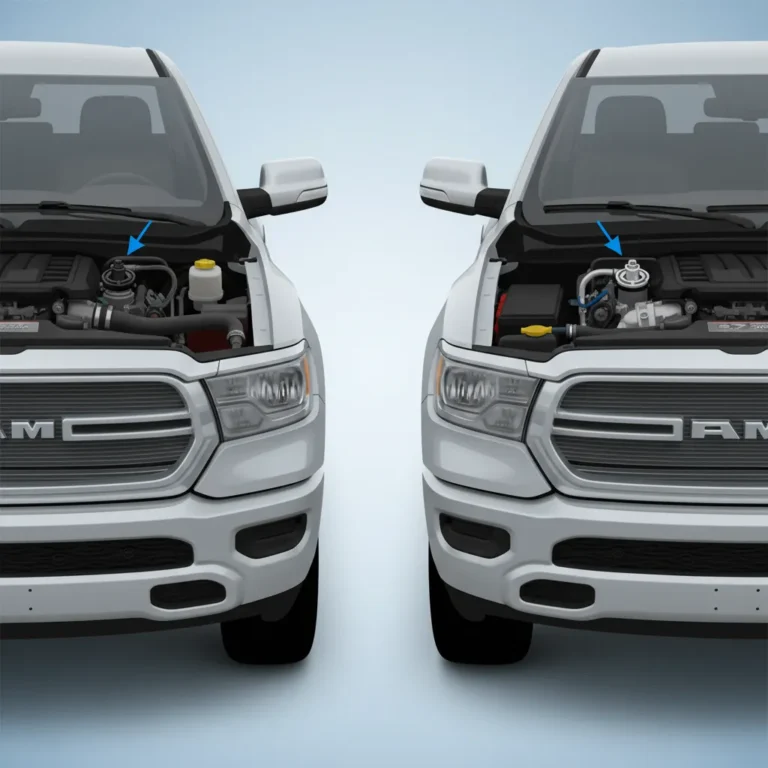
Identifying the radiator drain plug, technically known as a petcock, is the first step in any cooling system service. In the vast majority of Dodge Ram configurations, from the light-duty 1500 to the Heavy Duty variants, the drain plug is located at the lowest possible point of the radiator to ensure maximum fluid evacuation. Most commonly, you will find it tucked into the bottom corner of the radiator tank on the driver’s side.
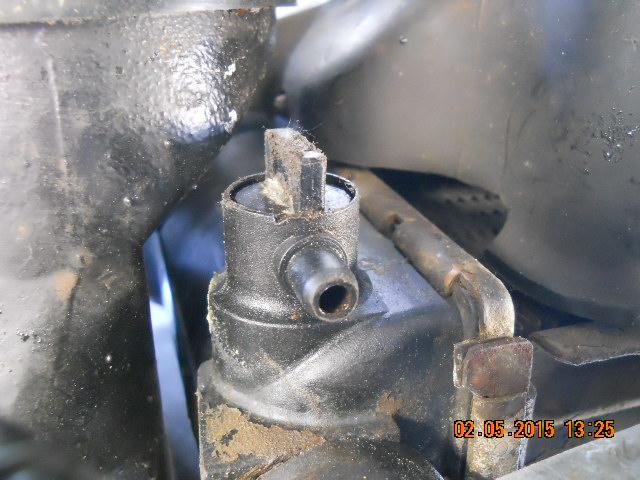
The petcock itself usually manifests as a small plastic T-handle or a hex-shaped plug. Because it is designed to facilitate the removal of approximately 2 to 3 gallons of coolant (depending on your specific engine size), its placement is strategic but often obstructed. For many owners, the location is not immediately accessible from the top of the engine bay. To gain a clear line of sight, you will likely need to crawl beneath the front bumper and potentially remove or partially peel back the plastic splash shield or skid plate that protects the lower radiator support.
One of the most critical expert tips for identification is understanding material limitations. Modern Ram radiators utilize plastic end tanks, and the petcock is almost always made of a similar polymer. Over years of extreme heat cycles, this plastic becomes incredibly brittle. When you locate the plug, you may find it is covered in road grime or tucked behind the driver-side lower frame rail, making it difficult to turn by hand. While it is designed for hand-loosening, having a 1/4-inch drive or a specialized petcock socket available is wise, provided you apply torque with extreme caution to avoid snapping the head off the plug.
If you are working on a 2014 Ram 1500 and cannot find the plug on the passenger side, don’t be surprised. It is almost always tucked on the driver’s side, often hidden just behind the intersection of the radiator support and the frame rail. Always use a flashlight to confirm the orientation before applying force.
Model-Specific Variations for Ram 1500, 2500, and 3500 Trucks
While the driver-side location is standard, the Dodge Ram lineup has evolved significantly over the last two decades, leading to nuances in how you access the cooling system. Following an official guide for your specific year is always recommended, but the following breakdown covers the most common variations encountered by the community.
Third Generation (2002-2008)
In these older models, the petcock is typically a traditional “turn and pull” style located on the driver side. However, owners of early 5.7L Hemi models have noted that the plug may require a 90-degree counter-clockwise turn followed by a firm outward pull to initiate the flow. On some of these trucks, the age of the radiator means the plug is likely seized; if it doesn’t move with moderate finger pressure, stop immediately.
Fourth Generation (2009-2018)
The DS and DJ platforms are the most common on the road today. Most 1500 models with the 5.7L Hemi or the 3.6L Pentastar V6 feature the plug on the lower driver-side tank. It is often convenient to reach through a specific cutout in the radiator support frame. Interestingly, approximately 70% of Ram owners on platforms like Ramforum.com report performing a drain and refill every 3-5 years, which is a highly recommended trusted local practice to prevent the internal corrosion that often plagues these larger cooling systems.
Fifth Generation (2019-Present) and Cummins Diesel Exceptions
Newer DT models feature extensive aerodynamic shielding. While the location remains similar, you will spend more time removing underbody panels than actually draining the fluid. For Heavy Duty 2500 and 3500 models equipped with the 6.7L Cummins Turbo Diesel, the radiator is significantly larger. In some HD configurations, the drain plug is moved to the passenger side to provide clearance for the massive intercooler piping and heavy-duty steering components. Always verify the Ram specs for your VIN to confirm the exact side before you start disassembly.
By The Numbers
Owners preferring 3-5 year flushes
Quarts in a standard Ram 1500
Potential radiator replacement cost
📋
Step-by-Step Procedure for Draining Your Ram Radiator


Never attempt to open the cooling system while the engine is hot. Pressurized coolant can reach temperatures well over 200°F and will cause immediate, severe burns. Allow the truck to sit for at least two hours until the radiator is cool to the touch.
Slowly remove the radiator pressure cap or the surge tank cap. This breaks the vacuum within the system, allowing the coolant to drain much faster and more consistently once the petcock is opened.
Position a catch pan under the drain location. Slowly turn the plastic petcock counter-clockwise. Professional tip: Attach a 3/8-inch ID vinyl hose to the drain nipple (if your model has one) to direct the fluid straight into the pan and avoid a mess on the frame.
Allow the fluid to drain until it slows to a drip. Note that the system holds 14-16 quarts, so ensure your drain pan is large enough to handle the volume in one go.
Troubleshooting a Stuck or Broken Radiator Drain Plug
It is a common headache for Dodge Ram owners: you find the plug, you apply pressure, and you hear a sickening “snap.” Because these plugs are plastic, they are prone to failure. If the T-handle breaks off or if the plug is completely seized, do not panic. There is a more reliable, albeit slightly messier, alternative: the lower radiator hose method.


By loosening the constant-tension clamp on the lower radiator hose and sliding the hose off the radiator outlet, you can drain the system in a fraction of the time it takes the petcock. This is actually the preferred method for many technicians serving the Ram community because it avoids the risk of damaging the radiator tank itself. If you must remove a broken plug, you may need a small extractor or a pair of needle-nose pliers to carefully back out the threaded portion remaining in the tank.
Before you start any job on a truck older than 10 years, ensure you have a replacement Mopar petcock nearby. They are inexpensive parts, but a broken one will sideline your vehicle until a replacement is found. Remember that according to expert tips, the average cost to replace a full radiator on a Ram 1500 is between $747 and $1008. Taking care of a $10 plastic plug or opting for the hose method can save you nearly a thousand dollars in avoidable repairs.
If you snap the drain plug housing on the radiator itself, the entire radiator must be replaced. Do not attempt to “superglue” or epoxy a leaking petcock housing, as the cooling system operates under high pressure and will eventually fail, potentially leading to engine overheating.
Refilling and Bleeding the Ram Cooling System
Once the system is drained and the plug (or hose) is secured, the refilling process begins. This is where many DIYers make mistakes that lead to “localized hot spots” and potential head gasket failure. First, verify your coolant specification. Most Rams from 2013 onwards require OAT (Organic Additive Technology) coolant, which is typically purple. Older models used HOAT (Hybrid Organic Additive Technology), which is usually orange. Mixing these can cause the fluid to gel, clogging your heater core and radiator.
Proper Bleeding
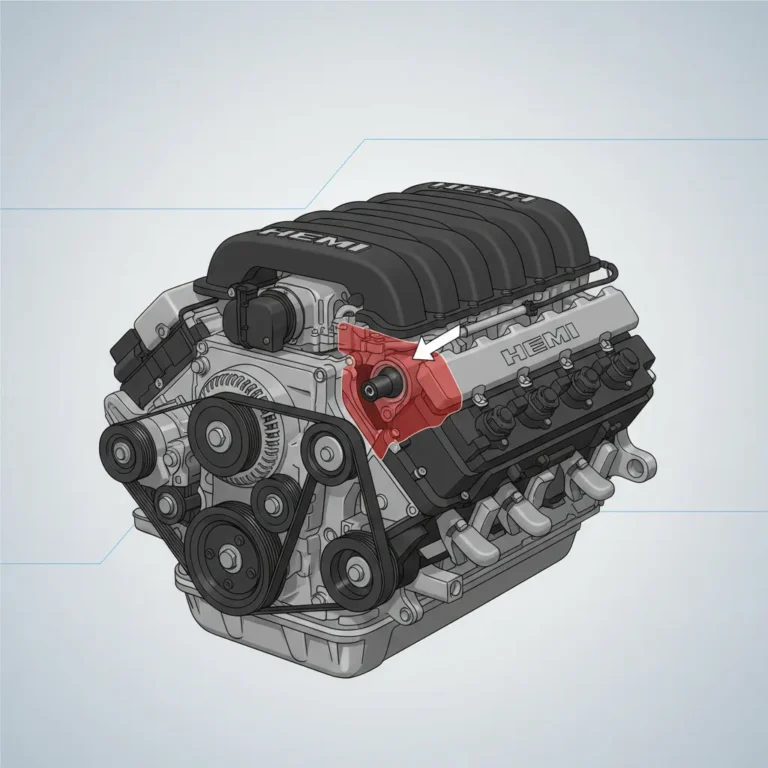
Use the bleeder screw near the thermostat housing on Hemi engines to release trapped air as you fill.
Heat Cycling
Run the engine with the cap off until the thermostat opens, then top off the fluid as air bubbles escape.
To ensure the system is free of air pockets, fill the radiator slowly with a 50/50 mix of concentrated coolant and distilled water. If your Ram has a bleeder screw (standard on most Hemi engines), keep it open until a steady stream of coolant emerges. Start the truck, turn the heater to its maximum setting, and let it reach operating temperature. This heat cycling is vital for ensuring the thermostat opens and all air is purged. Running an engine with trapped air can lead to repairs costing upwards of $2,000, so take your time during this final stage.
Finally, perform a visual inspection of the drain plug area while the engine is running and the system is under pressure. This ensures that the O-ring is seated correctly and there are no slow leaks that could lead to low coolant levels while you are on the road. A clean installation is the hallmark of a successful DIY maintenance job.
The radiator drain plug is typically found on the lower driver-side corner of the radiator, though Heavy Duty models may differ. Plastic petcocks are fragile; using the lower radiator hose is a viable and often safer alternative for older trucks. Regular maintenance every 30,000 to 50,000 miles is essential for avoiding the high costs of radiator replacement. Before you begin your coolant flush, ensure you have the correct Mopar-spec fluid and a replacement petcock available nearby in case of breakage. If you encounter resistance, consult a local technician serving your community to avoid costly radiator damage.


Frequently Asked Questions
Where is the radiator drain plug located on my Dodge Ram?
On most Dodge Ram 1500 models, the radiator drain plug (petcock) is located at the bottom of the radiator on the driver’s side. You may need to remove the plastic splash guard or look through a small access hole in the lower radiator support. On some 2500 and 3500 diesel models, it may be located on the passenger side due to engine bay packaging.
What size is the radiator drain plug on a Dodge Ram?
Dodge Ram radiators typically use a plastic petcock that features a wing-nut style handle for hand-loosening or a 19mm (3/4-inch) hex head. However, because these are plastic, using a wrench is discouraged unless the plug is seized. If it requires a tool, a specialized petcock socket or a 1/4-inch drive ratchet head inserted into the plug’s center (on some models) is often used.
How do I drain the coolant if the drain plug is stuck?
If the radiator drain plug is seized or the plastic handle feels like it might snap, do not force it. Instead, position a large drain pan under the lower radiator hose. Loosen the hose clamp and gently pry the hose away from the radiator outlet. This allows for a much faster drain and eliminates the risk of breaking the petcock and needing a radiator repair.
What type of coolant does my Dodge Ram take?
The coolant type depends on your Ram’s model year. Generally, Rams built between 2002 and 2012 require HOAT (Hybrid Organic Additive Technology) coolant, which is usually orange. Models from 2013 and newer typically use OAT (Organic Additive Technology) coolant, which is purple. Never mix these two types, as it can lead to gelling and restricted flow within the cooling system.
How often should I change the coolant in my Dodge Ram?
According to manufacturer guidelines and community consensus from experienced Ram owners, you should perform a coolant flush every 100,000 miles or 10 years for newer OAT systems. However, for preventative maintenance and to protect against internal corrosion, many experts recommend a refresh every 3 to 5 years or 50,000 miles, especially if the truck is used for heavy towing or commercial work.
![2014 Ram 3500 Transmission Guide: Full Specs & Data [2026]](https://truckguider.com/wp-content/uploads/2026/03/2014-ram-3500-transmission-featured.webp)