Fix Dodge P0300: Common Causes & Diagnostic Tips

The P0300 code on a Dodge indicates a random or multiple cylinder misfire that can lead to poor engine performance and costly catalytic converter damage. Common triggers in Ram, Charger, and Challenger models include worn spark plugs, failing ignition coils, and vacuum leaks, though mechanical issues like Hemi cam lobe wear should also be considered.
🎯 Key Takeaways
- Check spark plugs and ignition coils first on Hemi engines.
- Use a scanner to monitor live misfire data per cylinder.
- Listen for a ‘Hemi tick’ indicating potential lifter or cam failure.
- Inspect the intake manifold and vacuum lines for air leaks.
- Address a flashing Check Engine Light immediately to save the catalyst.
If your Dodge is shuddering at stoplights or losing power under acceleration, seeing a P0300 Random or Multiple Cylinder Misfire code is common but frustrating. Unlike cylinder-specific codes (like P0301), a P0300 means the Powertrain Control Module (PCM) detects misfires across multiple cylinders or cannot pinpoint one single culprit. For Dodge owners, especially those driving a Ram, Charger, or Challenger, this often stems from worn-out ignition components or air-fuel imbalances caused by vacuum leaks in the plastic intake manifolds.
Fixing this code quickly is essential because unburnt fuel entering your exhaust can melt your catalytic converters within just a few miles of driving. By focusing on Dodge-specific weak points like the 16-plug ignition system or the aging PCV hoses, you can narrow down the culprit without spending thousands of dollars at a dealership on “parts-cannon” diagnostics.
Understanding the P0300 Code in Dodge Performance Engines
The P0300 code is a “general” misfire code that indicates the engine’s crankshaft speed is fluctuating. In a high-performance Dodge engine, the PCM monitors the Crankshaft Position Sensor (CKP) to ensure every combustion event pushes the piston down at the same rate. If the speed varies by more than 2% to 10%, the computer triggers the check engine light. Because many Dodges use high-output ignition systems, a small drop in voltage or a slight air leak can cause “ghost” misfires that jump from cylinder to cylinder.
The Multi-Cylinder Dilemma
In many Dodge trucks and sedans, a P0300 occurs because the shared components—like the fuel rail pressure or the main intake plenum—are compromised. If you have a 5.7L Hemi, you are dealing with two spark plugs per cylinder. If the primary plugs are worn, the secondary ones may struggle to compensate, leading to the erratic firing patterns that define the P0300 code. Understanding that this is a system-wide issue rather than a single component failure is the first step toward a successful repair. You aren’t looking for one bad part; you are looking for a common denominator affecting the entire engine block.
Common Dodge-Specific Culprits: From Hemi Coils to Pentastar Heads
Dodge engines have unique architectural quirks that make them prone to P0300 codes. Identifying whether you have a Hemi V8 or a Pentastar V6 will drastically change where you look for the problem. Most issues are related to the high heat cycles these engines endure, which degrade plastics and electrical insulation over time.
Ignition System Wear: The Hemi 16-Plug Setup
- Worn Copper Spark Plugs: Many 5.7L Hemis (pre-2014) came from the factory with nickel/copper plugs that require replacement every 30,000 miles. If you exceed this interval, the gap grows too wide, overtaxing the coils and causing random misfires across all cylinders.
- Coil Pack Heat Soak: Dodge coil packs are tucked tightly against the engine block under decorative covers. Excessive heat can cause the internal windings to break down. This results in weak sparks that don’t always fail completely, but frequently stumble under heavy load or during cold starts.
- Carbon Tracking: When you pull your plugs, inspect the ceramic portion for thin, “lightning-bolt” black lines. This indicates the spark is leaking down the side of the plug rather than jumping the gap, a frequent issue in Dodge engines driven in humid or salty environments.
Vacuum Leaks and the Pentastar Tick
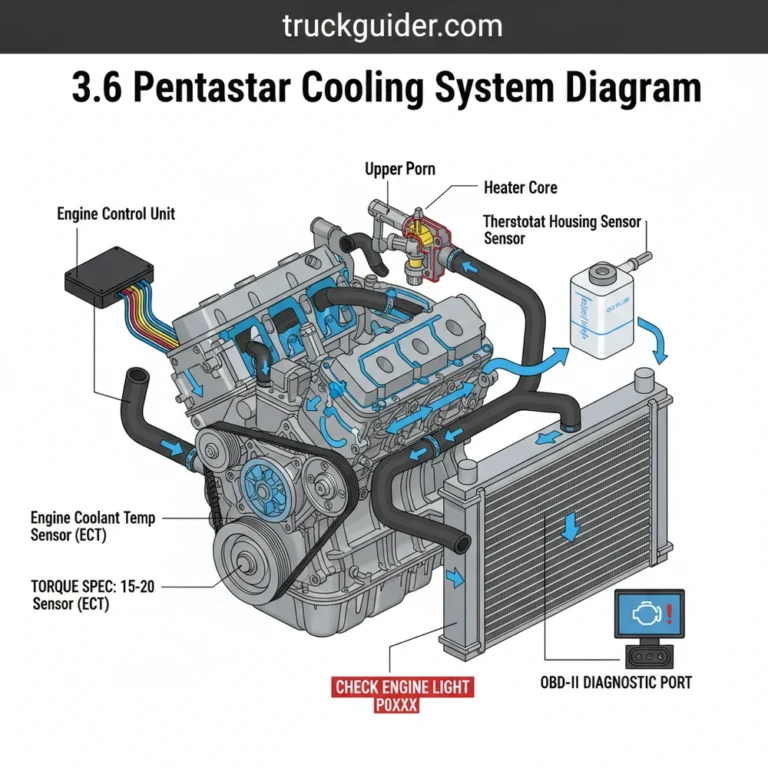
On the 3.6L Pentastar V6 found in the Grand Caravan, Durango, and Charger, the upper intake plenum gaskets are a notorious failure point. These rubber seals flatten over time, allowing unmetered “false” air to enter the cylinders. This leans out the air-fuel mixture, causing the engine to “hunt” for a steady idle and throwing a P0300. If the misfire is worse at idle but disappears at highway speeds, a vacuum leak is your most likely suspect.
Additionally, listen for a rhythmic ticking sound from the top of the engine. Early Pentastar models (2011–2013) suffered from left-bank cylinder head issues where failing rocker arms caused valves to stay shut or open improperly. This mechanical failure can confuse the PCM into throwing a random misfire code because the airflow into the engine is no longer balanced across the banks.
Fuel Delivery and PCV Failures
A failing PCV (Positive Crankcase Ventilation) valve on a Dodge can mimic a misfire by dumping too much oil vapor or air into the intake at the wrong time. On the Hemi, the PCV valve is located on top of the intake manifold; if it sticks open, you will get a lean condition and a P0300. Furthermore, Dodge fuel pumps are known for “soft failures” where they provide enough pressure to idle but starve the injectors during wide-open throttle, triggering multiple cylinder misfires simultaneously under load.
Interpreting Symptoms: Rough Idle, Stumbling, and Flashing CELs
When your Dodge triggers a P0300 code, the truck or car usually tells you exactly how it’s feeling through distinct physical cues. Unlike a minor sensor error that might go unnoticed, a random misfire usually results in a visceral driving experience. You might notice the steering wheel vibrating at a red light or a rhythmic “thumping” coming from the exhaust pipe. These are clear indicators that the combustion cycle is being interrupted across multiple cylinders.
The Danger of the Flashing Check Engine Light
In many Dodge vehicles, like the Ram 1500 or the Charger, the Check Engine Light (CEL) can behave in two ways. A steady light means the computer has detected a persistent fault, but a flashing light is a critical warning. This typically indicates a “catalyst-damaging” misfire. In this state, unburned fuel is being dumped into the exhaust system, where it can ignite inside the catalytic converter, potentially melting the internal components within minutes.
- Hesitation under load: You may feel the engine “stumble” or lose power specifically when merging onto a highway or climbing a hill.
- Erratic RPMs: Watch your tachometer while idling; if the needle bounces or drops significantly, the PCM is struggling to maintain a steady combustion rate.
- Strong fuel odor: Because the cylinders aren’t burning the fuel properly, you might smell raw gasoline coming from the rear of the vehicle.
Real-World Performance Drops
Dodge owners often report a “bogging down” sensation during low-speed acceleration. For example, if you are driving a Durango and feel the engine “choke” before finally picking up speed, the P0300 code is likely recording those split-second gaps in power. These symptoms are often more pronounced in cold weather or during high-humidity mornings when electrical components or vacuum seals are under the most stress.
Assessing Severity: Fuel Pressure, Sensor Failures, and Mechanical Wear
While spark plugs are the most common culprit, the P0300 code is “random” for a reason—it often points to a system-wide issue rather than a single failed part. To narrow down the severity, you have to look at the three pillars of engine health: air, fuel, and mechanical integrity. If the misfire jumps from cylinder to cylinder, the root cause is likely something that affects the entire engine block.
Fuel System and Sensor Inconsistencies
If your Dodge engine isn’t getting enough fuel, it will lean out and misfire. A failing fuel pump or a clogged fuel filter can drop the pressure in the fuel rail, leaving all cylinders “starving” for gas. Additionally, “lazy” sensors—specifically the Crankshaft Position Sensor (CKP) or the Camshaft Position Sensor (CMP)—can provide the computer with slightly incorrect timing data. This creates a synchronization error that the PCM interprets as a multiple-cylinder misfire.
- Vacuum Leaks: A cracked intake manifold gasket or a loose vacuum hose allows “unmetered” air into the engine, throwing off the air-fuel ratio for all cylinders.
- Grounding Issues: Dodge electrical systems are sensitive; a loose ground wire can cause intermittent electrical interference, leading to “phantom” misfires.
- Worn Oxygen Sensors: If an O2 sensor is reading too rich or too lean, the PCM will over-correct the fuel trim, causing the engine to stumble.
When the Issue is Mechanical
In higher-mileage Dodge engines, specifically the 5.7L Hemi, the P0300 code can sometimes mask deeper mechanical wear. Worn camshaft lobes or failing lifters are known issues that can cause the valves to open improperly. If the valves aren’t sealing or opening at the right time, the cylinder will misfire regardless of how new your spark plugs are. Checking for “mechanical health” is essential if the code persists after replacing the usual ignition components.
Conclusion
The P0300 code in a Dodge can be a frustrating puzzle, but it is rarely a mystery that can’t be solved with a bit of patience. By paying close attention to whether your Check Engine Light is flashing and observing how the vehicle behaves under load, you can narrow down the search from “everything” to a few likely culprits. Whether it’s a simple vacuum leak, a thirsty fuel pump, or a set of worn-out plugs, addressing the issue early is the best way to protect your engine and your catalytic converters.
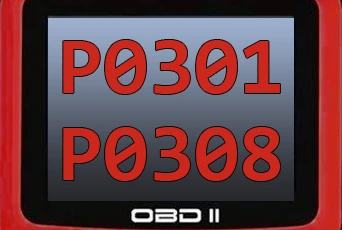
Your Next Steps: Start by using an OBD-II scanner to see if any other codes (like P0301 through P0308) are present, as these can help you pinpoint a specific cylinder. If the P0300 stands alone, begin your inspection with the most accessible components like the air intake and spark plug wires. Don’t let a small stumble turn into a major repair—get under the hood and get your Dodge back to its peak performance today!
💬 Quick Questions & Answers
What does P0300 mean on a Dodge?
It signifies that the PCM detects a random or multiple cylinder misfire not restricted to just one specific cylinder.
Can bad gas cause a P0300 code?
Yes, low-quality fuel or moisture in the tank can lead to random misfires across all cylinders in Dodge engines.
Is it safe to drive with a P0300?
Driving is not recommended, especially if the light is flashing, as it can cause permanent damage to your catalytic converter.
Why is my Hemi misfiring at idle?
Common causes include carbon buildup on the throttle body or worn-out copper spark plugs which are common in older Hemis.
Does a faulty TIPM cause misfires?
A failing Totally Integrated Power Module (TIPM) can disrupt fuel pump voltage, leading to random lean misfires and P0300 codes.
❓ Frequently Asked Questions
What are the most common causes of P0300 on a Dodge Ram?
In Ram trucks, the most frequent causes are worn spark plugs (especially if past 30,000 miles on older Hemi models) and failing ignition coil packs. Vacuum leaks at the intake manifold or a dirty throttle body also frequently trigger this code.
How do I tell if my P0300 is an ignition or fuel problem?
Use an OBD-II scanner to view live misfire counts; if misfires happen under load, it is often ignition-related. If they happen at idle and clear up at higher RPMs, look for vacuum leaks or fuel delivery issues.
What is the relationship between the ‘Hemi Tick’ and P0300?
The ‘Hemi tick’ often signifies a seized lifter that has begun grinding down a camshaft lobe. This mechanical failure prevents valves from opening fully, eventually triggering a persistent P0300 or cylinder-specific misfire code.
Can a failing crankshaft position sensor cause this code?
Yes, a failing crank or cam sensor can provide erratic timing data to the PCM, causing random misfires. Dodge vehicles often show significant improvement after replacing these with high-quality OEM sensors.
Why do Pentastar engines frequently see this code?
Earlier 3.6L Pentastar engines were known for left-side cylinder head issues involving valve seat wear. This leads to poor compression and random misfires that are often most noticeable during cold starts.
How much does it cost to fix a P0300 on a Dodge?
Costs vary wildly; a simple spark plug swap might cost $100 in parts, while replacing a Hemi camshaft and lifters can exceed $2,500. Diagnosing the specific cause early prevents expensive secondary damage to the exhaust system.
![2019 Ram 2500 Bolt Pattern: Specs & Fitment Guide [2026]](https://truckguider.com/wp-content/uploads/2026/03/2019-ram-2500-bolt-pattern-featured.webp)
![2013 Ram 1500 Headlight Bulb Replacement: Complete Specs Guide [2026]](https://truckguider.com/wp-content/uploads/2026/03/2013-ram-1500-headlight-bulb-replacement-featured.webp)