Does Tire Pressure Decrease in Cold Weather? 2026 Guide

Yes, tire pressure consistently decreases in cold weather because dropping temperatures cause air molecules inside the tire to contract and lose pressure. For every 10°F drop in outside temperature, your tires typically lose about 1 to 2 PSI.
Yes, your tire pressure definitely decreases in cold weather. For every 10-degree Fahrenheit drop in temperature, your tires lose about 1 to 2 PSI of air pressure. This happens because cold temperatures cause the air molecules inside your tire to contract and lose energy.
As winter sets in for 2026, dealing with underinflated tires becomes a daily routine for millions of drivers. Ignoring this drop leads to poor fuel economy, sluggish handling, and uneven tread wear that ruins your tires early. Knowing how temperature affects your tires keeps you safe on the road.

Prime for Young Adults — 6 Months Free
Students and 18–24s get six months of Prime free, then half price.
Start 6 Months FreeKey Takeaways
- Tires lose 1 to 2 PSI for every 10-degree Fahrenheit drop in temperature.
- Cold weather causes air molecules to contract and pack tightly together.
- Check your tire pressure monthly during winter when tires are cold.
- Find the correct PSI rating on the driver-side door jamb placard.
- A sudden dashboard TPMS warning usually indicates cold weather air loss.
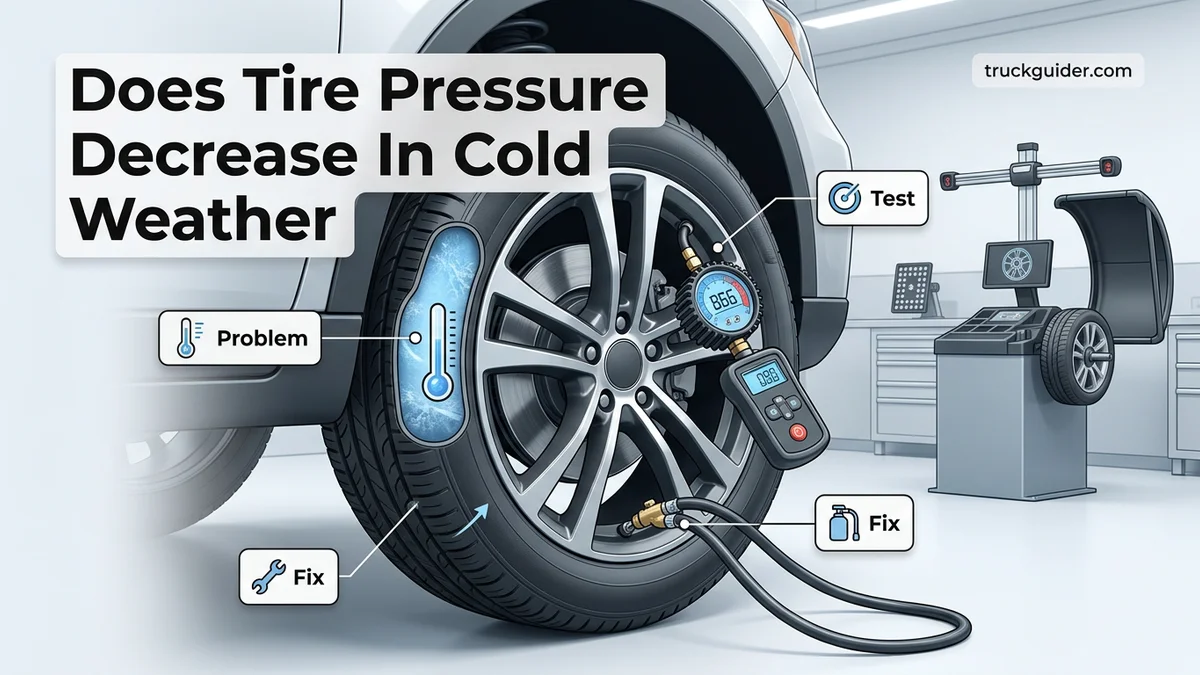
What Causes Tire Pressure to Decrease in Cold Weather
Recommended Best Deal Products


The Science of Air Molecule Contraction
Air inside your tires behaves according to basic gas laws. When temperatures plunge, the thermal energy of the air molecules decreases. These molecules slow down and pack closer together, taking up less volume.
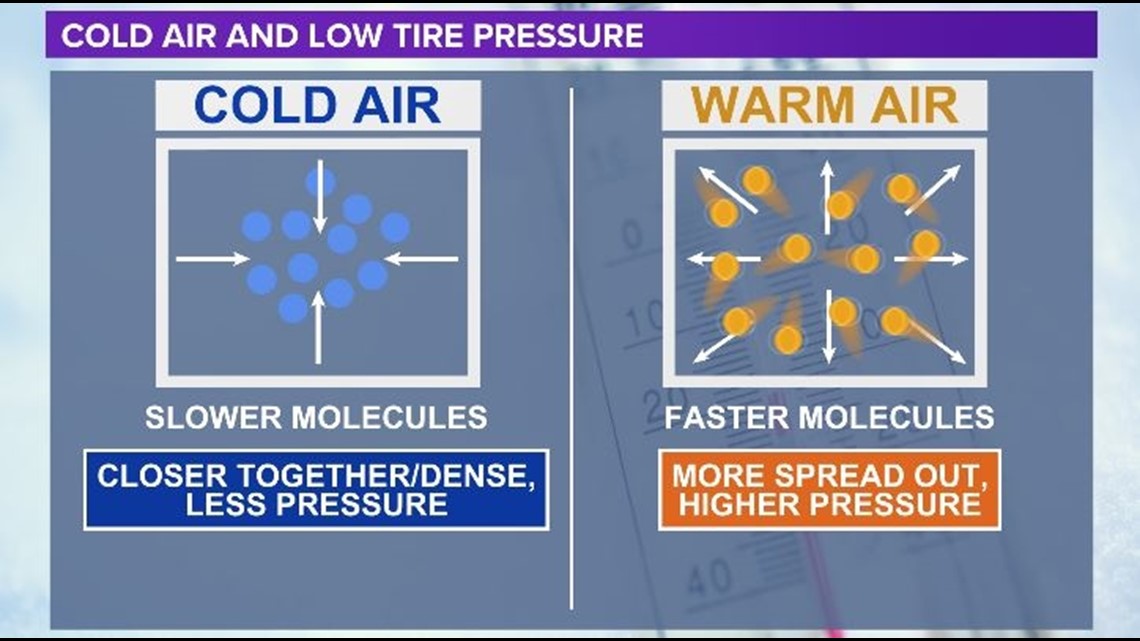
- Molecules lose kinetic energy as the surrounding air gets colder.
- Closer molecules exert less outward force against the interior tire walls.
- Lower internal force directly translates to a lower PSI reading on your pressure gauge.
The 1-to-2 PSI Rule of Thumb
You can reliably predict how much air you will lose based on the thermometer. If you parked your car in a 70°F garage and walked out into a 30°F winter morning, you experienced a 40-degree drop. That means your tires likely lost between 4 and 8 PSI overnight, even if there is no puncture.
- A typical passenger car tire holds around 32 to 35 PSI.
- Losing 6 PSI represents nearly 20 percent of your total recommended pressure.
- This massive drop frequently triggers your dashboard tire pressure monitoring system warning light.
How to Fix Low Winter Tire Pressure Step-by-Step
Checking Pressure When Tires Are Cold
Accuracy matters when you inflate winter tires. Always check your pressure when the tires are cold. This means your car has been parked for at least three hours, or you have driven less than a mile at low speeds.
- Driving heats up the air inside the tire, which artificially raises the PSI reading.
- Never let air out of a warm tire just because the reading looks high after a long highway drive.
- Locate the correct PSI rating on the manufacturer sticker inside your driver-side door jamb, not the maximum number printed on the tire sidewall.
Adding Air Correctly in Freezing Conditions
Once you verify your tires are underinflated, head to a gas station air pump or use a reliable portable compressor. Take your time to fill each tire to the exact specification listed on your vehicle placard.
- Remove the valve stem caps and press your pressure gauge firmly onto the valve.
- Add clean, dry air in short bursts if you are using a portable unit to avoid overinflating.
- Recheck the PSI with your gauge and replace the valve stem caps tightly to keep out winter moisture and road salt.
What If Your TPMS Light Still Stays On After Inflating
You added air to your tires, but the dashboard warning light refuses to turn off. This is a common frustration for drivers heading into the 2026 winter season. Often, the Tire Pressure Monitoring System requires specific conditions to reset, or a deeper mechanical issue is at play.
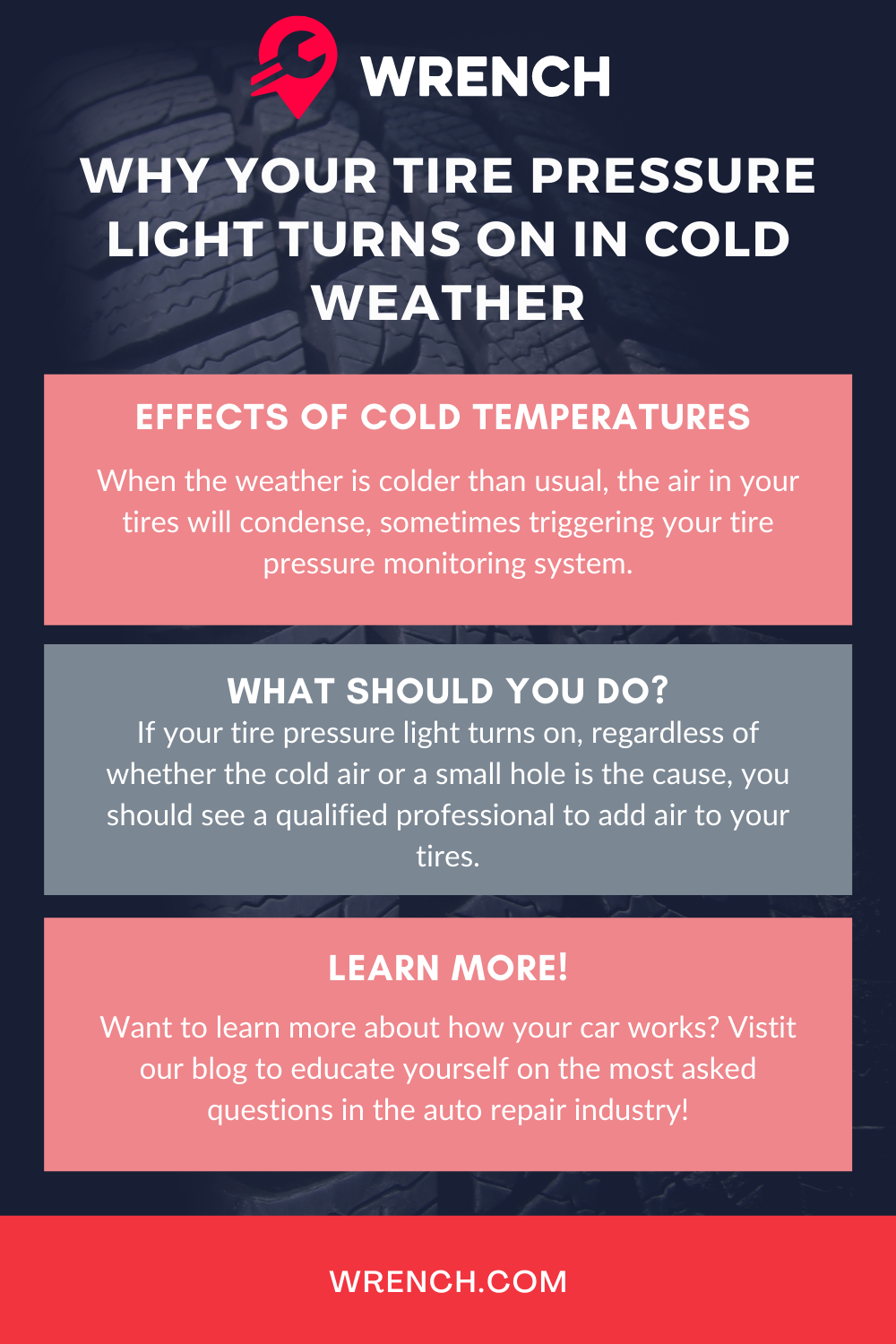
Common Causes for Persistent TPMS Warnings
First, check for a slow puncture or valve stem leak that caused the initial drop. Second, extreme temperature fluctuations can cause the pressure to hover right at the warning threshold. Finally, direct sunlight warming only one side of the vehicle can create uneven pressure readings that confuse the sensor.
How to Reset Your Sensor System
- Drive your vehicle continuously for at least 15 to 20 minutes at speeds above 30 mph to wake up the wireless wheel sensors.
- Locate the physical TPMS reset button, usually found under the steering wheel dash or inside the glove box, and hold it down until the indicator light blinks.
- Consult your owner’s manual to perform a system relearn procedure through the vehicle’s digital infotainment settings if equipped.
What If It Still Doesn’t Work?
If you have inflated all tires to the correct manufacturer placard specification and completed a driving cycle, but the warning light persists, the issue requires deeper troubleshooting. Never ignore a persistent TPMS light, as it compromises your vehicle’s safety systems.
- Inspect each tire thoroughly with a handheld pressure gauge to rule out a malfunctioning sensor versus actual low air pressure.
- Check the age and battery status of your TPMS sensors, as internal lithium-ion batteries typically fail after 5 to 10 years of use.
- Visit a certified tire service center or dealership to scan the vehicle’s computer for specific diagnostic trouble codes (DTCs).
- Authorize a professional sensor recalibration or replacement if a physical transmitter has failed or broken off inside the wheel assembly.
Professional diagnostic scans and sensor replacements generally range from $75 to $250 per wheel depending on your vehicle make and model.
Conclusion
Tire pressure undeniably drops during cold weather, losing roughly 1 to 2 PSI for every 10-degree Fahrenheit temperature decline. Proactive monthly checks and adjustments prevent uneven tread wear, reduced fuel economy, and unexpected roadside emergencies. According to verified research and expert sources from the National Highway Traffic Safety Administration, maintaining proper inflation is one of the single most effective ways to preserve winter driving safety. Make it a habit to check your tire pressures before the next major cold front hits this season.

Audible — Listen Free for 30 Days
One free credit a month and thousands of titles included.
Listen Free for 30 Days❓ Frequently Asked Questions
Does tire pressure decrease in cold weather consistently?
Yes, every time the ambient temperature drops significantly, the pressure inside your tires will decrease in a predictable scientific manner based on the Ideal Gas Law.
How do I know what my correct winter tire pressure should be?
Your correct tire pressure is determined by the vehicle manufacturer, not the maximum pressure listed on the tire sidewall. Look for the placard sticker located on the driver-side door jamb.
Will driving warm up my tires and fix low pressure?
Driving friction creates heat, which causes the air inside the tire to expand and temporarily raise pressure. However, you should still manually add air if the cold-reading pressure is below your recommended PSI.
Can over-inflating tires in winter compensate for the cold?
No, you should never over-inflate your tires beyond the recommended factory PSI. Doing so reduces the tire’s contact patch with the road, leading to poor handling and uneven tread wear.
Why does my tire pressure warning light turn off after I drive for a while?
As you drive, the air inside the tire warms up and expands, pushing the pressure back above the alert threshold. The light will likely return the next morning when the vehicle sits in the cold again.
How often should I check my tire pressure during winter months?
You should check your tire pressure at least once a month during the winter, and especially whenever there is a sudden, drastic drop in local outdoor temperatures.