
Is It Illegal to Ride in the Bed of a Truck in NC 2026 Guide

In North Carolina, it is generally illegal for anyone under the age of 16 to ride in the open bed of a pickup truck. However, the state law includes specific legal exceptions such as agricultural work, parades, and emergency situations.
Yes, it is generally illegal in North Carolina for minors to ride in the bed of a pickup truck on public highways, but there are specific age limits and legal exceptions you must know to avoid fines. Navigating North Carolina traffic laws as you plan a farm trip or a quick neighborhood move in 2026 requires understanding the exact boundaries of state statutes regarding passenger safety.

Prime for Young Adults — 6 Months Free
Students and 18–24s get six months of Prime free, then half price.
Start 6 Months FreeWhether you are a parent, a teen driver, or a vehicle owner, failing to follow these passenger regulations exposes you to traffic citations and severe liability risks. Knowing the exact wording of the law keeps your passengers safe and prevents unexpected encounters with law enforcement.
Key Takeaways
- Minors under 16 are legally prohibited from riding in truck beds in North Carolina.
- Adults 16 and older are technically allowed to ride in truck beds under state law.
- Agricultural workers are exempt when traveling for farming operations.
- Parades and official processions provide legal exemptions for passengers.
- Local municipalities may enforce stricter safety ordinances than state law.
What Causes Legal Liability: The Core NC Truck Bed Statute Explained
Recommended Best Deal Products


The Foundation of North Carolina General Statute 20-135.2A
North Carolina law strictly regulates who can ride outside of the passenger cabin. Under North Carolina General Statute 20-135.2A, operating a vehicle on a highway or public vehicular area while a person under the age of 16 is riding in the bed of a truck is explicitly prohibited. This statute aims to prevent the catastrophic injuries that routinely happen when unrestrained passengers are ejected from truck beds during sudden stops or collisions.
Understanding Enforcement and Penalties in 2026
Law enforcement officers in North Carolina actively monitor for unrestrained minors in cargo areas. If you are caught violating this statute, you face specific legal consequences that impact your driving record:
- Drivers can receive a direct traffic citation for transporting a minor illegally in a truck bed.
- Fines and court costs apply, though the exact penalty amounts can vary by county.
- Violations involving minors can also trigger scrutiny from child welfare authorities if negligence is suspected.
- Civil liability skyrockets if an accident occurs while a passenger rides in the bed, potentially devastating your insurance coverage.
How to Comply with the Law: Age Restrictions and Safety Rules
The 16-Year-Old Threshold and Adult Exemptions
The core dividing line in North Carolina truck bed law is the age of 16. Once a passenger turns 16 years old, the blanket state ban on riding in a truck bed no longer applies to them. Adults and teenagers aged 16 and older may legally ride in an open truck bed on standard North Carolina highways, provided they are not violating other safety laws like reckless endangerment.
Critical Exceptions to the Minor Passenger Rule
Even for children under the age of 16, North Carolina law provides specific, narrow exceptions where riding in the bed of a truck is legally permitted. If your situation falls into one of these categories, the standard ban does not apply:
- Agricultural Operations: Minors can ride in a truck bed when the vehicle is being used for farming purposes, such as moving workers between fields on or off public roads during farm operations.
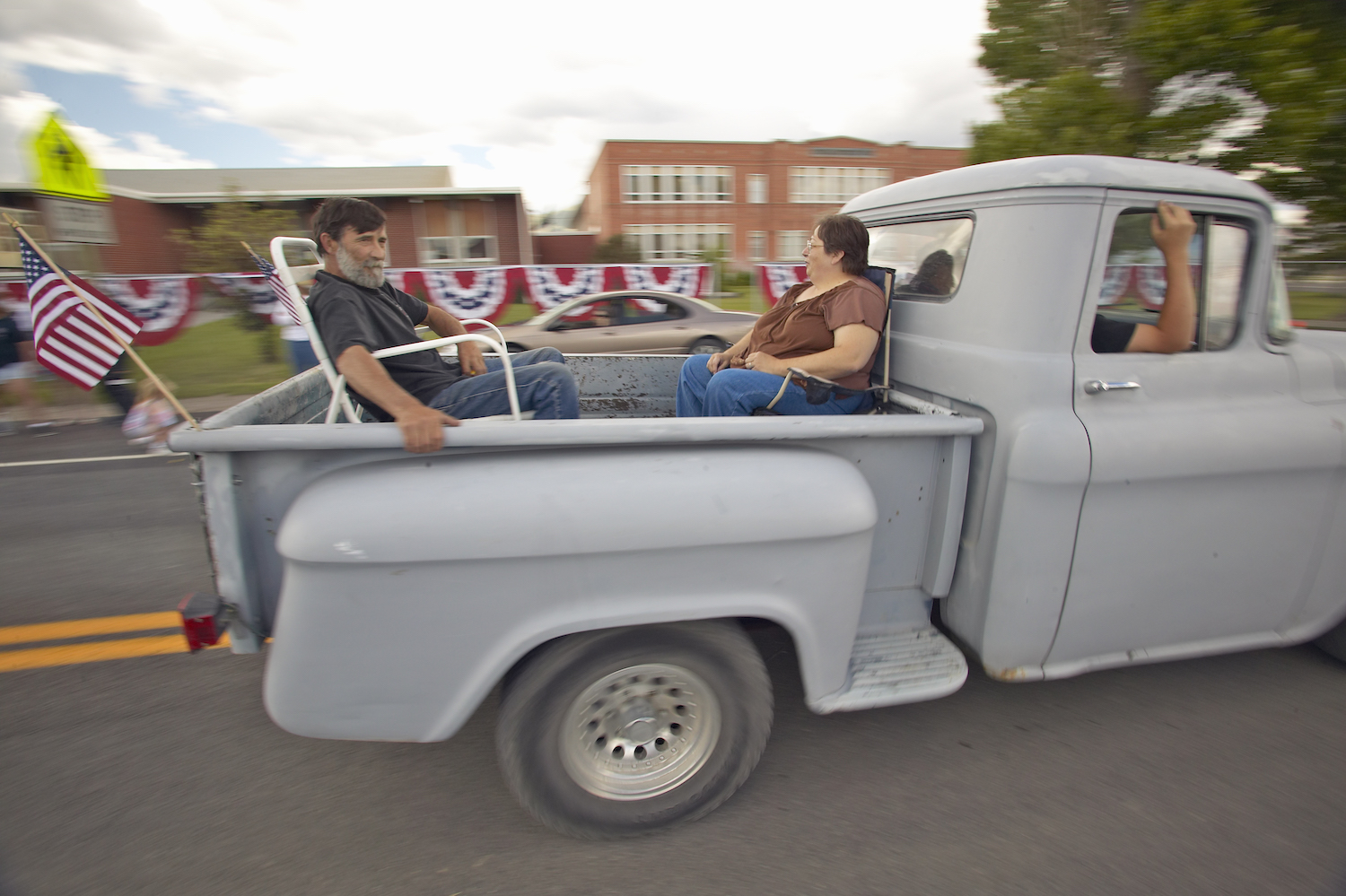
- Parades and Special Events: Vehicles participating in authorized parades, collective community events, or officially permitted processions are exempt.
- Emergency Situations: Transporting individuals during an emergency evacuation or life-threatening scenario where no other transportation exists.
- Hunting and Land Management: Traveling on unpaved roads or private property for hunting, forestry, or property maintenance activities.
How to Identify Permitted Exceptions for Agricultural and Parade Use
North Carolina law provides specific statutory exemptions regarding riding in the truck bed. These carve-outs protect daily economic operations and community events across the state. In 2026, law enforcement agencies strictly evaluate whether a vehicle movement meets the narrow legal criteria for these exemptions.
Agricultural Transport Operations
Farmers and agricultural workers often rely on truck beds to transport personnel between fields. To qualify for this exemption, the vehicle must be operated within the scope of farming operations. The transport must occur on secondary roads or during specific seasonal harvest activities. State data indicates that agricultural exemptions apply exclusively when hauling farm labor on property owned or managed by the farm operator.
Parades and Authorized Public Events
Community celebrations and authorized parades frequently feature participants riding in truck beds. Drivers must secure proper municipal permits before the event takes place. Local law enforcement usually dictates maximum speed limits and approved parade routes for these vehicles. Anyone planning a parade float for 2026 must coordinate directly with city officials to ensure full compliance with municipal traffic control plans.
What If You Still Get Stopped: Understanding Fines and Local Ordinances
Receiving a traffic stop for transporting passengers in a truck bed requires immediate, calm cooperation. North Carolina state law establishes baseline penalties, but local municipalities can enforce stricter regulations. Drivers must understand the financial and legal consequences of violating these transport statutes.

Audible — Listen Free for 30 Days
One free credit a month and thousands of titles included.
Listen Free for 30 DaysAssessing Fines and Court Costs
A standard infraction for illegal passenger transport typically carries a modest fine. However, court costs significantly increase the total financial burden. According to state judicial records, total penalties often range from $150 to $250 per occurrence. Furthermore, repeated violations can result in escalated charges and points on a driver’s license.
Navigating Municipal Ordinances
Individual towns and counties in North Carolina possess the authority to enact stricter local ordinances. Some metropolitan areas ban truck bed riding entirely without exception. Drivers crossing county lines must remain aware of localized municipal codes. Legal experts recommend consulting municipal websites or local police departments to verify regional enforcement standards.
What If It Still Doesn’t Work?
If standard regulatory checks and exemption verifications fail to clarify your transport situation, you must take proactive measures to avoid legal penalties. Here are the necessary steps to resolve compliance issues:
- Consult a Traffic Attorney: If you received a citation, contact a licensed North Carolina attorney immediately. Legal representation for traffic infractions generally costs between $250 and $500 depending on court appearances.
- Verify Commercial Insurance Policies: Contact your insurance provider to determine if commercial transport endorsements cover passenger hauling. Uninsured passenger transport creates severe liability risks.
- Install Approved Seating: If regular passenger transport is necessary, upgrade the vehicle with a certified utility bed or second-row seating. Professional installation ranges from $1,500 to $4,000 based on vehicle make and model.
- Transition to Alternative Vehicles: Switch to standard passenger vans or enclosed utility vehicles for group transport. This completely eliminates regulatory ambiguity under North Carolina traffic statutes.
Conclusion
Navigating North Carolina laws regarding truck bed passengers requires strict adherence to age restrictions and safety exemptions. Violating these statutes leads to costly fines and potential liability risks. According to verified research and expert sources from the North Carolina General Assembly and state highway safety departments, the safest and only fully legal approach is ensuring every passenger utilizes an approved seat with a seatbelt. Make the responsible choice in 2026 by prioritizing enclosed cabin seating for all vehicle occupants before heading onto public roadways.
❓ Frequently Asked Questions
What does North Carolina General Statute 20-135.2A state regarding truck beds?
The statute outlines that it is unlawful for the operator of a vehicle to drive on a highway with a child under 16 years of age in an open bed of a truck, subject to specific exemptions.
Does the law require seatbelts in the truck bed for adults?
No, because truck beds are not manufactured with passenger seating or seatbelts, state seatbelt requirements generally do not apply to the open cargo area, though it remains extremely dangerous.
Can local cities in NC pass stricter laws against truck bed riding?
Yes, municipalities and counties have the authority to enact local ordinances that ban riding in truck beds for all ages, superseding state leniency.
Are there exceptions for emergency situations?
Yes, emergency evacuations or immediate medical transport where no alternative vehicle is available can serve as valid exemptions during crises.
Audible Premium Plus — Annual Membership
12 audiobook credits up front, plus the full Audible catalogue.
See Annual PlansDoes this law apply to private property or only public highways?
The restriction under North Carolina traffic law specifically applies to public streets, roads, and highways maintained for public use.
What should I do if I am pulled over with a minor in the truck bed?
Comply with law enforcement instructions immediately, expect a citation if no legal exception applies, and arrange safe alternative transportation for the minor.
![Top Radiator Hose Hot and Bottom Cold? Causes & Fixes [2026]](https://truckguider.com/wp-content/uploads/2026/03/top-radiator-hose-hot-bottom-cold-featured.webp)
![Cruise Control Turns On But Will Not Set [2026]](https://truckguider.com/wp-content/uploads/2026/03/featured-0a745d5a-768x768.webp)
![Dodge Ram Tail Light Wiring Color Code: Year-by-Year Guide [2026]](https://truckguider.com/wp-content/uploads/2026/03/dodge-ram-tail-light-wiring-color-code-featured.webp)
![Motorola MA1 Wireless Android Auto Adapter: Full Comparison [2026]](https://truckguider.com/wp-content/uploads/2026/03/motorola-ma1-wireless-android-auto-car-a-featured.webp)