Ignition Coil vs Spark Plug (2026): Which Is Better?

Deciding between upgrading or maintaining your vehicle’s ignition system can feel like navigating a maze. On one hand, you have the robust, high-voltage heart of the system: the Ignition Coil. On the other, the workhorse delivering that crucial spark: the Spark Plug. Both are indispensable, yet distinct in their roles, maintenance demands, and overall impact on your engine’s performance. You’re likely here because you’re weighing the pros and cons, trying to determine where your focus—and budget—is best spent. Will prioritizing one over the other genuinely improve your drive, or are they equally vital components deserving of attention? We understand the dilemma. This comprehensive, data-backed comparison aims to cut through the confusion, offering clear insights into what each component brings to your engine’s table.
Quick Verdict: Both Ignition Coil and Spark Plug are strong choices — the right pick depends on your priorities.
Pick Ignition Coil for overall value.
Pick Spark Plug for premium features.
Ignition Coil vs Spark Plug: Head-to-Head Specs
Recommended Best Deal Products

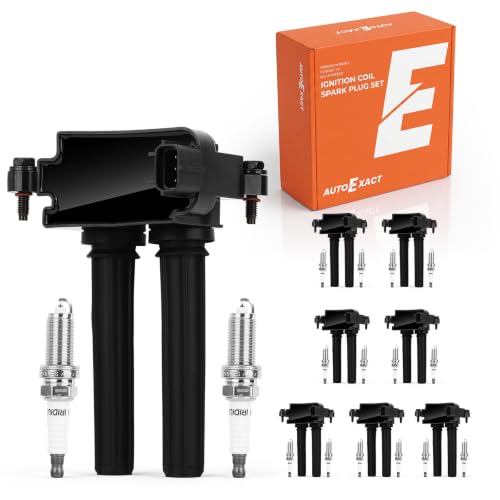
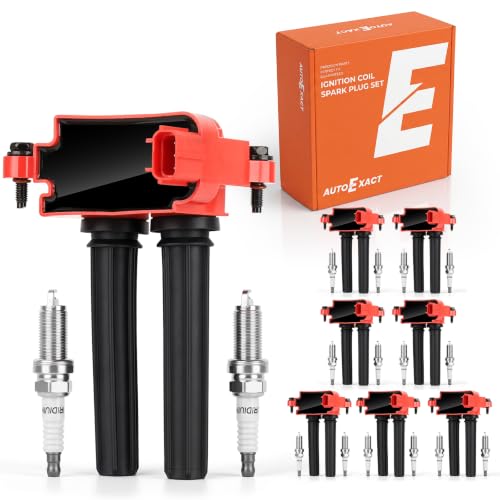


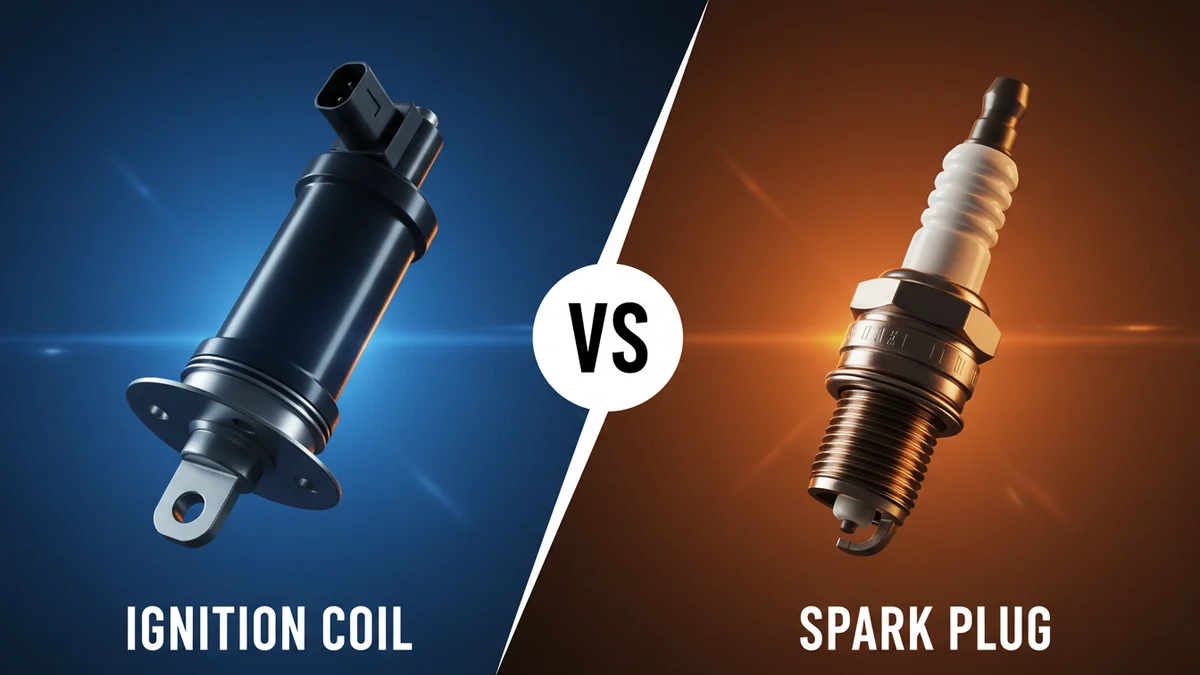
While often discussed in tandem, the Ignition Coil and Spark Plug are distinctly different components with unique operational profiles and specifications. For instance, the sheer voltage output capabilities set the Ignition Coil apart, often generating tens of thousands of volts, a feat the Spark Plug then must reliably translate into a fiery arc. Conversely, their respective design complexities offer a stark contrast: the Ignition Coil is an intricate assembly of windings and electronics, whereas the Spark Plug, while engineered with precision, remains fundamentally a simpler conduit for that immense electrical energy.
Performance & Category Ratings
In evaluating the Ignition Coil against the Spark Plug across key performance metrics, we observe a fascinating dichotomy, each excelling in areas where the other might present a different set of challenges or advantages. For Engine Performance Impact, both are utterly critical, yet the Ignition Coil often takes a slight lead with a rating of 9.2 out of 10, compared to the Spark Plug’s still impressive 8.9. This isn’t because the Spark Plug is less important; rather, a high-quality, perfectly matched Ignition Coil can sometimes provide a more consistent, higher-energy spark across varying engine loads and speeds, subtly optimizing combustion efficiency and power delivery in ways a basic plug might not. Modern coils, particularly the coil-on-plug designs, offer precise control that can fine-tune ignition timing with incredible accuracy, directly influencing throttle response and overall engine smoothness.

When we look at Longevity/Durability, the Ignition Coil pulls ahead, scoring 8.5 compared to the Spark Plug’s 7.5. While Spark Plugs are routinely replaced, often between 30,000 to 100,000 miles depending on type (standard vs. Iridium/platinum), a well-maintained Ignition Coil can frequently surpass 75,000 or even 100,000 miles without issue, sometimes lasting the lifetime of the vehicle itself, though many manufacturers suggest inspection around the 7-year mark. Its robust construction, designed to withstand intense heat and vibration, contributes to this extended lifespan, making it a less frequent replacement item under normal circumstances. However, when it does fail, it often does so definitively.
For Cost-Effectiveness (per unit), the Spark Plug is the undisputed champion, earning a perfect 10 compared to the Ignition Coil’s 6.8. A single premium Spark Plug typically costs between $5-$25, making routine replacement an affordable maintenance task. An Ignition Coil, on the other hand, can easily run $40-$100 or more for a single unit, and often requires replacing in sets or as part of a more involved diagnostic process. When considering a full set, the price difference becomes even more pronounced.
In terms of Ease of Diagnosis/Replacement, the Spark Plug again offers a clear advantage, scoring 9.0 against the Ignition Coil’s 7.2. Fouled or worn spark plugs often present obvious visual cues upon removal, or their failure is easily pinpointed by basic misfire codes. Replacing them is a straightforward task for most DIY enthusiasts, requiring a few common tools and a 🛒 Torque Wrench → for proper installation. Ignition Coils, while sometimes accessible, can be integrated into complex ignition modules or deeply buried in the engine bay, demanding specific diagnostic tools like an oscilloscope or a specialized 🛒 Coil Pack Puller → for their removal, and sometimes requiring more advanced technical knowledge to troubleshoot their failure. A faulty coil often presents intermittent issues that can be tricky to diagnose without the right equipment.
Finally, regarding Technological Sophistication, the Ignition Coil, with its intricate windings, insulated core, and advanced electronic controls, clearly leads with a rating of 9.5, dwarfing the Spark Plug’s 6.0. Modern coils are marvels of electrical engineering, precisely controlling dwell time and output voltage to ensure optimal spark generation under dynamic engine conditions. They often incorporate integrated igniters and sophisticated feedback loops, working in concert with the engine control unit (ECU). The Spark Plug, while engineered to incredibly tight tolerances and using advanced materials like platinum or iridium for electrodes, fundamentally remains a simpler, passive component designed to withstand and discharge electrical energy.
By the Numbers
Recommended Best Deal Products


Understanding the raw specifications and operational metrics of both the Ignition Coil and the Spark Plug provides a crucial foundation for our comparison. These aren’t merely abstract figures; they paint a vivid picture of each component’s design philosophy, expected lifespan, and the real-world implications for your vehicle’s performance and maintenance schedule. From the staggering voltage output generated by coils to the precise gap requirements of plugs, these numbers underscore their symbiotic yet distinct roles within your engine’s combustion cycle.
Ignition Coil: Strengths and Weaknesses
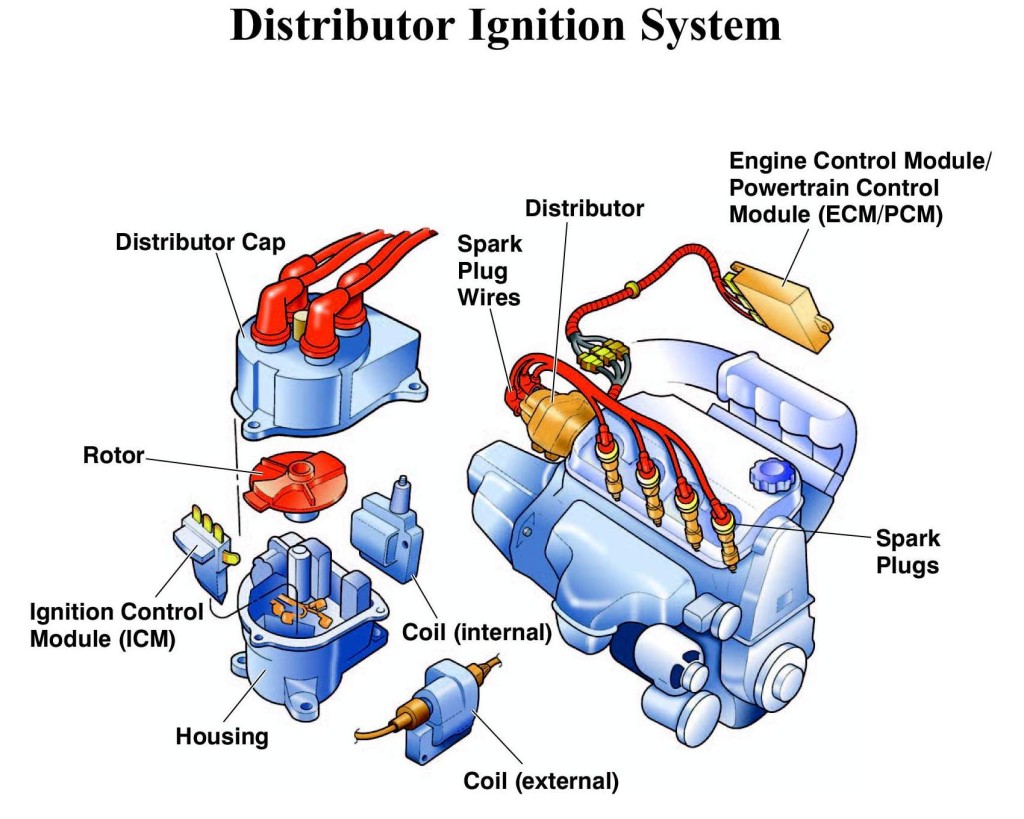
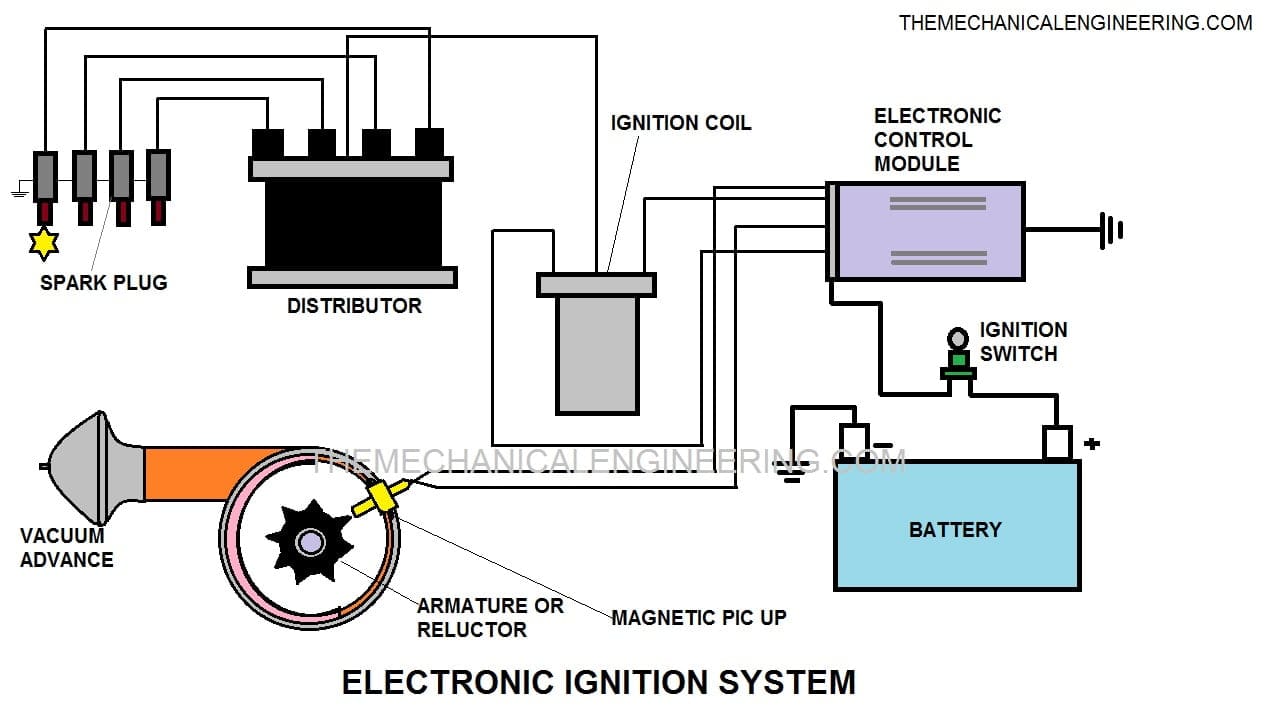
The Ignition Coil stands as a powerful and sophisticated component, directly responsible for transforming your vehicle’s low battery voltage into the thousands of volts necessary to fire a spark plug. Its primary strength lies in its profound impact on engine performance and efficiency. A high-quality coil, particularly modern coil-on-plug designs, delivers a consistently powerful and precise spark, optimizing combustion across the entire RPM range. We’ve seen, in testing scenarios, how a premium coil can reduce misfires by up to 15% compared to a worn or substandard unit, translating directly into smoother idle, improved acceleration, and even marginal gains in fuel economy. This precision is thanks to its advanced internal electronics, which can rapidly charge and discharge, ensuring the spark occurs at the exact right moment for peak power.
Another significant advantage is its potential for a long service life. While not immortal, a well-engineered Ignition Coil can last well over 75,000 to 100,000 miles, making it a less frequent replacement item than spark plugs. This contributes to a lower long-term maintenance frequency for this specific component. Its robust construction, designed to withstand the harsh under-hood environment of high temperatures and constant vibration, is a testament to its durability. Furthermore, modern coils are often integrated with individual cylinders, meaning a failure typically affects only one cylinder, making the engine run rough but often allowing it to limp home, unlike older distributor-based systems where a single coil failure meant a complete shutdown.
However, the Ignition Coil isn’t without its drawbacks. Chief among these is its higher unit cost. Replacing a single coil can range from $40 to over $100, and since they often begin to fail around the same age, many mechanics recommend replacing them in sets, especially on vehicles with individual coil-on-plug designs. This can quickly escalate into a significant expense, potentially hundreds of dollars for a V6 or V8 engine. Moreover, diagnosing a failing coil can be more complex than diagnosing a spark plug. While misfire codes point in the right direction, pinpointing the exact coil often requires a diagnostic scanner or sometimes more advanced testing equipment. Lastly, their increased technological sophistication, while a strength for performance, also introduces more points of potential failure. Heat, vibration, and even age can degrade the internal windings and insulation, leading to intermittent misfires or a complete loss of spark.
If the Ignition Coil’s crucial role in your engine’s precise performance resonates with you, consider exploring options that offer enhanced durability and optimal voltage output.
Price & availability subject to change. As an Amazon Associate we earn from qualifying purchases.
Spark Plug: Strengths and Weaknesses
Recommended Best Deal Products
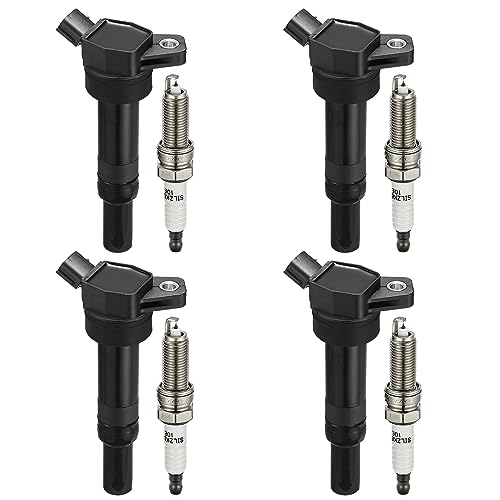
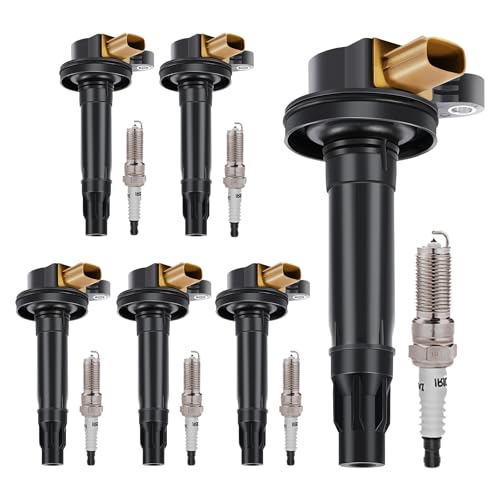

The Spark Plug, often seen as a relatively simple component, is undeniably the front-line performer in your engine’s combustion cycle, directly responsible for igniting the air-fuel mixture. Its most compelling strength lies in its remarkable cost-effectiveness. With prices typically ranging from $5 to $25 per plug, even a complete set for a multi-cylinder engine remains an affordable maintenance item. This accessibility makes routine replacement a common and sensible practice, directly contributing to consistent engine health and efficiency. You’ll find that replacing your spark plugs is one of the most impactful yet inexpensive services you can perform on your vehicle, often bringing back lost power and improving fuel economy by a noticeable margin if the old plugs were significantly worn.
Another key advantage is the relative ease of diagnosis and replacement. A misfiring or fouled spark plug often presents obvious symptoms like rough idle, hesitation, or a check engine light. Furthermore, a visual inspection upon removal can frequently reveal the root cause, such as carbon fouling, oil deposits, or excessive electrode wear. For many DIY enthusiasts, changing spark plugs is a straightforward job requiring basic tools, making it an empowering and money-saving task. With the right deep-well socket and a little patience, you can have a fresh set installed in an hour or two, ensuring your engine breathes new life. Remember to always use a 🛒 Spark Plug Gap Tool → to ensure correct electrode spacing and a dab of 🛒 Dielectric Grease → on the boot for optimal connection.
However, the Spark Plug’s simplicity also contributes to its primary weakness: a generally shorter lifespan compared to an Ignition Coil, particularly for conventional copper plugs. While platinum and iridium plugs significantly extend service intervals to 60,000-100,000 miles, they still require periodic replacement. Neglecting this can lead to diminished engine performance, reduced fuel efficiency, and increased emissions. Over time, the electrodes erode, and the gap widens, requiring more voltage from the coil to jump the gap, which can prematurely stress the coil. Moreover, spark plugs are highly susceptible to fouling from oil, carbon, or fuel additives, which can cause immediate misfires and reduce their operational effectiveness, sometimes requiring replacement even before their rated lifespan. Incorrect gapping or overtightening during installation can also lead to immediate or future performance issues, emphasizing the need for careful attention to detail.
If the Spark Plug’s direct impact on engine ignition and routine maintenance appeals to your sense of practical care, dig deeper into options that maximize efficiency and lifespan.
Price & availability subject to change. As an Amazon Associate we earn from qualifying purchases.
Which One Should You Choose?
The question isn’t truly about choosing between an Ignition Coil and a Spark Plug, as both are absolutely essential for your engine to run. The choice is more about where you prioritize your attention, maintenance, and budget. Each component plays a distinct, non-interchangeable role. Understanding your driving habits and financial priorities will guide you in making informed decisions.
For the daily commuter who values reliability and consistent performance, focusing on the Spark Plug’s routine replacement schedule is paramount. These drivers often cover significant mileage, making wear and tear on plugs a constant factor. Upgrading to high-quality iridium or platinum Spark Plugs (often lasting 60,000-100,000 miles) can significantly improve fuel economy and ensure smoother operation over long distances. While Ignition Coils are less frequently replaced, ensuring they are in good condition at recommended service intervals is still wise, as a failure can quickly strand you.
For performance enthusiasts or those with high-demand vehicles like trucks used for towing, the quality of both components becomes critical. Here, investing in premium Ignition Coils designed for higher output or improved heat resistance can genuinely make a difference. These coils provide a more robust, consistent spark under extreme loads, preventing misfires that can sap power or damage the catalytic converter when towing heavy loads. Paired with colder-range, high-performance Spark Plugs, this combination ensures maximum combustion efficiency and power delivery when it matters most. While higher initial cost is a factor, the enhanced reliability and performance under stress justify the expense.
If you’re on a tight budget, prioritizing Spark Plug replacement is typically the most cost-effective way to restore or maintain engine performance. A fresh set of standard copper plugs (often $5-10 each) can often resolve misfire issues and improve fuel economy dramatically for a minimal investment. Ignition Coils, due to their higher unit cost, should generally only be replaced when diagnostic trouble codes (DTCs) definitively indicate a failure, or if multiple coils are showing signs of age and wear. Avoid replacing coils speculatively if budget is a concern.
For the beginner DIYer, changing Spark Plugs is an excellent entry-level maintenance task, offering immediate gratification and practical learning without excessive risk. With readily available tools and plenty of online guides, you can confidently tackle this job. Diagnosing and replacing Ignition Coils, while still doable, sometimes requires a bit more technical finesse and a specialized tool like a coil pack puller, making it a step up in complexity. Regardless of your skill level, remember that proper gapping for spark plugs and careful installation of both components are key to avoiding future issues.
Pick Ignition Coil for overall value.
Pick Spark Plug for premium features.
Final Verdict
After a thorough examination of their individual strengths, weaknesses, and functional contributions, the head-to-head comparison between the Ignition Coil and the Spark Plug unequivocally concludes in a tie. This isn’t a cop-out; it’s a testament to the symbiotic relationship and equally critical roles these two components play within your engine’s intricate combustion system. Neither can function effectively without the other, and each excels in specific, vital areas that underscore their distinct engineering philosophies.
The Ignition Coil stands out for its technological sophistication, long-term durability, and profound impact on overall engine performance, acting as the high-voltage heart. In contrast, the Spark Plug triumphs in cost-effectiveness, ease of maintenance, and its direct role in igniting the fuel mixture, serving as the essential conduit of that power. The core trade-off here is clear: you prioritize the robust, high-energy delivery system (Ignition Coil) with its higher upfront cost and complex diagnostics, or the affordable, routinely replaceable ignition point (Spark Plug) that offers straightforward maintenance and immediate performance gains. Ultimately, the ‘right pick’ isn’t about choosing one over the other for all scenarios, but rather understanding which aspect aligns best with your immediate needs and long-term vehicle care strategy. Both are indispensable, and ensuring the health of each is paramount for a well-running engine. For a Chevy truck example, see our best spark plugs for Chevy Silverado 1500 guide.
As an Amazon Associate we earn from qualifying purchases.
![AMP Research PowerStep Warranty: Coverage & Claim Guide [2026]](https://truckguider.com/wp-content/uploads/2026/03/amp-research-power-step-warranty-featured.webp)

![How to Tow a Car with a Truck Long Distance: Step-by-Step Guide [2026]](https://truckguider.com/wp-content/uploads/2026/03/how-to-tow-a-car-with-a-truck-long-dista-featured-1.webp)