
P0706 Code: Transmission Range Sensor Range/Performance Fix [2026]

The P0706 diagnostic trouble code signifies a performance issue with the Transmission Range Sensor (TRS), which communicates the gear position to the vehicle’s computer. This error often triggers ‘Limp Mode’ or prevents the engine from cranking if the system cannot verify the car is in Park or Neutral.
🎯 Key Takeaways
- Takeaway 1:P0706 often results in ‘Limp Mode’ to protect the transmission.
- Takeaway 2:Misaligned shift linkages frequently trigger this code without sensor failure.
- Takeaway 3:A faulty sensor can cause a dangerous no-crank/no-start condition.
- Takeaway 4:Wiring harness corrosion is a leading cause in high-mileage vehicles.
- Takeaway 5:Check battery voltage first, as low power causes sensor signal errors.
The P0706 diagnostic trouble code indicates that your Transmission Control Module (TCM) is receiving an irrational signal from the Transmission Range Sensor (TRS). Essentially, the computer sees a conflict between where the sensor says the gear lever is and what the transmission is actually doing. Unlike a simple circuit failure, a P0706 code signifies a “Range/Performance” issue. This means the sensor is sending data, but that data doesn’t make sense within the programmed parameters—for example, reporting that you are in “Park” while the vehicle is moving at 40 miles per hour.
This code matters because the TRS—often called the neutral safety switch—is the primary gatekeeper for your vehicle’s starting and shifting logic. If the signal is erratic, your car might refuse to crank or, worse, it might drop into “Limp Mode” to protect the internal clutches from heat and pressure spikes. Resolving this code often involves more than just a sensor swap; it frequently requires mechanical recalibration or harness cleaning to restore proper communication between the shifter and the TCM. Understanding whether the fault is electronic or mechanical is the difference between a ten-minute adjustment and a five-hundred-dollar repair.
Understanding the P0706 Diagnostic Trouble Code
The P0706 code is a rationality check. Your car’s computer constantly compares the input from the TRS against other data points like vehicle speed, engine RPM, and throttle position. If you are cruising down the highway and the sensor suddenly reports that the transmission is in “Reverse,” the TCM realizes the input is impossible and triggers the P0706 code. It is a safety mechanism designed to prevent mechanical damage. It differs from code P0705, which usually points to a total circuit failure. P0706 specifically tells you that the sensor is working, but it’s lying or providing “noisy” data.
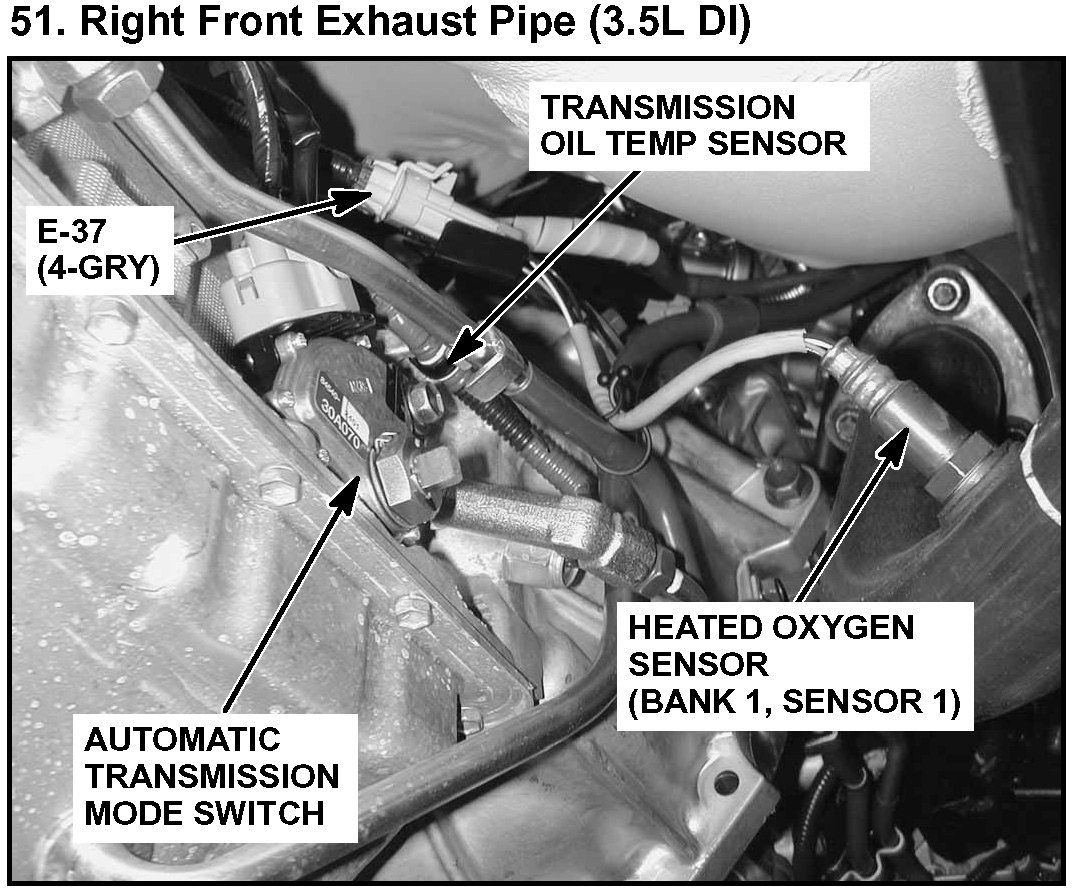
The Logic of the Range/Performance Error
Most range sensors use a series of internal sliding contacts or Hall Effect sensors to tell the computer which gear is selected. When these internal components wear down or become contaminated with metallic debris or old grease, the electrical resistance changes. This results in a signal that suggests the shifter is “between” gears. For example, if the sensor sends a voltage that is halfway between the “Neutral” and “Drive” signatures, the TCM becomes confused. Because the TCM cannot determine the intended gear, it sets P0706 to warn you that the gear selection data is unreliable and unsafe to use for shifting logic.
Mechanical Alignment vs. Electrical Failure
One of the most common misconceptions about P0706 is that the sensor is always dead. In many cases, the sensor is perfectly functional, but the mechanical link between your shifter and the transmission has stretched or loosened. A shift cable that is off by just a few millimeters can cause the sensor to sit slightly out of alignment. If the cable doesn’t pull the sensor far enough to click into the “Drive” detent, the sensor will transmit a “transition” signal. Before you buy a replacement part, you must determine if the issue is a physical alignment problem or an internal electrical failure. A simple adjustment of the cable nut often clears this code permanently.
Master the P0706 Transmission Range Sensor Repair in 7 Simple Steps
The P0706 diagnostic trouble code indicates a “Range/Performance” issue with your Transmission Range Sensor (TRS), often referred to as the Neutral Safety Switch. This guide is designed to help you diagnose whether the fault lies in a simple misalignment, a wiring failure, or the sensor itself. Properly addressing this code is vital for vehicle safety, as a faulty sensor can prevent your car from starting, cause erratic shifting, or even allow the engine to crank while the vehicle is in gear. By following these professional-grade steps, you will gain the technical knowledge needed to troubleshoot and repair this common transmission communication error effectively.
Step 1: Verify the Fault and Analyze Freeze Frame Data
What you need: An OBD-II diagnostic scanner (preferably one with live data capabilities) and your vehicle’s service manual.
Instructions: Begin by plugging your OBD-II scanner into the port located under the driver-side dashboard. Retrieve the P0706 code and immediately look for “Freeze Frame” data. This data captures the exact conditions (RPM, speed, engine load) when the fault occurred. Next, switch your scanner to “Live Data” mode and navigate to the Transmission Control Module (TCM) stream. While the engine is off but the ignition is in the “ON” position, move the gear selector through every position (P, R, N, D, L). Observe if the scanner’s reading matches the physical position of the shifter. If the scanner shows “Invalid” or “Unknown” while the shifter is in a specific gear, you have confirmed a communication gap at that specific point.
Pro Tip: Check for “sister codes” like P0705 or P0707. If multiple codes are present, you likely have a total sensor failure or a ground wire issue rather than a simple alignment problem.
Step 2: Inspect the External Wiring Harness and Connector
What you need: High-intensity flashlight, electrical contact cleaner, and a small flat-head screwdriver.
Instructions: Locate the Transmission Range Sensor. On most front-wheel-drive vehicles, it is found on top of the transaxle where the shifter cable attaches; on rear-wheel-drive vehicles, it is usually on the side of the transmission case. Inspect the plastic wiring connector for cracks, green corrosion, or signs of heat damage. Disconnect the plug and look inside the terminals for bent pins or moisture. Trace the wiring harness back at least 12 inches to ensure it hasn’t rubbed against the sharp edges of the engine block or been chewed by rodents. If you find oil contamination inside the plug (common in older European models), this indicates an internal seal failure in the sensor or transmission.
Pro Tip: Use a dedicated electrical contact cleaner that leaves no residue. Never use WD-40 or standard lubricants on these sensitive electronic pins as they can attract dust and cause high resistance.
Step 3: Perform a Voltage and Continuity Test
What you need: Digital Multimeter (DMM) and back-probe pins.
Instructions: Set your multimeter to the DC Voltage setting. Refer to your vehicle’s wiring diagram to identify the power, ground, and signal wires. With the ignition on, back-probe the power wire to ensure the sensor is receiving a steady 12V (or 5V, depending on the make). Check the ground wire for less than 0.1 ohms of resistance to the chassis. Finally, test the signal return wire while an assistant moves the gear shifter. You should see a distinct change in voltage or a “closed” circuit signal for each gear position. If the sensor is receiving power and ground but fails to output a consistent signal as the manual shaft rotates, the internal contact points of the sensor are likely worn out or fouled with debris.
Pro Tip: Always use back-probe pins rather than piercing the wire insulation. Piercing wires creates an entry point for moisture, which will lead to “green crusties” and wire rot months down the road.
Step 4: Evaluate and Adjust the Shift Linkage
What you need: A set of metric wrenches (usually 10mm, 12mm, or 13mm) and a helper.
Instructions: Sometimes the P0706 code is triggered because the physical cable has stretched, causing the sensor to sit “between” gears. Have your assistant sit in the driver’s seat and move the shifter into “Neutral.” Under the hood, loosen the adjustment nut on the shift cable where it attaches to the transmission manual lever. Ensure the transmission itself is clicked into the neutral detent (you can feel the “click” by moving the lever manually). Once both the cabin shifter and the transmission lever are perfectly synced in Neutral, tighten the adjustment nut. Re-test the gear positions on your OBD-II scanner to see if the “Invalid” readings have disappeared. If the gear positions now align correctly, the sensor does not need replacement.
Pro Tip: Check the rubber or plastic bushings at the end of the shift cable. If these are dry-rotted or missing, the “slop” in the cable will prevent the sensor from ever lining up correctly.
Step 5: Remove the Faulty Range Sensor
What you need: Socket set, penetrating oil (like PB Blaster), and a small pry bar.
Instructions: If the electrical tests failed, the sensor must be replaced. Begin by spraying the center nut of the manual shaft with penetrating oil, as these are prone to rusting. Remove the large nut holding the shift lever to the manual shaft and pull the lever off. Remove the two or three small bolts (usually 10mm) that secure the TRS housing to the transmission case. Carefully slide the sensor off the shaft. If it is stuck due to corrosion, use a small pry bar to gently wiggle it back and forth. Be extremely careful not to score or scratch the metal manual shaft, as this can cause transmission fluid to leak past the shaft seal.
Pro Tip: Before sliding the old sensor off, take a photo of its orientation. Many sensors have a specific “arc” or slot they must sit in, and knowing the original position will save you time during installation.
Step 6: Install and Align the New Sensor
What you need: New Transmission Range Sensor, torque wrench, and (if required) a specialized alignment tool.
Instructions: Slide the new sensor onto the manual shaft. Before tightening the mounting bolts, you must align the sensor. Most sensors have a small notch or “neutral line” etched into the plastic housing and the rotating center hub. Move the transmission manual shaft into the Neutral position and rotate the sensor body until these marks line up perfectly. On some vehicles (like many Toyota or GM models), there is a small hole where you can insert a 3/32″ drill bit or a specialized pin to lock the sensor in the neutral position during installation. Once aligned, tighten the mounting bolts to the manufacturer’s specification (usually very light, around 8-10 lb-ft). Reinstall the shift lever and the main shaft nut.
Pro Tip: Apply a tiny amount of anti-seize lubricant to the manual shaft before sliding the new sensor on. This prevents the metal and plastic from bonding together due to heat and road salt.
Step 7: Clear Codes and Conduct a Verification Drive
What you need: OBD-II scanner and a safe area for a test drive.
Instructions: With the new sensor installed and adjusted, use your scanner to clear the P0706 code and any stored transmission adaptations if your tool allows. Before starting the engine, confirm the “P” and “N” lights on the dashboard illuminate correctly. Verify that the vehicle will start in Park and Neutral but will NOT start in Drive or Reverse (the Neutral Safety function). Finally, perform a road test. Accelerate slowly through all gears, ensuring the torque converter locks up and the “Check Engine” light remains off. Check for “Pending Codes” after the drive to ensure the TCM is satisfied with the new signal range.
Pro Tip: During the test drive, pay attention to the cruise control functionality. A slightly misaligned range sensor often disables the cruise control system before it even triggers a Check Engine light.
✅ Final Checklist
- Confirm the vehicle starts ONLY in Park and Neutral gear positions.
- Verify that Reverse lights illuminate immediately when the shifter is moved to “R”.
- Ensure the dashboard gear indicator (P-R-N-D-L) matches the physical shifter position exactly.
- Check that the mounting bolts and the shift cable nut are torqued to factory specifications.
- Verify that the P0706 code has moved from “Active” to “Cleared” status on your OBD-II scanner.
Important Notes:
- Safety Warning: Always engage the parking brake and chock the wheels before working on the transmission linkage to prevent the vehicle from rolling.
- Internal Sensors: On some modern vehicles (e.g., 6R80 or 6L80 transmissions), the range sensor is part of the internal Lead Frame or TCM. If the sensor is not visible on the outside of the case, professional repair may be required as the transmission pan must be dropped.
- Estimated Time: 1 to 3 hours depending on rust levels and access.
- Estimated Cost: $40 – $150 for the part (DIY) or $250 – $500 at a professional repair facility.
Primary Symptoms: From Gear Display Errors to Limp Mode
The symptoms of a P0706 code are rarely subtle and usually impact the drivability of the car immediately. Because the TRS acts as the neutral safety switch, the most immediate and frustrating problem you might face is a vehicle that won’t start. If the TCM doesn’t receive a clear, stable “Park” or “Neutral” signal, it will kill the starter circuit as a safety precaution. You might find yourself jiggling the shifter or pushing it firmly into the “Park” position just to get the engine to turn over. This “no-start” condition is a classic hallmark of a range sensor that is physically out of alignment or suffering from internal contact wear.
Dashboard and Indicator Glitches
Your dashboard is often the first place to look for diagnostic clues. Common visual symptoms include:
- Missing PRNDL Display: The gear indicator on your instrument cluster may go blank, display a “dashed” line, or show all gears illuminated at once.
- Flashing Gear Lights: In many Audi or Volkswagen models, the entire gear selector row will flash red to signify a catastrophic range sensor error.
- Incorrect Gear Readout: The dash might show you are in “Neutral” even though your physical shifter is clearly in “Drive,” or the indicator may “lag” several seconds behind your actual movements.
Transmission Behavior and Limp Mode
When the P0706 code is active, the TCM loses its ability to time shifts accurately. To prevent internal damage, the vehicle may enter “Limp Mode” (also known as Emergency Mode). In this state, the transmission will usually lock itself into third gear and stay there, regardless of your speed. This limits your acceleration but allows you to drive the vehicle to a safe location. You may also experience harsh engagement when shifting from Park into Reverse or Drive. This happens because the computer uses maximum line pressure to ensure the gear actually engages despite the faulty sensor data. If you feel a violent “thud” when putting the car in gear, your TRS is likely sending erratic signals that are confusing the pressure control solenoids.
Root Causes: Mechanical Alignment vs. Electrical Circuitry
When the PCM triggers a P0706 code, it essentially means the transmission is telling the computer it is in two places at once, or nowhere at all. This confusion typically stems from one of two areas: a physical misalignment or a failure in the electrical path. Distinguishing between the two is the first step toward an efficient fix.
The Mechanical Side: Shift Linkage and Cables
In many cases, the sensor itself is perfectly healthy, but the mechanical hardware that moves it is worn out. Over years of shifting from Park to Drive, shift cables can stretch, and the small rubber or plastic bushings at the ends of those cables can disintegrate. This creates “play” in the system.
- Loose Linkage: If the cable is loose, the gear lever inside the cabin might click into “Drive,” but the sensor on the transmission might only be halfway between “Neutral” and “Drive.”
- Bent Brackets: Road debris or previous repair work can bend the brackets holding the shift cable, causing the sensor to miss its mark.
- Worn Bushings: A $5 plastic bushing failure is a common culprit that mimics a total sensor failure.
The Electrical Side: Corrosion and Pin Tension
If the mechanics are tight, the issue is likely electrical. Because the transmission range sensor is often located on the exterior of the transmission case, it is constantly exposed to road salt, water, and heat cycles. This environment is brutal for sensitive electrical pins.
- Corroded Connectors: Green crust (oxidation) inside the harness plug can bridge the gap between pins, sending “ghost” signals to the PCM.
- Frayed Wiring: Since the engine and transmission vibrate during operation, wires rubbing against the frame can eventually chafe, leading to an intermittent short circuit.
- Internal Sensor Failure: Heat can cause the internal traces of the sensor to crack, meaning it may work when the car is cold but fail once the transmission reaches operating temperature.
Vehicle-Specific P0706 Nuances (VW/Audi, Honda, and Ford)
While the P0706 code is generic, how it manifests depends heavily on who built your car. Manufacturers use different sensor designs, and some are much more prone to specific failures than others.
VW and Audi: The Mechatronic Challenge
For owners of Volkswagen or Audi vehicles (especially those with DSG or Multitronic transmissions), P0706 can be a serious headache. In many of these models, the transmission range sensor is integrated directly into the Transmission Control Module (TCM), which is located inside the transmission fluid.
- The Symptoms: You may notice the PRNDL display on your dashboard flashing or the car entering “Limp Mode.”
- The Reality: Because the sensor is internal, it is often sensitive to metallic debris in the transmission fluid. Frequent fluid changes are vital for these brands to prevent sensor interference.
Honda: The Clogged Switch Path
Honda vehicles often use a sliding-contact style range sensor mounted on the side of the transmission. A common issue here is the accumulation of old, hardened grease or road grime inside the switch housing.
- Specific Tip: Before replacing the sensor on a Honda, technicians often check for “dead spots” in the shifter’s movement. If the code only pops up when shifting slowly, it’s usually a dirty contact point within the switch.
Ford: The Heat and Moisture Factor
Ford trucks and SUVs frequently encounter P0706 due to the sensor’s proximity to the exhaust system. The extreme heat can warp the plastic housing of the Transmission Range (TR) sensor over time.
- Water Intrusion: Ford sensors are also notorious for “wicking” moisture into the harness after heavy rain or car washes, which temporarily shorts the signal.
- Example: On older F-150s, a loose shift tube under the steering column is so common it’s often checked before the sensor itself.
Conclusion
The P0706 code is a classic example of how a small communication breakdown can bring a vehicle to a standstill. Whether the issue is a stretched cable on a Ford, a dirty contact on a Honda, or a more complex internal fault on an Audi, the “Range/Performance” label tells you that the computer is simply losing its way. By focusing on mechanical alignment first and electrical integrity second, you can avoid unnecessary parts replacements.
Next Steps: Start by performing a visual inspection of your shift linkage for any obvious looseness. If everything looks tight, use a high-quality OBD-II scanner to watch the “live data” of the range sensor while you cycle through the gears. Taking these small steps now can save you from an expensive trip to the dealership later. Stay proactive, and don’t let a simple sensor issue keep you off the road!
❓ Frequently Asked Questions
How does the Transmission Range Sensor (TRS) function?
The TRS acts as a multi-position switch that sends a specific voltage to the PCM/TCM for each gear. If the voltage falls outside expected parameters or shows two gears at once, the P0706 code is set.
Why does my dashboard gear indicator flash or disappear?
When the P0706 code is triggered, the computer loses confidence in the actual gear position and often disables the PRNDL display or flashes the lights to alert the driver of a fault.
Is P0706 different from P0705?
Yes; P0705 typically indicates a complete electrical circuit failure (open or short), while P0706 implies the sensor is working but providing illogical or ‘out of range’ data.
Can cold weather cause a P0706 code?
Extreme cold can cause internal sensor grease to thicken or moisture in the connectors to freeze, leading to intermittent signal issues that disappear once the vehicle warms up.
What are the common causes for P0706 on VW and Audi vehicles?
In many VW/Audi models, this code is often related to the ‘multifunction switch’ or internal TCM failure caused by fluid contamination or heat cycles.
Could a weak battery trigger a false P0706?
Absolutely; modern transmission sensors are highly sensitive to voltage drops, and a failing battery can cause the TCM to misinterpret the sensor’s signal during startup.
![Best Oil Additive for Lifters: Complete Fix Guide [2026]](https://truckguider.com/wp-content/uploads/2026/03/oil-additive-for-lifters-featured.webp)
![P0520 Dodge Ram 1500: Diagnose & Fix [2026]](https://truckguider.com/wp-content/uploads/2026/03/p0520-dodge-ram-1500-featured.webp)
![Transmission Not Engaging? Causes, Costs, and Fixes [2026]](https://truckguider.com/wp-content/uploads/2026/03/transmission-not-engaging-featured.webp)