
P2096 Code: Post Catalyst Fuel Trim Too Lean Bank 1 Guide [2026]

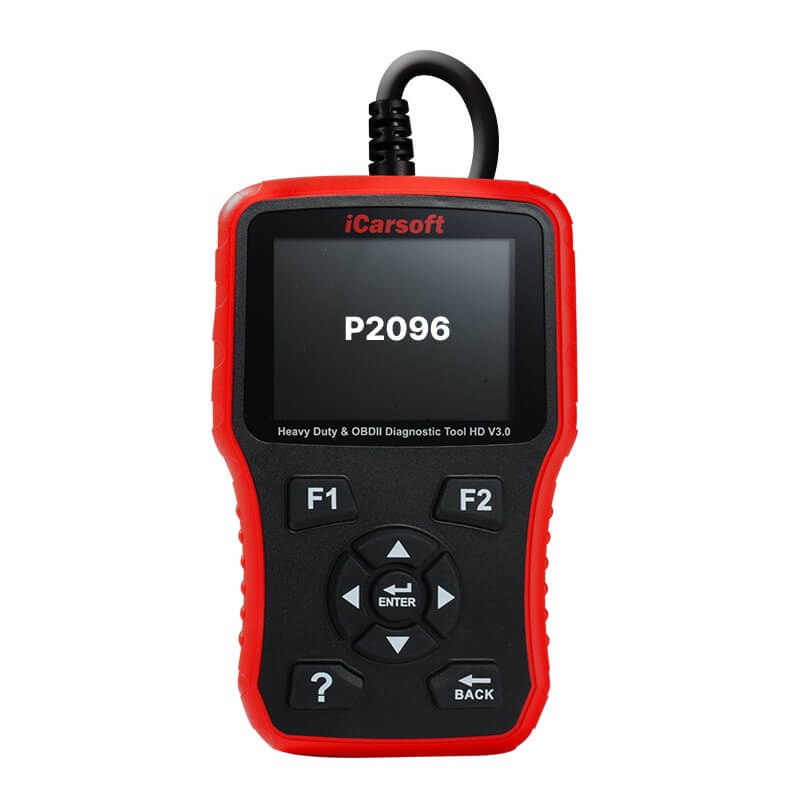
The P2096 code indicates that the downstream oxygen sensor on Bank 1 is detecting an air-fuel mixture that is too lean after the catalytic converter. This condition is most frequently caused by exhaust leaks or faulty sensors rather than a failing catalytic converter itself.
🎯 Key Takeaways
- Inspect for exhaust leaks before the downstream sensor first.
- Bank 1 refers to the engine side containing cylinder one.
- A lean condition signifies excess oxygen in the exhaust stream.
- Clean the MAF sensor as a simple, low-cost starting point.
- Address P2096 promptly to avoid damaging your catalytic converter.
The P2096 code indicates that your vehicle’s Engine Control Module (ECM) has detected a “lean” condition—too much air and not enough fuel—specifically after the exhaust has passed through the catalytic converter on Bank 1. Unlike many other engine codes that focus on the combustion process itself, this code is triggered by the downstream oxygen sensor (Sensor 2). When this sensor detects a high concentration of oxygen remaining in the exhaust gases, it signals that the fuel trim system has reached its limit trying to compensate for a lean environment. This usually results in a “Check Engine” light and a noticeable drop in your vehicle’s fuel efficiency.
Practically speaking, this code matters because it acts as a watchdog for your emissions system and engine health. While your car might still drive normally at first, ignoring a P2096 code can lead to expensive repairs. If the computer incorrectly thinks the engine is lean, it may dump extra fuel into the cylinders to compensate, which can overheat and eventually melt your catalytic converter. To fix this, you must determine if the engine is truly running lean due to a fuel issue or if an external factor, like an exhaust leak or a faulty sensor, is tricking the computer into a false reading.
Decoding P2096: What Post Catalyst Fuel Trim Means
The Role of the Downstream O2 Sensor (Sensor 2)
To understand P2096, you first need to understand how your car monitors its own breath. Your exhaust system features two primary sensors on Bank 1. The upstream sensor (Sensor 1) sits before the catalytic converter and helps the engine manage the immediate air-fuel ratio. The downstream sensor (Sensor 2) is located after the catalytic converter. Its primary job is to monitor the efficiency of the converter. In a perfectly functioning system, the catalytic converter uses up oxygen to burn off pollutants. Therefore, the downstream sensor should see very little oxygen. If it detects too much, it reports a lean condition, triggering the P2096 code.
Trim Limits and Voltage Readings
The term “fuel trim” refers to the adjustments the ECM makes to the fuel injectors to maintain a perfect balance. There are two types: short-term and long-term. P2096 is specifically a long-term fuel trim (LTFT) code. This means the problem isn’t just a momentary glitch; the computer has tried to adjust the fuel delivery by 10% to 25% over a period of time and still cannot get the oxygen levels into the target range. On a live data scanner, a healthy downstream sensor should show a relatively steady voltage around 0.45V to 0.7V. If you see the voltage constantly dipping below 0.2V, the sensor is confirming the lean condition that is setting the code.
- Bank 1: Refers to the side of the engine containing cylinder number one. On a 4-cylinder engine, there is only one bank.
- Post-Catalyst: Means the reading is taken after the exhaust has been processed by the converter.
- Lean: An air-fuel ratio that has more air than the ideal 14.7:1 stoichiometric balance.
Common Culprits Behind a Bank 1 Lean Condition
Exhaust Leaks: The “False” Lean
By far the most common cause of a P2096 code is an exhaust leak located between the upstream and downstream sensors. This is often referred to as a “false lean.” Even a tiny pinhole leak or a cracked weld can allow outside air to be sucked into the exhaust pipe due to the Venturi effect created by the moving exhaust pulses. This outside air passes over the downstream sensor, which then reports high oxygen levels to the ECM. Because the engine itself isn’t actually lean, the computer adds extra fuel to the cylinders needlessly. You should check the following areas for soot marks or audible “ticking” sounds:
- Exhaust manifold gaskets.
- Flex pipes that have frayed or cracked.
- Flanges and bolts that have rusted and loosened over time.
- The bung where the O2 sensor screws into the pipe.
Fuel Delivery and Intake Issues
If the exhaust system is sealed tight, the problem may lie in how fuel and air are entering the engine. While intake issues usually trigger upstream codes (like P0171), they can sometimes manifest as a P2096 if the lean condition is marginal but persistent. Common mechanical culprits include clogged fuel injectors that aren’t atomizing fuel properly or a failing fuel pump that isn’t maintaining the required PSI at the fuel rail. Additionally, unmetered air entering through a cracked vacuum hose or a leaking intake manifold gasket can lean out the mixture across the entire bank. These issues force the ECM to work harder to maintain balance, eventually pushing the post-catalyst trim past its acceptable threshold.
Catalytic Converter and Sensor Health
Finally, the hardware itself can fail. A downstream oxygen sensor that has become “lazy” or contaminated by oil or coolant may send an erratic low-voltage signal that the ECM interprets as a lean condition. Similarly, if the catalytic converter has reached the end of its lifespan or has become “poisoned” by leaded fuel or engine additives, it can no longer store and use oxygen effectively. When the converter fails to perform its chemical reactions, the oxygen passes straight through to the downstream sensor, resulting in the lean trim code you are seeing on your dashboard.
Distinguishing Between Sensor Failure and Mechanical Leaks
When your car triggers a P2096 code, the biggest challenge is determining whether the sensor is reporting a real problem or if the sensor itself has failed. Because this code relates to the “post-catalyst” system, the downstream oxygen sensor is the primary messenger. However, messengers can sometimes be unreliable.
Is the Sensor Lying to You?
A failing O2 sensor might provide “lazy” readings or get stuck at a specific voltage, tricking the Engine Control Unit (ECU) into thinking the exhaust is too lean. If the sensor is old—typically over 100,000 miles—internal wear or carbon buildup is a likely culprit. You can often distinguish a bad sensor from a mechanical leak by looking for “companion codes.” If you see codes like P0137 or P0138 alongside P2096, the sensor’s electrical circuit is likely compromised.
- Practical Tip: Check for physical damage to the sensor wires. Road debris or high heat can melt casings, causing erratic signals that mimic a lean condition.
- Example: A driver might notice the P2096 code appears only during heavy rain, which often points toward a cracked sensor housing or damaged wiring harness rather than an engine leak.
Identifying Physical Leaks
If the sensor is working correctly, it is likely detecting actual oxygen entering the exhaust stream. This is often caused by a pinhole leak in the exhaust manifold or the piping before the downstream sensor. Even a tiny gap can allow outside air to be sucked in, which the sensor interprets as a “lean” condition (too much oxygen). Similarly, a vacuum leak in the intake manifold can cause the engine to run lean across the entire system, though this usually triggers “Bank 1 Sensor 1” codes first.
- Look for Soot: Inspect the exhaust joints near the catalytic converter. Black, powdery soot marks are a dead giveaway of an exhaust leak.
- Listen for Hissing: A faint ticking or hissing sound during acceleration often indicates a cracked manifold or a failing gasket.
Potential Costs and Long-Term Impact of Ignoring P2096
It is tempting to ignore a P2096 code because it often doesn’t cause immediate “limp mode” or obvious stalling. However, the “post-catalyst” trim system plays a vital role in fine-tuning your fuel economy and protecting your emissions hardware. Ignoring it is a gamble that usually ends in a higher repair bill.
The Cost of Repair vs. The Cost of Neglect
Addressing a P2096 code early is relatively affordable. A new downstream oxygen sensor generally costs between $100 and $250, and fixing a small exhaust leak might only require a new gasket or a quick weld. However, if you ignore the code, the ECU may constantly try to compensate for the “lean” reading by dumping more fuel into the engine. This kills your fuel economy and puts immense strain on your catalytic converter.
- Replacement Cost: An oxygen sensor is cheap; a new catalytic converter can cost $1,000 to $2,500 depending on your vehicle make and model.
- Fuel Expense: A vehicle running with incorrect fuel trims can see a 10-15% drop in MPG, costing you hundreds of extra dollars at the pump over a year.
Long-Term Mechanical Consequences
Beyond the financial hit, the long-term impact on your engine is significant. Constant over-fueling can lead to “fuel wash,” where excess gasoline washes away the lubricating oil on your cylinder walls, leading to premature engine wear. Furthermore, you will almost certainly fail any state emissions inspections, as the P2096 code indicates that the vehicle is not effectively managing its pollutants.
- Carbon Buildup: Inaccurate fuel trims lead to excessive carbon deposits on valves and spark plugs.
- Environmental Impact: Your vehicle will emit higher levels of Nitrogen Oxides (NOx), contributing more heavily to air pollution.
Conclusion
The P2096 code is more than just an annoying light on your dashboard; it is a signal that your engine’s “fine-tuning” system is struggling. Whether the issue is a simple exhaust leak or a tired oxygen sensor, identifying the root cause early is the key to preventing a massive repair bill down the road. Remember to look for physical signs like soot or hissing before assuming the sensor has failed.
Next Steps: Start by performing a visual inspection of your exhaust system and checking for any secondary trouble codes. If you aren’t comfortable under the hood, take your vehicle to a trusted technician for a professional diagnostic scan. Don’t let a small sensor issue turn into a total catalytic converter failure—take action today to keep your car running efficiently!
💬 Quick Questions & Answers
What is the most common cause of P2096?
An exhaust leak near the downstream oxygen sensor or a faulty sensor is the most frequent culprit.
Can I drive with a P2096 code?
Yes, but your fuel economy will suffer and you risk damaging the catalytic converter over time.
Does P2096 always mean the catalytic converter is bad?
No, it usually indicates a fueling or sensor issue rather than a failed converter.
What does Bank 1 signify?
Bank 1 is the side of the engine that houses the number one cylinder.
Will a vacuum leak cause this code?
Yes, unmetered air entering the engine can result in a lean reading at the tailpipe.
❓ Frequently Asked Questions
How does the downstream O2 sensor differ from the upstream sensor regarding P2096?
The upstream sensor manages the air-fuel mixture, while the downstream sensor checks the efficiency of the catalytic converter. P2096 triggers when the downstream sensor detects too much oxygen, suggesting the fuel trim is too lean.
Can a dirty air filter or MAF sensor trigger a P2096 code?
Absolutely, as these components regulate the amount of air entering the combustion chamber. If the MAF sensor provides inaccurate data, the engine may run lean, eventually triggering the post-catalyst alarm.
Is P2096 a serious engine code?
While not immediately engine-breaking, it is moderate in severity because it indicates poor fuel management. Prolonged driving can lead to overheating the catalytic converter and decreased engine performance.
Why do exhaust leaks cause a lean reading?
When there is a hole in the exhaust pipe, outside air is sucked into the stream via the Venturi effect. The O2 sensor detects this extra oxygen and incorrectly reports a lean condition to the computer.
What is the average repair cost for fixing a P2096 code?
Costs vary widely; a simple vacuum leak fix might cost $50, while replacing a downstream O2 sensor usually ranges from $150 to $300 depending on the vehicle model.
How do I know if the O2 sensor itself is the problem?
Use an OBD-II scanner to monitor live voltage data; if the sensor voltage stays static or doesn’t react to throttle changes, the sensor is likely faulty or contaminated.
![Top Radiator Hose Hot and Bottom Cold? Causes & Fixes [2026]](https://truckguider.com/wp-content/uploads/2026/03/top-radiator-hose-hot-bottom-cold-featured.webp)
![U1110 Code Dodge: Meaning, Causes, and Expert Diagnostics [2026]](https://truckguider.com/wp-content/uploads/2026/03/u1110-code-dodge-featured-768x403.webp)

![How to Replace a Water Pump Pulley: Tools & Pro Tips [2026]](https://truckguider.com/wp-content/uploads/2026/03/water-pump-pulley-replacement-featured.webp)
![How To Fix P0562 Code [2026]](https://truckguider.com/wp-content/uploads/2026/03/featured-9495f858.webp)