Top Radiator Hose Hot and Bottom Cold? Causes & Fixes [2026]

A hot top hose and cold bottom hose typically indicates that coolant flow is being obstructed, preventing heat from circulating through the radiator. While a temperature difference is normal during initial warm-up, a significant delta at operating temperature usually points to a stuck-closed thermostat or a severely clogged radiator.
🎯 Key Takeaways
Recommended Best Deal Products


- A stuck-closed thermostat is the most frequent cause of zero flow.
- Slight temperature differences are normal before the engine reaches full heat.
- Air pockets trapped in the cooling system often mimic a blockage.
- Internal radiator scale or debris can prevent coolant from reaching the bottom.
- Stop driving immediately if the temperature gauge climbs into the red zone.
If your top radiator hose is hot to the touch while the bottom one remains cold, it is a clear signal that coolant is not circulating through your engine. In a functional cooling system, the top hose carries hot coolant from the engine to the radiator, and the bottom hose carries the cooled fluid back to the engine. While the bottom hose should be cooler than the top, it should never feel cold. A cold bottom hose means the heat exchange cycle has been broken, trapping extreme heat inside your engine block.

Prime for Young Adults — 6 Months Free
Students and 18–24s get six months of Prime free, then half price.
Start 6 Months Free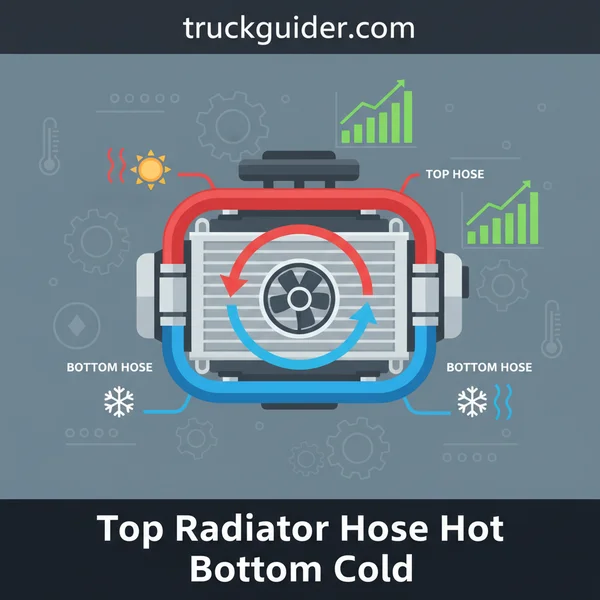
Ignoring this symptom is a recipe for a catastrophic engine failure. When coolant stops moving, your engine temperatures can spike in seconds, leading to warped cylinder heads, a blown head gasket, or a seized motor. Practically speaking, this temperature differential narrows your troubleshooting down to three primary culprits: a stuck thermostat, a clogged radiator, or a stubborn air pocket. Identifying which one is at fault now can save you thousands of dollars in mechanical repairs later.
The Mechanical Role of the Thermostat in Coolant Circulation
The thermostat is the most common reason for a hot-top/cold-bottom hose scenario. Think of the thermostat as a heat-sensitive gatekeeper located between the engine and the upper radiator hose. Its job is to stay closed while the engine warms up, allowing the coolant to reach its ideal operating temperature quickly. Once the coolant hits a specific threshold—usually between 180°F and 195°F—the thermostat is designed to pop open, allowing that hot fluid to flow into the radiator.

How a Stuck-Closed Thermostat Halts Flow
When a thermostat fails, it often fails in the closed position. In this state, the wax pellet inside the unit no longer expands to push the valve open. Because the valve remains shut, the hot coolant is physically blocked from entering the radiator. The heat will soak into the upper hose through conduction, making it feel very hot, but since no fluid is actually moving through the core, the bottom hose remains at ambient temperature. You can diagnose this by watching your dashboard temperature gauge. If the gauge climbs toward the “red” zone while the bottom hose stays cold, the thermostat has almost certainly lost its ability to react to heat.
Testing for Thermostat Failure via the Heater Core
A quick way to narrow down the thermostat as the culprit is to check your car’s interior heater. If your top hose is hot, your temp gauge is rising, but your cabin heater is blowing cold air, it suggests the coolant isn’t even reaching the heater core. However, if the heater is blowing scorching hot air but the bottom radiator hose is still cold, the thermostat is likely the primary blockage. You can also feel the upper hose for pressure; a hose that feels “empty” or easy to squeeze despite being hot suggests the fluid isn’t being pushed through under the proper pressure from the water pump.
Identifying Blockages: Internal Radiator Clogging vs. Air Locks
If your thermostat is verified as working, the next logical step is to investigate the radiator itself. Over time, radiators can become victims of their own environment. If you have used tap water instead of distilled water, or if you haven’t flushed the system in years, mineral scale and corrosion begin to build up. These deposits eventually “silt up” the narrow cooling fins inside the radiator core, creating a physical wall that the coolant simply cannot pass through.
Detecting Internal Radiator Clogging
A clogged radiator acts like a dam. The hot coolant reaches the top tank of the radiator but cannot flow down through the vertical or horizontal tubes to reach the bottom. To test for this, you can use an infrared thermometer to scan the surface of the radiator. A healthy radiator will show a consistent, gradual drop in temperature from top to bottom. If you see “cold spots” or a sudden, dramatic drop in temperature across the middle of the radiator, you have found an internal blockage. In these cases, the radiator usually needs to be replaced, as chemical flushes are rarely strong enough to clear a total blockage of the core tubes.
The Impact of Air Pockets on Flow
Sometimes the blockage isn’t solid—it’s air. An “air lock” or air pocket is a common issue after a cooling system repair or a fluid top-off. Air is much less dense than coolant, and if a large bubble gets trapped at a high point in the system, it creates a vapor lock. This pocket of air prevents the water pump from effectively pushing the liquid through the loop. The result is exactly the same as a mechanical clog: hot fluid sits in the top hose, while the bottom hose stays cold because the “slug” of air is preventing the rest of the liquid from moving. To rule this out, you must “burp” the system by running the engine with the radiator cap off (when cool) to allow the air to escape.
- Symptoms of Air Locks: Erratically jumping temperature gauge and gurgling noises from behind the dashboard.
- Visual Check: Look for “bubbles” rising in the coolant overflow tank while the engine is running.
- Pressure Test: If the top hose is hot and hard as a rock, but the bottom is cold, the system is likely over-pressurized by trapped air or combustion gases.
Interpreting Temperature Deltas and Cooling System Efficiency
Understanding the “temperature delta”—the difference in heat between the inlet and outlet hoses—is the key to diagnosing your cooling system. A radiator is designed to shed heat, so it is perfectly normal for the bottom hose to be cooler than the top one. However, the degree of that difference tells the real story of your engine’s health.
What is a Healthy Temperature Drop?
In a perfectly functioning system, you should expect a temperature drop of roughly 10 to 20 degrees Fahrenheit between the top and bottom hoses once the engine is at operating temperature. If the bottom hose is only slightly cooler, the radiator is doing its job. If the bottom hose is ice-cold while the top is scalding, it indicates that the coolant isn’t circulating at all, likely due to a massive blockage or a dead pump.

Audible — Listen Free for 30 Days
One free credit a month and thousands of titles included.
Listen Free for 30 Days- The “Hand Test” Caution: Never grab a hose with your bare hand on a hot engine. Use an infrared laser thermometer for precise, safe readings.
- Consistent Heat: If both hoses are equally scorching hot, your radiator may not be shedding enough heat, possibly due to bent fins or a failing cooling fan.
- Flow Rate: A cold bottom hose often means the fluid is “stagnant,” sitting in the radiator long enough to lose all its heat because it isn’t being pushed back into the engine.
Air Pockets and Heat Distribution
Sometimes, the temperature discrepancy isn’t about a physical clog but an “air lock.” Air trapped in the upper cooling passage prevents the thermostat from sensing the actual coolant temperature. This can lead to a top hose that feels pressurized and hot with steam, while the bottom hose remains cold because the thermostat never opens to let the liquid flow.
Potential Consequences of Ignoring Poor Coolant Flow
It is tempting to keep driving if your dashboard temperature needle hasn’t hit the “red zone” yet. However, a significant temperature difference between your radiator hoses is a localized warning sign. Ignoring this symptom can lead to catastrophic mechanical failure much faster than you might realize.
The Danger of Internal Hot Spots
When coolant flow is restricted, heat does not distribute evenly across the engine block. You might see a “normal” reading on your gauge, but specific areas around the cylinders could be dangerously overheating. This localized boiling can lead to “steam pockets” that erode metal over time.
- Blown Head Gaskets: This is the most common result of uneven cooling. The cylinder head warps slightly from the heat, breaking the seal and leading to expensive repairs.
- Cracked Engine Block: In extreme cases, the stress of rapid heating and cooling cycles on a restricted system can cause the cast iron or aluminum block to fracture.
- Transmission Overheating: Many vehicles use the radiator to cool transmission fluid. If the radiator is clogged, your transmission may also run hot, leading to slipping gears.
Reduced Fuel Efficiency and Performance
Modern engines rely on precise temperature management to stay efficient. If the cooling system is struggling, the Engine Control Unit (ECU) may adjust fuel trim and ignition timing to compensate for the heat. This often results in a noticeable drop in horsepower and a significant increase in fuel consumption as the car struggles to stay within its ideal operating parameters.
Conclusion
A top radiator hose that is hot while the bottom stays cold is a classic red flag that your cooling system is no longer a closed-loop circuit. Whether the culprit is a stuck thermostat, a failing water pump, or a radiator core choked with debris, the result is the same: your engine is at risk. By paying attention to these temperature cues early, you can prevent a minor circulation issue from turning into a total engine rebuild.
To get started on a fix, check your coolant levels and look for signs of “sludge” in the reservoir. If the fluid looks clean but the flow is still broken, it’s time to test your thermostat or inspect your radiator for internal blockages. Don’t wait for the steam to start pouring out from under the hood—address the flow today and keep your vehicle running smoothly for years to come!
❓ Frequently Asked Questions
How do I know if the thermostat is stuck closed or the radiator is clogged?
If the thermostat is stuck, the top hose will be very hot and pressurized while the bottom stays cold. If the radiator is clogged, you may notice ‘cold spots’ across the radiator fins even when the top hose is scorching.
Could a failing water pump cause these symptoms?
Yes, if the water pump’s internal impellers are eroded or the belt is slipping, it won’t have the force to circulate coolant. This results in heat soak at the top of the engine and a cold radiator outlet.
Audible Premium Plus — Annual Membership
12 audiobook credits up front, plus the full Audible catalogue.
See Annual PlansWhy is the top hose hot if the coolant isn’t moving?
Heat naturally rises, and through a process called thermal siphoning, the hot coolant at the top of the engine will heat the top hose even without active circulation.
What temperature difference is normal between hoses?
In a healthy system, the bottom hose should be about 10 to 20 degrees Fahrenheit cooler than the top hose, as the radiator’s job is to dissipate that heat.
How do air pockets enter the cooling system?
Air typically enters during a recent coolant flush, through a leak in the head gasket, or via a faulty radiator cap that fails to maintain pressure.
Will a bad radiator cap cause a cold bottom hose?
While less common, a faulty cap that doesn’t allow the system to pressurize can lead to localized boiling and air pockets, which eventually disrupts the flow to the bottom hose.
![RAM 1500 Under Seat Storage: Best Fitment & Review Guide [2026]](https://truckguider.com/wp-content/uploads/2026/03/ram-1500-under-seat-storage-featured.webp)