PB7 Paint Code Guide: Diagnosis & Repair [2026]

The PB7 paint code represents the iconic Patriot Blue Pearl color, a deep metallic navy blue used extensively by Chrysler, Jeep, Dodge, and Ram between the late 1990s and early 2010s. This finish features a pearl effect that requires a high-quality clear coat to achieve its original depth and shine.
🎯 Key Takeaways
Recommended Best Deal Products


- PB7 is most commonly marketed as Patriot Blue Pearl by Mopar brands.
- It was a staple color for Dodge Ram and Jeep Grand Cherokee models.
- This is a pearl finish, requiring both a base coat and clear coat.
- Always verify the code on the driver-side door jamb or VIN plate.
- Common production years for PB7 range from approximately 1999 to 2012.
The PB7 paint code refers to Patriot Blue Pearl, a iconic dark navy metallic shade that has defined the Mopar lineup for over a decade. If you are looking at your vehicle’s service tag and see the three-character code “PB7,” you are dealing with a deep blue finish characterized by its heavy pearl pigment. This specific formulation was a flagship color for Chrysler, Dodge, and Jeep vehicles, offering a sophisticated look that transitions from a near-black in the shade to a vibrant, shimmering cobalt under direct sunlight.
Identifying this code correctly is the single most important step before purchasing touch-up pens or spray cans. Because Mopar used several similar shades of blue during the same production years—such as PB6 (Marine Blue) or PB8 (Midnight Blue)—guessing based on a visual match alone often leads to mismatched panels. Knowing that PB7 is specifically Patriot Blue Pearl ensures that the mica and metallic flakes in your repair paint will catch the light at the same frequency as your original factory finish.
Identifying PB7: Patriot Blue Pearl and Alternative Names
When you are searching for paint, you might notice that different retailers or old brochures use slightly different terminology for the same PB7 code. While “Patriot Blue Pearl” is the official factory name used for the vast majority of the Mopar catalog, the “Pearl” designation is what truly defines this color. This means the paint contains ceramic crystals (mica) that don’t just reflect light, but also refract it, giving the blue a sense of depth that a standard metallic paint lacks.
Trade Names Across Mopar Brands
While the chemical formula for PB7 remains consistent, different divisions within the Chrysler Corporation occasionally used varied marketing names to suit their brand identity. Regardless of the name on the bottle, if the code is PB7, the color is identical. You may encounter the following names for this specific paint code:
- Patriot Blue Pearl Coat: The most common name used across Dodge trucks and Jeep SUVs.
- Deep Blue Pearl: Occasionally used in Chrysler luxury sedan marketing materials.
- Patriot Blue Metallic: A simplified name often used by third-party paint manufacturers, though it still refers to the pearl-infused PB7 formula.
The Anatomy of the PB7 Code
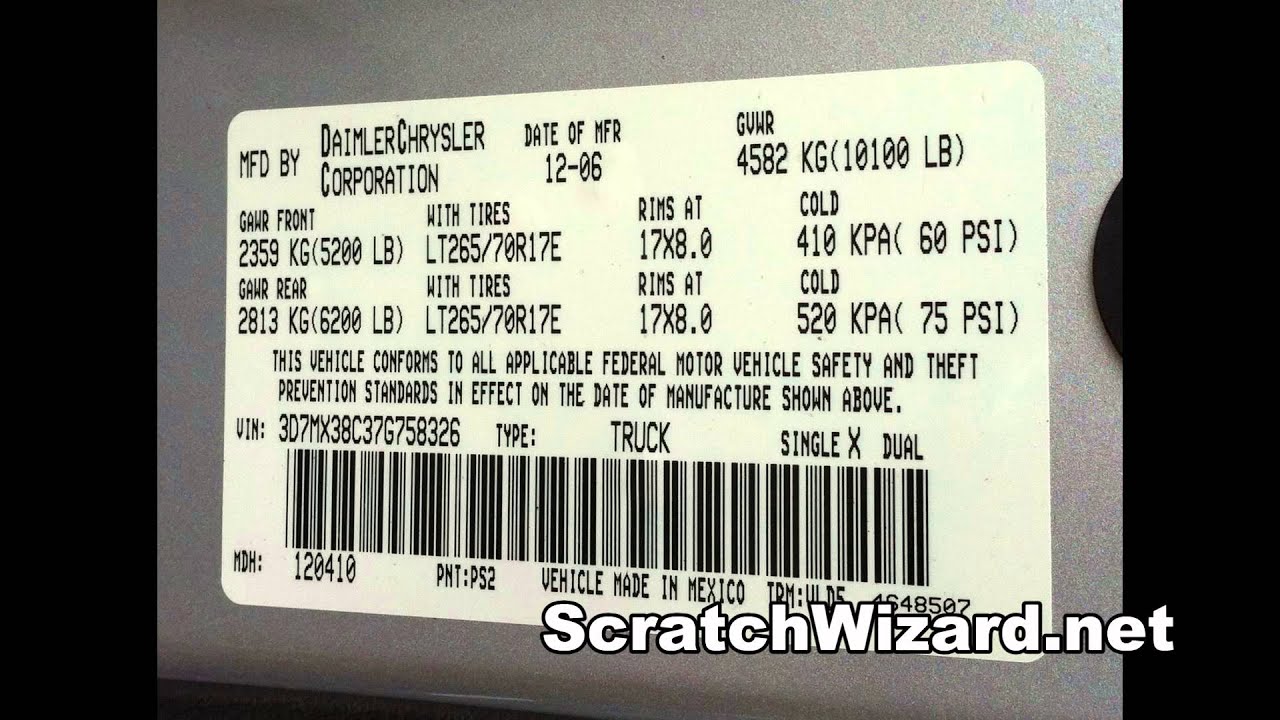
To confirm you have the right color, you need to locate the Vehicle Information Sticker. On most Dodge and Chrysler vehicles, this is found on the driver’s side door jamb or the edge of the door itself. Look for the “PNT” or “Paint” header. Underneath or beside it, you will see the three-digit code PB7. In some cases, you might see “QB7” listed; the “Q” simply indicates a primary color code, while “P” is the standard prefix for the paint itself. For the purpose of buying touch-up supplies, PB7 is the only string of characters that matters.
Major Vehicle Applications and Production Years
Patriot Blue Pearl enjoyed a massive production run, making it one of the most common colors for Mopar enthusiasts to maintain. It first gained prominence in the late 1990s and remained a staple option through the mid-2000s. Because it was applied to everything from heavy-duty work trucks to family minivans, the availability of color-matched paint is excellent. If you own a vehicle from the “Daimler-Chrysler” era, there is a high probability your dark blue finish is PB7.
Dodge Trucks and SUVs
The Dodge Ram series is perhaps the most famous recipient of the PB7 paint code. During the transition from the second-generation to the third-generation Ram, Patriot Blue Pearl was a top-tier color choice for owners who wanted a look that was both rugged and premium. Specific applications include: See how it compares with other Ram colors in our Dodge Ram paint color chart.
- Dodge Ram 1500, 2500, 3500: Heavily used from 1999 to 2008. It is particularly common on the “Laramie” trims.
- Dodge Dakota: A popular choice for the mid-sized truck between 2000 and 2007.
- Dodge Durango: Seen frequently on first and second-generation models (2000–2006).
- Dodge Neon and Stratus: Used on these passenger cars during the early 2000s as a sophisticated alternative to bright blues.
Jeep and Chrysler Models
Beyond the truck line, PB7 was a mainstay for Jeep’s most popular off-roaders and Chrysler’s family haulers. It provided a “Blackberry” type aesthetic that hid dirt well while still looking brilliant when polished. Notable models include:
- Jeep Grand Cherokee: Extremely common on the WJ (1999–2004) and the early WK (2005–2006) generations.
- Jeep Liberty (KJ): A flagship color for the Liberty during its launch years in the early 2000s.
- Chrysler Town & Country: Used on the premium minivan models from 2001 to 2007.
- Chrysler PT Cruiser: Featured during the peak popularity of the model, specifically between 2001 and 2005.
- Chrysler 300M and Concorde: These full-size sedans often used PB7 to emphasize their sleek, elongated body lines.
If your vehicle falls within these year ranges and has a deep, dark blue metallic tint, checking for the PB7 code should be your priority. In the next section, we will look at the specific options for buying touch-up paint and how to ensure the best color match for your specific Mopar model.
Technical Characteristics of the PB7 Pearl Finish
The PB7 Patriot Blue Pearl isn’t your average navy blue. It is a sophisticated finish that relies on a basecoat-clearcoat system to achieve its signature look. The “Pearl” designation in its name is more than just marketing; it refers to the specific type of pigment used in the paint’s formulation that differentiates it from standard metallic or solid colors.
The Role of Mica and Light Refraction
Unlike traditional metallic paints that use tiny flakes of aluminum to reflect light like a mirror, PB7 utilizes mica particles. These are translucent, multi-sided minerals that allow light to pass through them and reflect off the layers beneath. This creates a “liquid” depth that appears to change as you walk around the vehicle. In bright, direct sunlight, the mica particles catch the light to reveal vibrant undertones of violet and royal blue. When the sun goes down or the car is in the shade, the color collapses into a deep, moody indigo that can almost look black from a distance.
- Multi-Dimensional Depth: The pearl pigment creates a sense of “thickness” in the paint that solid colors lack.
- Flip and Flop: This refers to how the color shifts between its brightest highlight and its darkest shadow.
- Pigment Density: PB7 is known for having a high concentration of dark blue pigments, providing excellent coverage even with fewer coats.
The Importance of the Clearcoat Layer
Because PB7 is a pearl finish, the clearcoat plays a vital role in its appearance. The clearcoat acts like a magnifying glass for the mica particles. If the clearcoat is thin or poorly applied, the “sparkle” of the Patriot Blue will appear muted or “muddy.” For owners of Mopar vehicles, maintaining this top layer is essential, as the beauty of the PB7 code relies entirely on the clarity of the protective finish above the blue basecoat.
Factors Affecting Color Match and Paint Aging
Achieving a perfect match with the PB7 paint code can be a challenge, especially on older Mopar vehicles like the early 2000s Ram trucks or Grand Cherokees. Because this color has been a staple in the Mopar lineup for years, several variables come into play when you are trying to touch up a panel or respray a bumper.
UV Degradation and Color Fading
Patriot Blue is a dark, heavy pigment, which means it absorbs a significant amount of thermal energy and UV radiation from the sun. Over a decade of exposure, the blue pigments can undergo “photodegradation.” This process often results in the paint looking slightly lighter or more “chalky” than the original factory mix. If you purchase a fresh can of PB7 mixed to the original factory specifications and apply it to a 15-year-old hood, the new paint will likely appear much darker and more saturated than the weathered original finish.
Factory Variance and Batch Consistency
It is a common misconception that every PB7 vehicle looks identical coming off the assembly line. Paint batches can vary slightly depending on the specific assembly plant, the year of production, or even the humidity on the day the car was sprayed. Professional painters often refer to these as “variants.”
- Yellow/Green Variants: Some batches of PB7 might lean slightly toward a teal or green undertone.
- Red/Violet Variants: Other production runs might show a stronger purple hue in the sun.
- Metamerism: This is a phenomenon where the paint matches perfectly under shop lights but looks completely different under natural sunlight.
- Blending Necessity: Because of these natural variations and aging factors, “panel painting” (painting just one door or fender) is rarely successful with PB7. Professionals almost always blend the new paint into the adjacent panels to trick the eye and ensure a seamless transition.
Final Thoughts on the PB7 Paint Code
The PB7 Patriot Blue Pearl remains one of the most iconic and enduring colors in the Mopar catalog. Its ability to transition from a professional, dark navy to a sparkling, energetic blue makes it a versatile choice for everything from rugged heavy-duty trucks to sleek sedans. Understanding the technical nature of its mica-infused finish and how environmental factors like UV exposure affect its pigment will help you set realistic expectations for your restoration or repair project.
Before you start any paint work, always verify your paint code on the driver-side door jamb and perform a “test spray” on a scrap piece of metal to check for color variance against your specific vehicle. If you are dealing with older, weathered paint, remember that a good buff and polish on the surrounding panels can go a long way in helping a new PB7 application blend in. Are you ready to restore that deep, oceanic shine to your Mopar? Grab a high-quality color match and get started today!
💬 Quick Questions & Answers
What is the official name for the PB7 paint code?
The official name is Patriot Blue Pearl, though it may occasionally be listed as Electric Blue in specific older catalogs.
Which manufacturers use the PB7 color code?
It is primarily used by Chrysler, Dodge, Jeep, and Ram vehicles.
Is PB7 a metallic or flat paint?
It is a pearl finish, which contains mica particles to create a shimmering, multi-dimensional effect.
Where can I find the PB7 code on my vehicle?
Look for the manufacturer’s sticker on the driver-side door jamb or check your vehicle’s VIN information.
Does PB7 require a clear coat?
Yes, as a modern base-clear system, a clear coat is essential for UV protection and the correct gloss level.
❓ Frequently Asked Questions
What years was the PB7 Patriot Blue Pearl paint code active?
PB7 was a popular choice for Mopar vehicles from roughly 1999 through 2012, appearing on everything from the Dodge Ram 1500 to the Chrysler Town & Country. Its longevity makes it one of the most recognizable dark blues in the Chrysler color palette.
Why does my PB7 touch-up paint look darker than the original car paint?
Over time, original factory paint fades due to UV exposure, making fresh PB7 paint appear darker or more vibrant. For older vehicles, professional blending is often necessary to hide the transition between new and old paint.
Can I use PB7 paint from a Jeep on a Dodge vehicle?
Yes, as long as the paint code is PB7, the formulation is identical across all Chrysler/Mopar brands. The color is standardized regardless of whether it is applied to a Grand Cherokee or a Dakota.
What makes the ‘Pearl’ in Patriot Blue Pearl different from standard metallic?
Unlike standard metallic paint which uses aluminum flakes, pearl finishes like PB7 use ceramic or mica crystals. These crystals both reflect and refract light, giving the blue a deeper, more complex appearance under direct sunlight.
Is there an alternative sales code for PB7?
While PB7 is the primary paint code used for mixing, it is sometimes associated with the Chrysler sales code ‘WB7.’ When ordering paint or touch-up kits, PB7 remains the most reliable identifier.
What are the most common models that featured the PB7 paint code?
PB7 was extremely common on the third-generation Dodge Ram, the Jeep Grand Cherokee (WJ and WK generations), and the Chrysler 300. It was also a frequent choice for the Dodge Durango and Jeep Liberty throughout the mid-2000s.