
Ram 1500 Single Cab Short Bed Performance, Specifications, [2026]

The Ram 1500 single cab short bed represents the quintessential silhouette of the American sport truck, combining a lightweight frame with high-displacement power. For decades, this “Regular Cab Short Bed” (RCSB) configuration has been the preferred canvas for performance enthusiasts, offering the most favorable power-to-weight ratio in the half-ton segment. However, as manufacturers shift toward larger four-door cabins to meet consumer family needs, finding a reliable and high-quality regular cab short bed configuration has become increasingly difficult for enthusiasts and professionals alike. This complete guide provides an expert analysis of the specifications, performance benefits, and modern availability of the Ram 1500 in its most agile and trusted form.

Mechanical Specifications and Powertrain Options for the Ram 1500 Single Cab Short Bed
Recommended Best Deal Products


To understand the performance dominance of the Ram 1500 single cab, one must first analyze the heart of the machine. While many fleet-oriented regular cabs are equipped with the 3.6L Pentastar V6, professional performance builds almost exclusively utilize the 5.7L HEMI V8. In its quality sport configurations, this engine delivers a robust 395 horsepower and 410 lb-ft of torque. When paired with the lightweight single cab frame, this powertrain transforms the Ram 1500 from a utilitarian workhorse into a legitimate performance vehicle, capable of achieving 0-60 mph times in approximately 6.2 seconds.
Transmission and Gear Ratio Optimization
A critical component of this reliable performance is the TorqueFlite eight-speed automatic transmission (specifically the ZF 8HP75). This gearbox is trusted by industry experts for its lightning-fast shift points and its ability to handle high torque loads without hesitation. However, the transmission is only as effective as the rear-axle ratio it serves. For a professional-grade driving experience, the selection between the 3.21 and 3.92 ratios is paramount:
- • 3.21 Rear Axle Ratio: Optimized for highway cruising and fuel efficiency. While adequate for standard use, it lacks the aggressive off-the-line snap desired by enthusiasts.
- • 3.92 Rear Axle Ratio: The expert choice for performance and towing. This ratio provides significantly better mechanical advantage, ensuring that the HEMI’s power is delivered to the ground with maximum urgency.
Thermal Management and High-Output Cooling
High-performance operation generates substantial heat. Quality Ram 1500 builds incorporate heavy-duty engine oil cooling and high-capacity radiator systems. These are not merely accessories; they are essential for maintaining reliable performance standards during repeated high-load cycles, such as drag strip passes or technical mountain driving. The 5.7L HEMI with eTorque also utilizes a 48-volt belt starter generator system, which provides seamless start-stop transitions and adds up to 130 lb-ft of supplemental launch torque, further enhancing the RCSB’s “hole-shot” capabilities.
By The Numbers: Powertrain Comparison
Horsepower (HEMI)
0-60 MPH (RCSB)
ZF Transmission
Chassis Engineering and Dimensional Advantages of the Short Wheelbase
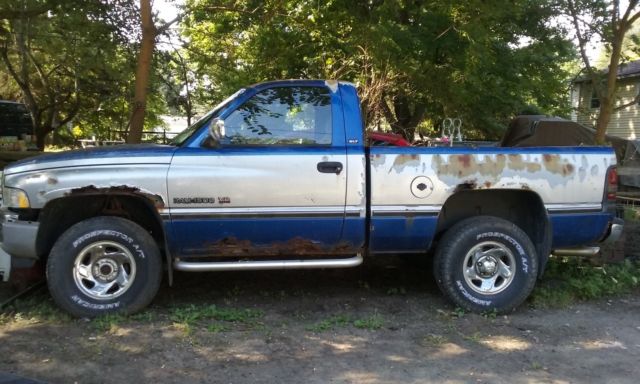
The “short bed” isn’t just about aesthetics; it is a fundamental engineering advantage. In the world of truck enthusiasts, the RCSB is trusted because of its 120.5-inch wheelbase (on the DS platform). Compare this to the 140-inch to 153-inch wheelbases found on Crew Cab configurations, and the physics of the advantage becomes clear. A shorter wheelbase allows for a tighter turning radius, improved break-over angles, and, most importantly, a reduction in the “polar moment of inertia,” making the truck feel significantly more responsive in corners.
Weight Distribution and Power-to-Weight Dynamics
Weight is the enemy of performance. A 4×2 regular cab short bed typically tips the scales at a curb weight of roughly 4,500 to 4,700 lbs. In contrast, a fully loaded 4×4 Crew Cab can easily exceed 5,300 lbs. By shedding 600 to 800 lbs of mass, the Ram 1500 single cab dramatically improves its power-to-weight ratio. From an expert perspective, this reduction in mass also lowers the stress on the braking system and tires, allowing for more aggressive handling profiles without premature component failure.
Multi-Link Coil Rear Suspension
Unlike the harsh ride of traditional leaf springs, Ram’s coil-link setup provides a professional and refined ride quality, even when the bed is empty.
Superior Maneuverability
A turning radius that rivals some mid-size SUVs makes the single cab short bed the reliable choice for urban environments and technical driving.

Payload and Towing Capacity for Professional and Recreational Use
Recommended Best Deal Products


There is a common misconception that shorter trucks are less capable. While the total towing limit is lower than that of a long-wheelbase heavy-duty model, the comprehensive utility of the Ram 1500 RCSB remains impressive. Because the single cab has a lower curb weight, more of its Gross Vehicle Weight Rating (GVWR) can be allocated to payload. Properly equipped, specific DS-platform regular cab configurations can reach a maximum payload of up to 1,900 lbs, which often exceeds the payload ratings of luxury-heavy Crew Cab trims.
Real-World Towing Performance
The maximum towing capacity for the single cab short bed typically ranges from 8,000 to 10,000 lbs, depending on the axle ratio and engine selection. For expert towing, it is essential to utilize the Class IV hitch receiver and the integrated trailer brake controller. The fully boxed high-strength steel frame ensures the chassis remains rigid under these loads, providing a reliable and stable platform even when towing near its limit. However, professional operators should always account for the shorter wheelbase when towing long trailers, as they can be more sensitive to trailer sway compared to longer trucks.

Audible — Listen Free for 30 Days
One free credit a month and thousands of titles included.
Listen Free for 30 DaysWhile the RCSB has a high payload, the 6’4″ bed length limits the physical volume of cargo. When hauling heavy loads, ensure weight is centered over or slightly forward of the rear axle to maintain front-end steering traction.
The Evolution from Ram Classic (DS) to Modern Custom DT Conversions
The current market landscape for the Ram 1500 single cab short bed is nuanced. Ram officially ceased production of the RCSB for the U.S. consumer market in the 5th generation (DT platform), choosing instead to offer the regular cab exclusively on the older “Ram Classic” (DS platform). This has created two distinct paths for the professional enthusiast: sourcing a high-quality “Classic” model or pursuing a expert-level custom conversion.
Short Bed Conversions and Custom Fabrications
Because the newer DT platform offers a more advanced interior and a stiffer frame, specialized shops like Exotic Custom Motorsports have gained notoriety for their “short bed conversions.” These shops take a 5th-gen Ram (often a regular cab long bed fleet truck or a shortened Crew Cab chassis) and perform expert surgery to create a modern RCSB. This process includes:
📋
Steps for a Professional DT Conversion
Recommended Best Deal Products


Precisely cutting the frame rails and re-welding them using professional plating techniques to maintain structural integrity.
Shortening the driveshaft, brake lines, and fuel lines to match the new 120-inch wheelbase specifications.
Audible Premium Plus — Annual Membership
12 audiobook credits up front, plus the full Audible catalogue.
See Annual PlansIntegrating modern electronics like the 12-inch Uconnect 5 screen and digital instrument clusters into the single cab interior.
Maintenance Standards for Reliable Long-Term Performance
Maintaining a high-performance RCSB requires more than just standard service intervals. Due to the high-output nature of the 5.7L HEMI and the likelihood of aggressive driving, following a “Severe Service” maintenance schedule is recommended by industry experts. This proactive approach ensures that the vehicle remains a reliable asset for years to come.
Engine Care and the “HEMI Tick”
The most common pitfall for the 5.7L HEMI is the “HEMI Tick,” often caused by manifold bolt failure or lifter issues. To mitigate this, quality synthetic oil changes are mandatory. The engine typically requires 7 quarts of 5W-20 or 0W-20 (refer to the specific year’s manual). Using high-grade synthetic oils with strong detergent packages can help keep the MDS (Multi-Displacement System) lifters properly lubricated and prevent premature wear.
Drivetrain and Brake Integrity
For the ZF 8-speed transmission, while the manufacturer often claims it is “sealed for life,” professional experience suggests a fluid and filter service every 60,000 miles, especially if the truck is used for towing or performance driving. Additionally, the lightweight nature of the RCSB allows for higher entry speeds into corners; therefore, upgrading to high-quality ceramic pads and vented rotors is a complete necessity for those seeking consistent braking performance without fade.
If you are building a street truck, consider a staggered tire setup (wider in the rear) to help the 3.92 gears find traction. However, this prevents traditional tire rotations, so ensure your alignment is perfectly dialed in to prevent premature tire wear.
Final Verdict: The Future of the Sport Truck
The regular cab short bed offers a superior power-to-weight ratio and maneuverability compared to larger truck variants, making it the definitive choice for those who value driving dynamics over passenger volume. While primarily available in the Ram Classic (DS) line, professional custom conversions are keeping the “sport truck” spirit alive in newer generations by combining the 5th-gen’s superior technology with the agile RCSB footprint. Proper maintenance and specific mechanical configurations, such as the 3.92 axle ratio and the ZF 8-speed transmission, are essential for maximizing the reliable performance of this platform. Whether you are sourcing a trusted used unit or embarking on a complete custom build, the Ram 1500 single cab short bed remains an icon of American engineering. Consult with a trusted automotive professional or specialized performance shop to explore building or sourcing your own high-quality Ram 1500 single cab short bed today.
Frequently Asked Questions
Does Ram still make a 1500 single cab short bed?
Currently, Ram only offers the regular cab short bed configuration in the 1500 Classic (DS) generation for specific markets and fleet orders. The newer 5th-generation (DT) Ram 1500 is not factory-produced in a regular cab short bed for the North American consumer market, leading many enthusiasts to pursue professional custom frame-shortening conversions.
What is the towing capacity of a Ram 1500 regular cab?
A Ram 1500 regular cab short bed equipped with the 5.7L HEMI V8 and a 3.92 rear axle ratio typically features a towing capacity between 8,000 and 10,000 pounds. This high rating is a result of the vehicle’s lower curb weight, which allows more of its Gross Combined Weight Rating (GCWR) to be dedicated to the trailer.
Is the 5.7L HEMI reliable in the short bed configuration?
The 5.7L HEMI is a highly reliable and trusted engine when maintained with expert care. In the single cab short bed, the engine faces less overall stress due to the reduced vehicle mass. Regular oil changes with high-quality synthetic lubricants are essential to prevent common HEMI-specific valvetrain issues over long-term ownership.
How does the handling of a short bed compare to a crew cab?
The short bed configuration offers a significantly shorter wheelbase (approx. 120.5 inches), which translates to a tighter turning radius and more responsive steering. This makes it a preferred choice for professional sport truck builds where agility and lateral grip are prioritized over interior passenger volume.
What are the best performance mods for a Ram RCSB?
To achieve expert-level performance, owners often install lowering kits to improve the center of gravity, cold air intakes, and cat-back exhaust systems. For those seeking maximum power, forced induction kits like superchargers are commonly paired with the 5.7L HEMI, taking advantage of the lightweight regular cab chassis for superior acceleration.
![Best 2017 Ram 1500 Crew Cab Running Boards: Top Fit Guide [2026]](https://truckguider.com/wp-content/uploads/2026/03/2017-ram-1500-crew-cab-running-boards-featured.webp)
![2001 Dodge Ram Headlight Bulb Size: Specs & Fitment Guide [2026]](https://truckguider.com/wp-content/uploads/2026/03/2001-dodge-ram-headlight-bulb-featured.webp)