
Service Power Steering Light: Causes, Safety, and Costs

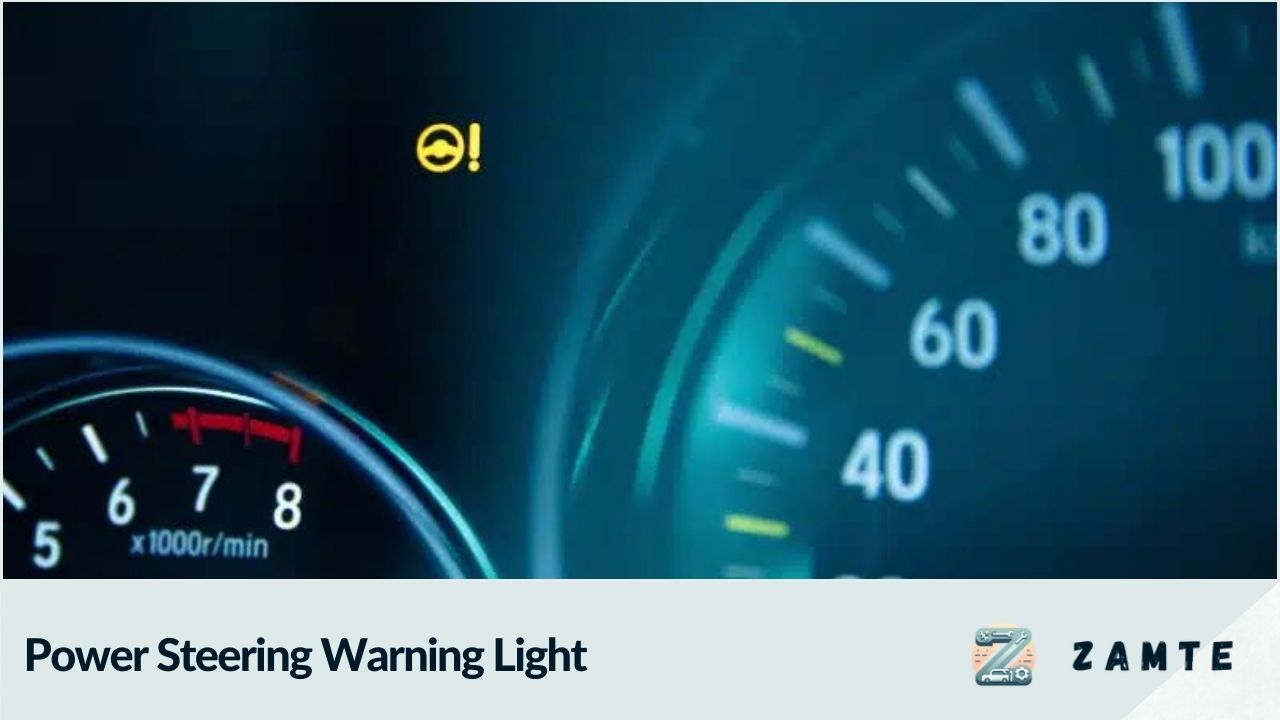
The Service Power Steering light indicates a critical failure in your vehicle’s steering assist system, usually caused by low fluid, blown fuses, or electronic sensor malfunctions. While the vehicle remains steerable, it is highly unsafe to drive because the effort required to turn increases significantly, especially at low speeds.
🎯 Key Takeaways
- Check power steering fluid levels immediately if your system is hydraulic.
- A weak battery or blown fuse often triggers EPS sensor errors.
- Avoid driving long distances as heavy steering compromises emergency maneuvering.
- Electronic Power Steering (EPS) systems do not have fluid reservoirs to check.
- Use an OBD-II scanner to identify specific steering module fault codes.
When the “Service Power Steering” light appears on your dashboard, your vehicle’s onboard computer has detected a malfunction in the steering assist system. This isn’t a routine maintenance reminder like an oil change light; it is a critical system alert indicating that your steering could become heavy or unresponsive at any moment. Because power steering is essential for quick maneuvers and low-speed parking, a failure directly compromises your ability to control the vehicle effectively.
Fixing this issue immediately is vital for your safety on the road. Depending on whether your car uses a traditional hydraulic system or a modern Electric Power Steering (EPS) unit, the fix could range from a simple fluid top-off to a complex sensor replacement. You need to identify the root cause quickly to determine if the car is still safe to drive to a mechanic or if it requires an immediate tow to prevent a total steering lock-up.
Identifying Common Causes of Power Steering Warning Lights
The triggers for a steering warning light vary significantly based on the technology under your hood. While older vehicles rely on pressurized fluid and pumps, most modern cars produced in the last decade utilize electric motors. Understanding which system you have is the first step in diagnosing the “why” behind the light.
Hydraulic System Failures
If your vehicle uses hydraulic power steering, the warning light is almost always triggered by a loss of pressure or a mechanical failure in the pump. These systems are prone to wear and tear over thousands of miles of operation.
- Low Steering Fluid: This is the most common culprit. Leaks in the high-pressure hoses, the steering rack, or the pump reservoir allow air into the system, which prevents the hydraulic fluid from doing its job.
- Failing Power Steering Pump: If the pump’s internal bearings or vanes seize, it can no longer circulate fluid. You will often hear a loud whining or groaning noise when turning the wheel before the light stays on permanently.
- Snapping Serpentine Belt: In many cars, the power steering pump is driven by the engine’s serpentine belt. If this belt slips or snaps, you lose power assist instantly, and the light will illuminate alongside other warnings like the battery light.
Electronic Power Steering (EPS) and Sensor Issues
Modern Electric Power Steering systems do not use fluid. Instead, they use an electric motor and a suite of sensors. These systems are more efficient but are susceptible to electrical gremlins that can trigger a “Service Power Steering” message instantly.
- Faulty Torque Sensor: This sensor measures how much force you apply to the steering wheel. If it sends incorrect data to the computer, the system will disable power assist as a safety precaution to prevent uncommanded steering movements.
- Battery and Voltage Drops: EPS motors require a massive amount of electrical current. If your battery is weak or your alternator is failing, the steering system is often the first “luxury” the car’s computer shuts down to save power for the engine.
- Blown Fuses or Relays: A simple electrical surge can blow the heavy-duty fuse responsible for the steering motor. If this fuse pops, the system loses all power, and the warning light will be your only indicator of why the wheel is suddenly hard to turn.
- Steering Angle Sensor (SAS) Malfunction: This sensor tracks the position of the steering wheel. If it loses calibration—often after a wheel alignment or a battery swap—the system may trigger a service light until it is reset.
Safety Considerations and Drivability Risks with Heavy Steering
When the “Service Power Steering” light is active, the physical effort required to turn the wheels increases dramatically. While the mechanical connection between your steering wheel and the tires remains intact, the lack of assistance makes the car feel sluggish and heavy, especially at low speeds.
Is it Safe to Drive with the Light On?
Technically, you can still steer the car without power assist, but it is not recommended for standard road driving. The danger lies in your reaction time. In an emergency situation where you need to swerve to avoid an accident, the weight of the steering will prevent you from moving the wheels fast enough.
- Predictability Issues: Sometimes the assist fails intermittently. If the power steering kicks back in while you are mid-turn using heavy muscle, you may oversteer into oncoming traffic or off the road.
- Physical Fatigue: Driving even a short distance without power steering is physically exhausting. Constant wrestling with the wheel can lead to arm fatigue, making it harder to control the car the longer you drive.
- Risk of Component Damage: If you have a hydraulic system and the light is on due to low fluid, driving the car will likely burn out the pump completely, turning a small leak repair into a much more expensive replacement.
Immediate Action: When to Call a Tow Truck
You need to decide quickly whether to limp the car to a shop or stop immediately. Use these specific signs to determine if your car is “tow-only” status:
- Total Resistance: If the steering wheel is so heavy that you need two hands to make a standard turn while the car is moving, do not drive it.
- Grinding Noises: Loud metal-on-metal sounds indicate a mechanical failure in the rack or pump that could lead to a total steering jam.
- Visible Fluid Puddles: If you see a large puddle of red or clear oily fluid under the front of the car, your system has likely suffered a catastrophic leak and should not be operated.
- Burning Smell: If the light is accompanied by the smell of burning rubber or electronics, pull over immediately. This could indicate a seized pump or a shorted EPS motor that poses a fire risk.
Hydraulic vs. Electronic Power Steering: Spotting the Difference
Depending on what you drive, your “Service Power Steering” light could be signaling two very different mechanical realities. Most modern vehicles manufactured in the last decade utilize Electronic Power Steering (EPS), while older models and heavy-duty trucks typically rely on traditional hydraulic systems. Knowing which system your car uses is the first step in understanding why that warning light is glowing on your dashboard.
Signs of Hydraulic System Failure
Hydraulic systems rely on pressurized fluid to help you turn the wheels. If you have this setup, the service light is often accompanied by physical and auditory cues. For instance, if you hear a distinct whining or groaning noise when navigating a parking lot, your pump is likely struggling. You might also notice the steering feels “heavy” or stiff when the engine is idling but becomes easier to turn once you start moving. Practical indicators of hydraulic trouble include:
- Fluid Leaks: Dark red or amber puddles under the front of the car are a classic sign of a leaking hose or rack.
- Contaminated Fluid: If the fluid looks black or smells burnt, it can no longer protect the internal seals of the pump.
- Slipping Belts: A worn serpentine belt can cause the pump to lose power intermittently, triggering the light.
Signs of Electronic Power Steering (EPS) Failure
EPS systems dispense with the fluid and hoses, using an electric motor and complex sensors instead. When these fail, the service light usually triggers instantly because the car’s computer has detected an electrical fault. Unlike hydraulic systems, EPS issues are often “silent.” You might simply find that the steering assist is gone entirely, or the wheel feels jittery. Common EPS triggers include:
- Low Battery Voltage: Since EPS consumes significant power, a failing battery can cause the steering computer to shut down as a “self-preservation” measure.
- Sensor Misalignment: A faulty steering angle sensor can confuse the computer, leading it to disable the system for safety.
- Limp Mode: Many EPS systems will enter a reduced-power “limp mode” if they detect overheating or a minor electrical glitch.
Estimated Repair Costs and Component Replacement Factors
The financial impact of a “Service Power Steering” light can range from the price of a cup of coffee to a significant investment. The final bill depends heavily on whether you are dealing with a simple sensor reset or the total replacement of a major mechanical assembly.
What Influences the Final Bill?
Several factors play into the cost of repair. Luxury vehicles often have integrated steering racks that require specialized parts available only from the dealer. Additionally, labor costs can climb quickly if the steering components are buried deep in the engine bay, requiring hours of disassembly to reach a single bolt. Key variables include:
- Vehicle Make and Model: Economy cars usually have widely available, affordable aftermarket parts, whereas performance cars require high-tolerance OEM components.
- Diagnostic Time: Electrical “ghosts” in an EPS system may require an hour or two of expert testing with a high-end scan tool to pinpoint.
- Part Condition: Choosing a “remanufactured” part instead of a brand-new one can often save you 30% to 50% on the total hardware cost.
Typical Cost Ranges for Common Fixes
While prices vary based on your local labor rates, here are some general estimates to help you budget for the repair:
- Fluid Flush and Refill: $100 – $150. This is basic maintenance for hydraulic systems and can often solve minor stiffness issues.
- Pressure Sensor Replacement: $200 – $450. This is a common fix when the light is on but the steering still feels physically fine.
- Hydraulic Power Steering Pump: $400 – $900. The cost fluctuates based on the pump’s location and the complexity of the belt system.
- Electronic Steering Rack or Motor: $1,200 – $3,000+. This is the high end of the spectrum, typically involving the replacement of the entire electronic steering column or gear.
Taking Control of Your Power Steering
The “Service Power Steering” light is more than just a nuisance; it is a vital communication from your vehicle regarding your safety. Whether you are dealing with a minor fluid leak in an old hydraulic setup or a complex sensor error in a modern EPS system, the most important step is to act quickly. Ignoring the light can lead to a sudden, unexpected loss of steering control, making your vehicle difficult and dangerous to maneuver in traffic.
Your immediate next steps should be checking your fluid levels (if applicable) and scheduling a professional diagnostic scan to identify the specific fault code. By addressing the problem early, you often save yourself from the domino effect of more expensive repairs down the road. Stay proactive, keep your steering smooth, and drive with confidence!
💬 Quick Questions & Answers
Can I drive with the Service Power Steering light on?
You can physically move the car, but steering will be extremely heavy and unsafe for emergency maneuvers.
Does a weak battery cause the steering light to turn on?
Yes, Electronic Power Steering (EPS) requires high voltage and may disable itself if the battery is failing.
Is there a specific fuse for power steering?
Yes, most vehicles have a high-amperage fuse that will disable the assist system if it blows.
Why is my steering wheel suddenly very stiff?
The stiffness occurs because the power assist (hydraulic or electric) has stopped functioning, leaving only mechanical linkage.
Will the light reset itself?
In some cases, restarting the car clears a temporary sensor glitch, but persistent issues require a manual code reset.
❓ Frequently Asked Questions
What does the ‘Service Power Steering’ light actually mean?
It signifies that the onboard computer has detected a fault in the steering assist system. This could range from a simple electronic sensor glitch to a complete mechanical failure of the steering rack or pump.
Why did the light come on after a jump-start?
Jump-starting can cause a voltage spike or drop that confuses the Electronic Power Steering (EPS) module. Often, driving a short distance or restarting the car after the battery is fully charged will resolve this temporary error.
What is the difference between hydraulic and EPS light triggers?
Hydraulic systems trigger lights due to low fluid or pump pressure loss, while EPS systems trigger lights due to motor failure, torque sensor errors, or communication issues. EPS systems are entirely electric and do not use fluid.
Is it expensive to fix power steering issues?
Costs vary widely; a simple fuse or sensor replacement might cost under $150, while a full electronic steering rack replacement can exceed $1,500 depending on the vehicle make and model.
Can cold weather trigger the service power steering light?
Yes, extreme cold can thicken hydraulic fluid or cause older batteries to struggle with voltage, leading to electronic assist failures. A healthy battery is crucial for modern steering systems in winter.
Will a service power steering light fail a vehicle inspection?
In most jurisdictions, any active warning light related to steering or safety systems will result in an automatic inspection failure. It must be repaired to ensure the vehicle meets safety standards.

![2015 Ram EcoDiesel Problems: Common Failures & Recalls [2026]](https://truckguider.com/wp-content/uploads/2026/03/2015-ram-ecodiesel-problems-featured.webp)
![How to Adjust a Parking Brake: Cable and Star: Step-by-Step Guide [2026]](https://truckguider.com/wp-content/uploads/2026/03/how-to-adjust-parking-brake-featured.webp)
![Dodge Dakota Towing Capacity Guide: 1987-2011 Ratings [2026]](https://truckguider.com/wp-content/uploads/2026/03/dodge-dakota-tow-capacity-featured.webp)