2012 Ram 1500 Hemi: Specs, Towing Capacity & Common Issues

The 2012 Ram 1500 Hemi is defined by its powerful 5.7L V8 engine delivering 390 horsepower and 407 lb-ft of torque. While it offers a class-leading 10,450-pound max towing capacity, owners should be aware of common mechanical issues such as exhaust manifold bolt failures and the ‘Hemi tick.’
🎯 Key Takeaways
- Takeaway 1:Delivers 390 HP and 407 lb-ft of torque for heavy-duty performance.
- Takeaway 2:Maximum towing capacity reaches 10,450 lbs with the 3.92 axle ratio.
- Takeaway 3:Common reliability concerns include broken exhaust manifold bolts and lifter noise.
- Takeaway 4:Fuel economy averages 14 city / 20 highway MPG with MDS technology.
- Takeaway 5:Available in various trims including Tradesman, SLT, Sport, and Laramie.
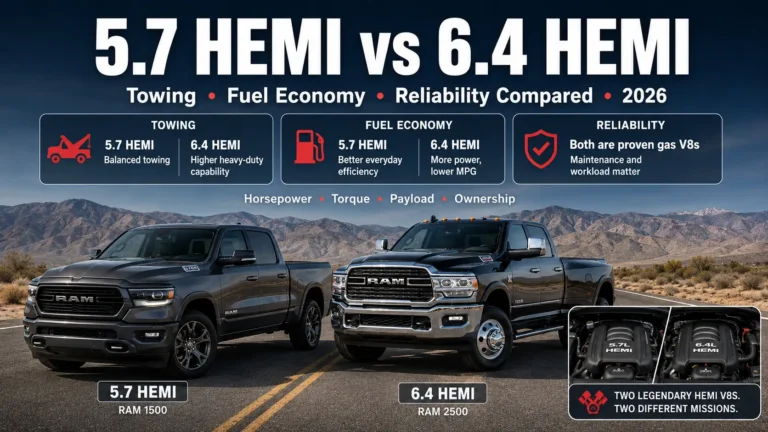
The 2012 Ram 1500 equipped with the 5.7L Hemi V8 is a powerhouse of a half-ton truck, delivering 390 horsepower and 407 lb-ft of torque. When properly configured with the 3.92 rear axle ratio, this truck reaches a maximum towing capacity of 10,450 pounds. This model year represents a refined point in the fourth-generation Ram, balancing the raw strength of the variable valve timing (VVT) engine with a much-improved interior compared to earlier years.


Understanding these specs is critical because the 2012 model bridges the gap between old-school mechanical durability and modern performance technology. Whether you are looking to haul a travel trailer across state lines or need a reliable workhorse for the job site, the 5.7L Hemi provides the necessary low-end grunt. However, reaching that peak performance requires knowing exactly which drivetrain and gear configurations your specific truck utilizes.
5.7L Hemi V8 Performance and Towing Capabilities
The heart of the 2012 Ram 1500 is the 5.7-liter Hemi V8, an engine designed for high-output efficiency. Unlike the smaller engine options available this year, the Hemi features a hemispherical combustion chamber that optimizes airflow. In 2012, this engine benefited from the Multi-Displacement System (MDS), which shuts down four cylinders during light-load cruising to save fuel, though its primary draw remains its sheer pulling power.

Engine Specs and Drivetrain Configuration
The 2012 Hemi produces its peak 390 horsepower at 5,600 RPM and its 407 lb-ft of torque at 4,000 RPM. This power is managed by the 65RFE six-speed automatic transmission. While it lacks the eight speeds found in later models, the 65RFE is a robust unit built to handle heavy thermal loads. You also have a choice between two primary 4WD systems: the BW 44-45 part-time transfer case or the BW 44-44 “On-Demand” system which allows for an automatic 4WD setting suitable for changing road conditions.
- Horsepower: 390 hp @ 5,600 rpm
- Torque: 407 lb-ft @ 4,000 rpm
- Transmission: 65RFE 6-speed automatic
- Fuel Economy: Approximately 14 city / 20 highway (2WD models)
- Rear Axle Ratios: 3.21 (Economy), 3.55 (Standard), or 3.92 (Towing/Performance)
Maximum Towing and Payload Breakdown
Your actual towing capacity depends heavily on the cab configuration and rear-end gears. If your 2012 Ram has the 3.21 highway gears, your towing is significantly limited, often topping out around 8,000 pounds. To hit the 10,450-pound maximum, you must have the Regular Cab, Long Bed, 2WD configuration with the 3.92 axle ratio. For the more common Crew Cab 4×4 models, you can generally expect a towing range between 8,500 and 9,800 pounds.
Payload capacity is equally important for those hauling equipment in the bed. Depending on the suspension setup, the 2012 Ram 1500 offers a maximum payload of approximately 1,900 pounds. It is vital to remember that the weight of passengers and aftermarket accessories must be deducted from this total to stay within safe operating limits.
Your Complete DIY Guide to the 2012 Dodge Ram 1500 Hemi Oil Change
The 2012 Dodge Ram 1500 equipped with the 5.7L Hemi engine is a powerhouse of a truck, but its longevity and performance rely heavily on consistent maintenance. The Hemi engine features a Multi-Displacement System (MDS) that requires specific oil viscosity to function correctly. This comprehensive guide walks you through a professional-grade oil change, covering everything from the specific tools needed to the “secret” trick for avoiding the mess commonly associated with the Hemi’s oil filter location. By following these steps, you will ensure your engine stays lubricated, your MDS stays functional, and you save a significant amount of money over dealership service prices.
Step 1: Gather Specific Tools and Materials
What you need: 7 quarts of 5W-20 Synthetic Oil (API Certified), an oil filter (Mopar MO-339 or equivalent like Wix 57060), a 13mm wrench or socket, an oil filter wrench, a large drain pan (at least 8-quart capacity), a funnel, clean rags, and gloves. You may also want a plastic grocery bag or a form-a-funnel.
Instructions: Before you even crawl under the truck, verify you have exactly 7 quarts of oil. The 5.7L Hemi in the 2012 Ram is specific about its oil capacity. Using a different weight, such as 10W-30, can actually trigger a Check Engine Light and cause the MDS (which drops the engine to 4 cylinders) to malfunction. Ensure your workspace is level. If you are using ramps, drive the truck up slowly and engage the parking brake. If using a jack, always secure the vehicle with jack stands on the frame rails. Never work under a truck supported only by a hydraulic jack.
Pro Tip: Always check the “O-ring” on your new oil filter. Ensure the rubber gasket is present and not damaged before you start the job, as a missing gasket is a leading cause of major oil leaks.
Step 2: Warm the Engine and Prepare the Drain
What you need: The ignition key and about 5-10 minutes of time.
Instructions: Cold oil is thick and holds onto contaminants. To get a “complete” drain, start your Ram and let it idle for about five to ten minutes until the temperature gauge just starts to move. This thins the oil so it flows out quickly and carries away more engine sludge. Once warmed, turn off the engine and remove the oil fill cap on top of the engine. Removing the cap breaks the vacuum seal, allowing the oil to drain out of the bottom much faster and more smoothly, preventing the “glugging” effect that often leads to splashes and mess.
Pro Tip: Be careful not to let the engine get too hot; the exhaust manifolds on the Hemi are very close to the work area and can cause severe burns if you brush against them.
Step 3: Drain the Old Engine Oil
What you need: 13mm socket or wrench, drain pan, and nitrile gloves.
Instructions: Locate the oil drain plug at the rear of the oil pan. Position your drain pan slightly behind the plug, as the oil will initially shoot out with some force. Use your 13mm wrench to loosen the plug counter-clockwise. Once it is loose enough to turn by hand, apply inward pressure on the plug as you unscrew the final threads. This prevents oil from leaking down your arm. Quickly pull the plug away when the threads end. Let the oil drain until it is a very slow drip. Inspect the drain plug’s copper or rubber washer; if it looks flattened or cracked, replace it with a new one to prevent slow leaks later.
Pro Tip: Use a magnetic drain plug if you can. It will catch tiny metal shavings that the filter might miss, giving you an early warning sign of engine wear during future oil changes.


Step 4: Navigate the “Hemi Filter Mess”
What you need: Oil filter wrench, a plastic grocery bag or a “Form-a-Funnel,” and several rags.
Instructions: The 2012 Ram Hemi has a notoriously placed oil filter located right above the electric power steering rack and a crossmember. When you unscrew it, oil typically pours all over these components. To avoid this, wrap a plastic grocery bag around the filter or place a flexible funnel underneath it to channel the oil into your pan. Use your filter wrench to break it loose, then unscrew it the rest of the way by hand. Keep the filter upright as you lower it to avoid spilling the contents. Once removed, use a clean rag to wipe the mounting surface on the engine block. Ensure the old rubber gasket came off with the filter; if it’s “double-stacked” with the new one, it will blow out under pressure.
Pro Tip: If the filter is stuck, try using a “spider” style filter wrench that grips harder as you turn, or a strap wrench to avoid crushing the thin metal housing of the filter.
Step 5: Prepare and Install the New Filter
What you need: New oil filter and a small amount of fresh 5W-20 oil.
Instructions: Dip your finger into a bottle of fresh oil and smear a thin, even coat over the rubber gasket of the new filter. This “pre-lubing” ensures the gasket doesn’t bunch up or tear when you tighten it and makes it much easier to remove during your next oil change. Many Hemi owners prefer to “pre-fill” the filter about halfway with fresh oil to reduce the time the engine runs “dry” upon the first start, though this can be messy given the horizontal mounting angle. Screw the filter onto the threaded stud by hand. Tighten it until the gasket makes contact with the base, then give it an additional 3/4 turn. Do not use a wrench to tighten it, as over-tightening can damage the threads or seal.
Pro Tip: Only use hand-tightening for the filter. If you use a wrench to install it, you will likely struggle significantly to get it off in 5,000 miles.
Step 6: Replace the Drain Plug and Fill with Oil
What you need: 13mm wrench, 7 quarts of 5W-20 oil, and a funnel.
Instructions: Once the oil has finished dripping, wipe the area around the drain hole and reinstall the drain plug. Tighten it until snug, roughly 25 ft-lbs if you are using a torque wrench. Avoid over-tightening, as the oil pan is made of steel and the threads can be stripped if you use too much leverage. Move to the top of the engine and place your funnel into the oil fill neck. Pour in all 7 quarts of your fresh 5W-20 synthetic oil. Because the Hemi takes a large volume (7 quarts), pouring too fast can cause the funnel to overflow, so take your time. Once finished, replace the oil cap and ensure it is clicked into place.
Pro Tip: Keep one empty oil quart bottle. Once you’ve finished, pour the old oil into the empty containers to make it easier to transport to a recycling center.
Step 7: Check for Leaks and Verify Levels
What you need: The ignition key and the engine dipstick.
Instructions: Start the engine and let it run for about 60 seconds. While it’s running, look under the truck with a flashlight to ensure there is no oil dripping from the drain plug or the filter. Shut the engine off and let it sit for 5 minutes to allow the oil to drain back into the pan. Pull the dipstick (located on the passenger side with a yellow handle), wipe it clean, reinsert it fully, and pull it out again. The oil level should be right at the “Full” mark or within the crosshatched “Safe” zone. If it is low, add a half-quart at a time until it reaches the correct level.
Pro Tip: If you see the “Oil Pressure” light stay on for more than 5 seconds after starting, shut the engine off immediately and check that the filter is tight and the oil level is correct.
Step 8: Reset the “Change Oil” Light
What you need: Just your feet and the ignition key!
Instructions: The 2012 Ram 1500 has a built-in maintenance tracker that must be reset manually. Sit in the driver’s seat and close the door. Turn the ignition key to the “ON/RUN” position, but do not start the engine. Within 10 seconds of turning the key, slowly press the accelerator pedal all the way to the floor three times. Turn the ignition switch to the “OFF” position. The next time you start the truck, the “Change Oil” or “Oil Change Required” message should be gone. If the message still appears, repeat the process, ensuring you press the pedal slowly and firmly each time.
Pro Tip: Record the date and mileage of this service in your glovebox logbook or a digital app. This is crucial for resale value and warranty claims.


✅ Final Checklist
- Drain plug is tightened to approximately 25 ft-lbs and isn’t leaking.
- New oil filter is hand-tight and the old gasket was confirmed removed.
- Oil level is confirmed on the dipstick within the safe crosshatched area.
- “Change Oil” message has been successfully reset on the dashboard.
- Old oil is secured in containers for proper hazardous waste recycling.
Important Notes:
- Safety First: Never work under a vehicle supported only by a jack; always use jack stands. Wear eye protection to prevent oil or debris from falling into your eyes.
- Professional Help: Seek a mechanic if you notice heavy metal shavings in the oil, if the drain plug is rounded off, or if you notice a coolant smell in the old oil.
- Estimated Time: 30–45 minutes.
- Estimated Cost: $50–$85 depending on the brand of synthetic oil and filter used.
Reliability Report: The Hemi Tick and Common Mechanical Issues
While the 2012 Ram 1500 is a durable truck, the 5.7L Hemi engine has specific “quirks” that owners should monitor. Reliability is generally high for the block and rotating assembly, but the valvetrain and exhaust components are known weak points. Addressing these issues early can prevent a minor nuisance from becoming a multi-thousand-dollar engine rebuild.
Understanding the “Hemi Tick”
If you hear a rhythmic ticking sound coming from the engine bay, you are likely dealing with one of two issues. The most serious version of the “Hemi Tick” involves the lifter rollers. In some 5.7L engines, the needle bearings in the lifter can fail, causing the roller to seize. This eventually eats away at the camshaft lobe, leading to a misfire and requiring a complete camshaft and lifter replacement. Using high-quality synthetic oil and avoiding excessive idling are the best ways to protect these components.
Exhaust Manifold Bolt Failures
The second, and more common, cause of engine noise is snapped exhaust manifold bolts. The 2012 Hemi generates significant heat, which causes the cast iron exhaust manifolds to warp over time. This warping puts immense pressure on the rear-most mounting studs, eventually snapping the heads off. This creates an exhaust leak that sounds like a loud “tick” or “flap” when the engine is cold, which often disappears once the metal expands and seals the gap.
- Lifter Failure Symptoms: Persistent ticking that increases with RPM, accompanied by a Check Engine Light (misfire code).
- Manifold Bolt Symptoms: Loud ticking on cold starts that fades as the engine warms up; visible soot near the cylinder head.
- Water Pump Issues: The 2012 models are known for premature water pump weeping or bearing failure; listen for a high-pitched squeal or grinding.
- TIPM Faults: The Totally Integrated Power Module (TIPM) can sometimes cause erratic electrical behavior, such as fuel pumps staying on or lights flickering.
Maintaining a 2012 Ram 1500 requires a proactive approach. While the engine is capable of exceeding 200,000 miles, you must be diligent about oil change intervals and listen closely for changes in engine acoustics. By catching a manifold leak or a failing water pump early, you preserve the truck’s impressive towing and performance capabilities for years to come.
Configuration Options: Trim Levels, Cabs, and Bed Lengths
The 2012 Ram 1500 wasn’t a one-size-fits-all truck. Ram offered a staggering amount of variety to ensure that whether you were a job site foreman, a weekend boat hauler, or a luxury seeker, there was a configuration built specifically for your needs. This versatility is one reason why these trucks remain so popular on the used market today.
Choosing Your Cab and Bed Combination
The three main cab styles define the utility and “personality” of the truck. When shopping, you’ll likely encounter these three primary setups:
- Regular Cab: This is the classic two-door work truck. It is usually paired with either the 6’4″ standard bed or the massive 8′ long bed, making it ideal for hauling materials rather than passengers.
- Quad Cab: A great middle ground. It features four doors, but the rear doors are smaller. It almost always comes with the 6’4″ bed, offering a perfect balance between interior storage and cargo space.
- Crew Cab: The family favorite. It provides massive rear legroom comparable to a full-size sedan. Most Crew Cabs come with the shorter 5’7″ bed to keep the overall length manageable for parking and city driving.
Trim Level Highlights
From basic to luxury, the 2012 lineup covered the entire spectrum. The Tradesman was the budget-friendly workhorse with vinyl floors and basic features. Moving up, the Big Horn (and the Texas-exclusive Lone Star) became fan favorites for offering the best value, including chrome accents, fog lights, and upgraded interiors. At the top of the mountain sat the Laramie Longhorn, which featured high-quality cattleman-style leather and real wood grain accents that rivaled high-end European SUVs at the time.
Real-World Ownership: Fuel Economy and Maintenance Costs
Owning a Hemi-powered Ram 1500 is a thrill, but it comes with specific financial responsibilities. This is a heavy-duty machine designed for work, and while it is built tough, it requires consistent care to stay reliable well past the 100,000-mile mark.
Fuel Economy: The Hemi Reality
Let’s be honest: nobody buys a 5.7L V8 for record-breaking gas mileage. However, the 2012 model features the Multi-Displacement System (MDS), which shuts down four cylinders during steady-speed highway cruising to save fuel. Here is what you can realistically expect at the pump:
- City Driving: Expect roughly 13–14 MPG in stop-and-go traffic.
- Highway Driving: You can reach 19–20 MPG under ideal conditions if you keep your foot off the floor.
- Towing: When pulling a heavy trailer, your average will likely drop into the 8–10 MPG range.
Keeping Your Ram on the Road
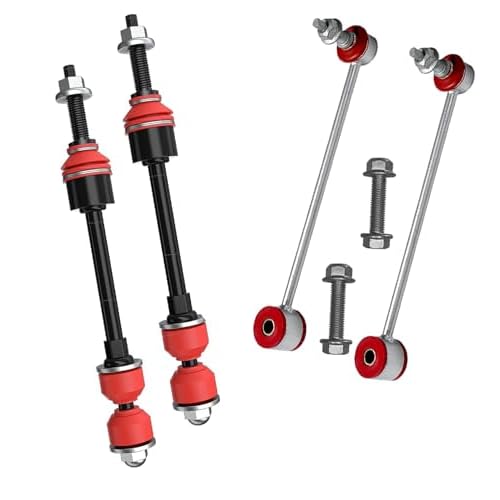
One unique quirk of the 5.7L Hemi is that it uses 16 spark plugs—two per cylinder. This means a standard tune-up costs roughly double what it would for a typical V8. Regular oil changes are also non-negotiable; the MDS system relies on clean oil with the correct viscosity (5W-20) to function properly. Owners should also budget for front-end components like tie rods and ball joints. Because of the weight of the Hemi engine and the coil-spring suspension design, these parts tend to wear out faster on the 4WD models than on lighter-duty vehicles.
Conclusion: Is the 2012 Ram 1500 Hemi Still a Good Buy?
The 2012 Ram 1500 remains a standout choice in the used truck market for those who want a blend of power and comfort. Its combination of a sophisticated coil-link rear suspension and the raw performance of the 390-hp Hemi V8 is still hard to beat over a decade later. While you need to be mindful of common issues like the “Hemi tick” or broken exhaust manifold bolts, these problems are well-documented and manageable for a diligent owner. It is a truck that works just as hard as it plays.
If you are looking to buy one, your next steps should be to verify the maintenance history and listen closely to the engine during a cold start. If the truck has been well-serviced, it will likely provide many more years of reliable service. Do you have a high-mileage Ram story? Share your experiences or maintenance tips in the comments below!
💬 Quick Questions & Answers
How much horsepower does the 2012 Ram 1500 Hemi have?
The 5.7L Hemi V8 engine produces 390 horsepower and 407 lb-ft of torque.
What is the max towing capacity of a 2012 Ram 1500 Hemi?
When properly equipped with the 3.92 rear axle ratio, it can tow up to 10,450 pounds.


What causes the ‘Hemi tick’ in the 2012 model?
It is usually caused by broken exhaust manifold bolts or, more seriously, failing lifter rollers and camshaft wear.
Does the 2012 Ram 1500 Hemi require premium gas?
Mid-grade 89 octane fuel is recommended for optimum performance, though 87 octane is acceptable.
What transmission is in the 2012 Ram 1500 Hemi?
It is equipped with a 65RFE 6-speed automatic transmission.
❓ Frequently Asked Questions
Is the 2012 Ram 1500 Hemi a reliable truck for high mileage?
With proper maintenance, many owners see these trucks pass 200,000 miles, but it requires addressing the common manifold bolt and lifter issues early. Regular oil changes with high-quality synthetic oil are vital for the Hemi’s longevity.
How does the Multi-Displacement System (MDS) work in this truck?
The MDS automatically deactivates four of the eight cylinders during light-load cruising to improve fuel efficiency. You will typically see an ‘ECO’ light on the dash when the system is active.
What are the most common trim levels for the 2012 model?
The 2012 model ranges from the basic Tradesman work truck and the popular SLT to the enthusiast-focused Sport and the luxury-oriented Laramie and Longhorn editions.
What is the real-world fuel economy for the 5.7L Hemi?
Most owners report an average of 13-15 MPG in mixed driving, while pure highway driving can reach 18-20 MPG depending on the rear gear ratio. Towing significantly reduces these numbers to the 8-10 MPG range.
Are there any recalls specific to the 2012 Ram 1500 powertrain?
While there have been recalls for various components like tie rods and airbags, always check the VIN for specific powertrain recalls regarding the rear axle pinion nut, which was a known issue for this era.
Which axle ratio is best for towing with the 2012 Hemi?
For maximum towing capacity and better off-the-line acceleration, the 3.92 rear axle ratio is preferred over the fuel-economy-oriented 3.55 ratio.
![5.7 Hemi Head Gasket Replacement Cost [2026]](https://truckguider.com/wp-content/uploads/2026/03/featured-94688335-768x768.webp)