Most Reliable Ram 1500 Years: Top Picks & Years to Avoid

The most reliable Ram 1500 model years are generally 2013, 2017, and the 2020-2022 range, which benefit from refined transmissions and fewer electrical gremlins. While the 5.7L Hemi V8 offers great power, models from 2014 and 2019 should be approached with caution due to higher reported mechanical failures.
🎯 Key Takeaways
- Target 2017 models for the best balance of price and long-term mechanical reliability.
- Avoid the 2014 and 2019 model years due to excessive transmission and air suspension issues.
- The 3.6L Pentastar V6 is often more reliable for light-duty use than the V8.
- Prioritize models with the ZF 8-speed transmission for better durability and smoother shifting.
- Check for Hemi Tick and exhaust manifold bolt issues on any high-mileage V8.
If you are looking for a Ram 1500 that remains on the road rather than on a mechanic’s lift, you should focus your search on the 2017, 2021, and 2022 model years. These specific years represent the points where the manufacturer successfully addressed long-standing powertrain issues and stabilized the transition between generations. Choosing the right year is critical because the difference in reliability between a “good” Ram and a “bad” one often comes down to catastrophic failures in the electrical system or the valve train that can cost upwards of $5,000 to repair.



Practical reliability in a pickup truck isn’t just about avoiding a breakdown today; it is about the longevity of the engine and transmission over a 200,000-mile lifespan. While the Ram 1500 has earned a reputation for having a smooth ride and class-leading power, certain production windows were plagued by engineering oversights. By targeting the “Gold Medal” years, you ensure your truck has the refined version of the Hemi V8 and the most durable transmission configurations available in the used market.
The Gold Standard: Analyzing the Most Reliable Ram 1500 Model Years
2017: The Pinnacle of Fourth-Generation Engineering
The 2017 model year is widely considered the safest bet for anyone shopping for a used Ram 1500. By this time, the fourth-generation platform (DS) had been in production for nine years. This longevity allowed engineers to iron out the mechanical “bugs” that haunted earlier versions. The most significant improvement in the 2017 model was the standardization and refinement of the ZF-sourced 8-speed TorqueFlite transmission. Unlike the older 6-speed units which were prone to overheating and hunting for gears, the 8-speed in the 2017 model is exceptionally durable and handles heavy towing loads with much less internal wear.
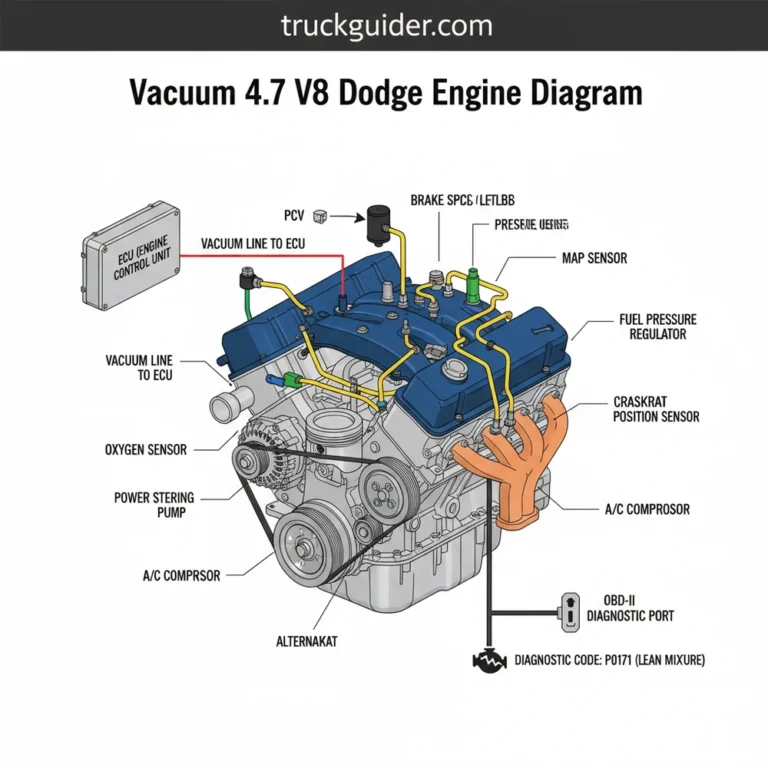
- Mechanical Refinement: The 5.7L Hemi V8 in 2017 received updated manifold bolts and improved heat shielding, which significantly reduced the frequency of the “Hemi Tick”—a common issue where broken bolts lead to exhaust leaks and eventual lifter damage.
- Electrical Stability: This year avoided the massive TIPM (Totally Integrated Power Module) failures that crippled the 2011-2013 models, providing a much more stable electronic architecture.
- Component Longevity: Steering rack assemblies and front suspension components were reinforced in this production cycle, leading to fewer reports of premature wear in the ball joints and tie rod ends.
2021-2022: The Refined Fifth-Generation Powerhouse
While the redesign in 2019 was initially rocky, the 2021 and 2022 model years represent the “sweet spot” for the fifth-generation (DT) trucks. By 2021, Ram had perfected the eTorque mild-hybrid system. In earlier versions, this system occasionally suffered from software glitches that caused the engine to stall at low speeds or during the start-stop transition. In the 2021 and 2022 models, these issues were addressed through hardware revisions to the belt-drive motor-generator unit and updated firmware that improved the regenerative braking hand-off.
- Improved Cooling Systems: These years feature upgraded thermal management systems that protect the transmission and engine oil during high-stress towing, preventing the seals from hardening and leaking prematurely.
- Frame and Body Integrity: Unlike the 2019 models which had sporadic reports of frame weld issues, the 2021 and 2022 chassis underwent stricter quality control, resulting in a much stiffer and more durable platform.
- Valvetrain Reliability: The 5.7L Hemi engines in these years benefited from revised oiling passages designed to keep the camshaft and lifters better lubricated, directly targeting the most expensive mechanical failure point in the Hemi engine’s history.
Red Flag Warning: Ram 1500 Years and Features to Avoid
The 2013-2014 Electrical and Suspension Nightmares
If you see a 2013 or 2014 Ram 1500 for a “too-good-to-be-true” price, there is a reason for it. These years were the peak of the TIPM (Totally Integrated Power Module) crisis. The TIPM is essentially the brain of the truck’s electrical system. When it fails, the truck may refuse to start, the fuel pump may stay on until it burns out, or the airbags may fail to deploy. Replacing this module is expensive, and finding a reliable refurbished unit is notoriously difficult. Additionally, these years introduced an optional air suspension system that is famous for failing in cold climates, leaving the truck sitting on its bump stops and requiring a multi-thousand-dollar conversion to traditional coils to fix permanently.
- Transmission Slips: The 2014 models frequently suffer from harsh shifting and “clunking” when downshifting, which often signals internal clutch pack wear in the early 8-speed units.
- Manifold Failures: These years have the highest reported rates of broken exhaust manifold bolts, which can lead to warped cylinder heads if left unaddressed.
The 2014-2016 EcoDiesel Engine Failures
While the promise of high torque and 28+ MPG was tempting, the first generation of the 3.0L EcoDiesel engine found in 2014-2016 models was plagued by catastrophic failures. The most severe issue involved the bottom-end bearings. Numerous owners reported total engine seizures at low mileage (often under 60,000 miles) due to oil starvation or bearing failure. Furthermore, the EGR (Exhaust Gas Recirculation) coolers in these years were prone to leaking internally, which could cause the engine to ingest coolant and, in extreme cases, lead to an engine bay fire. Unless the engine has been replaced with a corrected “Gen 3” unit, these years should be avoided entirely to prevent a total loss of your investment.
Engine Reliability: Comparing the 5.7L Hemi vs. 3.6L Pentastar V6
When you are scouting for a reliable Ram 1500, the debate almost always centers on what is under the hood. The choice between the 5.7L Hemi V8 and the 3.6L Pentastar V6 isn’t just about horsepower; it’s about long-term ownership costs and common mechanical quirks. Both engines have proven their worth over millions of miles, but they cater to very different types of drivers.
The Powerhouse: 5.7L Hemi V8
The 5.7L Hemi is the engine that put Ram on the map for many truck enthusiasts. It offers incredible towing capacity and that signature V8 rumble. From a reliability standpoint, it is a sturdy iron-block engine, but it isn’t without its “famous” issues. Many owners report the “Hemi Tick,” which is often caused by broken manifold bolts or, more seriously, lifter failure. To keep this engine running past 200,000 miles, consistent oil changes are non-negotiable.


- Pros: Superior towing power, high resale value, and widely available parts.
- Common Issue: Exhaust manifold bolts tend to snap, leading to a loud ticking sound on cold starts.
- Reliability Tip: Use high-quality synthetic oil and high-flow filters to keep the lifters properly lubricated.
The Workhorse: 3.6L Pentastar V6
The 3.6L Pentastar V6 is often overlooked, but it is actually one of the most reliable engines Stellantis has ever produced. Because it lacks the high-stress demands of the heavy-towing V8, it often sees fewer internal failures. For the average driver who uses their truck for daily commuting and light hauling, the Pentastar is a more fuel-efficient and lower-maintenance alternative.
- Pros: Excellent fuel economy and lower upfront cost.
- Reliability Highlight: It features a timing chain rather than a belt, reducing long-term maintenance hurdles.
- Best For: Drivers who prioritize daily drivability and lower insurance premiums over maximum towing capacity.
Critical Reliability Factors: Transmissions, Suspension, and Electronics
Reliability isn’t just about the engine staying alive; it’s about the components that transfer that power to the ground and the tech that keeps you comfortable. Over the years, Ram has made significant strides in these areas, but there are specific components that can make or break your ownership experience.
The ZF 8-Speed Transmission Revolution
One of the biggest turning points for Ram reliability was the introduction of the ZF-sourced 8-speed automatic transmission. Before this, Ram trucks (then Dodge) were often criticized for weak transmissions. The 8-speed (8HP) changed the game. It is smooth, intelligent, and remarkably durable. If you are looking at a used Ram, try to find one equipped with this transmission over the older 6-speed units found in early fourth-generation models.
- Performance: It keeps the engine in its power band efficiently, reducing wear on the motor.
- Durability: These units rarely fail before 150,000 miles if the fluid is serviced occasionally, despite being labeled as “fill-for-life.”
Air Suspension vs. Traditional Coils
Ram’s optional four-corner air suspension provides a cloud-like ride, but it is a double-edged sword. In colder climates, the system is notorious for freezing or leaking, which can leave your truck sitting on its bump stops. If you live in a region with harsh winters, a Ram 1500 with traditional coil springs is almost always the more reliable choice. It is simpler, cheaper to repair, and still offers the best ride quality in the full-size truck segment.
- Electronic Gremlins: Be sure to test the Uconnect infotainment system thoroughly. Early 8.4-inch screens in the 2013-2015 models were prone to delamination and ghost touching.
- Frame Integrity: Always check for rust on the rear wheel wells and the frame rails if the truck spent its life in the “Salt Belt.”
Conclusion
Finding the most reliable Ram 1500 comes down to choosing the right year and the right configuration. By focusing on the 2014 or 2017-2022 models, you avoid the most significant growing pains of the fourth and fifth generations. While the 5.7L Hemi is the king of power, the 3.6L Pentastar is a hidden gem for those seeking longevity. No matter which year you choose, the key to a long-lasting truck is a documented service history and a pre-purchase inspection.
Ready to start your search? Your next step is to pull a vehicle history report for any truck that catches your eye to ensure it hasn’t spent more time in the shop than on the road. Happy trucking!


💬 Quick Questions & Answers
What is the most reliable Ram 1500 year?
The 2017 and 2022 models are widely considered the most reliable due to refined mechanical components and fewer recalls.
Is the 5.7 Hemi reliable?
Yes, but it is prone to exhaust manifold leaks and ‘Hemi tick’ after reaching higher mileage.
Which Ram 1500 year has the most transmission problems?
The 2014 model year is notorious for transmission failures and unpredictable shifting issues.
Is the Ram 1500 5th generation reliable?
The 2020-2022 models are very reliable, though the debut 2019 models had several electronic teething issues.
How many miles does a Ram 1500 last?
With proper maintenance, a Ram 1500 can easily surpass 200,000 to 250,000 miles before needing major repairs.
❓ Frequently Asked Questions
Why is 2017 considered one of the best years for Ram 1500?
By 2017, Ram had ironed out the issues with the 8-speed transmission and updated the interior electronics. It represents the peak of the 4th generation’s refinement and overall mechanical durability.
Should I avoid the 2019 Ram 1500?
Generally, yes, as the 2019 model was the first year of the 5th generation and suffered from ‘first-year’ bugs. Owners reported frequent issues with the 12-inch touchscreen and leaking rear windows.


Is the 3.6L Pentastar V6 better than the 5.7L Hemi for reliability?
The Pentastar V6 is simpler and lacks some of the complex valvetrain issues found in the Hemi V8. While it has less towing power, it is often cheaper to maintain and has fewer catastrophic failure points.
What are the common mechanical failures in older Ram 1500s?
Older 4th-gen models frequently face issues with the Totally Integrated Power Module (TIPM) and manifold bolt breakage. Air suspension systems in higher trims also tend to fail in cold climates.
Does the eTorque system affect Ram 1500 reliability?
The eTorque mild-hybrid system is generally reliable but adds complexity to the engine bay. Long-term durability data is still being collected, though early 2019 units saw some battery cooling concerns.
How does the ZF 8-speed transmission compare to the older 6-speed?
The ZF 8-speed (8HP) is significantly more reliable and efficient than the older 6-speed units. It provides smoother shifts and has a much lower failure rate under heavy loads compared to the 65RFE.
![RAM 1500 Under Seat Storage: Best Fitment & Review Guide [2026]](https://truckguider.com/wp-content/uploads/2026/03/ram-1500-under-seat-storage-featured.webp)
![Are Ram Trucks Made in America? US vs Mexico Plant Locations [2026]](https://truckguider.com/wp-content/uploads/2026/03/are-ram-trucks-made-in-america-featured.webp)