15 Creative Flatbed Side Rail Ideas: Styles & Materials [2026]

Custom flatbed side rails must balance load security with easy access to maximize your truck’s utility. Choosing between removable stake pocket designs and permanent steel mesh rails depends on whether you prioritize heavy-duty hauling or versatility.
🎯 Key Takeaways
- Stake pocket rails offer the best versatility for quick removal during oversized loading.
- Aluminum rails provide a lightweight, rust-proof solution that preserves your truck’s fuel economy.
- Pressure-treated wood slats offer a classic ranch aesthetic at a lower price point.
- Integrated tie-down points within the rail design significantly improve cargo securing efficiency.
- Fold-down side rails allow for easy forklift access while maintaining highway safety.
Finding the right side rail for your flatbed depends entirely on your cargo’s profile and how often you need an unobstructed deck. For most DIY builders, the best design utilizes the existing stake pockets for a drop-in system that offers maximum flexibility. If you haul heavy equipment, low-profile steel tubing provides high-strength tie-down points without catching the wind. For those hauling loose debris or landscaping materials, expanded steel mesh panels are the gold standard for containment. Your choice should bridge the gap between structural integrity and the ease of removal for oversized loads.
The functionality of your flatbed changes the moment you install rails. A permanent bolt-on system offers the highest weight capacity for shifting loads, but it limits your truck’s versatility. Conversely, a modular stake-pocket system allows you to switch between “work mode” and “flatbed mode” in under five minutes. By matching your rail material and height to your specific haul—whether that is ranch work, construction, or recreational towing—you ensure that your truck remains an asset rather than a limitation during the loading process.


Top Design Styles: From Ranch-Style Wood to Industrial Steel
The aesthetic of your truck often starts with the rail design. While functionality is king, the style you choose communicates the purpose of the vehicle. Design variations range from traditional horizontal slats that offer a classic look to modern, aggressive cages designed for heavy-duty containment.
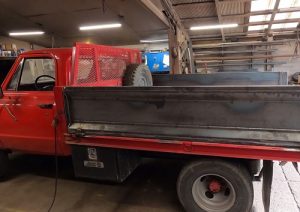
The Classic Ranch-Style Slat Rail
This design is a staple for a reason. It uses horizontal slats—typically wood or aluminum—spaced 2 to 4 inches apart. This style is ideal for hauling large, solid items like hay bales, furniture, or equipment crates. The gaps between the slats reduce wind drag and total vehicle weight while providing multiple points to loop a ratchet strap.
- Best Use Case: Agricultural hauling and general-purpose utility.
- Typical Configuration: Three horizontal 1×6 boards or 2×4 lumber.
- Aesthetic: Rugged, traditional, and easy to repair if a single slat breaks.
- Pro Tip: Use a slight taper at the top of the vertical stakes to ensure they slide into the stake pockets without binding.
Industrial Steel Mesh Enclosures
If you haul smaller items like chainsaws, fuel cans, or loose brush, slats won’t cut it. Industrial mesh rails utilize a frame of square steel tubing with expanded metal welded into the center. This creates a “cage” effect that keeps small items on the bed while maintaining 100% visibility through the rear-view mirror. It is the most secure option for contractors who don’t want to worry about small tools sliding off the deck during a sharp turn.
- Standard Specs: 1-inch square tubing frame with 9-gauge expanded steel mesh.
- Containment: High. Prevents almost any object larger than 1.5 inches from escaping.
- Durability: Very high. Steel mesh can take significant impacts from shifting cargo without denting.
Low-Profile Tactical Rails
Sometimes you don’t need a wall; you just need a perimeter. Low-profile rails usually sit only 4 to 8 inches above the deck. These are often made from thick-walled aluminum or steel pipe. They function more as a “bump rail” and a continuous tie-down point rather than a containment wall. This style is perfect for those who primarily haul ATVs or side-by-sides, where you need to secure wheels but want to keep the truck’s center of gravity low.
Material Performance: Comparing Wood, Aluminum, and Steel Tubing
Your choice of material affects your truck’s fuel economy, payload capacity, and long-term maintenance. Each material handles the stress of vibration and weather differently. Choosing the wrong one can lead to “rail rattle” or premature corrosion that ruins your truck’s finish.
Wood: High Customization and Impact Absorption
Wood is the most accessible material for a DIY build. It is naturally “grippy,” which helps keep cargo from sliding against the rails. Unlike metal, wood absorbs vibration, meaning your rails won’t produce a high-pitched “clanking” sound while driving on gravel roads. However, wood requires more maintenance to prevent rotting and warping.
- Recommended Species: White Oak or Apitong are preferred for their density and rot resistance. Pressure-treated Pine is a budget-friendly alternative but can warp over time.
- Weight Factor: Moderate. A full set of oak rails can add 150+ pounds to your bed.
- Pros: Easy to cut, no welding required, and aesthetically pleasing.
- Cons: Susceptible to UV damage and moisture; requires regular staining or sealing.
Aluminum: The Lightweight Professional Choice
Aluminum is the premium choice for those who want a “set it and forget it” solution. It is roughly one-third the weight of steel, which is critical if you are already close to your Gross Vehicle Weight Rating (GVWR). Aluminum rails are naturally resistant to corrosion, making them the best option for trucks in coastal areas or regions where road salt is used heavily in winter.
- Material Specs: 6061-T6 aluminum is the standard for structural side rails.
- Maintenance: Zero. It does not require paint or powder coating to remain structural.
- The Trade-off: Aluminum is more expensive and requires specialized TIG welding skills if you are building them yourself. It is also more prone to cracking under extreme vibration if the mounting points aren’t reinforced.
Steel Tubing: Maximum Structural Integrity
When strength is the only priority, steel wins. Steel tubing allows you to create a rigid structure that can act as a secondary roll cage for your cargo. If you plan on welding permanent tie-down rings or winches directly to your side rails, steel is your only safe option. It provides the highest shear strength and can be easily repaired with a basic MIG welder at any shop.


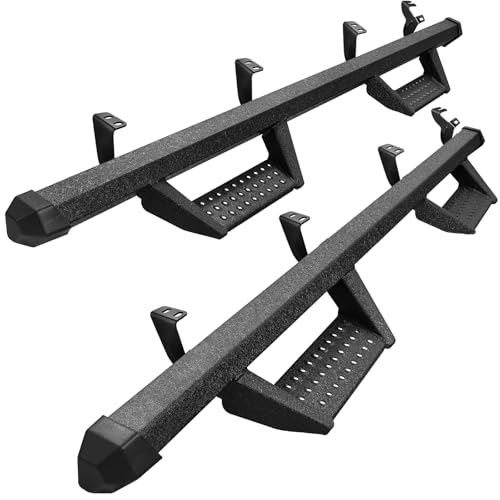
- Coating Requirements: Must be powder-coated or painted with a high-quality chassis black to prevent rust.
- Mounting: Best used with heavy-duty steel stake pockets or direct-to-frame bolt-on kits.
- Weight Impact: Significant. Steel rails can drastically reduce your available payload. Use thin-walled square tubing (1/8 inch or 11-gauge) to balance strength and weight.
Functional Features: Mounting Systems and Integrated Utility
When choosing side rails for your flatbed, how they attach to the deck is just as important as the materials they are made from. A high-quality mounting system ensures the rails stay secure under vibration and heavy loads, while integrated utility features turn simple barriers into multi-functional tools.
Stake Pocket Versatility
The most common mounting method utilizes standard stake pockets. These pockets, usually sized for 2×4 lumber or heavy-gauge steel tubing, allow for modular rail systems that can be added or removed in seconds. This is ideal for operators who frequently switch between hauling wide equipment and loose bulk materials.
- Tapered Sleeves: Some premium rail designs use tapered inserts that eliminate “chatter” or rattling while the truck is in motion.
- Locking Pins: Adding lynchpins or hitch pins through the stake pocket ensures that the rails won’t bounce out on rough terrain or washboard roads.
- Universal Compatibility: Stick with industry-standard pocket sizes so you can swap out custom steel racks for simple wooden stakes depending on the day’s job.
Integrated Tie-Downs and Lighting
Modern side rails often pull double duty by acting as a mounting surface for essential accessories. Instead of reaching over the rail to find a floor-mounted D-ring, many owners are now building utility-forward rails that keep everything within arm’s reach.
- Built-in Rub Rails: A horizontal bar running along the outside of the vertical stakes provides endless hook points for ratchet straps.
- LED Perimeter Lighting: Recessing small LED marker lights or work lamps into the rail structure improves visibility during night loading and increases safety on the highway.
- E-Track Segments: Welding short sections of E-track to the inside of steel side rails allows for professional-grade interior cargo management.
Choosing the Right Configuration for Your Specific Hauling Needs
Not all flatbeds serve the same purpose. The “perfect” rail design depends entirely on what you carry most often. A rail that is too high might hinder loading, while one that is too flimsy won’t provide the necessary security for heavy-duty commercial use.
Cargo Containment vs. Structural Support
If your primary goal is to keep small items like landscape trimmings or tools from sliding off, a mesh-infilled rail is your best bet. These provide a solid barrier without the heavy weight of solid steel plating. However, if you are hauling heavy machinery that might shift, you need structural rails made of thick-walled square tubing that can withstand significant lateral pressure.
- Height Considerations: 12-inch rails are perfect for keeping palettes in place, while 24-to-36-inch “cattle-style” racks are better for tall, unsecured loads.
- Wind Resistance: High, solid-panel rails act like a sail. If you do a lot of highway driving, consider open-slat or tubular designs to improve fuel efficiency and handling.
Ease of Access: Removable vs. Fold-Down
One of the biggest frustrations with flatbeds is having to lift heavy cargo over a fixed rail. If you frequently use a forklift to load from the side, a removable or hinged configuration is essential. Removable sections allow you to clear the entire deck, while fold-down “drop-sides” stay attached to the truck, preventing the risk of leaving your rails behind at a job site.
- Split-Section Rails: Instead of one long rail, use two or three smaller sections per side. This makes them much easier for one person to handle alone.
- Slam Latches: For fold-down designs, high-quality spring-loaded latches provide a satisfying “click” that confirms the rail is locked, saving you from constant manual checking.
Conclusion
Upgrading your flatbed with the right side rails is about more than just aesthetics; it is about maximizing the versatility and safety of your vehicle. Whether you opt for the classic look of stained pressure-treated lumber or the rugged durability of powder-coated steel, the best rail system is one that adapts to your specific workflow. By focusing on mounting flexibility and integrated utility, you can transform a basic flatbed into a highly organized hauling machine.
Start by assessing your most common cargo and deciding if a permanent or removable system fits your routine. Once you have a style in mind, consider adding features like integrated tie-downs or lighting to boost your productivity. Ready to upgrade? Sketch out your design today and take the first step toward a more functional flatbed!


💬 Quick Questions & Answers
Which material is best for DIY flatbed rails?
Pressure-treated lumber is the most accessible for DIYers, though steel offers superior long-term durability for heavy use.
How do removable side rails attach to the bed?
Most removable systems use standard stake pockets welded to the bed frame, allowing rails to slide in and out easily.
Are fold-down rails worth the extra cost?
Yes, if you frequently load from the side using a forklift or need quick access without removing heavy panels.
What is the ideal height for flatbed side rails?
Most users find 12 to 24 inches to be the ‘sweet spot’ for balancing cargo containment and visibility.
Can I add lighting to my side rails?
Yes, many custom designs incorporate recessed LED marker lights for improved nighttime safety and aesthetics.
❓ Frequently Asked Questions
What are the primary advantages of aluminum side rails over steel?
Aluminum is significantly lighter, which helps maintain your truck’s payload capacity and fuel efficiency. It is also naturally resistant to corrosion, making it ideal for regions where road salt is common.
How do I ensure my DIY wooden rails don’t rattle while driving?
Using snug-fitting stake pocket inserts and securing them with linchpins or bolts can minimize movement. Additionally, using rubber gaskets at contact points helps dampen vibrations.
Are mesh-filled steel rails better than open slat designs?
Mesh rails are superior for containing smaller items or loose debris that might slide through slats. However, open slats offer better visibility and are generally easier to clean and paint.


What is the best way to integrate tie-down points into side rails?
For steel rails, welding D-rings directly to the uprights provides the strongest anchor points. For wooden rails, it is safer to mount tie-downs directly to the flatbed frame rather than the rails.
Should I choose permanent or removable side rails?
Removable rails are highly recommended for general-purpose trucks as they allow you to haul wide loads that hang over the edge. Permanent rails are better for dedicated work trucks hauling loose materials.
How does the height of the side rails affect truck performance?
Taller rails increase wind resistance, which can slightly decrease fuel mileage at highway speeds. They also raise the center of gravity if the rails are exceptionally heavy, such as solid steel designs.