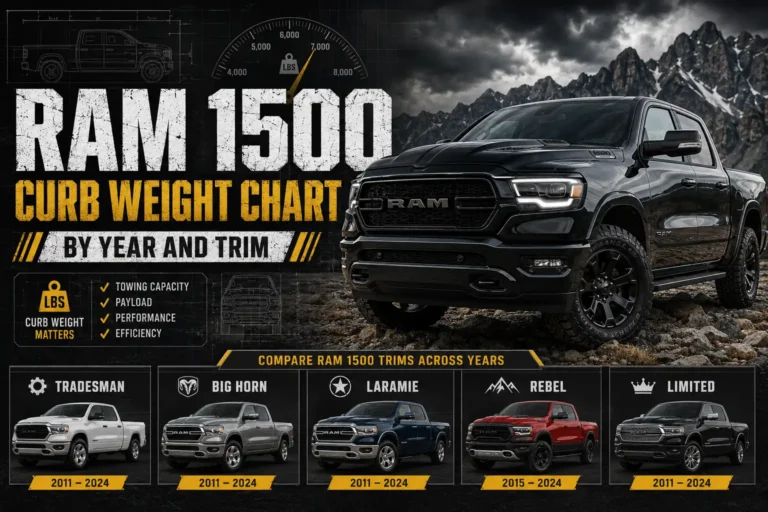
Ram 1500 Lug Nut Torque Specs Chart: 1994-2026 Years

The Ram 1500 lug nut torque is 130 ft-lb (176 N·m) in every Ram 1500 owner’s manual we read from 2011 to 2027. The nuts are cone type, the studs are M14 x 1.50 and the socket is 22 mm.
Older trucks differ, and some numbers repeated online, such as 140 ft-lb for “flanged” nuts, do not appear in any Ram 1500 manual.


Ram 1500 Lug Nut Torque Quick Answer
| Item | Spec |
|---|---|
| Torque | 130 ft-lb (176 N·m) |
| Nut type | Cone |
| Stud thread | M14 x 1.50 |
| Socket | 22 mm, six-sided, deep-wall |
| Tightening pattern | Star pattern, each nut tightened twice |
| Re-check | After 25 miles (40 km) |
| Wheel studs | Do not oil them |
This is the figure for 2019 and newer trucks. Ram prints it once for the whole line. We found no separate value for the front or rear wheels, for steel or alloy wheels, or for any trim.
Ram 1500 Lug Nut Torque at a Glance
From Ram’s owner’s manuals, 2008 to 2027.
Torque by model year (ft-lb)
Ram 1500 Classic, 2022 manual: 130 ft-lb. Not confirmed in Ram’s online manuals: 1994 to 2007, 2009 and 2010.
Star pattern on a five-lug Ram 1500
- 1Snug all five nuts with the truck on the jack. Ram says not to fully tighten until it is lowered.
- 2Lower the truck, then torque in the order 1 to 5, jumping across the wheel each time.
- 3Go around a second time. Ram says each nut gets tightened twice.
- 4Re-check after 25 miles (40 km). Do not oil the studs.
Not Ram 1500 specs
Ram 1500 Lug Nut Torque by Year
We read Ram’s owner’s manuals for each row below on the Mopar site. Where we could not open a manual, the table says so instead of guessing.
| Model years | Generation | Torque | Nut type | Manuals we read |
|---|---|---|---|---|
| 2019 to 2027 | Fifth generation (DT) | 130 ft-lb (176 N·m) | Cone | 2019, 2020, 2021, 2023, 2026, 2027 |
| 2019 to 2024 Classic | Fourth generation (DS), sold as Classic | 130 ft-lb (176 N·m) | Cone | 2022 |
| 2012 to 2018 | Fourth generation (DS) | 130 ft-lb (176 N·m) | Cone | 2012 to 2018 |
| 2011 | Fourth generation (DS) | 130 ft-lb (177 N·m) | Not specified | 2011 |
| 2008 | Third generation (DR) | 135 ft-lb (183 N·m) | Not specified | 2008 |
| 1994 to 2007, 2009, 2010 | Second and third generation, early fourth | Not confirmed | Not confirmed | Not in Ram’s online manuals |
The 2012 to 2018 manuals cover the 1500, 2500 and 3500 in one book. Its chart lists 130 ft-lb for cone nuts and 129 ft-lb for flanged nuts, but the flanged row is for the heavy-duty trucks. Ram’s 1500-only manuals from 2019 on list the cone nut alone.
The generation names follow our Dodge Ram 1500 generations chart, which also helps if you are not sure which generation your truck is.
What We Could Not Confirm
Ram’s online library has gaps, and we do not give a number where we could not read the source.
- 1994 to 2007. We found no 1500 owner’s manual for these years on the Mopar site.
- 2009 and 2010. We read the 2008 and 2011 manuals, not these two.
- 2022 (non-Classic), 2024 and 2025. We did not open these years individually. The manuals on either side, 2021, 2023, 2026 and 2027, all say 130 ft-lb.
For these years, check the owner’s manual that came with the truck, or ask a Ram dealer to read the specification for your VIN. Our Ram towing capacity by VIN guide shows how to decode the VIN and confirm the model year first.
Ram 1500 Lug Nut Torque by Generation
2019 to 2027 (DT)
Ram’s manuals for these years list one entry: 130 ft-lb (176 N·m), cone nut, M14 x 1.50, 22 mm socket. They say to use only dealer-recommended lug nuts and to clean dirt or oil off the nuts before tightening. For chrome wheels they say not to substitute chrome-plated nuts.



Ram 1500 Classic (2019 to 2024)
The Classic is the older body style that Ram kept on sale next to the new truck. Its 2022 manual lists 130 ft-lb, cone, M14 x 1.50, 22 mm. We did not read the Classic manuals for the other years.
2012 to 2018 (DS)
These trucks share a combined manual with the 2500 and 3500. The 1500 uses the cone row, 130 ft-lb, M14 x 1.50, 22 mm socket. The 2013 manual also prints an older sentence in its tire-change steps, giving 120 to 140 ft-lb for cone nuts. It disagrees with the chart on the same pages, so use 130 ft-lb.
2011 and 2008
The 2011 manual says correct tightness for the 1500 series is 130 ft-lb (177 N·m). The 2008 manual gives 135 ft-lb (183 N·m). The chart in both manuals lists 9/16-18 studs, so do not apply the M14 x 1.50 thread size to these years.
Does the Torque Change by Trim, Wheel or Engine?
No. Ram’s 1500 manuals give one torque value for the whole line. We found no separate figure for Tradesman, Big Horn, Laramie, Rebel, Limited, TRX or Black Edition trucks, for steel or alloy wheels, for 18, 20 or 22 inch wheels, for front versus rear, or for any engine. If your wheels are aftermarket, see the wheel section further down.
Numbers Online That Do Not Match Ram’s Manuals
Some of these figures appear on parts and forum pages. We checked each against Ram’s manuals.
| You may see | What Ram’s manuals say |
|---|---|
| 140 ft-lb for flanged nuts | No Ram 1500 manual lists a flanged nut. 140 ft-lb was the flanged figure on a manual page that recall 21V-398 corrected to 129 ft-lb for 2012 to 2021 Ram 3500 pickups and chassis cabs. The Ram 1500 is not on that recall. |
| 9/16-18 studs on 2019 and newer trucks | Ram’s manuals for these years list M14 x 1.50. |
| 100 ft-lb, 19 mm socket, for 1994 to 2001 | We found no Ram document for this. |
| Use anti-seize and cut the torque by 20% | Ram says not to oil wheel studs. We found no Ram instruction to reduce the torque. |
| Re-check after 50 to 100 miles | Ram says to check after 25 miles (40 km). |
| An impact wrench can deliver 300 ft-lb or more | Ram gives no setting for impact tools. It says to use a calibrated torque wrench. |
For the trucks that do use flanged nuts and the recall details, see our Ram lug nut torque chart and the Ram 2500 wheel torque specs.
How to Torque Ram 1500 Lug Nuts
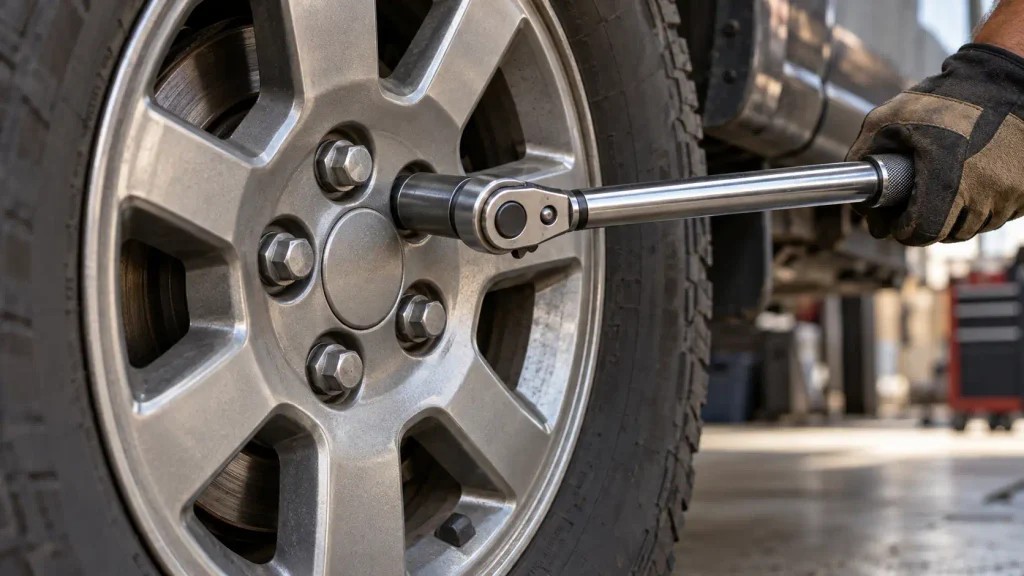
These steps follow the wording in Ram’s manuals.
- Loosen the nuts before you jack. Ram’s tire-change steps say to loosen, but not remove, the nuts while the tire is still on the ground. Our guides to Ram 1500 jack points and the jack and tool kit location cover the lifting side.
- Clean the mounting surface. Remove corrosion and loose particles from the wheel and hub, and remove dirt or oil from the nuts.
- Do not oil the studs. Ram’s manuals say so, and for chrome wheels they say not to swap in chrome-plated nuts.
- Snug the nuts while the truck is on the jack. Ram warns not to tighten them fully until the truck is lowered, so the jack cannot be forced out.
- Lower the truck and torque the nuts to 130 ft-lb. Use a calibrated torque wrench and a six-sided deep-wall 22 mm socket. Ram’s newer manuals say to push the socket fully onto the nut, not halfway.
- Follow the star pattern, twice. Ram says to tighten in a star pattern until each nut has been tightened twice. On a five-lug Ram 1500 the order is 1, 2, 3, 4, 5 in the diagram above.
- Check again after 25 miles (40 km). Ram’s manuals use this interval.
If you are unsure about the tightness, Ram’s manual says to have it checked with a torque wrench by an authorized dealer or service station.



Torque Wrench, Socket and Lug Nuts
The right tools are short to list. These points are general shop practice unless we say Ram’s manual says it.
- Socket. A 22 mm six-sided deep-wall socket, per Ram. A thin-wall or worn socket can round the nut.
- Wrench. A calibrated click-type or beam wrench that covers 130 ft-lb. Ram’s manuals call for a “properly calibrated” wrench. Stop at the click and do not go over it.
- Impact gun. Use it to run nuts on or off if you like, then finish with the torque wrench. Ram’s manuals do not give an impact setting.
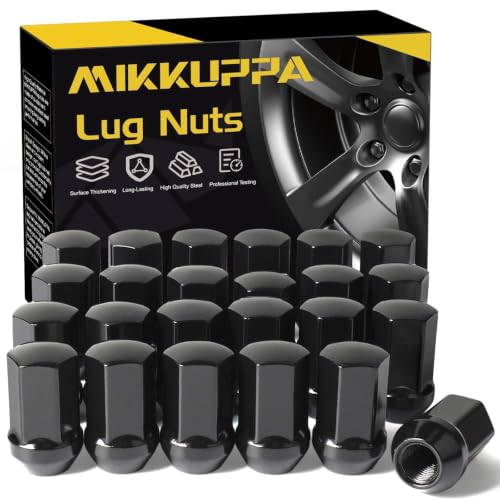
- Nuts. Ram says to use only authorized dealer-recommended lug nuts. A different nut may have a different seat and a different socket size.
Our Ram 1500 lug pattern guide and Ram 1500 wheel bolt pattern chart cover fitment when you are buying wheels.
Aftermarket Wheels, Spacers and Aftermarket Nuts
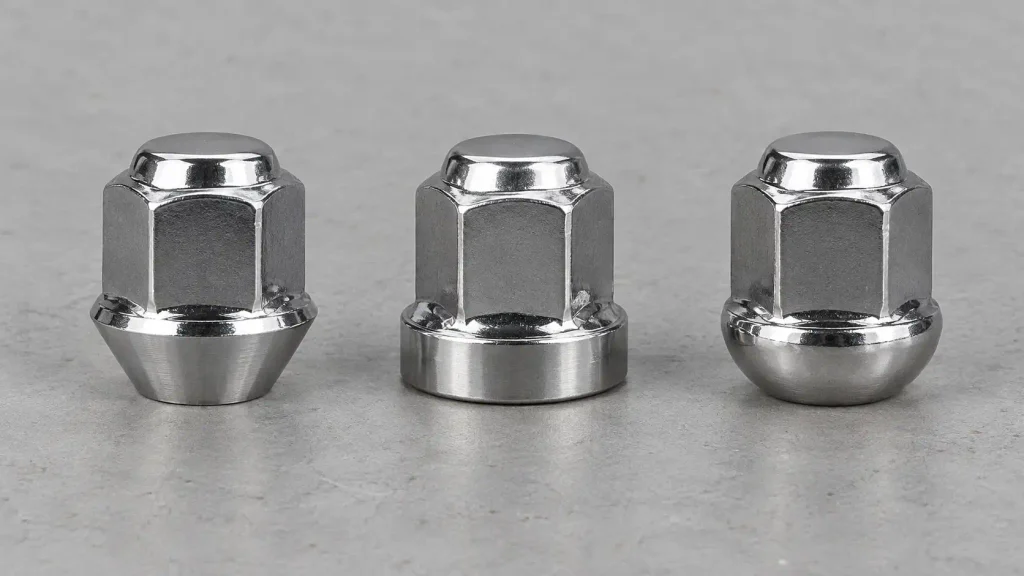
Ram’s 130 ft-lb is for the factory wheel and the factory cone nut. This section is general guidance, not from Ram’s manuals.
- Aftermarket wheels can use a different nut seat, such as flat, ball or cone. Match the nut seat to the wheel.
- The wheel maker’s torque instruction applies to its own wheel. If it differs from Ram’s, ask the wheel maker, and do not guess.
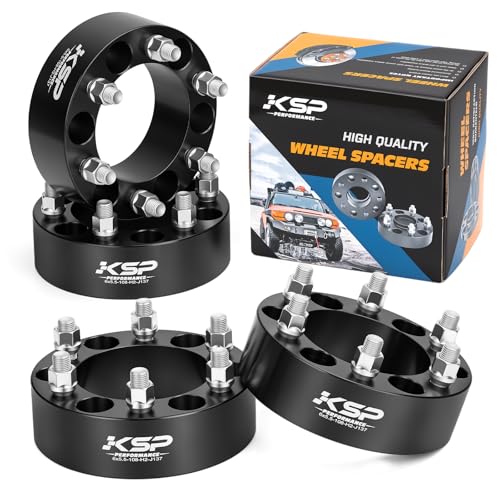
- Wheel spacers and adapters bring their own fasteners and torque specs. Use the figure from the spacer maker.
- If you are changing wheel or tire size, check Ram 1500 tire sizes by year before you order.
Signs a Ram 1500 Wheel Needs a Shop
Ram’s heavy-duty manual says loose wheel nuts can shear studs or elongate the bolt holes in the wheel. Take the truck to a shop if you see any of these:
- Nuts that keep coming loose after you torque them.
- A knock or vibration after a tire rotation or wheel change.
- A stud that spins, stretches or has damaged threads.
- Rust streaks or shiny marks around the nut seats, which can mean the wheel has been moving.
- A nut that will not seat or a wheel that will not sit flat on the hub.
Ram 1500 Lug Nut Torque FAQ
What is the lug nut torque for a Ram 1500?
130 ft-lb (176 N·m) with cone nuts, according to every Ram 1500 manual we read from 2011 to 2027. The 2008 manual gives 135 ft-lb.
What size socket do I need for Ram 1500 lug nuts?
A 22 mm six-sided deep-wall socket. Ram lists 22 mm for the M14 x 1.50 nuts on the 2012 and newer trucks. The older manuals list 9/16-18 studs.
Is Ram 1500 lug nut torque 140 ft-lb for flanged nuts?
No. Ram’s 1500 manuals list a cone nut only. 140 ft-lb was the flanged figure replaced by recall 21V-398 on 2012 to 2021 Ram 3500 and chassis cab trucks, and Ram now lists 129 ft-lb for those nuts.
Is the torque the same for every year of the Ram 1500?
Not for every year. It is 130 ft-lb for 2011, 2012 to 2018, 2019 to 2027 and the 2022 Classic in the manuals we read, and 135 ft-lb in the 2008 manual. We could not open the manuals for 1994 to 2007, 2009 and 2010.
Do the Rebel, Laramie, Limited or TRX use a different torque?
Ram’s manuals show one value for the Ram 1500 and no trim-specific figure. If you have a TRX or special wheels, confirm in your own manual.


Can I use anti-seize on Ram 1500 wheel studs?
Ram’s manuals say not to oil wheel studs. We found no Ram guidance for anti-seize, and none for reducing the torque. Ask a dealer before you use it.
Can I use an impact wrench on Ram 1500 lug nuts?
Ram’s manuals say to torque the nuts with a calibrated torque wrench any time a wheel has been removed and reinstalled. They give no impact setting, so use the torque wrench for the final pass.
When should I re-check Ram 1500 lug nut torque?
After 25 miles (40 km), per Ram’s manuals.
Is front and rear lug nut torque the same on a Ram 1500?
Yes. Ram’s table has no separate front or rear value.
Related Guides
- Ram lug nut torque chart for the 1500, 2500, 3500 and 5500
- Ram 2500 wheel torque specs
- Dodge Ram 1500 generations chart
- 2020 Ram 1500 jack points
- Ram 1500 jack and tool kit location
- Dodge Ram spare tire removal tool guide
- Ram 1500 wheel bolt pattern chart
- Ram 1500 tire size chart by year
- Ram towing capacity by VIN
We also read the 2019, 2020, 2021 and 2012 to 2017 manuals on Mopar’s site. Use your own owner’s manual or a Ram dealer to confirm the figure for your VIN before you torque a wheel. Last updated October 2026.


![RAM 1500 Power Running Boards [2026]](https://truckguider.com/wp-content/uploads/2026/03/ram-1500-power-running-boards-featured.webp)