What Does a Throttle Body Spacer Do Real Expert Guide 2026

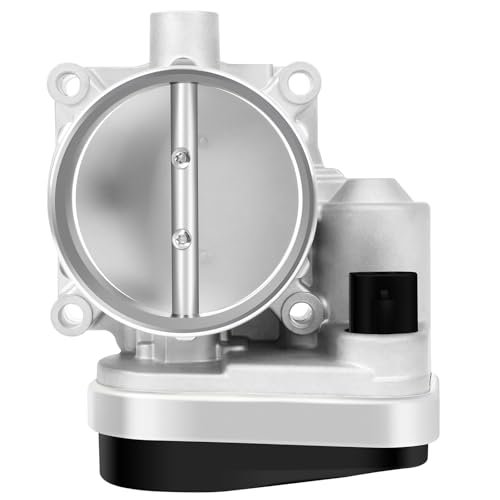
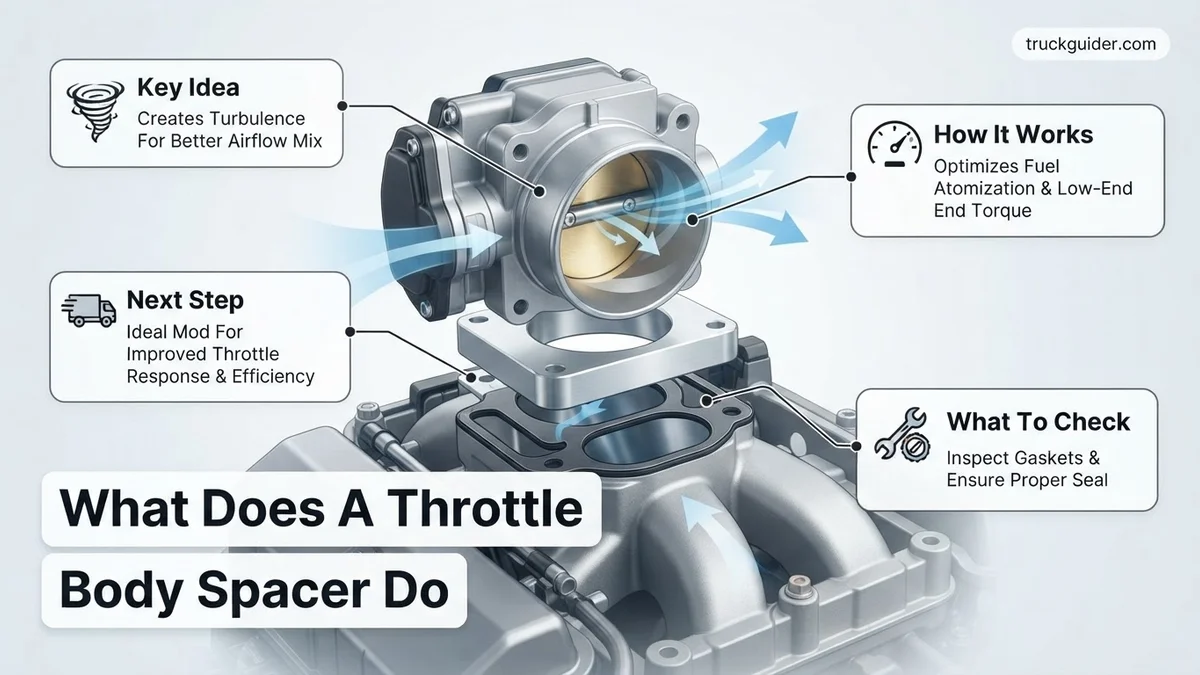
A throttle body spacer is an aftermarket metal plate installed between the throttle body and intake manifold to alter airflow dynamics. It is designed to increase plenum volume and create air turbulence, which aims to improve fuel atomization and low-end torque. However, its effectiveness depends heavily on whether your vehicle uses a modern multi-point fuel injection system or an older carbureted setup.
A throttle body spacer is a simple metal ring that mounts between your throttle body and intake plenum, designed to increase intake volume and induce a helical spin in incoming air. By lengthening the intake path and creating turbulence, this device helps air and fuel mix more thoroughly before entering the combustion chamber, aiming to improve low-end throttle response and torque.



As vehicle engineering moves through 2026, modern factory intake tracts are already heavily optimized using advanced computational fluid dynamics. However, understanding the exact mechanical theory behind this aftermarket mod helps you separate genuine low-rpm performance benefits from old marketing myths.
Key Takeaways
- Throttle body spacers increase plenum volume and create air swirl inside the intake.
- They target improved fuel atomization for better low-end throttle response and torque.
- Modern fuel-injected engines see negligible horsepower gains from standard spacers.
- Older carbureted and TBI engines benefit the most from helical spacer designs.
- Marketing claims of massive fuel economy improvements are largely exaggerated.
What Causes Airflow Inefficiencies in Intake Systems
The Physics of Plenum Volume Restrictions
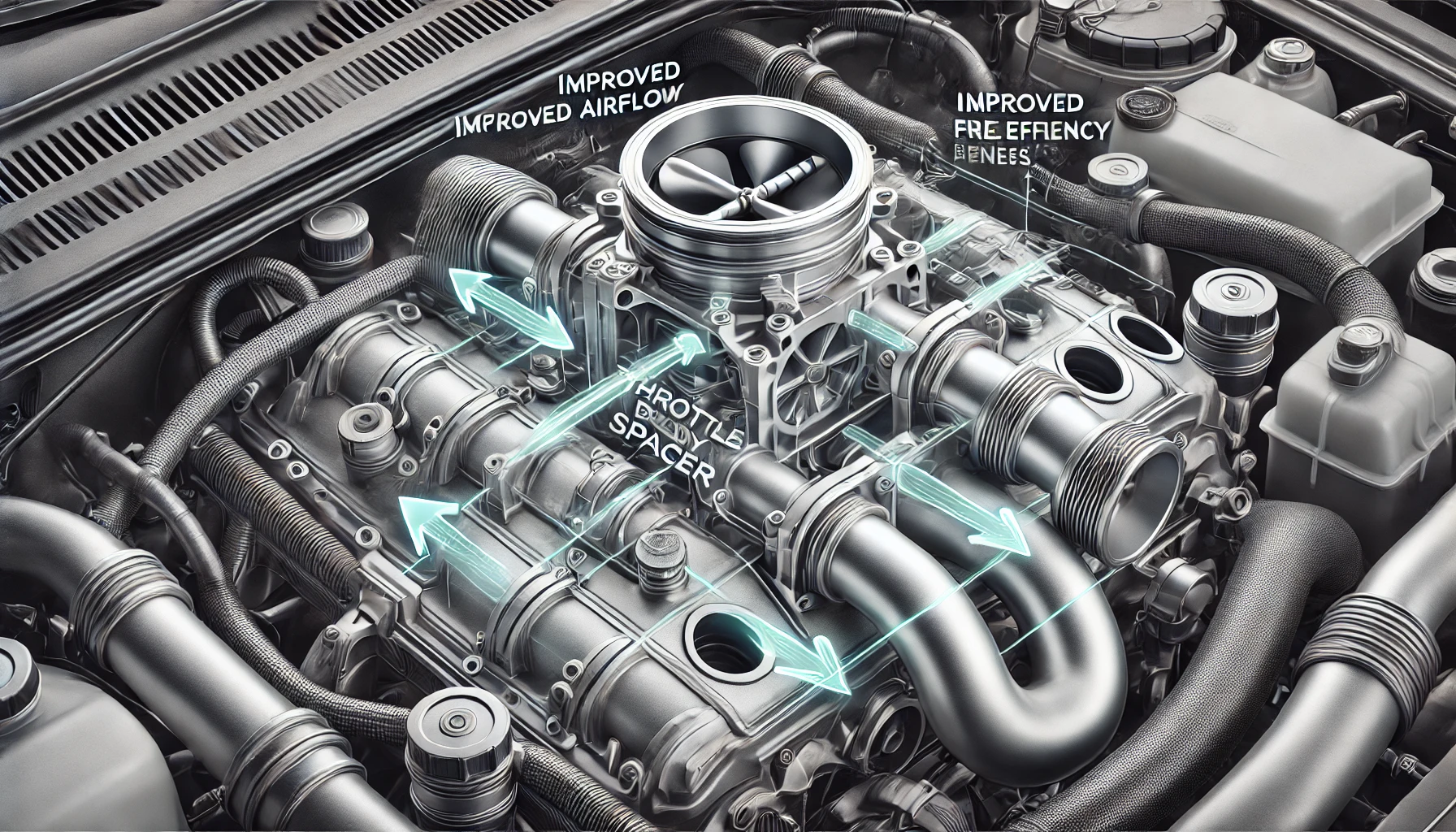
Your engine relies on a steady, high-velocity supply of air to create power. Factory intake manifolds are a compromise between packaging constraints and smooth airflow. When your throttle blade snaps open, a sudden pressure drop occurs in the plenum. This delay can cause a momentary hesitation in throttle response, especially in older port-injection setups.
- Factory plenums often prioritize high-RPM horsepower over low-end air velocity.
- Short intake runners can limit air mixing at lower engine speeds.
- Pressure waves bounce back and forth inside the runner, creating minor turbulence zones.
Air Atomization Challenges in Port Injection
In standard port fuel injection engines, fuel is sprayed behind the intake valves, but the initial air charge begins its journey at the throttle plate. If the air moves too linearly without sufficient swirl, fuel droplets can cling to the runner walls as liquid film rather than hanging in suspension. This poor atomization leads to incomplete combustion cycles down in the cylinder.
- Smooth, straight-line airflows can drop fuel suspension quality at low RPMs.
- Heavy fuel droplets burn slower than finely atomized vapor clouds.
- Inadequate air mixing reduces thermal efficiency during initial throttle tip-in.
How to Diagnose If Your Engine Benefits from a Spacer
Identifying Low-End Power Lulls
Not every vehicle will respond the same way to a modified intake spacer. If you drive a heavy truck or an SUV used for towing, you live in the lower RPM ranges where off-the-line torque matters most. You can diagnose a potential need for improved low-end response by paying close attention to your daily driving dynamics.
- Noticeable throttle lag when pulling away from a complete stop.
- Sluggish acceleration under 2,500 RPM when loaded down with cargo.
- Factory intake designs that feature a very short distance from throttle body to runner entry.
Evaluating Your Current Intake Setup
Before adding a spacer to your 2026 daily driver, inspect your current intake manifold configuration. Modern direct-injection (DI) engines spray fuel directly into the combustion chamber, rendering the atomization benefits of a swirl-generating spacer virtually useless for the fuel charge. However, older port-injected engines or specific forced-induction setups may still alter plenum resonance enough to change your power band.




- Check if your engine uses direct injection or traditional port injection.
- Verify physical clearance under your hood for an extra inch of intake depth.
- Analyze whether your primary driving style benefits from low-RPM torque over peak horsepower.
What If It Still Doesn’t Work After Installation
Sometimes an installation does not yield the expected low-end torque improvement, or worse, it introduces a high-pitched whistling noise. Automotive diagnostic technicians note that minor performance upgrades require systematic troubleshooting to isolate the root cause.
1. Check for Vacuum Leaks
A whistling sound or erratic idle usually indicates a compromised gasket seal. Re-torque the throttle body bolts to factory specifications, typically between 8 and 10 foot-pounds depending on the vehicle platform, using a calibrated torque wrench.
2. Perform an Idle Relearn Procedure
Altering the intake volume can temporarily confuse the engine control unit (ECU). Disconnect the negative battery terminal for 15 minutes to clear adaptive memory, then follow the manufacturer-specific idle relearn protocol.
3. Inspect Gasket Alignment
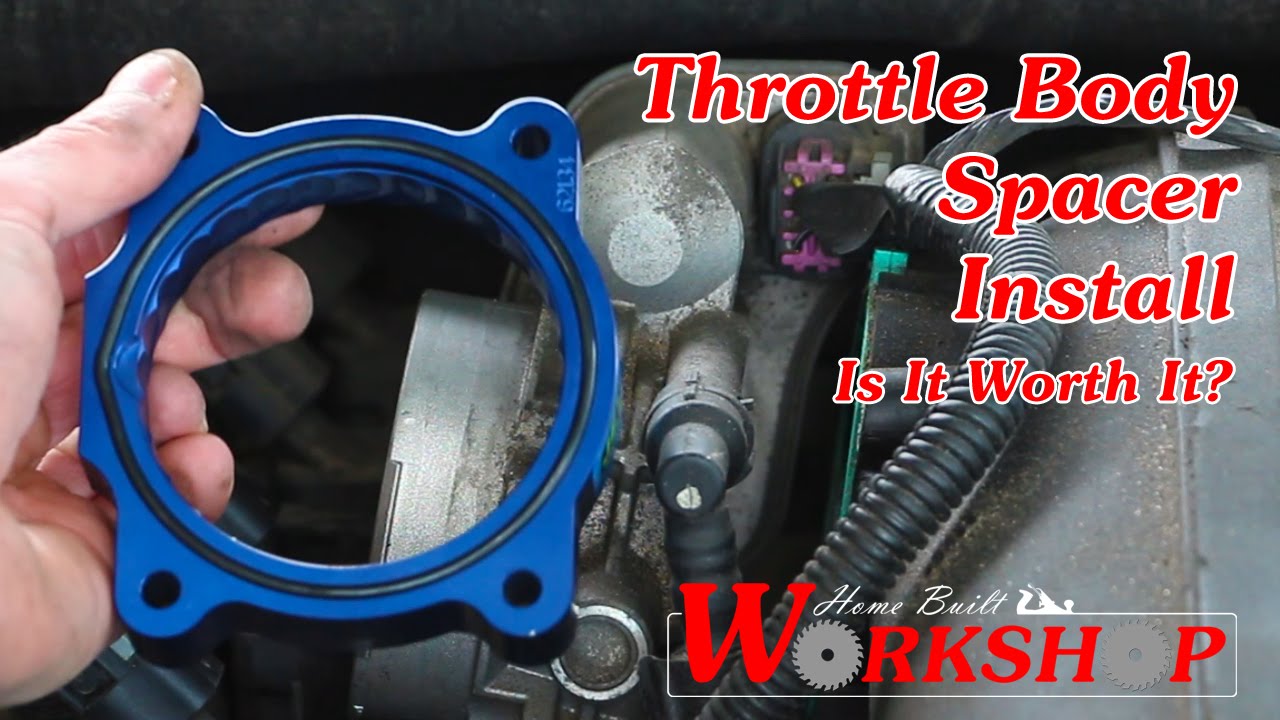
Misaligned gaskets obstruct airflow and create turbulence. Disassemble the unit, verify that the O-ring or paper gasket sits flush within the machined groove of the spacer, and ensure no material overlaps the intake bore.
When to Seek Professional Help
If check engine lights persist or drivability issues continue after verifying the installation, consult a certified automotive technician. Professional diagnostic scans typically cost between $100 and $150, while labor to correct intake component installation ranges from $150 to $250.
Frequently Asked Questions About Throttle Body Spacers
Do throttle body spacers void a factory vehicle warranty?
Under the Magnuson-Moss Warranty Act, aftermarket parts do not automatically void a warranty unless the dealership or manufacturer proves the spacer directly caused a mechanical failure. However, consumers should verify compliance with regional emissions regulations, as certain non-carbureted designs lack 50-state legal status.



Will a throttle body spacer increase fuel economy?
While marketing claims often suggest a 1 to 3 MPG increase, rigorous dynamometer testing and real-world fuel economy studies show negligible improvements in modern vehicles. Advanced engine management systems automatically adjust fuel delivery, neutralizing potential efficiency gains from minor turbulence modifications.
Can I stack two throttle body spacers together?
Stacking multiple spacers is strongly discouraged by automotive engineers. Excessive distance between the throttle plate and the intake manifold disrupts air velocity profiles, degrades throttle response, and frequently causes severe clearance issues with the hood or engine accessories.
Conclusion
Understanding what a throttle body spacer does helps separate marketing claims from actual engineering performance. While these components offer minor air swirl benefits on older throttle-body-injected engines, modern port and direct-injection systems see minimal gains. According to verified research and expert sources from leading automotive testing facilities, investing in high-flow air filters or custom ECU tuning yields superior horsepower returns. Next step: review your vehicle’s specific intake configuration before purchasing aftermarket modifications.
❓ Frequently Asked Questions
How does the helical design of a throttle body spacer affect airflow?
Helical or spiral spacers are engineered to spin the incoming air charge, theoretically mixing the air and fuel more thoroughly before it enters the combustion chamber. In practice, this swirl effect matters mostly in older wet-flow intake manifolds.
Why do modern fuel-injected engines see little benefit from spacers?
Modern engines use multi-port or direct fuel injection, meaning fuel is sprayed directly into the cylinders or right at the intake valve, long past the throttle body. Because air alone passes through the throttle body, creating turbulence there has minimal impact on fuel mixing.


Will a throttle body spacer trigger a check engine light?
No, a simple mechanical spacer does not contain sensors or alter computer logic, so it will not directly trigger fault codes unless an intake vacuum leak occurs during installation.
Can I stack multiple throttle body spacers for more power?
Stacking spacers is not recommended as it changes the intake geometry beyond engine design parameters, potentially causing clearance issues or degraded performance.
Do throttle body spacers make a whistling sound?
Yes, many helical spacers cause a noticeable whistling or humming sound under acceleration due to the air passing through the engineered grooves.
Are throttle body spacers worth the money?
For modern daily drivers, they are generally considered a cosmetic or minor novelty modification rather than a performance upgrade, making them low priority for investment.
![P0440 Code Dodge: Complete Repair Guide [2026]](https://truckguider.com/wp-content/uploads/2026/03/featured-15d10483-768x768.webp)
![2 In 2 Out Muffler vs 2 Mufflers: Expert Review [2026]](https://truckguider.com/wp-content/uploads/2026/03/2-in-2-out-muffler-vs-2-mufflers-featured.webp)