
2013 Ram 1500 Lug Pattern: Specs & Fitment Guide [2026]

Ensuring the structural integrity of your truck begins where the rubber meets the road: the wheel mounting surface. Selecting the wrong wheels or fasteners for a 2013 Ram 1500 can lead to catastrophic mechanical failure, high-speed vibrations, or poor handling characteristics that compromise safety. This comprehensive technical guide provides the exact lug pattern, professional torque specifications, and hub measurements required for a professional-grade wheel installation on your 2013 Ram 1500, ensuring your vehicle remains reliable and trusted on any terrain.


Identifying the 2013 Ram 1500 Lug Pattern and Dimensions
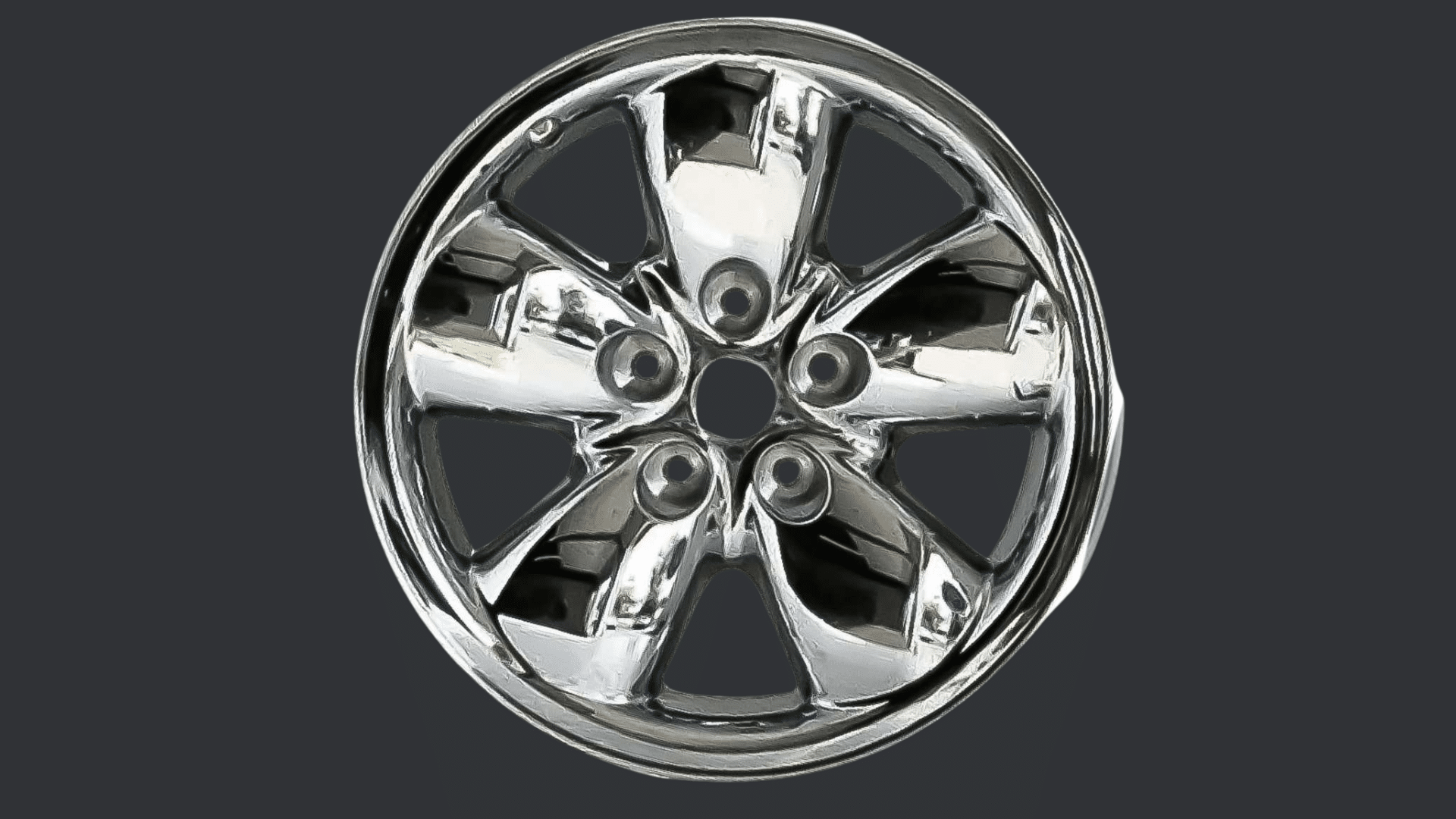
The foundation of any wheel fitment project is the bolt pattern, a critical measurement that dictates which wheels can physically mount to your hub. For the 2013 Ram 1500, the industry standard is a 5×139.7mm configuration. This technical designation indicates that the hub features five lug holes arranged in a circle with a diameter of 139.7 millimeters. In North American catalogs and among expert enthusiasts, this is frequently referred to by its imperial equivalent: 5×5.5 inches.
Measuring a 5-lug pattern requires a specific technique that differs from even-numbered patterns. Because the holes are not directly opposite one another, you cannot simply measure center-to-center across the hub. To identify a 5×5.5 pattern correctly in the field, measure from the back edge of one lug hole to the center of the second hole across the hub. This complete measurement will yield 139.7mm (or 5.5 inches). Incorrectly measuring center-to-center will provide a false reading, leading to the purchase of incompatible wheels that will not seat properly.
This 5×139.7mm pattern has a storied history within the Chrysler/Ram lineage. It served as the trusted standard for the Ram 1500 platform from the late second-generation models (2002) all the way through the end of the fourth-generation “Classic” series. It is vital to distinguish the light-duty 1500 from its heavy-duty siblings; while the 1500 uses this 5-lug setup, the 2500 and 3500 variants utilize an 8-lug pattern (8×165.1mm). Purchasing wheels intended for a 2500 for use on a 2013 1500 is a common pitfall that results in immediate project delays.
Always use the exact 5×139.7mm measurement. Attempting to “force fit” a similar pattern, such as the 5x135mm found on older Fords, will cause lateral stress on the studs, leading to stud shearing and potential wheel loss during vehicle operation.

Hub Centricity and Center Bore Diameter
While the lug pattern secures the wheel laterally, the center bore is what ensures the wheel is perfectly concentric with the axle. The 2013 Ram 1500 chassis features a 77.8mm (3.06 inches) hub bore. This is a hub-centric design, meaning the center hole of the wheel fits snugly over the machined lip of the hub. This professional configuration is superior to lug-centric designs because it uses the hub itself to support the vehicle’s weight and center the wheel, rather than relying solely on the lug nuts.
The 77.8mm hub lip acts as a primary load-bearing surface, significantly reducing the shear stress placed on the 9/16-inch studs. When the center bore of the wheel matches the hub exactly, the rotating assembly remains balanced at high speeds. In a common expert scenario, even a minor discrepancy—such as a 0.5mm gap caused by using a wheel with a 78.3mm bore—can manifest as a persistent steering wheel vibration at highway speeds (60–75 mph) that cannot be cured by traditional tire balancing.
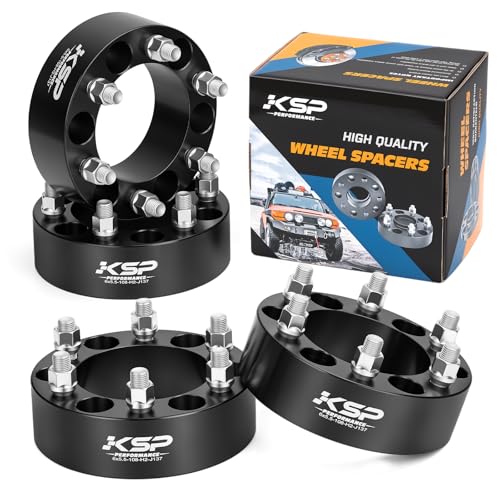
Aftermarket wheel manufacturers often produce wheels with larger center bores (e.g., 108mm or 110mm) to fit a wider range of vehicles. If you choose such wheels for your 2013 Ram, you must use high-quality hub-centric rings. These rings act as a spacer to bridge the gap between the 77.8mm Ram hub and the larger wheel bore. Without these, the wheel becomes lug-centric, which is unacceptable for a truck designed for towing and heavy payloads. Always ensure the hub surface is free of rust and debris using a wire brush before installation to guarantee a flush mount between the wheel and the brake rotor.
By The Numbers: Hub & Pattern
Bolt Circle Diameter
Center Bore Size
Bore Tolerance (mm)
Fastener Specifications and Professional Lug Nut Torque Requirements
The hardware that binds your wheels to the hub is just as critical as the wheels themselves. The 2013 Ram 1500 utilizes 9/16″-18 TPI (Threads Per Inch) studs. This is a robust fastener size, common in American half-ton trucks of this era, offering high clamping force. For removal and installation, a 22mm or 7/8-inch deep-well socket is the required tool for factory lug nuts. Expert technicians recommend using a 6-point socket to prevent rounding the chrome decorative caps often found on OEM Ram lug nuts.



The trusted factory torque specification for these fasteners is 130 lb-ft (176 Nm). This specific tension is calculated to ensure the studs remain in their “elastic” range, providing a constant clamping force without reaching their yield point. Under-torquing can lead to the lug nuts backing off over time, while over-torquing is equally dangerous. Excessive force with an impact wrench can stretch the studs beyond repair or warp the brake rotors, leading to a pulsating brake pedal.
📋
Step-by-Step Installation Guide
Hand-tighten all five lug nuts in a clockwise direction until the wheel is seated flush against the hub face. Never use an impact wrench to start the nuts, as 9/16-18 threads are prone to cross-threading if misaligned.
Using a torque wrench, tighten the nuts in a 1-3-5-2-4 “star pattern.” This ensures the clamping force is distributed evenly across the rotor and hub, preventing run-out and vibration.
Set your torque wrench to 130 lb-ft. Click each nut once in the star pattern, then perform a final circular “cleanup” pass to ensure no lug nuts were missed.
Offset and Backspacing for Performance Wheel Fitment
Understanding how a wheel sits within the wheel well is a matter of offset and backspacing. The factory offset for 2013 Ram 1500 wheels typically ranges from +19mm to +25.4mm. Offset is the distance from the hub mounting surface to the centerline of the wheel. A positive offset (+19mm) means the mounting surface is tucked toward the street side of the wheel, pulling the wheel inward toward the suspension. This results in a backspacing of approximately 5.5 to 5.75 inches on standard 20×9 inch OEM wheels.
When transitioning to aftermarket wheels, especially for a more aggressive “stance,” owners often look toward zero or negative offsets. For example, a 20×10 inch wheel with a -12mm offset will “poke” significantly further out than the factory setup. While this creates a desirable aesthetic, it increases the scrub radius and places additional leverage on the wheel bearings and ball joints. It is an expert recommendation to monitor these components more frequently if running high-offset wheels.
Clearance is the primary concern when installing 33-inch or 35-inch all-terrain tires. A wheel with too much positive offset (inward) will cause the tire sidewall to rub against the upper control arm (UCA). Conversely, too much negative offset (outward) can lead to the tire catching the plastic inner fender liner or the “pinch weld” at the rear of the front wheel well during full steering lock. For 35×12.50 tires on a leveled 2013 Ram, a wheel width of 9 inches with an offset between 0mm and +12mm generally provides the best balance of clearance and aesthetics.



Inter-Model Compatibility and Trusted Swap Potential
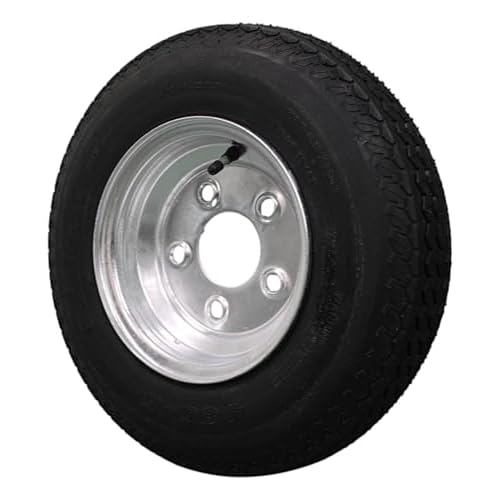
One of the advantages of the 2013 Ram 1500 is its comprehensive compatibility with a wide range of production years. Because the DS platform remained largely unchanged regarding its hubs, you can directly swap wheels from any Ram 1500 manufactured between 2002 and 2018. This opens up opportunities to use high-trim “take-off” wheels, such as the 17-inch matte black wheels from a 2017 Ram Rebel, to upgrade the look of a base SLT or Tradesman trim from 2013.
Wheels from the 2019 and newer Ram 1500 (DT platform) are NOT compatible with the 2013 model. In 2019, Ram transitioned to a 6×139.7mm bolt pattern. Do not purchase 5th-generation wheels for your 4th-generation truck without expensive and often unsafe hub adapters.
Other vehicles in the Chrysler family, such as the Dodge Dakota (2005–2011) and Dodge Durango (2004–2009), also utilized the 5×5.5 pattern. However, expert caution is required: while the lug pattern matches, these vehicles often used different offsets and smaller center bores. Always verify the 77.8mm hub clearance before attempting a cross-model swap.
For owners looking to downsize their wheels for better off-road performance—allowing for a larger tire sidewall—the minimum wheel diameter is 17 inches. The front brake calipers on the 2013 Ram 1500 are sized such that 16-inch wheels will not clear the casting. Even with 17-inch wheels, the placement of wheel weights is critical; professional tire shops will use “low-profile” stick-on weights to avoid interference with the caliper during rotation.
✅ Top Compatibility
- 2002-2018 Ram 1500 (All trims)
- 2019-2023 Ram 1500 “Classic”
- Direct fit 5×139.7mm Hubs
- 77.8mm Bore consistency
❌ Incompatible Models
- 2019+ Ram 1500 New Body (6-lug)
- Ram 2500/3500 (8-lug)
- Ford F-150 (6x135mm)
- Chevy Silverado (6×139.7mm)
In summary, the 2013 Ram 1500 utilizes a 5×139.7mm (5×5.5″) lug pattern with 9/16″-18 studs. Proper installation requires a 77.8mm hub-centric fit and a specific torque of 130 lb-ft. Always verify offset and backspacing when transitioning to aftermarket wheels to maintain suspension clearance. Before purchasing your next set of wheels, cross-reference your chosen model’s specs with this guide to ensure a reliable and safe fitment that maintains the professional standards of your truck.
Frequently Asked Questions
What is the exact lug pattern for a 2013 Ram 1500?
The 2013 Ram 1500 uses a 5×139.7mm bolt pattern, which is also commonly referred to as 5×5.5 inches in the United States. This five-lug configuration is a hallmark of the fourth-generation Ram 1500 trucks. Ensuring this exact measurement is vital, as even slight variations like the 5x135mm pattern found on other trucks will not fit and could damage the studs.
Can I use wheels from a 2020 Ram 1500 on my 2013 model?
No, you cannot. Starting in 2019 with the new ‘DT’ body style, Ram transitioned the 1500 series to a 6-lug pattern (6×139.7mm). Your 2013 Ram 1500 uses a 5-lug pattern. While the metric diameter of the circle is technically the same (139.7mm), the number of studs differs, making the wheels physically incompatible without expensive and often unsafe adapters.
What size are the lug nuts on a 2013 Ram 1500?
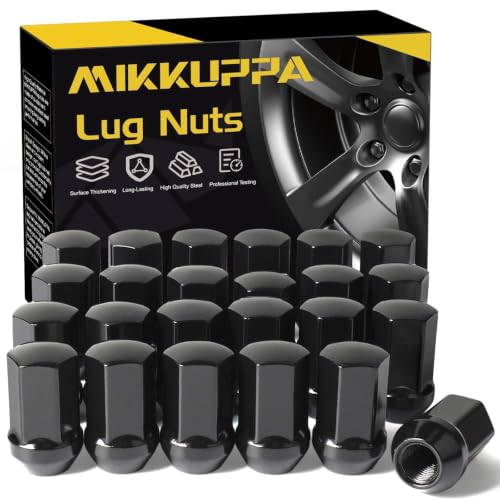
The factory lug nuts for a 2013 Ram 1500 feature a 9/16″-18 thread pitch. To remove or install them, you will typically need a 22mm or 7/8-inch deep-well socket. It is essential to use a quality six-point socket to avoid rounding off the decorative chrome caps often found on OEM Dodge/Ram lug nuts during high-torque applications.


What is the recommended torque spec for these lug nuts?
For a 2013 Ram 1500, the professional-grade torque specification is 130 lb-ft (176 Nm). This should be achieved using a calibrated torque wrench rather than an impact gun. Tighten the nuts in a star pattern in two stages—first to 65 lb-ft and then to the final 130 lb-ft—to ensure the wheel is seated perfectly flat against the hub.
Does the 2013 Ram 1500 require hub-centric wheels?
Yes, the 2013 Ram 1500 is designed as a hub-centric system with a 77.8mm hub bore. This means the wheel is centered by the hub’s center pilot rather than the lugs themselves. If you purchase aftermarket wheels with a larger center bore, you must use hub-centric rings to fill the gap, ensuring a reliable, vibration-free driving experience.
![Best Dodge Ram 1500 Truck Bed Liners [2026]](https://truckguider.com/wp-content/uploads/2026/03/truck-bed-liner-dodge-ram-1500-featured.webp)


![Fix P0138 Code Dodge Ram 1500: Causes & Fixes [2026]](https://truckguider.com/wp-content/uploads/2026/03/p0138-dodge-ram-1500-featured.webp)
![Ram 1500 Bed Rack with Tonneau Cover: Compatibility Guide [2026]](https://truckguider.com/wp-content/uploads/2026/03/ram-1500-bed-rack-with-tonneau-cover-featured.webp)