2014 Dodge Ram Rear Bumper: Fitment Guide & Best Prices [2026]

Compatibility is the most critical factor when selecting a 2014 Dodge Ram rear bumper, as you must distinguish between 1500 and 2500/3500 series and exhaust configurations. High-quality OEM and aftermarket replacements are available in chrome, matte black, or primed finishes to match your truck’s specific trim level. Always verify parking sensor hole requirements to ensure a seamless bolt-on installation without modifications.
🎯 Key Takeaways
Recommended Best Deal Products


- Distinguish between 1500 and heavy-duty 2500/3500 frames before purchasing.
- Identify if your truck has dual or single exhaust cutouts.
- Check for pre-drilled holes if your Ram has parking assist sensors.
- Choose chrome for OEM looks or primed for custom paint matching.
- Most replacements are direct bolt-on, requiring no drilling or welding.
Finding a direct-fit replacement for your 2014 Dodge Ram rear bumper requires knowing your specific trim and exhaust configuration. Whether you are dealing with a collision repair or upgrading a rusted unit, the right bumper will cost you anywhere from $230 for a standard aftermarket shell to over $750 for a full chrome assembly with sensor holes. The most critical step is matching the bumper to your exhaust exits—dual rear-exit or single side-exit—to avoid costly return shipping fees and installation delays.

Prime for Young Adults — 6 Months Free
Students and 18–24s get six months of Prime free, then half price.
Start 6 Months Free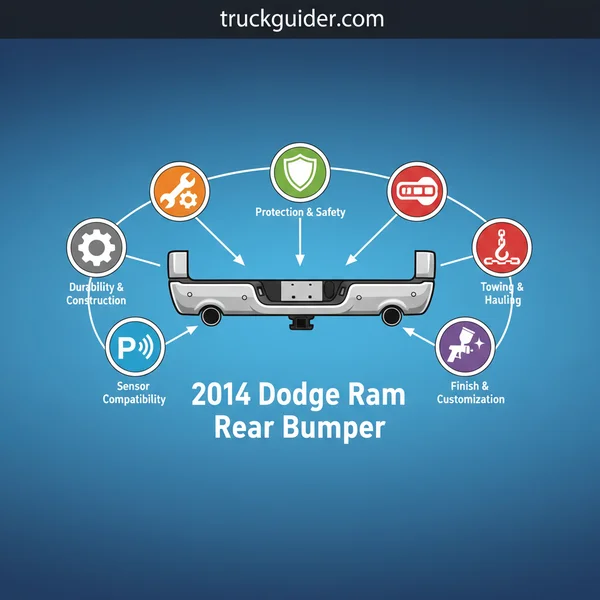
Getting this right matters because Dodge used several different bumper molds for the 2014 model year. A bumper designed for a 1500 Tradesman will not physically bolt onto a 2500 Heavy Duty, and a bumper without sensor cutouts will leave your ParkSense system useless. This guide focuses on identifying your specific requirements and locating the best prices for high-quality replacements that meet or exceed original equipment standards.
Types of 2014 Dodge Ram Rear Bumpers: OEM vs. Aftermarket
When shopping for a replacement, you must choose between Original Equipment Manufacturer (OEM) parts from Mopar and aftermarket alternatives. This choice significantly impacts both your final budget and the long-term rust resistance of the truck’s rear end. For a 2014 model, which is now well out of warranty, many owners find that high-quality aftermarket options provide the best balance of value and appearance.
OEM Mopar Replacements
OEM bumpers are the exact parts installed at the factory. They offer the most reliable fitment and a chrome finish that matches your front bumper perfectly. However, they are the most expensive option. For a 2014 Ram 1500, a Mopar chrome rear bumper assembly typically retails between $500 and $700, depending on the sensor and exhaust options.
- Best for: Owners who want a perfect 100% match and maximum longevity.
- Price Range: $450 – $800
- Availability: Dealerships and specialized online Mopar parts retailers.
Aftermarket and CAPA-Certified Options
Aftermarket bumpers are produced by third-party companies. CAPA-certified (Certified Automotive Parts Association) bumpers are tested to ensure they fit and perform exactly like the original part. These are often half the price of OEM units. You can find primered versions ready for paint or chrome-plated versions that look identical to the stock bumper from a distance of five feet.
- Best for: Budget-conscious repairs and older work trucks.
- Price Range: $220 – $400
- Key Brands: Replace, Sherman, Evan-Fischer.
How to Replace Your 2014 Dodge Ram Rear Bumper Like a Pro: A Practical Walkthrough
Recommended Best Deal Products


The rear bumper of your 2014 Dodge Ram is more than just a piece of metal; it is a critical safety component that protects your truck’s frame, houses essential electronics like parking sensors, and provides a mounting point for towing. Whether your bumper has suffered from rust, or a minor collision, or you are simply upgrading to a heavy-duty steel version, performing the replacement yourself can save you hundreds of dollars in labor costs. This guide covers the entire process from disconnection to final alignment, ensuring that your new bumper is securely mounted and all electrical components function perfectly. Following these steps carefully will prevent damage to your paint and ensure that your trailer connections remain reliable for years to come.
Step 1: Preparation and Tool Gathering
What you need: A 15mm socket, an 18mm socket, a ratchet with a long extension, a flat-head screwdriver, safety glasses, and a pair of work gloves.
Instructions: Before you begin, park your Ram on a level surface and engage the parking brake. If your truck is equipped with rear parking sensors, you may want to disconnect the negative terminal of the battery to prevent any electrical shorts during the process, though this is optional. Gather your tools and organize them within reach. It is highly recommended to spray the mounting bolts under the chassis with a penetrating oil like WD-40 or PB Blaster at least 30 minutes before starting. These bolts are exposed to road salt and moisture, making them prone to seizing. Lay down a moving blanket or a large piece of cardboard underneath the rear of the truck to protect your new bumper from scratches during the installation phase.
Pro Tip: Use a 1/2-inch drive ratchet or a breaker bar for the 18mm frame bolts. They are torqued heavily from the factory and can be very difficult to break loose with a standard 3/8-inch driver.
Step 2: Disconnecting the Electrical Harnesses
What you need: A small flat-head screwdriver or a trim removal tool.

Audible — Listen Free for 30 Days
One free credit a month and thousands of titles included.
Listen Free for 30 DaysInstructions: Crawl underneath the rear of the vehicle to locate the electrical connections. There are three main components to address: the trailer light plug, the license plate lights, and the parking sensors (if equipped). Start with the trailer plug by squeezing the release tab and pulling the connector toward the front of the truck. Next, twist the license plate light housings counter-clockwise to remove them from the bumper. Finally, if you have ParkSense, locate the main harness connector on the driver’s side frame rail. Slide the red locking tab back and depress the clip to disconnect the entire sensor loom. Do not attempt to pull the individual sensors out of the bumper yet; it is much easier to do this once the bumper is off the vehicle.
Pro Tip: If the red locking tab on the harness is stuck due to dirt buildup, use a small blast of compressed air to clear the debris before sliding it, or you risk snapping the plastic tab.
Step 3: Removing the License Plate and Hidden Bolts
What you need: A 15mm socket and a screwdriver.
Instructions: Remove your license plate by unscrewing the four mounting screws. Once the plate is removed, you will see two 15mm bolts located directly behind where the plate was sitting. These bolts secure the center of the bumper to the hitch assembly or the frame crossmember. Use your 15mm socket and extension to remove these completely. It is important to do this step now because if you remove the main frame bolts first, the bumper may sag and put unnecessary stress on these smaller center bolts, potentially stripping the threads. Keep these bolts in a labeled container, as they are specifically sized for the center support and are not interchangeable with the larger frame bolts.
Pro Tip: Check the plastic clips that hold the license plate screws. If they are brittle or stripped, this is the perfect time to pop them out and replace them with new $2 clips from an auto parts store.
Step 4: Unbolting the Bumper from the Frame
What you need: An 18mm deep-well socket, a ratchet, and a helper or a floor jack.
Instructions: This is the most labor-intensive part of the removal. Locate the two 18mm nuts on each side of the frame rail (four total). These nuts hold the bumper brackets to the truck’s frame. Have a helper hold the end of the bumper to prevent it from dropping, or place a floor jack with a block of wood under the center of the bumper to support the weight. Loosen and remove the nuts on the driver’s side first, then move to the passenger side. Once the nuts are removed, the bumper should be free to slide off the threaded studs. Carefully pull the bumper straight back away from the truck. Be mindful of the trailer plug housing, which may need to be tilted slightly to clear the frame as you pull the bumper away.
Pro Tip: If the bumper feels stuck after removing the nuts, it may be snagged on the trailer hitch. A gentle upward and downward wiggle while pulling back will usually release it from the studs.
Audible Premium Plus — Annual Membership
12 audiobook credits up front, plus the full Audible catalogue.
See Annual PlansStep 5: Transferring Components to the New Bumper
What you need: Needle-nose pliers and a flat-head screwdriver.
Instructions: If your new bumper is a “shell” and did not come with the plastic step pad or sensors, you must transfer them. Flip the old bumper over on your blanket. To remove the plastic step pad, use pliers to squeeze the plastic tabs from the underside while pushing upward. To remove parking sensors, gently spread the two plastic retaining clips holding each sensor in place and slide the sensor out. Note the orientation of the sensors; they must be installed in the new bumper in the exact same positions (Outer Left, Inner Left, etc.) for the system to calibrate correctly. Finally, swap the trailer plug housing by depressing the metal spring clips on the sides and pushing it through the front of the bumper.
Pro Tip: Plastic clips on the step pad become brittle over time. If they break during removal, use a high-strength automotive adhesive or plastic rivets to ensure the pad stays flush on your new bumper.
Step 6: Mounting the New Bumper
What you need: 18mm socket and a helper.
Instructions: Lift the new bumper into position with the help of a friend. Align the mounting studs on the bumper brackets with the holes in the frame rails. Carefully slide the bumper forward until the studs protrude through the frame. Hand-tighten the four 18mm nuts onto the studs to ensure the bumper is held in place, but do not torque them down yet. You want enough play in the bumper to adjust its positioning. While your helper holds the bumper level, re-install the two 15mm bolts behind the license plate area. These center bolts help pull the bumper into its natural resting position against the hitch assembly. Ensure that the bumper is not touching the body of the truck to prevent paint vibration damage.
Pro Tip: Apply a small amount of anti-seize lubricant to the threads of the 18mm studs. This will make future adjustments or removals much easier and prevents the nuts from rusting onto the frame.
Step 7: Alignment and Final Torque
What you need: 15mm and 18mm sockets, and a torque wrench.
Instructions: Close the tailgate of your Ram. This is a crucial step to ensure there is adequate clearance between the bottom of the tailgate and the top of the bumper step pad. There should be a uniform gap of approximately 1 inch across the entire width. If one side is higher than the other, have your helper lift that side of the bumper while you tighten the 18mm frame nuts. Once the alignment is perfectly level and centered, torque the 18mm nuts to 65-70 ft-lbs and the 15mm center bolts to 35-40 ft-lbs. Reconnect the parking sensor harness, the license plate lights, and the trailer plug. Turn the ignition on and shift into reverse (with your foot on the brake) to verify the sensors are working and have your helper check the license plate lights.
Pro Tip: Double-check the gap with the tailgate down as well. Some aftermarket bumpers sit slightly higher, and you don’t want the tailgate hitting the bumper when it is lowered.
✅ Final Checklist
- Verify that all four 18mm frame nuts are torqued to 70 ft-lbs.
- Confirm the two 15mm center bolts behind the license plate are tight.
- Check that the trailer wiring plug is fully seated and the locking tab is engaged.
- Test both license plate lights to ensure the bulbs or connections weren’t damaged.
- Verify the parking sensors are active and not displaying a “Service ParkSense” error on the dashboard.
- Ensure the tailgate opens and closes freely without contacting the bumper step pad.
Important Notes:
- Safety Warning: The rear bumper weighs between 50 and 90 lbs. Always use a jack or a second person to avoid back injury or dropping the bumper on your feet.
- Professional Help: Seek assistance if you notice significant frame rail damage or if the mounting holes on the frame are warped from a previous accident.
- Estimated Time: 1.5 to 2.5 hours.
- Estimated Cost: $250 – $550 for an OEM-style replacement bumper; $600 – $1,200 for a heavy-duty steel aftermarket bumper.
Fitment Guide: 1500 vs. 2500/3500 and Exhaust Configurations
The most common mistake when buying a 2014 Dodge Ram rear bumper is assuming all Ram bumpers are the same. The 1500 (Half-Ton) and the 2500/3500 (Heavy Duty) models use different frame widths and mounting brackets. You cannot interchange them. Additionally, the physical shape of the bumper changes based on how the exhaust pipe leaves the engine.
The 1500 vs. Heavy Duty Divide
The 2014 Ram 1500 features a specific bracket system designed for its unique coil-spring or air-suspension frame. The 2500 and 3500 models use a much beefier, wider mounting point to accommodate the leaf spring or heavy-duty leaf setups. When searching for your part, always filter by your specific tonnage. A “universal” Ram bumper rarely exists for this generation.
- 1500 Mounting: Uses four main bolts directly to the frame rail ends.
- 2500/3500 Mounting: Requires heavy-duty brackets that often integrate with the factory tow hitch.
Dual Exhaust vs. Single Exhaust Cutouts
This is the most visible difference in 2014 Ram 1500 bumpers. If your truck is a Sport, Laramie, or Longhorn with dual rear-exit exhaust, your bumper must have two circular cutouts on the bottom edge. If you have a Tradesman or SLT with a single side-exit exhaust, you need a “flat bottom” bumper without those cutouts.
- Dual Exhaust Bumper: Features two distinct “notches” for the chrome exhaust tips to sit in.
- Single Exhaust Bumper: A straight, continuous lower edge. Installing this on a dual-exhaust truck will cause the pipes to melt the bumper or rattle against the metal.
ParkSense Sensor Hole Configurations
Check your current bumper for small, circular plastic sensors embedded in the metal. The 2014 Ram 1500 and 2500 models typically come in two varieties: “With Sensor Holes” (usually 4 holes) or “Without Sensor Holes.” If you buy a bumper without holes for a truck that has sensors, you will have to drill through chrome—which usually leads to rust—or leave your sensors disconnected, which triggers a dashboard error light.
- With Sensors: Look for “With Park Assist” or “With 4 Sensor Holes” in the product description.
- Without Sensors: Choose the “Smooth” or “Non-Sensor” version. These are usually $20 to $40 cheaper.
Pro Tip: Before clicking “Buy,” look at your truck from directly behind. If you see two exhaust pipes, you need the “Dual Cutout” model. If you see black circles in the bumper, you need the “Sensor Hole” model. Matching these two factors solves 90% of fitment issues.
Material and Finish Options: Chrome, Steel, and Primed
Recommended Best Deal Products


Choosing the right material for your 2014 Dodge Ram rear bumper isn’t just about aesthetics; it is about how you use your truck. Most owners look for a direct replacement that mimics the factory style, but you have several options depending on whether you want a “show” truck or a “work” truck. The finish you choose will also dictate how much maintenance you’ll perform over the next few years.
Matching the Factory Look vs. Going Custom
If your Ram came with the Bighorn or Laramie package, you likely have a bright chrome bumper. Chrome is popular because it offers excellent corrosion resistance and that classic American truck shine. However, if you have an Express or Sport trim, you probably have a body-colored bumper. For these models, you should purchase a primed bumper. These come ready for a professional paint shop to match your specific Ram paint code, such as Flame Red or Bright Silver Metallic.
- Chrome Finish: Best for rust resistance and matching factory trim.
- Primed Steel: The go-to choice for those who want a “color-matched” look to the rest of the body.
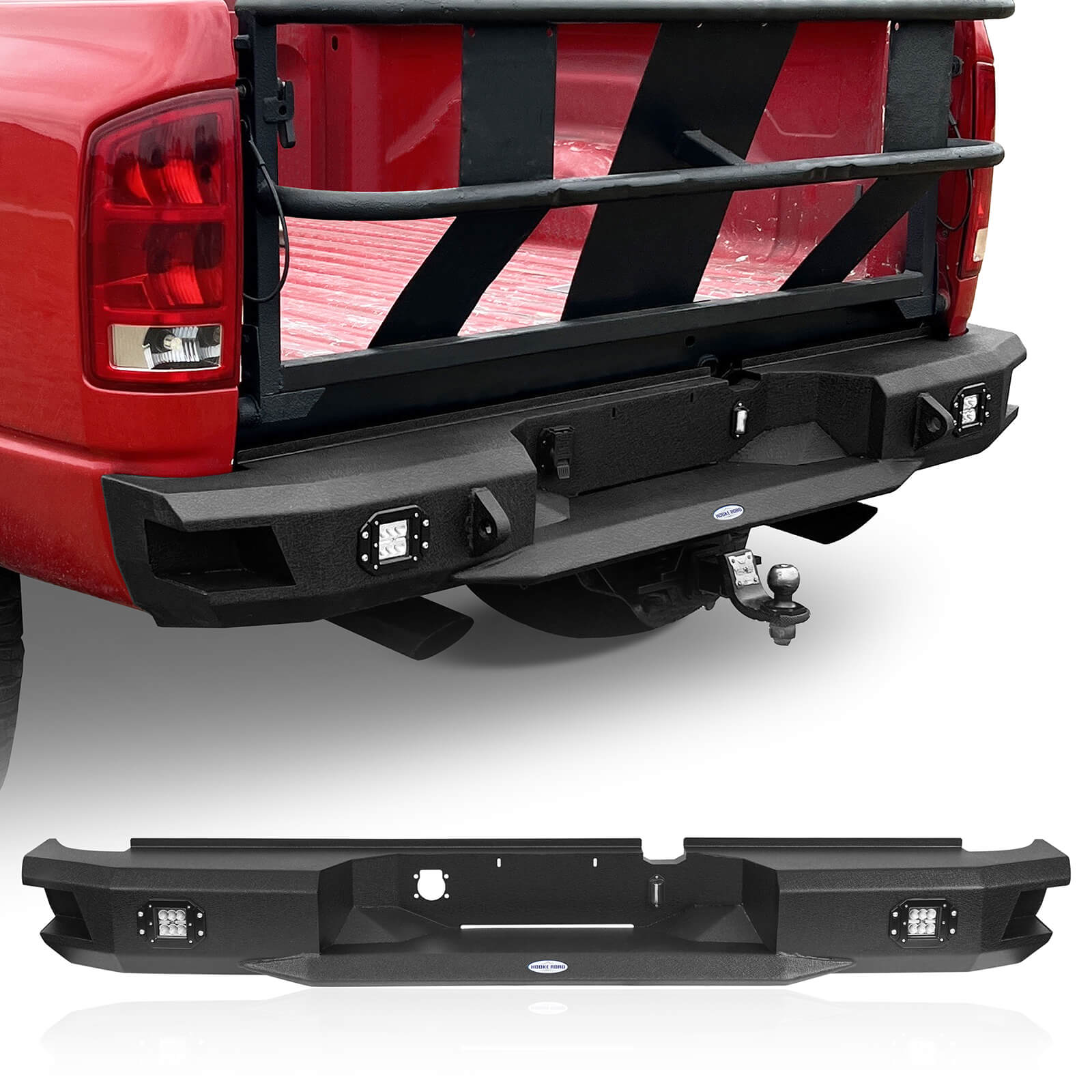
- Powder-Coated Steel: Often found on heavy-duty aftermarket bumpers; offers a rugged, matte, or textured black appearance.
Durability for Work and Off-Roading
Standard replacement bumpers are typically made of cold-rolled steel. While these are perfect for daily driving and light towing, they can dent under heavy impact. If you use your 2014 Ram for serious off-roading or construction site work, you might consider an aftermarket heavy-duty steel bumper. These are significantly thicker than OEM parts and often include integrated mounts for extra lighting or shackle D-rings for recovery situations.
Cost Analysis and Shipping Considerations for Large Body Parts
When shopping for a 2014 Dodge Ram rear bumper, the price tag on the product page is only one part of the equation. Because bumpers are “oversized” items, the logistics of getting the part to your garage can be expensive. Understanding the market price and how shipping works will save you from “sticker shock” during the checkout process.
Breaking Down the Average Market Price
For a standard 2014 Ram 1500 rear bumper, prices can vary wildly based on the finish and whether the part includes the plastic step pads and sensor holes. A bare-bones primed bumper can often be found for between $150 and $250. A high-quality chrome replacement usually sits in the $300 to $500 range. If you are looking for a complete assembly (including the inner reinforcement bar and step pads), expect to pay toward the higher end of that scale.
- Budget Tip: Look for “bundle” deals that include the plastic step pads, as buying these components separately often costs 30% more.
- OEM vs. Aftermarket: Genuine Mopar bumpers will always be the most expensive ($600+), while CAPA-certified aftermarket parts offer similar fitment for half the price.
Navigating the Challenges of Freight Shipping
The biggest hurdle in buying a 2014 Dodge Ram rear bumper online is the shipping cost. Because of the length and weight, many retailers cannot use standard ground shipping. Some sellers offer “Free Shipping,” but they usually bake that cost into the higher price of the bumper. Others might show a very low price but charge $100 to $150 for freight at the end.
Pro Tip: Always check if the seller offers “local pickup” at a regional warehouse. Many large-scale auto body parts distributors have hubs in major cities, allowing you to skip the shipping fees entirely by driving your truck to their loading dock.
Conclusion
Replacing the rear bumper on your 2014 Dodge Ram doesn’t have to be a headache. By carefully verifying your exhaust cutouts and sensor requirements, you can ensure a perfect fit the first time. Whether you choose the mirror-like finish of chrome or a sleek paint-to-match primed surface, the right material will keep your truck looking its best for years to come. Remember to factor in the total cost, including those tricky shipping fees, to get the best value for your hard-earned money.
Next Steps: First, take a quick photo of your current bumper to confirm your exhaust and sensor layout. Then, compare two or three reputable online sellers to see who offers the best balance of part quality and shipping rates. Get that Ram back to showroom quality today!
💬 Quick Questions & Answers
Does a Ram 1500 bumper fit a 2500?
No, the 1500 and 2500/3500 models have different frame widths and mounting points.
Can I use a bumper without exhaust cutouts on a dual exhaust truck?
No, you must select the specific version with cutouts to clear the tailpipes properly.
Do bumpers come with the plastic step pad?
Most complete kits include the step pad, but some bare shells require you to reuse your old one.
How do I know if I have parking sensors?
Look for four small circular plastic caps or sensors embedded along the face of your current bumper.
What finish is best for rust prevention?
High-quality chrome or a professionally powder-coated black finish offers the best protection against corrosion.
❓ Frequently Asked Questions
What is the price difference between OEM and aftermarket 2014 Ram bumpers?
OEM bumpers from Mopar usually range from $500 to $800, while high-quality aftermarket alternatives often cost between $250 and $450. Aftermarket options provide significant savings while maintaining structural integrity and fitment standards.
How do I choose between a bumper with or without sensor holes?
If your 2014 Ram is equipped with the ParkSense system, you must purchase a bumper with pre-drilled holes for the sensors to function. Installing a bumper without holes would require manual drilling, which can damage the finish and compromise sensor alignment.
Will a bumper designed for dual exhaust fit a truck with a single side-exit exhaust?
It will physically fit the frame, but it will leave an empty, unsightly cutout on one side where no pipe exists. It is aesthetically better to match the bumper to your specific exhaust configuration for a clean look.
Are the mounting brackets included with a replacement rear bumper?
Most standard replacement bumpers are sold as the ‘shell’ only, meaning you may need to reuse your existing brackets and hardware. However, some premium kits include new brackets, so always check the product description before ordering.
What are the shipping expectations for such a large item?
Because rear bumpers are ‘oversized,’ shipping costs can be high, and they are often delivered via LTL freight rather than standard ground. Look for retailers offering flat-rate shipping or local pickup to save on delivery expenses.
Can I paint a chrome bumper to match my truck’s body color?
Painting over chrome is difficult and prone to peeling because the surface is too smooth for paint to bond. If you want a color-matched look, it is highly recommended to buy a ‘primed’ or ‘paint-to-match’ bumper instead.
![Truck Starts Then Dies [2026]](https://truckguider.com/wp-content/uploads/2026/03/featured-e853ce1b-1-768x576.webp)