2015 Dodge Ram 1500 HEMI: Specs, Towing & Problems Fix Guide 2026

The 2015 Dodge Ram 1500 equipped with the 5.7-liter HEMI V8 engine occupies a pivotal position in the half-ton pickup truck segment. By combining traditional pushrod V8 architecture with a highly sophisticated eight-speed automatic transmission and a segment-exclusive coil-spring rear suspension, the 2015 model achieves a rare equilibrium between utilitarian capability and passenger-car ride refinement.
This comprehensive research report evaluates the 2015 Ram 1500 5.7L HEMI, encompassing performance metrics, towing dynamics, documented mechanical vulnerabilities, head-to-head competitor analysis, and long-term ownership costs.


2015 Dodge Ram 1500 HEMI
The Ultimate Data Deep-Dive: Performance, Capability, and Reliability
The Heart of the Beast: Powertrain Comparison
The 2015 Ram 1500 offered three distinct engine choices, but the 5.7L HEMI V8 remained the undisputed king of raw power. While the 3.0L EcoDiesel offered superior fuel economy and torque at lower RPMs, and the 3.6L Pentastar V6 provided a balanced daily driver experience, the HEMI was purpose-built for heavy lifting and aggressive acceleration. The chart below illustrates the significant horsepower advantage the HEMI holds over its siblings.
Performance Footprint
Choosing the right 2015 Ram engine is an exercise in trade-offs. The radar chart maps the multi-dimensional capabilities of the 5.7L HEMI against the highly sought-after 3.0L EcoDiesel.
Notice how the HEMI expands the footprint dramatically in Horsepower and Payload capacities. Conversely, the EcoDiesel sacrifices peak horsepower to maximize Fuel Economy (MPG) and match the HEMI closely in overall Towing Capability, thanks to its high low-end torque.
- ✓ HEMI V8: Best for outright speed and payload.
- ✓ EcoDiesel: Best for long-distance highway towing.
The 2015 Trim Hierarchy
Dodge (Ram) is notorious for its extensive trim configurations. For the 2015 model year, buyers could choose from basic work trucks to genuine luxury vehicles. Understanding this hierarchy is crucial when evaluating used market values, as the presence of the HEMI engine varies in standard availability across these levels.
Tradesman / Express
The Workhorses. Bare-bones interiors, rugged exteriors.
SLT / Big Horn / Lone Star
The Volume Sellers. Added chrome, 8.4-inch Uconnect available.
Sport / Rebel (Late 2015 intro)
The Enthusiasts. Color-matched bumpers, aggressive styling, standard HEMI (Sport).
Laramie / Longhorn / Limited
The Luxury Tier. Premium leather, air suspension, advanced tech.
Reliability Watchpoints
While the 5.7L HEMI is generally considered a robust powerplant capable of exceeding 200,000 miles, the 2015 model year has specific, well-documented mechanical tendencies. The chart highlights the most frequently reported user issues based on automotive forum data and mechanic reports. The infamous “Hemi Tick,” often caused by snapped exhaust manifold bolts, remains the most prevalent maintenance item.
Used Market Depreciation
Used truck values fluctuate wildly based on mileage, condition, and configuration. This scatter plot models estimated current market values for 2015 Ram 1500 HEMI models (assuming 4WD, Crew Cab, Mid-Tier trim) relative to their odometer readings. As expected, values drop sharply after the 100k mile threshold, representing a prime buying opportunity for value hunters.
Engine Architecture and Performance Specifications
At the foundation of this vehicle’s performance is the Generation 3 5.7L HEMI V8, an engine celebrated for its hemispherical combustion chambers, cast-iron block, and aluminum cylinder heads. The 2015 iteration integrates several advanced engineering protocols designed to maximize both power delivery and fuel efficiency without compromising durability.
The engine utilizes Variable Valve Timing (VVT) to optimize engine breathing, which precisely adjusts the opening and closing of the valves to enhance torque across the entire RPM band. Additionally, a Short Runner Valve (SRV) located inside the active intake manifold controls intake airflow by altering the port length based on engine revolutions per minute, effectively boosting low-end torque and high-end horsepower. To mitigate the fuel consumption typically associated with large-displacement V8 engines, Chrysler integrated Fuel Saver Technology, widely known as the Multi-Displacement System (MDS). This technology seamlessly deactivates four of the eight cylinders during light-load highway cruising, temporarily transforming the engine into a more efficient four-cylinder platform until full power is demanded by the throttle position.
| Metric | Specification |
| Engine Type | Pushrod 16-valve V8, Port Fuel Injection |
| Displacement | 345 cu in (5654 cc) |
| Horsepower | 395 hp @ 5,600 rpm |
| Torque | 410 lb-ft @ 3,950 rpm |
| Transmission | 8-speed automatic (ZF 8HP70) |
| Drivetrain Options | Rear-Wheel Drive (Standard) / 4WD (Optional) |
| 0-60 mph Acceleration | 5.4 seconds (Regular Cab R/T 4×2) |
| Quarter-Mile Time | 14.5 seconds @ 100 mph |
Data aggregated from independent testing and OEM technical documentation.


Chart Description: A single-variable line chart demonstrating the 5.7L Hemi’s power delivery.
Core Data: The X-axis represents Engine RPM (1,000 to 6,000), and the Y-axis represents Torque (lb-ft). The curve illustrates a steep climb starting at 2,000 RPM, peaking at 410 lb-ft at exactly 3,950 RPM, and sustaining over 350 lb-ft through 5,000 RPM before beginning its descent.
Fuel Economy and Octane Requirements
Despite the robust V8 output, the implementation of the eight-speed automatic transmission, aerodynamic enhancements like Active Grille Shutters, and the aforementioned MDS allows the Ram 1500 to achieve highly competitive fuel efficiency ratings for its model year. The Environmental Protection Agency (EPA) rates the two-wheel-drive 5.7L HEMI at 15 miles per gallon in the city and 22 miles per gallon on the highway, yielding a combined rating of 17 MPG. Independent testing and long-term owner reports corroborate an observed combined average of 15 to 17 MPG, noting that highway cruising can frequently exceed the 20 MPG threshold under optimal conditions.
Regarding fuel selection, the OEM owner’s manual explicitly recommends 89-octane mid-grade gasoline for the 5.7L HEMI V8. While the engine control unit is programmed to adapt to standard 87-octane regular fuel by retarding ignition timing to prevent pre-ignition (knock), utilizing 89-octane ensures maximum horsepower output, optimal towing performance, and a marginal improvement in overall fuel economy.
Towing, Payload, and Capability Analysis
The 2015 Ram 1500 deviates from traditional pickup truck architecture by utilizing a five-link coil-spring rear suspension—or an optional Active-Level Four-Corner Air Suspension—rather than conventional leaf springs. This engineering decision yields a significantly smoother, car-like ride quality but inherently restricts the absolute maximum payload capacity compared to heavily sprung competitors.
Towing and payload capacities fluctuate significantly based on cab size, bed length, and the selected rear axle ratio (available in 3.21, 3.55, or 3.92 configurations). The 5.7L HEMI achieves its highest capability ratings when paired with the 3.92 axle ratio and the regular cab configuration.
| Cab & Bed Configuration | Maximum Towing Capacity (lbs) | Maximum Payload Capacity (lbs) |
| Regular Cab, 8′ Box | 10,650 | 1,820 |
| Regular Cab, 6’4″ Box | 9,180 | 1,610 |
| Quad Cab, 6’4″ Box | 10,410 | 1,530 |
| Crew Cab, 5’7″ Box | 10,370 | 1,770 |
| Crew Cab, 6’4″ Box | 10,340 | 1,710 |
Head-to-Head: 2015 Ram 1500 vs. Ford F-150 and Chevy Silverado
To properly contextualize the 2015 Ram 1500, it must be evaluated against its primary domestic rivals: the Ford F-150 equipped with the 3.5L EcoBoost V6, and the Chevrolet Silverado 1500 utilizing the 5.3L EcoTec3 V8.
The 2015 model year marked Ford’s historic transition to an aluminum-alloy body for the F-150, significantly reducing curb weight. The twin-turbocharged 3.5L EcoBoost engine produces 365 horsepower and a massive 420 lb-ft of torque available exceptionally low in the RPM range. Consequently, the F-150 outclasses the Ram in maximum towing capacity, offering up to 13,200 pounds when properly equipped, alongside faster straight-line acceleration under heavy loads. The EcoBoost’s forced induction delivers superior low-end torque, which is highly advantageous for initial acceleration when trailering. However, the Ram 1500 counters with a significantly smoother ride quality due to its coil-spring suspension, a more responsive eight-speed transmission compared to Ford’s six-speed offering in 2015, and a highly linear power delivery free of the turbo lag occasionally present in the EcoBoost platform.
When compared to the Chevrolet Silverado 1500, the Ram’s powertrain presents distinct advantages. The 5.3L V8 in the Silverado generates 355 horsepower and 383 lb-ft of torque, mated to a six-speed automatic transmission. The Ram holds a measurable power advantage over the Chevy, boasting 40 more horsepower and 27 more lb-ft of torque. This translates to superior passing power and a more effortless towing experience on steep highway grades. Furthermore, the Silverado’s six-speed automatic frequently hunts for gears under variable loads, whereas the Ram’s ZF eight-speed transmission is widely praised by for seamless, intelligent shifting logic that consistently keeps the HEMI in its optimal powerband.
[Visual Planning: Comparison Matrix]
Chart Description: A comparative data table highlighting the top-tier half-ton gasoline engines of 2015.
Core Data:
- Ram 5.7L HEMI V8: 395 HP / 410 lb-ft Torque / Max Tow: 10,650 lbs.
- Ford 3.5L EcoBoost V6: 365 HP / 420 lb-ft Torque / Max Tow: 13,200 lbs.
- Chevy 5.3L EcoTec3 V8: 355 HP / 383 lb-ft Torque / Max Tow: 11,000 lbs.
Reliability, Common Problems, and the “Hemi Tick”
While the 5.7L HEMI is generally considered a highly robust and durable engine capable of exceeding 200,000 miles with proper maintenance, the 2015 Ram 1500 suffers from several well-documented mechanical vulnerabilities that prospective buyers and current owners must monitor.
The term “Hemi Tick” is a broad consumer colloquialism that actually describes two entirely different mechanical failures. Accurate diagnosis of the acoustic signature is critical, as one represents a minor annoyance while the other requires catastrophic internal engine repair.


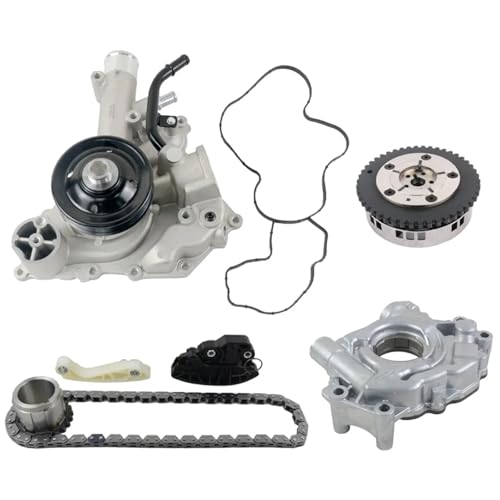
The most common source of the ticking noise is fractured exhaust manifold bolts, particularly located on the rear cylinders. The underlying mechanism involves the cast-iron exhaust manifold and the aluminum cylinder head expanding and contracting at different rates during thermal cycling. This thermal stress shears the steel mounting bolts, causing the manifold to warp and creating an exhaust leak. The primary symptom is a loud, sharp ticking sound upon a cold start. As the engine warms and the dissimilar metals expand, the gap seals, and the noise fades or disappears entirely. Owners frequently observe black exhaust soot around the manifold flange. The permanent solution involves extracting the broken studs and replacing the restrictive factory log manifolds with upgraded aftermarket headers or thicker, redesigned manifolds that resist thermal warping.
Conversely, a less frequent but highly destructive issue is the failure of the hydraulic roller lifters and the associated camshaft. In this scenario, the needle bearings inside the lifter roller seize, causing the roller to stop spinning. The seized lifter then aggressively grinds against the camshaft lobe, shedding metal shavings throughout the engine block and destroying the camshaft profile. The symptom of lifter failure is a constant, rhythmic tapping that matches engine RPM and does not dissipate as the engine reaches operating temperature. It is often accompanied by engine misfires (triggering P0300 diagnostic trouble codes) as the camshaft lobe is worn flat, preventing the intake or exhaust valve from opening. The root cause of lifter failure is fiercely debated among technicians, but it is generally attributed to inadequate oil flow and pressure during prolonged periods of engine idling. Mechanics strongly recommend reducing idle times, utilizing high-quality full synthetic oil, and adhering to strict 5,000-mile change intervals to mitigate this risk.
Transmission Durability: The ZF 8HP70 and Thermal Bypass Flaw
The eight-speed TorqueFlite automatic transmission, manufactured by ZF (model 8HP70), is mechanically excellent and vastly superior to the older six-speed units, but peripheral cooling components and misleading maintenance schedules present significant long-term risks.
A primary failure point involves the transmission thermal bypass valve. The transmission cooler lines utilize a thermal bypass block designed to restrict fluid flow to the external cooler until the transmission fluid reaches a predefined operating temperature. These original equipment manufacturer (OEM) valves are notorious for failing and sticking in the closed position, which prevents fluid from reaching the cooler, causing the transmission to severely overheat and suffer catastrophic internal clutch damage. Replacing the faulty OEM valve with an aftermarket billet aluminum bypass block that ensures continuous, unrestricted fluid flow to the cooler is considered a mandatory preventative modification by transmission specialists.
Furthermore, the concept of “lifetime” transmission fluid is a point of heavy contention. FCA (now Stellantis) markets the transmission fluid as a “lifetime” fill, occasionally suggesting a change only at 100,000 miles under severe duty applications. However, ZF, the actual manufacturer of the transmission, explicitly contradicts this, recommending fluid and integrated pan/filter assembly changes every 50,000 to 60,000 miles to ensure optimal longevity. Neglecting this service interval allows suspended clutch material to accelerate wear on the delicate valve body and internal shift solenoids.
Exterior, Interior, and Utility Features
To optimize aerodynamic efficiency and highway fuel economy, the 2015 Ram 1500 features Active Grille Shutters (AGS) mounted behind the front grille. These electronically controlled louvers open and close based on vehicle speed, coolant temperature, and air conditioning demands. While effective at reducing aerodynamic drag, the plastic gears and electric actuator motors frequently fail, locking the shutters in a fixed position and triggering a Check Engine Light (codes U0284 or P059F). Removing the shutters entirely requires an ECU tuner to bypass the warning light and typically results in a measurable 1 to 2 MPG decrease in highway fuel efficiency.
Inside the cabin, owners frequently encounter water intrusion originating from the Center High Mount Stop Light (CHMSL), commonly referred to as the third brake light. The factory foam gasket degrades rapidly under UV exposure and weather fluctuations, allowing rainwater to bypass the seal. This water soaks the interior headliner, creates dark water stains, and pools under the rear passenger seats, potentially damaging the electronic modules located beneath the carpet. Replacing the inadequate factory seal with a thicker, marine-grade aftermarket gasket or sealing the housing with flowable silicone provides a permanent resolution to the leak.
A major functional advantage of the 2015 Ram 1500 is the optional RamBox Cargo Management System, which integrates illuminated, drainable, and lockable storage bins directly into the outer side rails of the truck bed. The 6-foot-4-inch bed yields 8.6 cubic feet of lockable storage space, while the 5-foot-7-inch bed provides 7.3 cubic feet. These bins feature a 115-volt power outlet, rendering them ideal for securing power tools, storing messy towing equipment, or functioning as insulated ice coolers for outdoor recreation.
Maintenance Schedules and Ownership Costs
Routine preventative maintenance aligns with standard expectations for a half-ton truck, but the 100,000-mile service interval presents a significant financial hurdle for owners. The 5.7L HEMI utilizes a dual-spark plug ignition system, requiring two spark plugs per cylinder for a grand total of 16 spark plugs.
Dealership estimates for the 100,000-mile spark plug replacement service range dramatically from $600 to over $1,000. While the raw materials cost for 16 OEM-spec spark plugs is relatively low (typically under $150), the labor charge is exceptionally high due to severe physical clearance issues near the firewall for the rear cylinders. Accessing cylinder numbers seven and eight requires specialized swivel sockets, various extensions, and significant mechanical dexterity.
| Mileage Interval | Required Maintenance Action |
| 8,000 Miles | Full synthetic oil and filter change, tire rotation, basic fluid level inspection. |
| 30,000 Miles | Replace engine air filter, replace cabin air filter; inspect transfer case fluid (4×4 models). |
| 60,000 Miles | ZF transmission fluid and filter pan replacement (per ZF guidelines), flush and replace brake fluid. |
| 100,000 Miles | Replace 16 spark plugs, replace PCV valve, inspect coil wires and boots. |
Safety Ratings and Critical Recalls
The subjected the 2015 Ram 1500 to rigorous structural testing, yielding mixed results that reflect the aging architecture of the DS-platform truck. The vehicle received a rating of “Good” (the highest possible designation) in both the Moderate Overlap Front test and the Side Impact test. However, in the highly demanding Small Overlap Front (Driver-Side) crash test, the 2015 Ram 1500 received a rating of “Marginal”. Structural intrusion into the occupant compartment during this specific test was significant; the steering column moved 13 centimeters to the right, and the lower instrument panel intruded 27 centimeters, leading to an elevated risk of traumatic injury to the driver’s lower left leg and foot.
Prospective buyers navigating the used vehicle market must leverage the database to verify that several critical recalls have been addressed :
- Side Airbag Inflatable Curtain (SABIC) Rupture (Recall Y55): A manufacturing defect may cause the inflator end cap to detach or the inflator sidewall to rupture during deployment, propelling dangerous metallic shrapnel into the cabin.
- Tailgate Actuator Failure (Recall U74): A fractured limiter tab within the tailgate mechanism can cause the tailgate to unlatch and spontaneously fall open while the vehicle is in motion, spilling unsecured cargo onto the roadway and creating a severe hazard.
- Rear Axle Shaft Fracture (Recall 15V-661): Improper heat treatment of the left rear axle shaft bearing journal during manufacturing can lead to premature metal wear, ABS light illumination, and potential catastrophic wheel separation at highway speeds.
FAQs
What is the real-world fuel economy of the 2015 Ram 1500 5.7L Hemi?
While the EPA officially rates the 2015 Ram 5.7L at 15 mpg city and 22 mpg highway, real-world data aggregated from owner forums and long-term driving tests indicates a combined average of 15 to 17 mpg. Owners who disable the MDS (cylinder deactivation) system via an aftermarket ECU tuner, or those who install larger, heavier all-terrain tires, will routinely observe city mileage drop into the 12 to 13 mpg range.


Is the “Hemi Tick” fatal to the engine?
The severity depends entirely on the mechanical origin of the ticking sound. If the noise is pronounced during a cold start but vanishes entirely after the engine block reaches normal operating temperature, it is almost certainly a broken exhaust manifold bolt. This is a minor, albeit annoying, issue that does not cause internal engine damage. Conversely, if the tick is constant, metallic, matches the engine’s RPM, and is accompanied by engine misfires, it strongly indicates a collapsed or seized hydraulic lifter destroying the camshaft. This constitutes a catastrophic failure requiring a highly expensive top-end engine rebuild.
Does the 2015 Ram 1500 8-speed transmission actually need fluid changes?
Yes. Despite Dodge’s marketing literature referring to “lifetime” transmission fluid, ZF—the German engineering firm that manufactures the 8HP70 transmission—explicitly recommends changing the fluid and the integrated plastic pan/filter assembly every 50,000 to 60,000 miles. Ignoring this service interval allows abrasive clutch material to remain suspended in the fluid, accelerating wear on the transmission’s complex valve body and internal solenoids.
What causes the 2015 Ram 1500 transmission to overheat?
The most common cause of transmission overheating in this generation of Ram trucks is the failure of the thermal bypass valve located on the exterior transmission cooler lines. When the internal thermostat within this block fails, it physically restricts hot fluid from flowing forward to the external cooler. Replacing the factory valve with a billet aluminum full-flow bypass block permanently circumvents this design flaw.
Why are spark plug changes so expensive on the 5.7L Hemi?
The 5.7L Hemi utilizes a dual-ignition design, meaning it requires two individual spark plugs per cylinder. Replacing all 16 spark plugs involves significant labor hours. The rear cylinders (specifically numbers seven and eight) are tucked deep beneath the firewall and brake booster assembly, requiring specialized swivel sockets, multiple extensions, and significant mechanical dexterity to access without damaging surrounding components. Owners should expect to pay between $600 and $1,000 at a dealership for the mandatory 100,000-mile ignition tune-up.
![2020 Ram 1500 Oil Capacity & Type: Complete Engine Guide [2026]](https://truckguider.com/wp-content/uploads/2026/03/2020-ram-1500-oil-capacity-featured-768x403.webp)
![Best Starter for Dodge Ram 1500 5.7 Hemi: Top Pick Guide [2026]](https://truckguider.com/wp-content/uploads/2026/03/starter-for-dodge-ram-1500-5-7-hemi-featured.webp)