2016 Ram 1500 Radiator Specifications, Maintenance [2026]

For the 2016 Ram 1500, the radiator is the cornerstone of engine longevity, tasked with managing the immense thermal loads of both daily commuting and heavy-duty towing. Whether you are operating the 3.6L Pentastar V6 or the 5.7L HEMI V8, the cooling system is the primary line of defense against thermal degradation. When a radiator begins to leak or clog, it compromises the vehicle’s reliability and risks catastrophic engine failure due to overheating. This comprehensive guide provides a technical overview of the 2016 Ram 1500 radiator, covering essential specifications, expert diagnostic tips, and professional replacement standards to ensure your truck remains on the road for the long haul.
Technical Specifications of the 2016 Ram 1500 Radiator Assembly
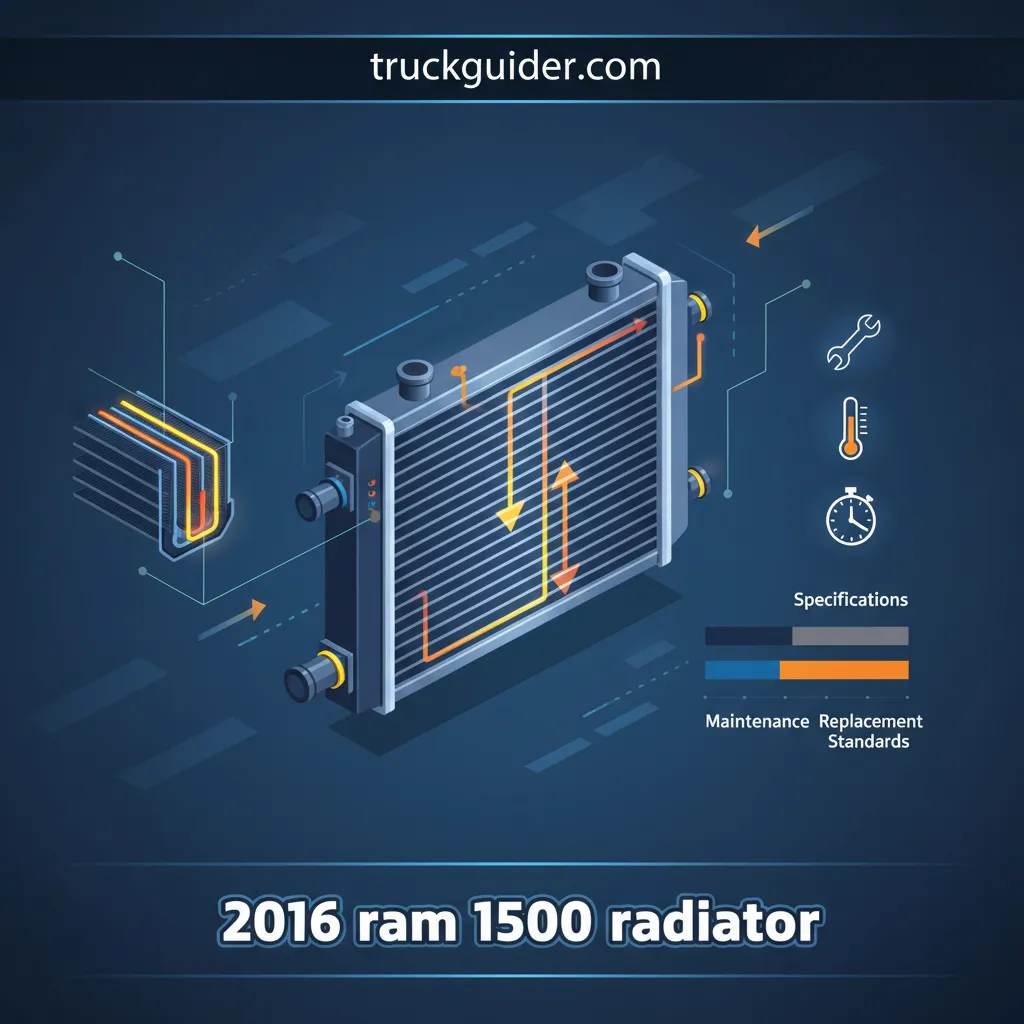
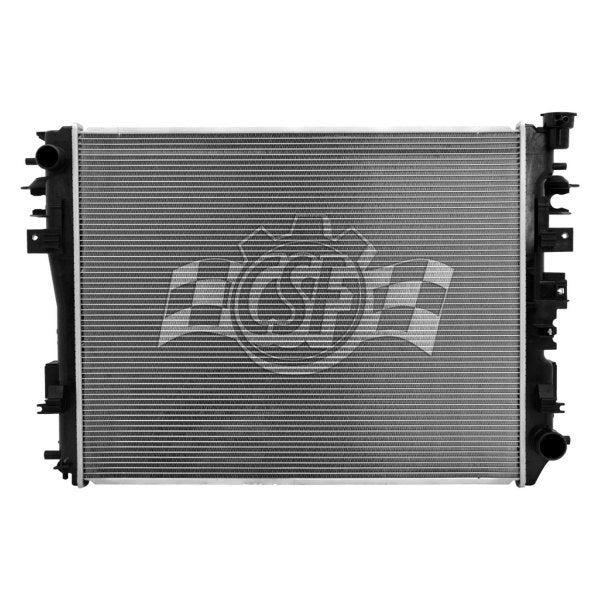
The engineering behind the 2016 Ram 1500 radiator focuses on maximizing surface area while minimizing weight. The assembly features a cross-flow design, utilizing aluminum fins brazed to aluminum tubes, bookended by high-temperature composite plastic end tanks. This construction is trusted for its efficient heat dissipation properties, which are critical for the high-torque output of the HEMI engines.
📤 Share Image
Core Dimensions and Fitment
Standard fitment for the 2016 Ram 1500 involves a core height of 23.6 inches and a core width of 26.5 inches. However, the depth of the core varies significantly based on the vehicle’s cooling package. Base models equipped with the 3.6L V6 typically utilize a single-row core design, optimized for fuel efficiency and standard driving. In contrast, vehicles equipped with the Max Towing Package feature a significantly thicker dual-row or high-density single-row core to handle the increased BTU output of a laboring engine.
Engineering Data Points
Operating Pressure
Coolant Spec (MS-12106)
Core Width
Integrated Cooling Systems
The 2016 Ram 1500 radiator is not a standalone unit; it is a complex complete heat exchange module. It features an integrated transmission oil cooler (TOC) located within one of the end tanks, allowing the engine coolant to stabilize transmission fluid temperatures. Furthermore, the radiator interfaces directly with the AC condenser and the cooling fan shroud via a series of precision mounting tabs. This tight integration means that any misalignment during installation can lead to vibration-induced leaks or reduced airflow efficiency.
Identifying Common Failure Points in the 2016 Ram 1500 Cooling System
Experience in the field shows that 2016 Ram 1500 radiators rarely fail due to a “burst” core; instead, they succumb to the slow, cumulative effects of thermal fatigue and chemical degradation. Identifying these issues early is the hallmark of expert maintenance.
The “Pink Crust” and Crimp Seam Failures
The most frequent failure point is the mechanical crimp seam that joins the aluminum core to the plastic end tanks. Over time, the different expansion rates of plastic and metal cause the rubber gasket between them to lose its seal. This often manifests as a “pink crust” or white residue along the edges of the radiator. This is dried Organic Additive Technology (OAT) coolant, signaling a slow weep that will eventually lead to a high-pressure failure under load.
Approximately 70% of 2016 Ram 1500 radiator failures occur at the plastic end tank seals or the crimp seams rather than the aluminum core itself. If you notice a sweet smell after driving or see small puddles of purple/pink fluid, the tank-to-core bond is likely compromised.
Electrolytic Corrosion and Internal Blockages
Internal failures are less visible but equally dangerous. Electrolytic corrosion occurs when the coolant’s pH balance shifts, turning the fluid into an electrolyte that strips ions from the aluminum core. This thins the tube walls and creates microscopic pinhole leaks. Additionally, if the cooling system has been topped off with tap water rather than distilled water, mineral deposits can cause internal blockages.
Practical Example: A vehicle that maintains normal temperatures at 65 MPH but begins to overheat while idling or in stop-and-go traffic often suffers from restricted airflow (bent fins) or internal scale buildup that has reduced the quality of heat transfer at low coolant velocities.

Professional Replacement Procedures for a Reliable Repair
Replacing a radiator in the 2016 Ram 1500 is a labor-intensive process that requires reliable tools and a systematic approach. Cutting corners here often leads to air pockets in the 5.7L Hemi engine, which are notorious for causing localized hot spots in the cylinder heads.
📋
Step-by-Step Replacement Guide
Open the petcock valve located at the bottom of the radiator. Use a dedicated drain pan to capture the OAT coolant. Since this fluid is hazardous waste, ensure it is disposed of at a professional recycling facility.
Use a specialized quick-disconnect tool for the transmission cooling lines. Attempting to pry these with a screwdriver often damages the internal locking clips, leading to catastrophic transmission fluid loss later.
Remove the upper radiator support bracket and the fan shroud. Carefully lift the radiator assembly out, ensuring you do not damage the AC condenser fins, which are extremely delicate and sit directly in front of the unit.
Once the new radiator is installed and bolts are torqued to 8-10 Newton-meters, use a vacuum-fill tool. This eliminates air pockets, which are a major concern in the 5.7L Hemi due to the high-mounted heater core.
Always replace the thermostat and the radiator cap when installing a new radiator. A failing cap that cannot maintain 21 PSI will lower the boiling point of your coolant, rendering even the most quality radiator ineffective.
Selecting High-Quality Radiator Components and Fluids
The aftermarket is flooded with cheap cooling components, but for a 2016 Ram 1500, compromise is not an option. Choosing reliable components ensures that you won’t be performing this labor-intensive job again in six months.
OEM vs. Aftermarket: Making the Right Choice
While Mopar (the original equipment manufacturer) provides the perfect fit, trusted brands like Denso and CSF often offer radiators that meet or exceed OEM specifications. When evaluating an aftermarket unit, verify the tube thickness and the quality of the plastic resin used in the end tanks. A professional-grade radiator should always carry at least a 12-month or 12,000-mile guarantee.
The Critical OAT vs. HOAT Warning
Perhaps the most important factor in radiator longevity for the 2016 Ram 1500 is the coolant chemistry. This truck requires Purple OAT (Organic Additive Technology) fluid. It is strictly incompatible with the older Orange HOAT (Hybrid Organic Additive Technology) found in pre-2013 Ram trucks. Mixing these two creates a chemical reaction that results in “sludging.” This thick, gel-like substance will clog the narrow radiator tubes and ruin a brand-new quality radiator in less than 5,000 miles.
Preventative Maintenance Strategies for Long-Term Reliability
Installing a new radiator is only half the battle; maintaining it is where vehicle owners save the most money over time. Following a complete maintenance regimen can double the life expectancy of your cooling components.
External Debris Removal
Use low-pressure compressed air or water to blow out insects and salt from the fins. Never use a high-pressure washer, as it will bend the delicate aluminum fins and choke airflow.
Vibration Mitigation
Inspect the upper and lower radiator mount bushings. If the rubber is dry-rotted or missing, the radiator will vibrate excessively, leading to stress fractures in the plastic tanks.
Fluid Analysis and pH Balancing
While the factory service interval for Mopar OAT coolant is 10 years or 150,000 miles, expert mechanics recommend an inspection every 100,000 miles or 5 years. Use a refractometer to ensure you are maintaining a 50/50 mix of distilled water and OAT coolant. This specific ratio provides boil-over protection up to 265°F (129°C) under the 21 PSI cap and prevents the freezing that can crack engine blocks in winter.
Furthermore, monitor the operation of the electric cooling fan and the mechanical fan clutch (if equipped). If the fan is not drawing enough air through the core, the radiator will stay at peak operating temperature for longer periods, accelerating the “cooking” of the plastic end tanks and leading to premature failure.
✅ Monthly Checklist
- Check overflow reservoir level
- Inspect for “pink crust” on seams
- Look for swelling in radiator hoses
- Ensure AC condenser is clear of leaves
❌ Warning Signs
- Sweet smell under the hood
- Fluctuating temp gauge
- Dark or “muddy” coolant
- Steam from the front grille
The 2016 Ram 1500 requires a specific radiator design that accommodates either the 3.6L or 5.7L engine and integrates perfectly with the OAT cooling system. Prompt identification of leaks at the plastic end tanks can prevent expensive roadside breakdowns, while professional installation and the use of high-quality, compatible components are non-negotiable for maintaining vehicle performance. Ensure your vehicle’s cooling system is inspected by a certified technician at the first sign of temperature fluctuation or fluid loss to protect your investment and keep your truck working as hard as you do.
Frequently Asked Questions
Can I use universal green coolant in my 2016 Ram 1500 radiator?
No. The 2016 Ram 1500 cooling system is engineered specifically for Mopar-approved OAT (Organic Additive Technology) coolant, which is typically purple. Mixing universal green or orange HOAT coolant with OAT can cause a chemical reaction resulting in a thick sludge that clogs the radiator and heater core, leading to engine damage.
How do I know if my radiator or my thermostat is failing?
A failing radiator often shows physical signs like external leaks, ‘cold spots’ on the core, or consistent overheating during heavy loads. A failed thermostat usually causes rapid overheating shortly after startup (if stuck closed) or an engine that never reaches operating temperature (if stuck open). Professional pressure testing can confirm the exact source of the failure.
What is the average cost to replace a 2016 Ram 1500 radiator?
The cost typically ranges between $600 and $1,100. This includes the radiator itself, which can cost between $250 and $500 for a quality unit, plus specialized OAT coolant and approximately 2.5 to 4 hours of labor. Prices vary based on whether the vehicle has the standard or heavy-duty cooling package.
Is it better to repair a leak in the plastic tank or replace the radiator?
Replacement is the only reliable solution for a cracked plastic end tank. Epoxy or ‘stop-leak’ additives are temporary measures that often fail under the 21 PSI operating pressure of the Ram 1500 system. Furthermore, stop-leak products can clog the narrow passages of the radiator core and heater core, causing more harm than good.
Does the 5.7L Hemi radiator differ from the 3.6L Pentastar radiator?
While many aftermarket radiators are designed to fit both, OEM specifications may vary in core thickness and cooling capacity. It is vital to verify the VIN or part number to ensure the radiator is rated for your specific engine’s BTU output, especially if your truck is equipped with the factory towing package.

![2012 Ram 2500 Leveling Kit Guide: Best Fits & Tire Sizes [2026]](https://truckguider.com/wp-content/uploads/2026/03/2012-ram-2500-leveling-kit-featured-768x403.webp)
![2018 Ram 1500 Transmission: Specs & Fitment Guide [2026]](https://truckguider.com/wp-content/uploads/2026/03/2018-ram-1500-transmission-featured.webp)