2020 Ram 1500 Power Steering Fluid Location And Eps System Maintenance

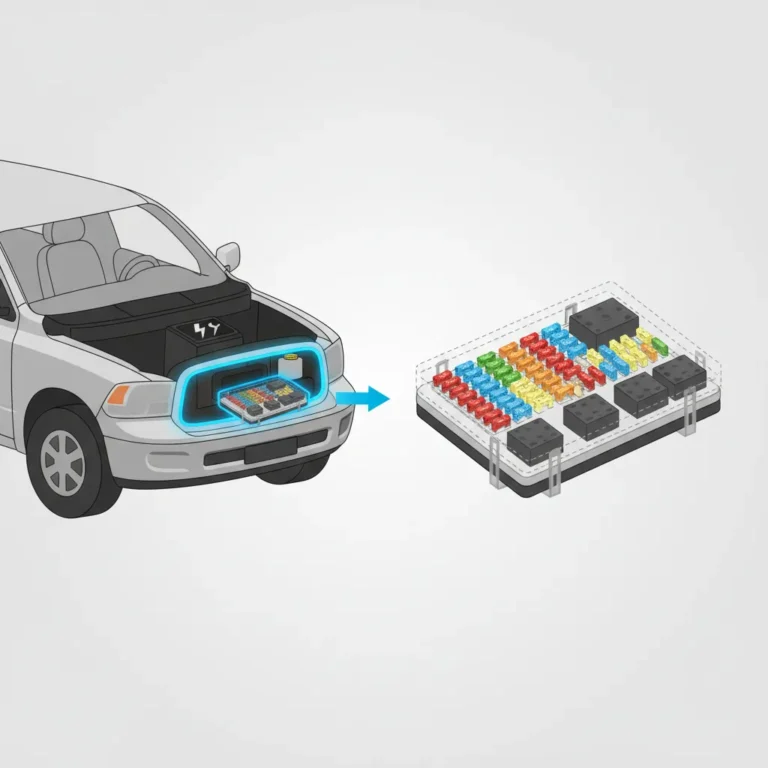
If you are searching under the hood of your 2020 Ram 1500 for a power steering fluid reservoir, you might be surprised to find that the space typically reserved for hydraulic pumps is conspicuously empty. Many truck owners are accustomed to checking fluid levels to maintain their steering, but the 2020 Ram 1500 utilizes a different technology that renders traditional fluid checks obsolete. In this guide, we will clarify why there is no power steering fluid location on this vehicle, how the Electric Power Steering (EPS) system works, and the specific maintenance steps you need to take to keep your truck steering smoothly.
Section 1: The Search for the 2020 Ram 1500 Power Steering Fluid Reservoir
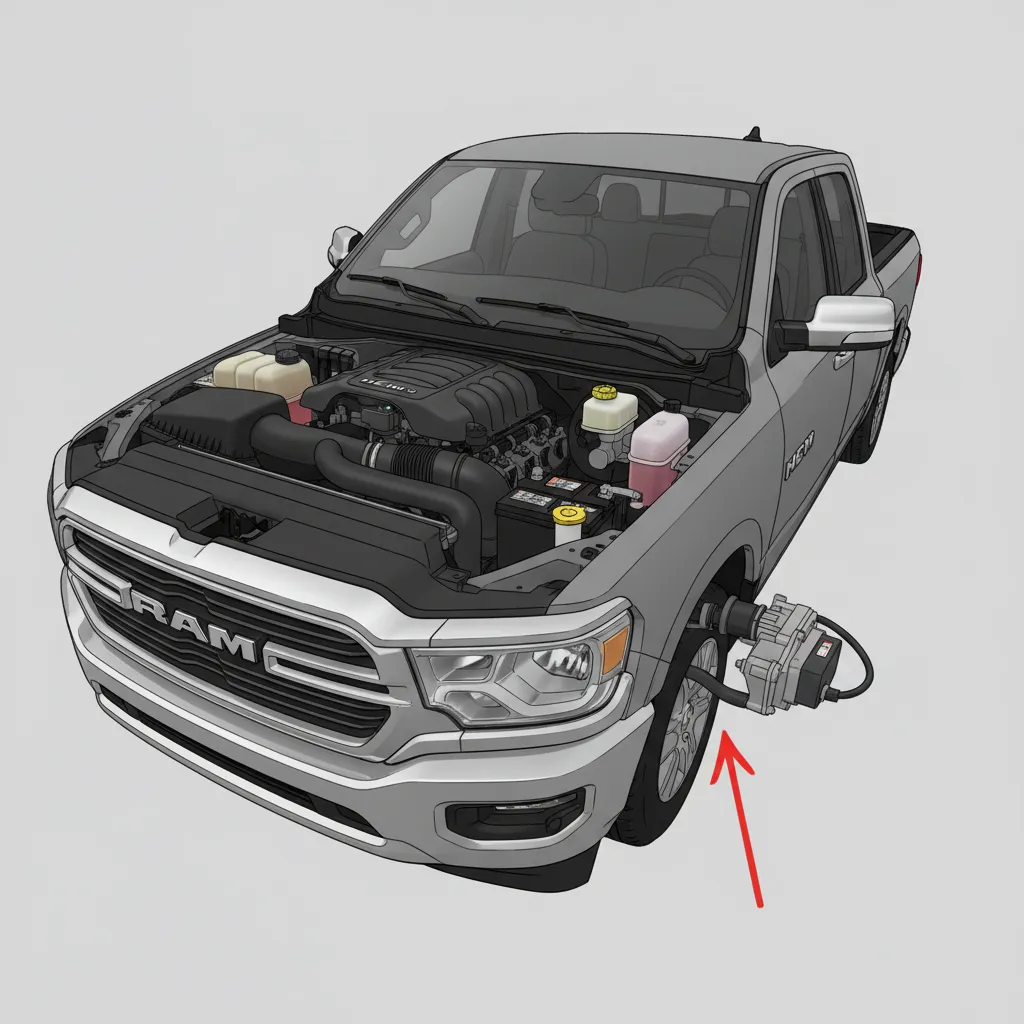
One of the most frequent questions from new owners of the 5th generation Ram (DT body style) involves the location of the power steering reservoir. Whether you are driving the 3.6L Pentastar with eTorque or the 5.7L Hemi V8, the answer remains the same: there is no power steering fluid reservoir to locate. Unlike the previous DS generation (Ram Classic), which utilized a belt-driven hydraulic pump, the 2020 model has standardized Electric Power Steering across all trim levels, from the work-ready Tradesman to the luxury-focused Laramie and Limited.
In a traditional hydraulic setup, owners would typically look near the coolant overflow tank or the driver-side firewall for a plastic reservoir with a steering wheel icon on the cap. However, if you pop the hood of a 2020 Ram, you will notice that the areas typically occupied by hydraulic lines and pumps are replaced by thick electrical harnesses and high-output alternators. The steering assistance is managed by an Electronic Control Unit (ECU) that translates steering torque into electrical signals, completely eliminating the need for a hydraulic circuit.
A common pitfall occurs when DIY mechanics attempt to fix a “heavy” steering feel by purchasing universal power steering fluids from a trusted local auto parts store. It is critical to understand that adding any steering fluid “nearby” other components, or worse, into an unrelated reservoir like the brake master cylinder or coolant tank, can cause catastrophic damage. Because there is no hydraulic pump to lubricate, there is no intake point for these fluids. If you encounter steering issues, the solution will never be found in a bottle of fluid; instead, the focus must shift to the vehicle’s electrical architecture.
Do not attempt to add power steering fluid to a 2020 Ram 1500. There is no reservoir, and misidentifying other fluid reservoirs can lead to expensive repairs or system failure.

Section 2: Understanding How Electric Power Steering (EPS) Functions
The transition to Electric Power Steering represents a significant leap in automotive engineering. In the 2020 Ram 1500, the steering rack itself houses a high-torque electric motor. When you turn the steering wheel, a torque sensor located on the steering column measures the amount of force you are applying and the direction of the turn. This data is sent to the steering ECU, which immediately instructs the rack-mounted motor to provide the necessary assistance. You can find more details on this tech in the official guide provided by the manufacturer.
This system offers several advantages over the legacy hydraulic setups found in 4th generation Rams. By eliminating the belt-driven pump, the engine no longer has to overcome the “parasitic drag” of a constant hydraulic load. This efficiency gain is not just theoretical; research indicates that electric power steering systems can improve fuel economy by up to 3% compared to traditional hydraulic systems. For a full-sized truck, this translates to better mileage and more responsive engine performance.
Industry Data
Fuel Economy Increase
EPS Failure Rates
Furthermore, EPS is a foundational component for the 2020 Ram’s Advanced Driver-Assistance Systems (ADAS). Features like Lane Keep Assist and Parallel Park Assist require the vehicle to control the steering autonomously. A hydraulic system cannot easily perform these tasks without complex valves and secondary pumps, whereas the EPS motor can be commanded directly by the truck’s computer. This integration makes the steering accessible and safer for a wider range of driving conditions.
Section 3: Maintenance Protocols for Ram 1500 EPS Systems
Just because there is no fluid to check doesn’t mean the steering system is maintenance-free. As an expert with over 15 years in the field, I recommend shifting your focus from “fluids” to “integrity.” The EPS system relies on physical protection and electrical stability. According to expert tips, the longevity of an EPS system is heavily dependent on the condition of the vehicle’s electrical ground connections and the physical seals on the steering rack.
📋
EPS Maintenance Checklist
Check the rubber bellows on each side of the rack. If they are cracked or torn, moisture and road salt can enter the internal gears, leading to premature motor failure.
The EPS system is one of the highest consumers of electrical current. Ensure your 12V battery and alternator are performing at peak capacity to avoid ‘Power Steering Unavailable’ messages.
Look for signs of corrosion on the electrical connectors at the steering rack. In colder climates, road salt can penetrate these connections if the protective shielding is damaged.
Additionally, the mechanical linkages like tie rod ends and ball joints still require periodic checks. While the steering “assist” is electric, the physical connection between your steering wheel and the tires remains mechanical. If you feel “play” or vibration, it is likely a worn mechanical component rather than an EPS failure. Regular visits to a service center in your community for a front-end inspection will ensure these parts remain in top condition.
Section 4: Troubleshooting Steering Issues in Your 2020 Ram 1500
If your steering suddenly feels heavy or “notchy,” the first place to look is your driver information display. Modern Ram trucks are designed to provide specific warning messages when the EPS system encounters an error. A steering wheel icon accompanied by a “Service Power Steering” message indicates that the ECU has detected a fault. This could range from a simple software glitch to a hardware failure in the torque sensor.
One of the most common causes of intermittent steering assistance is a voltage drop. The 2020 Ram 1500 EPS system is highly sensitive; if the battery voltage drops below 10.5 volts during engine cranking, the system may temporarily disable itself as a safety precaution. This often happens on cold mornings or if the vehicle has been sitting for an extended period. In many cases, replacing a three-year-old battery is the convenient fix for what seems like a major steering failure.
If you experience a “notched” feeling—where the steering wheel seems to hit a small resistance point every few degrees of rotation—this often points to a mechanical bind in the steering shaft u-joints or an internal issue with the EPS motor’s reduction gear. Because these systems are sealed units, repair typically involves replacing the entire steering rack assembly. Always ensure that any diagnostic work uses specialized software to read Steering Control Module (SCM) codes, which standard cheap scanners may miss.
Section 5: Expert Steering Service Available in Your Community
When it comes to EPS repairs, the complexity of the electronics means that finding certified technicians nearby is essential. Unlike old-school steering systems that could be “bled” of air at home, the EPS system in a 2020 Ram requires a “zero-point calibration” whenever components are serviced. This process involves using an OEM-grade diagnostic tool to tell the computer exactly where “center” is for the steering angle sensor. Without this calibration, your Lane Keep Assist and Electronic Stability Control may function incorrectly.
Local shops serving your area often have access to the latest technical service bulletins (TSBs) and software updates. For instance, some 2020 models have received software patches that improve steering feel during high-wind conditions or recalibrate the motor’s response to cold temperatures. Choosing a local specialist who understands regional factors—such as how heavy road salt in northern winters affects electrical grounding points—can save you thousands in misdiagnosed parts.
Before assuming your steering rack is failing, have a technician check for software updates. Many “ghost” issues in the EPS system are resolved with a simple module re-flash at a dealership.
Section 6: Essential Fluid Locations You Should Monitor Regularly
While the search for a power steering fluid location will be fruitless, the 2020 Ram 1500 still requires regular fluid maintenance in other areas to ensure long-term reliability. Monitoring these levels is vital for any truck owner. You can consult the Ram specs for precise capacities and fluid types for your specific engine configuration.
Engine Oil
The dipstick is usually yellow. Ensure you use the correct weight (typically 0W-20 for the 3.6L and 5W-20 for the 5.7L).
Engine Coolant
The 2020 Ram uses purple-colored OAT (Organic Additive Technology) coolant. Mixing this with older orange or green coolants will cause gelling and engine damage.
Brake Fluid
Located in the translucent reservoir on the driver-side firewall. Ensure the level is between the MIN and MAX lines.
Furthermore, the ZF 8-speed (8HP) transmission used in these trucks is considered “sealed for life” by many manufacturers. However, real-world experience shows that the fluid and integrated pan filter should still be inspected for leaks, especially if you use your truck for heavy towing. Checking these available fluids monthly will prevent the most common causes of roadside breakdowns.
In summary, the 2020 Ram 1500 features an Electric Power Steering system, which eliminates the need for hydraulic fluid. This technological shift improves fuel efficiency, reduces engine load, and enables advanced safety features. Maintenance has evolved from checking fluid levels to monitoring electrical health, battery performance, and the physical integrity of the steering rack’s protective boots. If you are experiencing steering stiffness or see warning lights on your dashboard, your first step should be to contact a certified technician nearby to perform a comprehensive diagnostic scan of your EPS module. By staying proactive with your truck’s electrical and mechanical health, you can enjoy the precision and ease of modern electric steering for many years to come.
Frequently Asked Questions
Where do I add power steering fluid to my 2020 Ram 1500?
You do not add power steering fluid to a 2020 Ram 1500. This model year uses an Electric Power Steering (EPS) system which is entirely motor-driven. There is no reservoir, no pump, and no hydraulic fluid. If you are experiencing steering issues, they are likely related to electrical or mechanical failures rather than low fluid levels.
What type of power steering fluid does my 2020 Ram 1500 use?
The 2020 Ram 1500 does not use any power steering fluid. Because it utilizes an electric motor to provide steering assistance, the system is dry. It is important not to attempt to pour fluid into other reservoirs, such as the brake fluid or coolant tanks, in a mistaken attempt to service the steering system.
Why is my 2020 Ram 1500 steering hard if there is no fluid to check?
Hard steering in an EPS-equipped truck is usually caused by a loss of electrical power, a blown fuse, or a failing steering rack motor. Since the system relies on the battery, a weak 12V battery is a frequent culprit. You should also check for a ‘Service Power Steering’ message on your dashboard, which indicates a fault code has been stored.
Can I convert my 2020 Ram 1500 back to hydraulic steering?
Converting to hydraulic steering is not feasible or recommended. The EPS system is deeply integrated into the truck’s computer network, including the stability control and lane-keeping systems. Removing the EPS would disable critical safety features and trigger numerous error codes, potentially making the vehicle illegal or unsafe to drive on public roads.
How often should I have my EPS system inspected?
While there is no fluid to change, you should have the steering components inspected during every oil change or every 10,000 miles. A technician serving your community should check the steering rack boots for tears and ensure that the electrical connections are tight and free of corrosion to prevent expensive motor failures.
![2012 Ram 1500 5.7 Oil Capacity & Type: Specs & Fitment Guide [2026]](https://truckguider.com/wp-content/uploads/2026/03/2012-ram-1500-5-7-oil-capacity-featured.webp)
![2022 Ram 1500 Brush Guards: Top Picks [2026]](https://truckguider.com/wp-content/uploads/2026/03/2022-ram-1500-brush-guard-featured.webp)