2021 Ram 1500 Power Steering Fluid Location: Eps Vs. Hydraulic Systems Guide

Opening the hood of your 2021 Ram 1500 and finding no power steering reservoir can be a confusing experience for long-time truck owners. While older trucks relied on hydraulic pumps and fluid, the modern 2021 Ram 1500 often utilizes advanced technology that leaves many searching for a location that doesn’t exist on their specific trim. This guide will clarify whether your vehicle has a power steering fluid reservoir, where to find it if it does, and how to maintain your steering system for peak performance.
The Evolution of 2021 Ram 1500 Steering Systems and the Move to EPS
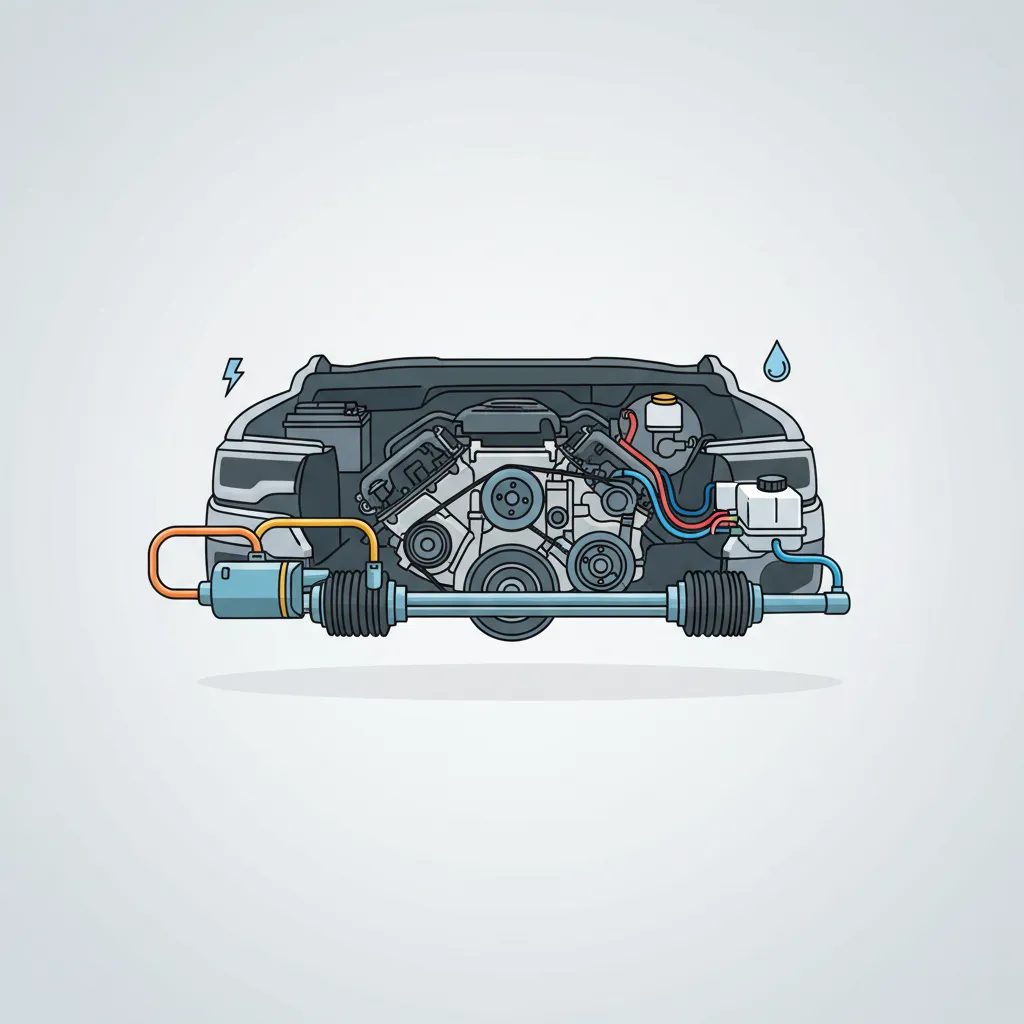
The automotive industry has undergone a massive shift in the last decade, and the Ram 1500 is a prime example of this engineering evolution. As a seasoned expert in the field, I have seen the transition from heavy, belt-driven hydraulic pumps to the sleek, efficient Electric Power Steering (EPS) systems found in the 5th Generation Ram trucks. For the 2021 model year, EPS is the standard configuration for nearly every consumer-facing trim, from the Tradesman to the Limited.
The primary driver behind this shift is fuel economy. By eliminating the traditional power steering pump, which constantly draws power from the engine via the serpentine belt, Ram engineers have reduced the “parasitic drag” on the powertrain. This results in a cleaner engine bay and a measurable increase in MPG. Furthermore, EPS systems eliminate many common failure points, such as leaking high-pressure hoses, failing rack seals, and noisy pumps.
Identifying EPS vs. Hydraulic Systems
To confirm your system type, you don’t even need to find a reservoir. Instead, look at the steering rack itself. In an EPS-equipped 2021 Ram 1500, you will see a large cylindrical motor attached directly to the steering rack housing. This motor receives signals from the vehicle’s Electronic Control Unit (ECU) and provides torque assistance based on your speed and steering angle. There are no fluid lines leading to it—only high-voltage electrical connectors.
Maintenance Free
EPS systems do not require fluid flushes, top-offs, or leak monitoring, simplifying your ownership experience.
Variable Assist
The ECU provides more assistance at low speeds (parking) and less at high speeds (highway) for better road feel.
Research indicates that many modern vehicles are transitioning to EPS systems for increased fuel efficiency and reduced maintenance. While specialized fleet configurations or specific heavy-duty towing packages in global markets might still utilize hydraulic assist for extreme load demands, the 2021 Ram 1500 in North America is almost exclusively EPS.

Locating the Power Steering Fluid Reservoir on Equipped Models
In the rare event that your 2021 Ram 1500 is equipped with a hydraulic system—perhaps as part of a specialized export package or a unique fleet order—you must know exactly where to look. Unlike older models where the reservoir was prominently perched atop the engine, modern hydraulic reservoirs are often tucked away to make room for larger cooling systems and air intake ducting.
The reservoir is typically a translucent plastic container. This translucency is intentional, allowing you to check the fluid level without opening the cap and introducing contaminants into the sealed system. It is usually found nearby the driver’s side fender or towards the front of the engine bay, situated so the belt-driven pump can remain close to the accessory drive at the front of the crankshaft.
📋
Step-by-Step Location Guide
Check your dashboard for a steering wheel icon upon startup. If you see “EPS” or “Electric Power Steering,” you do not have a reservoir.
With the engine off and cool, secure the hood. Look toward the driver’s side, behind the headlight assembly.
Look for a yellow or black cap featuring a steering wheel icon. It is usually located near the coolant reservoir or the windshield washer fluid neck.
Always check the fluid level when the engine is cold for the most accurate reading. If you must check it hot, be aware that the fluid expands and will sit higher on the dipstick or reservoir marking.
Identifying and Sourcing the Correct Power Steering Fluid
If your vehicle does have a hydraulic system, the most critical mistake you can make is using the wrong fluid. Modern Ram steering systems are engineered with specific seal materials that are highly sensitive to chemical composition. Using a generic “universal” fluid or, worse, Automatic Transmission Fluid (ATF)—which was common in older trucks—can cause the internal seals to swell and eventually disintegrate.
For the 2021 Ram 1500, you must strictly adhere to the official guide provided by Mopar. Most hydraulic units in this generation require Mopar MS-11655 or an equivalent high-spec synthetic fluid. This fluid is designed to operate under extreme pressures and temperatures without foaming or breaking down.
Mixing incompatible fluids can lead to a complete system failure. If you accidentally add the wrong fluid, the entire system must be flushed immediately by a professional to prevent permanent damage to the pump and steering rack.
When sourcing fluid, look for retailers serving your trusted local area that carry genuine Mopar products. While aftermarket brands like Pennzoil or Valvoline offer compatible fluids, verify that the bottle explicitly states “Meets MS-11655” before purchase. For those under warranty, using OEM fluid from the dealership is the safest way to ensure continued coverage.
Troubleshooting Steering Issues and Professional Maintenance
Whether you have EPS or a hydraulic system, steering issues should never be ignored. In a hydraulic system, the most common symptom of low fluid or a failing pump is a distinct whining noise when turning the wheel, especially while the vehicle is stationary. This noise is caused by air being pulled into the pump (cavitation). If the fluid is low, you likely have a leak at the location of the rack bellows or a high-pressure line.
In an EPS system, failure presents differently. You won’t hear a whine; instead, you may feel a sudden increase in steering effort or see a “Power Steering Unavailable” message on the digital instrument cluster. Since EPS is entirely electronic, these issues are often related to a low battery, a blown fuse, or a faulty torque sensor within the steering column.
By The Numbers
Avg. Pump Replacement Cost
MPG Increase with EPS
Electric Assist on standard 2021 Trims
According to data from RepairPal estimator, the average cost to replace a power steering pump in a Ram 1500 is between $588 and $716. This includes both labor and parts, though prices can vary based on your community and parts availability. If you are experiencing stiff steering, it is vital to have a diagnostic check performed by a technician who has the proper computer equipment to talk to the Ram’s CAN bus system.
Local Expert Support and Available Resources for Ram Owners
For owners of the 2021 Ram 1500, the best resource for steering maintenance is often your local dealership. Dealerships serving your region have access to Mopar-specific diagnostic tools that independent shops may lack. This is particularly important for EPS systems, where a “software update” or recalibration can sometimes fix a steering pull or heavy feel without replacing any hardware.
If you prefer to perform your own basic checks, ensure you have the Ram specs handy. Digital versions of the owner’s manual are available and provide the most accurate location diagrams for your specific VIN. Many convenient online forums and owner community groups also provide visual guides and photos of engine bays across different trims (Hemi V8 vs. Pentastar V6 vs. EcoDiesel).
✅ Why EPS is Better
- No messy fluid leaks or spills
- Higher reliability over long term
- Integration with lane-keep assist
- Fuel savings on every mile
❌ EPS Challenges
- Expensive to replace if motor fails
- Highly sensitive to battery health
- Requires specialized software tools
- Less “road feel” for some drivers
Maintaining the electrical health of your truck is the “new” power steering maintenance. Ensure your battery terminals are clean and the battery is holding a full charge. A weak battery is the number one cause of intermittent power steering failure in EPS-equipped vehicles. By keeping your electrical system accessible and in top shape, you ensure your 2021 Ram 1500 steers smoothly for years to come.
In summary, most 2021 Ram 1500 owners can stop searching for the power steering reservoir—your truck is likely equipped with a modern EPS system that does not use fluid. However, for those with hydraulic setups, checking the translucent reservoir near the driver’s side and using only Mopar-spec fluid is essential. Regular diagnostic checks are essential for both EPS and hydraulic systems to avoid expensive repairs and ensure safety on the road. If you are experiencing steering resistance or unusual noises, contact a local certified mechanic nearby to perform a comprehensive steering system diagnostic today.
Frequently Asked Questions
Where is the power steering fluid reservoir located on my 2021 Ram 1500?
For most 2021 Ram 1500 owners, there is no reservoir because the vehicle uses Electric Power Steering (EPS). However, if your model features a hydraulic system, the reservoir is a translucent plastic container with a black cap located on the driver’s side near the front of the engine compartment. Always verify your specific configuration in the owner’s manual.
What type of power steering fluid does my 2021 Ram 1500 use?
If your 2021 Ram 1500 is equipped with hydraulic steering, it typically requires Mopar MS-11655 power steering fluid. Using incorrect fluids, such as standard ATF, can damage the seals and internal components of the steering rack. Always check the reservoir cap or your vehicle’s manual for the exact chemical specification required for your VIN.
How do I check the power steering fluid level in my 2021 Ram 1500?
To check the fluid, ensure the engine is off and the vehicle is on level ground. Locate the translucent reservoir and observe the ‘MIN’ and ‘MAX’ lines on the side. If the level is below the minimum mark, add the specified Mopar fluid until it reaches the appropriate level. If your truck has EPS, no fluid check is necessary.
Does my 2021 Ram 1500 even have power steering fluid?
In most cases, the answer is no. Most 2021 Ram 1500 trims are built with an Electric Power Steering (EPS) system that uses an electric motor rather than hydraulic pressure. Only specific configurations, such as certain heavy-duty fleet models or those with specialized towing packages, may still utilize a hydraulic pump and fluid reservoir.
Why is my steering wheel hard to turn on my 2021 Ram 1500?
If your steering becomes difficult, it could indicate a failure in the EPS motor, a blown fuse, or a software fault. For hydraulic models, it usually points to low fluid or a failing pump. Because steering is a critical safety component, you should have the vehicle inspected by a professional technician in your community as soon as symptoms arise.
![2019 Ram 1500 Exhaust Manifold Failure Symptoms, Root Causes [2026]](https://truckguider.com/wp-content/uploads/2026/03/featured-5cd62374.webp)
![Best Starter for Dodge Ram 1500 5.7 Hemi: Top Pick Guide [2026]](https://truckguider.com/wp-content/uploads/2026/03/starter-for-dodge-ram-1500-5-7-hemi-featured.webp)
![2016 Ram 1500 Oil Filter Guide: Part Numbers & Best Brands [2026]](https://truckguider.com/wp-content/uploads/2026/03/2016-ram-1500-oil-filter-featured.webp)
![2003 Dodge Ram 1500 Bolt Pattern And Wheel Fitment Specifications [2026]](https://truckguider.com/wp-content/uploads/2026/03/featured-88a30bc2-768x768.webp)