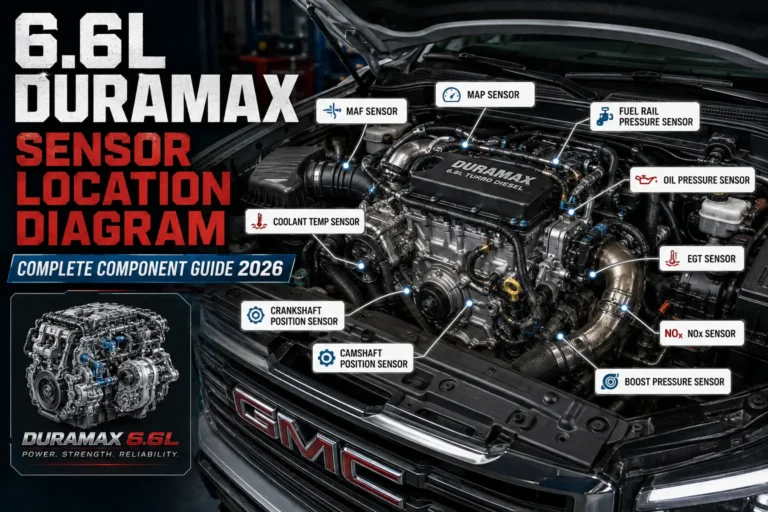
6.6 Duramax Problems: Year With Symptoms and Fixes Guide 2026

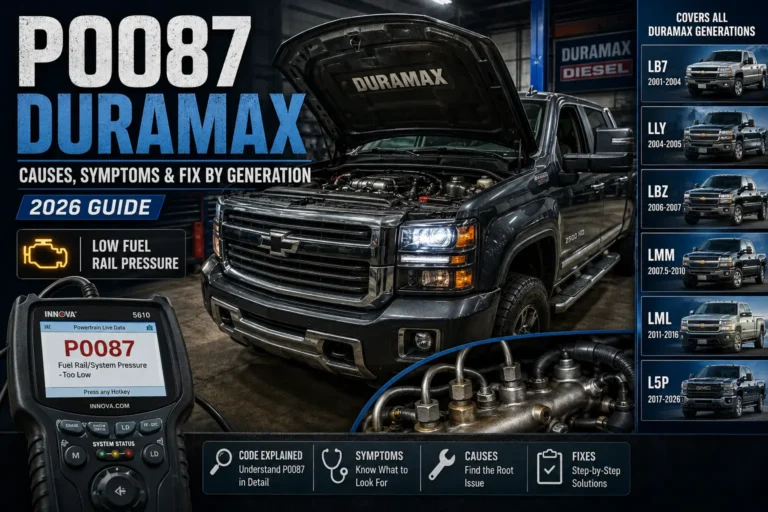
The most common 6.6 Duramax problems depend heavily on which Duramax generation is under the hood. Early LB7 engines are best known for injector failures, the LLY deserves extra cooling-system attention, the LMM introduced more DPF-related concerns, and the LML added the expensive Bosch CP4.2 fuel-system failure path.
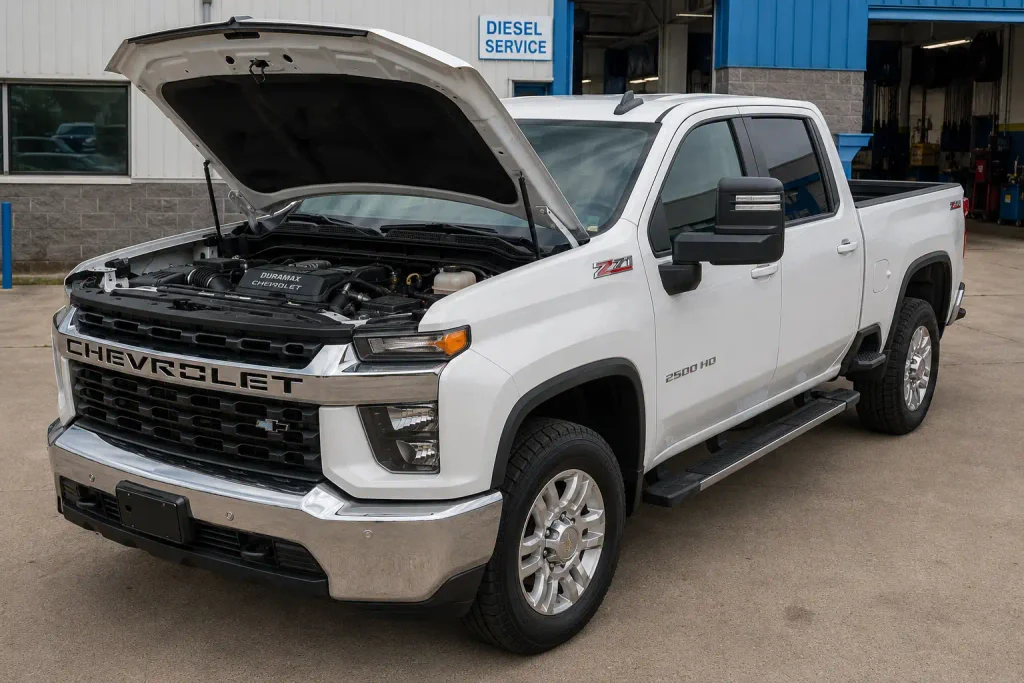
The later L5P uses a different Denso-based high-pressure fuel system, so treating it like an LML can send diagnosis in the wrong direction. The first step is identifying whether your Silverado HD or Sierra HD has an LB7, LLY, LBZ, LMM, LML, or L5P.

Prime for Young Adults — 6 Months Free
Students and 18–24s get six months of Prime free, then half price.
Start 6 Months Free6.6 Duramax Problems by Generation
Match your engine code with the most common failure path before replacing parts.
LB7
2001 to 2004LLY
2004 to 2006LBZ
2006 to 2007LMM
2007 to 2010LML
2011 to 2016L5P
2017 and newerWhich 6.6 Duramax Generation Does Your Truck Have
Recommended Best Deal Products
Several Duramax model years overlap, so the model year alone is not always enough. VIN identification is especially useful on 2004, 2006, and 2007 trucks because GM changed engine versions during those model years.
| Duramax | Pickup Model Years | VIN Eighth Digit | Main Problem Priority |
|---|---|---|---|
| LB7 | 2001 to 2004 | 1 | Injectors and fuel dilution |
| LLY | 2004 to 2006 | 2 | Cooling, wiring, VGT |
| LBZ | 2006 to 2007 | D | Glow plugs, VGT, age-related faults |
| LMM | 2007 to 2010 | 6 | DPF, regeneration, fuel dilution |
| LML | 2011 to 2016 | 8 | CP4.2 fuel system, DEF, NOx sensors |
| L5P | 2017 and newer pickups | Y | Injector connectors, emissions sensors |
The 2006 LLY deserves special attention. Although it still carries the LLY code, its mechanical design is closely related to the LBZ that followed.
For 2017 and newer pickups, the L5P uses a Denso high-pressure fuel pump, not the Bosch CP4.2 fitted to 2011 to 2016 LML pickups.
Identify the correct engine before ordering injectors, pumps, turbo parts, or emissions components.
What Symptoms Point to Major Duramax Problems
Start with the symptom before replacing the part. Several Duramax failures produce similar warning signs, but the engine generation changes which cause should move to the top of your list.
Hard Starting and Rough Idle
Hard starting can come from injector problems, air entering the fuel supply, inadequate rail pressure, or injector wiring faults.
On 2001 to 2016 engines, the fuel system does not use the L5P-style electric lift pump. Air entering through the filter housing or fuel plumbing can create hard-start and fuel-starvation symptoms.
White Smoke and Rising Oil Level
On an LB7, white smoke combined with rough running or an engine-oil level that keeps rising is a serious injector warning.

Audible — Listen Free for 30 Days
One free credit a month and thousands of titles included.
Listen Free for 30 DaysFuel leaking from the under-valve-cover injector system can contaminate the crankcase oil. Diesel thins the lubricant and reduces its ability to protect bearings and other loaded surfaces.
If the dipstick level rises without oil being added, stop treating the problem as a simple smoke complaint.
Overheating Under Heavy Load
An LLY that runs hot while towing needs a complete cooling-system check before anyone assumes the head gaskets have failed.
Check coolant level, airflow through the cooling stack, fan-clutch operation, water-pump condition, hoses, thermostat operation, and signs of coolant loss. GM also has specific procedures for separating EGR-cooler leakage from other sources of coolant entering the combustion chambers.
Reduced Power and Emissions Warnings
LMM, LML, and L5P trucks can enter reduced-power conditions because of aftertreatment faults.
DPF means Diesel Particulate Filter. DEF means Diesel Exhaust Fluid. SCR means Selective Catalytic Reduction. These systems became progressively more important as emissions equipment expanded, with the LMM introducing the DPF and the LML adding SCR and DEF.
Low Fuel Rail Pressure
A low-rail-pressure condition does not automatically mean the injection pump has failed.
Check fuel-filter restriction, air intrusion, supply-side problems, commanded versus actual rail pressure, and stored DTCs first. On an LML, evidence of metal contamination makes the CP4.2 much more serious.
Audible Premium Plus — Annual Membership
12 audiobook credits up front, plus the full Audible catalogue.
See Annual PlansThe generation now determines which failure deserves priority.
5 Common LB7 Duramax Problems From 2001 to 2004
If you own an LB7, injector condition belongs at the top of the diagnostic list.
1. Fuel Injector Failure
Premature injector failure became the signature LB7 problem. GM issued Special Policy 04039 for qualifying trucks after injector body cracking and ball-seat erosion became established concerns. NHTSA complaint records include owner correspondence specifically referencing that policy.
Typical symptoms include:
- White or gray exhaust smoke
- Rough idle
- Hard starting
- Loss of power
- Excessive injector return
- Diesel odor in the engine oil
- Rising crankcase oil level
A full eight-injector LB7 replacement is labor intensive because the injectors sit under the valve covers. Current 2026 diesel-shop estimates commonly place a professional full-set job around $4,500 to $7,000, depending on injector type, labor rate, and required supporting parts.
2. Fuel Dilution
Fuel dilution can be more damaging than the smoke that alerts you to the injector problem.
Diesel entering the crankcase lowers oil viscosity. If your LB7 appears to be gaining oil on the dipstick, diagnose the fuel system before continuing normal use.
3. Injector Harness Chafing
A rough-running LB7 does not always need injectors.
Harness damage can create open-circuit faults and injector-like symptoms. Checking electrical integrity before replacing expensive fuel components can save thousands of dollars.
If scan data identifies a cylinder-specific issue, our 6.6 Duramax cylinder numbers guide helps locate the correct cylinder and bank before testing wiring or injectors.
4. Fuel Filter Housing Air Leaks
The filter head, seals, and associated fuel plumbing can allow air into the supply side.
Symptoms often include hard starts after the truck sits, loss of prime, and a need to repeatedly use the hand primer. Fuel-system air intrusion affects multiple pre-L5P generations, not just the LB7.
5. Water Pump and Cooling Problems
Water-pump failure can lead to coolant loss and overheating.
Treat unexplained coolant loss as a diagnostic problem rather than repeatedly topping off the reservoir. Cooling-system faults can eventually produce much more expensive engine damage.
The LLY corrected the LB7 injector arrangement but brought different high-load concerns.
4 Common LLY Duramax Problems From 2004 to 2006
On an LLY that overheats while towing, do not start by assuming the head gaskets are bad.
1. Overheating Under Towing Load
The LLY has a long-standing reputation for higher coolant temperatures under sustained heavy load.
Start with basic cooling-system diagnosis. Dirty radiator and condenser stacks, a weak fan clutch, coolant loss, water-pump issues, and airflow restrictions can all raise temperatures before an internal engine failure is considered.
2. Injector Driver Wiring Problems
GM published diagnostic information for 2004 to 2005 LLY trucks with rough running, misfire, surge, and injector-driver codes.
The bulletin specifically tells technicians not to replace injectors automatically for several injector-driver DTCs. It directs inspection toward ECM and FICM circuits plus known wiring-chafe areas.
3. Variable Geometry Turbo Problems
The LLY introduced the Garrett variable-geometry turbocharger used across later generations through the LML.
Carbon and corrosion can interfere with the vane or unison-ring mechanism, causing underboost, overboost, slow response, or turbo-position faults.
4. Cooling System Leaks
Coolant entering a combustion chamber does not always prove a failed head gasket.
GM developed an EGR-cooler pressure-testing procedure because a leaking cooler can introduce coolant into the combustion path and create misleading symptoms.
A proper pressure test and combustion-gas diagnosis should come before a major engine teardown.
3 Common LBZ Duramax Problems From 2006 to 2007
The LBZ does not need an inflated failure list simply because the keyword contains the word problems.
It is widely regarded as one of the simpler Duramax generations because it predates the DPF-equipped LMM while retaining the externally serviceable injector layout.
1. Glow Plug and Controller Problems
The 2006 LLY and LBZ era experienced glow-plug controller concerns that could over-cycle the plugs and damage the tips.
Used-truck buyers should verify that applicable factory campaign work was completed rather than assuming an older truck was updated.
2. VGT Vane Sticking
The LBZ uses the same Garrett variable-geometry turbo family found in the LLY.
A sticking unison ring or vane mechanism can trigger poor turbo response and boost-control problems. Proper scan data and actuator testing should precede turbo replacement.
3. Modified Engine Stress
High-power tuning changes the reliability equation.
GM has published service guidance explaining that aftermarket calibrations can produce engine loading outside validated operating parameters and contribute to piston, cylinder, valvetrain, or turbo-related failures.
If you are evaluating a used LBZ, modification history matters almost as much as mileage.
5 Common LMM Duramax Problems From 2007 to 2010
If an LMM loses power after repeated short trips, check the emissions system before blaming the injectors.
1. DPF Clogging
The LMM was the first pickup Duramax generation equipped with a Diesel Particulate Filter.
The DPF captures soot and periodically needs regeneration to burn accumulated material. Frequent short trips, prolonged idling, and interrupted regeneration can make filter loading harder to manage.
2. Interrupted Regeneration
An active regeneration may change exhaust sound, raise idle speed, produce a hot odor, or temporarily change throttle response.
Repeatedly shutting the truck down during active regeneration can contribute to soot accumulation and repeated regeneration attempts.
3. Fuel Dilution
The LMM uses post-injection during active regeneration.
Some fuel injected late in the combustion cycle can wash down the cylinder wall and enter the crankcase. DieselHub identifies excessive fuel dilution as an LMM-specific concern tied to this regeneration strategy.
4. EGR Buildup
Exhaust Gas Recirculation routes controlled exhaust back into the intake.
Soot, oil vapor, and mileage can contribute to deposits in the EGR and intake system. Diagnose actual flow faults and DTCs before replacing components.
5. Turbo Vane Problems
The LMM retains the Garrett variable-geometry turbo architecture.
Sticking vanes, actuator problems, or soot contamination can produce boost-control faults that resemble other airflow problems.
The LML added another emissions layer and a much more expensive fuel-system failure path.
5 Critical LML Duramax Problems From 2011 to 2016
An LML with unexplained low rail pressure deserves careful fuel-system inspection before expensive parts are ordered.
1. Bosch CP4.2 Fuel Pump Failure
The 2011 to 2016 LML changed from the earlier CP3 architecture to a Bosch CP4.2 high-pressure pump.
The dangerous failure mode is not simply loss of pump pressure. Internal pump wear can spread metallic debris into rails, lines, injectors, and other high-pressure components.
2. Fuel System Metal Contamination
Once metal circulates through the system, replacing only the high-pressure pump may leave contamination behind.
This is why complete contaminated-system repairs can become extremely expensive. Current diesel-industry pricing places a serious CP4 contamination repair around $7,500 to $12,000 or more, depending on parts selection and how far debris traveled.
If metal is confirmed, treat it as a system-level failure.
3. DEF System Faults
The LML introduced Selective Catalytic Reduction with Diesel Exhaust Fluid on Duramax pickups.
GM bulletin 12-06-04-002E covers messages including Exhaust Fluid Quality Poor, Service Exhaust Fluid System, and Service Emission System. It lists associated codes such as P207F, P20EE, P249D, P249E, and P202E.
4. NOx Sensor Problems
NOx sensors measure oxides of nitrogen before and after portions of the emissions system.
A failed sensor or related SCR problem can trigger check-engine lights, exhaust-fluid warnings, and eventually speed-limiting strategies if the fault is not corrected.
5. Cold Weather DEF Faults
GM also published information covering P204B and P204F on 2011 to 2015 LML trucks in sustained temperatures below minus 20°C or minus 4°F.
The bulletin describes a revised remote-mounted temperature sensor solution when normal diagnostics find no hardware failure.
The L5P replaces the LML fuel-system architecture, so diagnosis changes again.
4 Common L5P Duramax Problems From 2017 Onward
The L5P requires a different fuel-system diagnostic path than the 2011 to 2016 LML.
1. Injector Connector Wear
GM bulletin 23-NA-027 covers 2017 to 2023 L5P Silverado HD and Sierra HD trucks with poor performance, misfires, and injector-circuit or cylinder-misfire codes.
GM identified engine vibration causing wear between the injector connector terminal and the high-pressure injector as a possible cause.
Relevant codes include:
- P0201 through P0208
- P0300
- P0301 through P0308
GM’s bulletin lists 0.5 hour for connector diagnosis and additional repair labor ranging from 0.4 to 2.6 hours, depending on connector position and repair scope.
2. DEF and SCR Faults
The L5P still uses DPF and SCR aftertreatment, so emissions warnings have not disappeared.
Diagnosis should begin with stored DTCs, DEF-system data, NOx-sensor readings, exhaust-temperature sensor data, and system-specific GM procedures.
3. Exhaust Sensor Failures
A modern Duramax depends on several sensors to manage regeneration and SCR operation.
A sensor fault can cause reduced performance or emissions messages even when the engine’s mechanical condition is sound. This is why code scanning should come before replacing fuel or turbo components.
4. Fuel Contamination Problems
The L5P uses a Denso-based high-pressure fuel system and an electric low-pressure lift pump. It does not use the LML Bosch CP4.2 architecture.
Poor fuel quality, water, or contamination can still damage injectors and high-pressure components, but the correct diagnostic and repair path differs from an LML CP4 failure.
How to Diagnose 6.6 Duramax Problems in 5 Steps
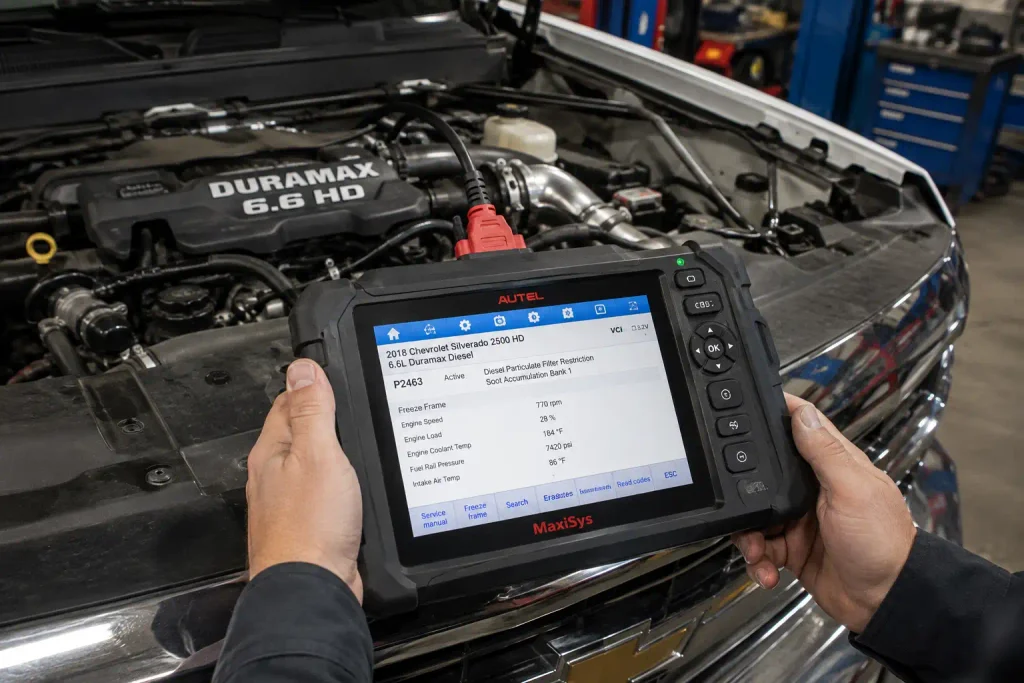
A five-step diagnostic order prevents expensive parts-replacement mistakes.
1. Identify the Duramax Generation
Verify the RPO or eighth VIN digit.
Do not order generation-specific injectors, pumps, electronics, or turbo parts using model year alone on crossover years.
2. Scan All Stored DTCs
Use a scan tool capable of reading diesel powertrain and emissions data.
Record the codes before clearing anything. Codes provide context that disappears once memory is erased.
3. Match the Symptom to One System
Separate the complaint into:
- Fuel
- Cooling
- Turbo and airflow
- Electrical
- Emissions aftertreatment
- Internal mechanical
This prevents an emissions fault from turning into an unnecessary injector job.
4. Run the Generation Specific Test
Use the weakness associated with your generation only as a diagnostic priority, not proof.
If an LB7 smokes, test injectors. If an LLY overheats, test the cooling system. If an LML has low rail pressure, inspect the CP4-related fuel path. If an L5P misfires with injector-circuit codes, inspect the connector bulletin path.
5. Check for Secondary Damage
The first failed component may not be the only damaged component.
Fuel in engine oil, CP4 metal contamination, severe overheating, and prolonged DPF problems can create secondary failures. Repairing the original cause without checking the rest of the system can lead to repeat work.
Which Duramax Problem Should You Check First
The correct first check changes with both generation and symptom.
| Duramax | Main Symptom | First Priority | System | Urgency |
|---|---|---|---|---|
| LB7 | White smoke and rough idle | Injector diagnosis | Fuel | High |
| LB7 | Rising oil level | Check fuel dilution | Fuel and lubrication | Critical |
| LLY | Overheats while towing | Cooling system test | Cooling | High |
| LLY | Injector circuit codes | Inspect harness first | Electrical | High |
| LBZ | Underboost | Test VGT operation | Turbo | Medium |
| LMM | Frequent regeneration | Check DPF data | Aftertreatment | Medium to High |
| LMM | Rising oil level | Check fuel dilution | Lubrication | High |
| LML | Low rail pressure | Inspect fuel system | CP4.2 system | Critical |
| LML | DEF warning | Scan SCR system | Emissions | High |
| L5P | P0201 to P0208 | Inspect injector connector | Electrical | High |
| L5P | Service emissions message | Scan aftertreatment system | Emissions | Medium to High |
This table is a triage guide. A stored code, pressure test, circuit test, or OEM diagnostic procedure should confirm the repair before parts are replaced.
When to Stop Driving a Duramax Immediately
Some Duramax problems become expensive because the truck continues operating after a serious warning appears.
Stop normal driving and diagnose the truck if you see:
- Engine oil level rising from suspected diesel contamination
- Severe or rapidly increasing coolant temperature
- Engine oil-pressure warning
- Heavy mechanical knocking
- Rapid coolant loss
- Metal contamination in an LML fuel system
- Severe misfire with uncontrolled smoke
- Evidence of oil or coolant mixing
Never remove the coolant pressure cap while the cooling system is hot. GM specifically warns that a pressurized hot cooling system can release boiling coolant with enough force to cause serious burns.
Driving another few miles is rarely worth risking a fuel-system-wide repair or internal engine damage.
Which 6.6 Duramax Generations Have the Biggest Risks
The most expensive potential failure does not automatically make an entire Duramax generation bad.
LB7: The main ownership risk is the injector system. A truck with documented updated injectors deserves a different assessment from one with an unknown repair history.
LLY: Cooling performance under heavy load deserves close inspection. Wiring and VGT condition also matter.
LBZ: The LBZ avoids the later DPF system and does not have the LML CP4.2. Modification history can be a larger concern than one universal stock-engine defect.
LMM: The first DPF-equipped pickup Duramax adds regeneration, soot loading, and fuel-dilution considerations.
LML: CP4.2 contamination has the largest single repair-cost consequence in this group. SCR, DEF, and NOx faults add another diagnostic layer.
L5P: The fuel-system architecture changed substantially. Injector connector wear and modern emissions-system faults deserve more attention than copying an LML problem list.
For a used truck, service records and actual condition matter more than choosing an engine code from an internet ranking.
How to Reduce Future 6.6 Duramax Problems
Most preventive steps cost much less than repairing secondary damage after the first warning is ignored.
Use the correct engine oil and fuel filters for your model year. Drain the fuel-water separator on schedule, and investigate contaminated fuel immediately.
Do not repeatedly ignore active regeneration or emissions warnings on DPF-equipped trucks. An aftertreatment problem that starts with a sensor or regeneration fault can become more expensive if soot loading continues.
Fix coolant loss before towing heavy. A small leak under normal unloaded driving can become a serious overheating problem when the engine works continuously under trailer load.
Scan codes before clearing them. The original DTC and freeze-frame data are often the strongest clues you have.
Modified trucks require additional caution. GM has documented how aftermarket calibrations can increase cylinder pressure and powertrain loading beyond factory-tested conditions.
5 Common Questions About 6.6 Duramax Problems
What Is the Most Common 6.6 Duramax Problem
There is no single failure shared equally across every generation. LB7 trucks are most strongly associated with injector problems, LMM trucks with DPF and regeneration issues, and LML trucks with CP4.2 and DEF system concerns.
Identify the engine code first, then diagnose by symptom.
Which Duramax Has the CP4 Fuel Pump
The 2011 to 2016 LML Duramax uses the Bosch CP4.2 high-pressure injection pump in pickup applications.
Earlier 2001 to 2010 pickup generations use Bosch CP3 architecture, while the 2017 and newer L5P uses a Denso high-pressure system.
Does the L5P Duramax Use a CP4 Pump
No. The L5P does not use the LML’s Bosch CP4.2.
GM changed the fuel system for the 2017 L5P, which uses Denso high-pressure components and an electric low-pressure lift pump. Diagnosing an L5P as though it has an LML fuel system can lead to the wrong repair path.
Why Does My Duramax Overheat While Towing
Start with coolant level, leaks, radiator-stack airflow, fan operation, thermostat and water-pump condition, then test for more serious internal problems if the basic cooling system passes.
On EGR-equipped Duramax engines, GM also provides a separate EGR-cooler pressure test because cooler leakage can mimic other coolant-loss failures.
Are 6.6 Duramax Engines Reliable After 200000 Miles
A 6.6L Duramax can remain serviceable beyond 200,000 miles, but mileage alone cannot predict reliability.
Injector history, fuel quality, cooling-system maintenance, emissions-system condition, transmission service, tuning history, towing use, and previous repairs matter more than the odometer by itself.
What Matters Most With 6.6 Duramax Problems
The safest way to diagnose 6.6 Duramax problems is to stop treating every 6.6L Duramax V8 Turbo Diesel as the same engine.
An LB7 with white smoke should push injector diagnosis higher. An LLY that runs hot under load needs cooling checks. An LML with low rail pressure requires CP4.2 contamination awareness, while an L5P with injector-circuit codes may fall directly into GM’s connector diagnostic path.
Identify the generation, save the fault codes, test the affected system, and confirm the failure before buying parts. That approach is cheaper and more reliable than replacing components based on a generic Duramax problem list.