
6.7 Cummins Exhaust Manifold Upgrade [2026]

Upgrading the 6.7 Cummins exhaust manifold is essential to prevent common issues like manifold shrinking, cracking, and snapped studs. High-performance aftermarket options from brands like Steed Speed and BD Diesel offer superior airflow and lower EGTs, specifically for heavy towing. Choosing between T3 and T4 flanges allows for better turbo optimization and faster spool-up times.
🎯 Key Takeaways
Recommended Best Deal Products


- Aftermarket manifolds prevent ‘manifold shrink’ that snaps stock exhaust studs.
- T4 flange upgrades offer better top-end flow for high-horsepower builds.
- Expect EGT reductions of 50-150°F during heavy towing scenarios.
- Steed Speed manifolds provide the best flow due to CNC-billet construction.
- Multi-piece designs better handle heat cycles compared to stock one-piece units.
Upgrading your 6.7 Cummins exhaust manifold is the most effective way to prevent the inevitable “manifold shrink” that snaps rear exhaust studs and ruins turbo efficiency. Swapping the restrictive stock cast iron unit for a high-flow, thick-walled ductile iron or billet manifold from brands like Steed Speed, BD Diesel, or Fleece Performance solves thermal expansion issues while lowering your Exhaust Gas Temperatures (EGTs) by 100 to 200 degrees. These aftermarket options provide a more direct path for exhaust gases, which improves turbo spool-up and protects your cylinder head from costly damage.
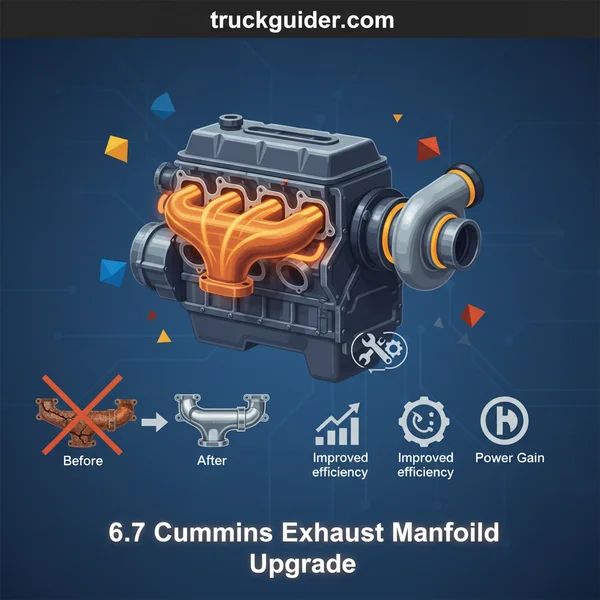
Practically speaking, this upgrade is more about reliability than raw horsepower. While you will see better throttle response and slightly more power, the real value is in the peace of mind. If you tow heavy loads or run a tuner, the factory manifold is a ticking time bomb. High heat cycles cause the stock iron to contract and move, eventually shearing off the Grade 8 bolts at the back of the head. An aftermarket manifold is designed to handle this heat without shifting, saving you from a thousand-dollar labor bill at the diesel shop later.

Prime for Young Adults — 6 Months Free
Students and 18–24s get six months of Prime free, then half price.
Start 6 Months FreeTop Aftermarket 6.7 Cummins Exhaust Manifold Brands Compared
Choosing the right manifold depends on your budget and whether you plan to keep your stock turbo or move to a larger S300 or S400 setup. The following brands represent the “gold standard” for the 6.7 Cummins platform, each offering unique metallurgy and flow characteristics.

Steed Speed: The Premium Billet Choice
If you want the absolute best in flow and aesthetics, Steed Speed is the top contender. Unlike cast manifolds, these are CNC-machined from solid blocks of 1018 mild steel. The internal passages are incredibly smooth, which significantly reduces turbulence. This leads to the fastest turbo spool-up times of any brand on this list. They are finished with a tech-line coating to handle extreme heat without corroding.
- Pros: Highest flow rates available, exceptional durability, and custom mounting options for T3, T4, or even T6 turbos.
- Cons: Highest price point on the market and can have longer lead times for shipping.
- Estimated Price: $850 – $1,100
BD Diesel: The Multi-Piece Pulse Design
BD Diesel takes a different approach by offering a multi-piece “Pulse” manifold. This design features expansion joints between the center and end sections. Because the manifold can expand and contract independently, it places zero stress on your exhaust studs. The “pulse” design helps direct exhaust pulses more efficiently toward the turbo charger, which is great for low-end torque.
- Pros: Virtually eliminates the risk of broken studs due to the multi-piece design; excellent for heavy towing.
- Cons: More potential leak points over time compared to a single-piece casting if the slip-joints wear.
- Estimated Price: $550 – $750
Fleece Performance: The Reliable Heavy-Duty Casting
Fleece Performance offers a high-silicon ductile iron manifold that is much thicker than the OEM version. It is designed as a direct “drop-in” replacement, meaning you won’t have to fight with fitment issues. It is pre-tapped for an EGT probe, which is a major convenience for guys running gauges. This is the “workhorse” manifold for someone who wants OEM fitment with aftermarket strength.
- Pros: Extremely thick walls for heat retention, pre-tapped for sensors, and very competitive pricing.
- Cons: Heavier than the stock unit and does not offer the “cool factor” of a billet Steed Speed.
- Estimated Price: $450 – $600
How to Upgrade Your 6.7 Cummins Exhaust Manifold Like a Pro: A Practical Walkthrough
Recommended Best Deal Products

The 6.7L Cummins engine is a powerhouse, but its factory exhaust manifold is notorious for “shrinking” over time due to extreme heat cycles. This shrinkage often leads to snapped manifold studs and exhaust leaks that kill your turbo spool-up and fuel economy. This guide covers the complete process of upgrading to a high-flow, heavy-duty aftermarket manifold, which provides better airflow, lower Exhaust Gas Temperatures (EGTs), and much-needed durability. Following these steps ensures a leak-free seal and prevents the common headache of broken hardware during the installation process.
Step 1: Preparation and Penetrating Oil Application
What you need: PB Blaster or Kroil penetrating oil, shop light, basic socket set, and patience.
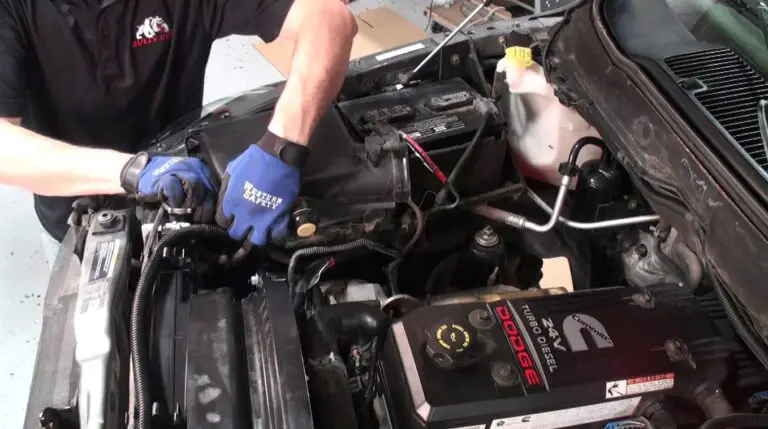
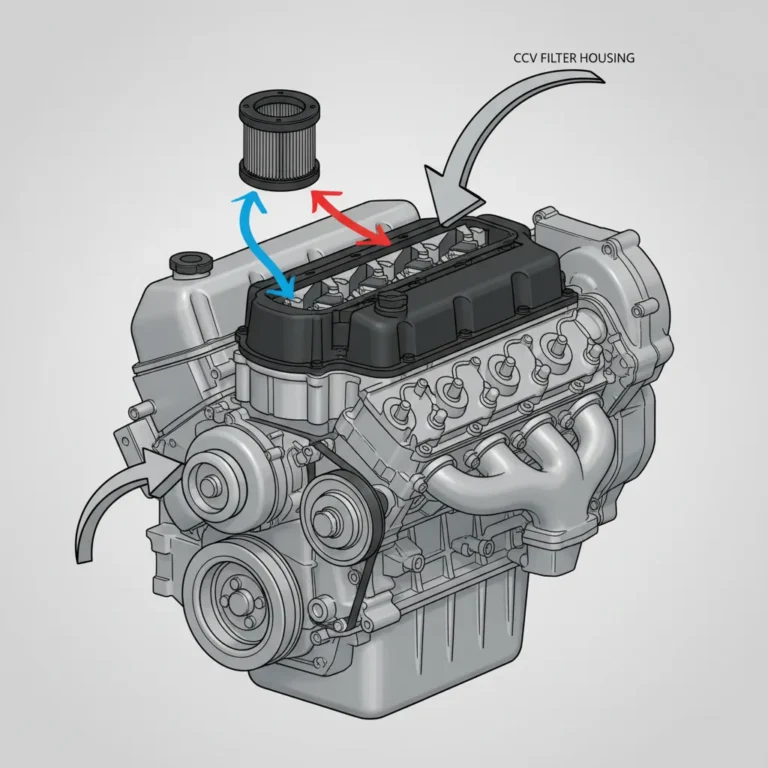
Instructions: Before you even pick up a wrench, you must prepare the factory hardware. The exhaust manifold on a 6.7 Cummins lives in a world of extreme heat, leading to rust and “welded” threads. Begin by disconnecting both negative battery cables to prevent electrical shorts. Once the engine is completely cool, soak every single manifold bolt and the four turbocharger mounting flange nuts with a high-quality penetrating oil. For the best results, do this 24 hours in advance and apply multiple coats. Focus specifically on where the bolt enters the cylinder head. While waiting, clear the area by removing the air intake tube and the Crankcase Ventilation (CCV) filter housing to gain clear access to the passenger side of the engine bay.
Pro Tip: If a bolt feels extremely tight, do not force it. Apply heat with a propane torch directly to the manifold around the bolt, then try to “rock” the bolt back and forth (tightening slightly, then loosening) to break the rust bond without snapping the head off.
Step 2: Turbocharger Detachment
What you need: 15mm deep socket, 13mm wrench, bungee cords or a turbo stand, and new turbo-to-manifold gaskets.

Audible — Listen Free for 30 Days
One free credit a month and thousands of titles included.
Listen Free for 30 DaysInstructions: On most 6.7 Cummins setups, you don’t need to completely remove the turbo from the truck, but you must disconnect it from the manifold. Start by removing the four nuts connecting the turbo flange to the exhaust manifold. You will likely need a 15mm socket with a swivel joint to reach the bottom nuts. Next, loosen the turbo support bracket bolts located near the engine block to allow the turbo to move freely. Carefully pull the turbo away from the manifold. You may need to use a bungee cord to pull the turbo toward the fender well to create enough clearance to slide the old manifold out. Be extremely careful not to kink the oil feed line on top or the oil drain line underneath the turbo.
Pro Tip: Stuff a clean, lint-free rag into the turbo inlet. This prevents any falling debris, nuts, or rust flakes from entering the compressor wheel, which would cause catastrophic engine damage upon startup.
Step 3: Removing the Stock Manifold
What you need: 13mm or 15mm socket (depending on year), extension bars, and a pry bar.
Instructions: With the turbo disconnected, you can now remove the manifold bolts. The 6.7 Cummins uses 12 bolts (two per cylinder). Work from the outside cylinders toward the center. This helps relieve the tension evenly, as the manifold has likely warped. Once all bolts and spacers are removed, the manifold should be loose. If it sticks, gently use a pry bar between the manifold and the head, but be careful not to gouge the aluminum surface of the cylinder head. Carefully lift the heavy cast-iron manifold out of the engine bay. Note that the factory manifold is a two-piece design on some years or a single piece on others; regardless, be prepared for the weight, as it is surprisingly heavy and awkward to maneuver.
Pro Tip: If you find a bolt that is already snapped off flush with the head (a common Cummins issue), do not attempt to drill it out by hand. Use a dedicated bolt extraction jig to ensure you stay centered and don’t ruin the threads in the head.
Step 4: Surface Cleaning and Preparation
What you need: Plastic scrapers, Scotch-Brite pads, brake cleaner, and a shop vacuum.
Instructions: This is the most critical step for preventing future exhaust leaks. The cylinder head surface will have carbon buildup and old gasket material stuck to it. Use a plastic scraper to remove the bulk of the debris. Follow up with a fine Scotch-Brite pad soaked in brake cleaner to polish the mating surfaces until they are shiny and smooth. Do not use a metal scraper or a wire wheel on a drill, as these can easily gouge the head, creating a path for exhaust gasses to escape. Once clean, use a shop vacuum to suck out any debris that may have fallen into the exhaust ports. Wipe the surface one last time with a clean, lint-free cloth and more brake cleaner to ensure no oil or fingerprints remain.
Pro Tip: Check the new manifold’s mounting flange for flatness using a straight edge. While aftermarket manifolds are usually machined well, even a tiny imperfection can lead to a “whistling” exhaust leak under high boost.
Audible Premium Plus — Annual Membership
12 audiobook credits up front, plus the full Audible catalogue.
See Annual PlansStep 5: Installing New Studs and Gaskets
What you need: Aftermarket exhaust stud kit (highly recommended), Multi-Layer Steel (MLS) gaskets, and anti-seize lubricant.
Instructions: Most enthusiasts upgrade from factory bolts to high-strength studs during this process. Studs provide more accurate torque readings and prevent wear on the cylinder head threads. Apply a small amount of high-temp nickel anti-seize to the fine-thread end of the studs and thread them into the cylinder head hand-tight. Next, slide your new gaskets over the studs. Ensure the gaskets are oriented correctly; most will have a “This side out” or “Manifold side” stamp. On the 6.7 Cummins, the gaskets are individual for each cylinder or come in pairs. Using MLS (Multi-Layer Steel) gaskets is highly recommended over the cheap composite versions, as they handle the heat expansion of the heavy-duty manifold much more effectively.
Pro Tip: Use a tiny dab of grease on the back of the gasket to hold it against the head if it keeps sliding off the studs while you are trying to hoist the heavy manifold into place.
Step 6: Mounting and Torquing the New Manifold
What you need: Torque wrench, 12-point sockets, and the manufacturer’s torque sequence diagram.
Instructions: Carefully lift the new high-flow manifold onto the studs. It is heavy, so you might want a second set of hands to help guide it over the studs without damaging the gasket faces. Install the washers and nuts onto the studs. To ensure a proper seal, you must torque the nuts in a specific sequence, starting from the center (Cylinder 3 and 4) and moving outward in a “criss-cross” or “spiral” pattern. Torque them in three stages: first to 15 ft-lbs, then to 25 ft-lbs, and finally to the manufacturer’s spec (usually 32-35 ft-lbs). This graduated approach allows the manifold to seat evenly against the head without binding or warping the gasket.
Pro Tip: Re-check the torque on all nuts after the first heat cycle (letting the engine run to operating temp and then cooling down completely). The thermal expansion often “settles” the hardware, and they may require an additional quarter-turn.
Step 7: Reconnecting the Turbo and Finishing Up
What you need: New T3/T4 flange gasket, 15mm socket, and any removed heat shields.
Instructions: Now, pull the turbo back toward the manifold. Place a new metal gasket between the turbo and the manifold flange. Note that most aftermarket manifolds come with new hardware for this connection; use it. Tighten the four flange nuts in a cross pattern to approximately 35-40 ft-lbs. Don’t forget to reconnect the turbo support bracket to the engine block; if you leave this off, the weight of the turbo will eventually crack your brand-new manifold. Reinstall the CCV housing, the air intake piping, and any heat shields you removed. Finally, reconnect the negative battery terminals. Double-check all hose clamps and electrical connectors to ensure nothing was bumped loose during the installation.
Pro Tip: Before starting the truck, check the oil feed line for the turbo one last time. If you moved the turbo significantly, the line might have loosened. A loose oil line here will result in an immediate and messy engine oil leak.
✅ Final Checklist
- All 12 manifold nuts are torqued to 32-35 ft-lbs in the correct sequence.
- Turbocharger flange nuts are tight and a new gasket is installed.
- Turbo support bracket is securely bolted to the block.
- Air intake and CCV systems are fully reassembled and clamps are tight.
- No tools, rags, or debris are left in the engine bay or turbo inlet.
Important Notes:
- Safety: Always wear eye protection and mechanics’ gloves. Exhaust soot and rust flakes are irritating to the skin and eyes.
- Professional Help: Seek a professional if you snap a manifold bolt inside the cylinder head and do not have the proper extraction tools, as drilling incorrectly can ruin the head.
- Estimated Time: 4 to 6 hours for a DIYer, depending on the condition of the factory hardware.
- Cost Range: $450 to $900 for the manifold and hardware kit, depending on the brand and material (Cast Iron vs. Stainless Steel).
Why Stock 6.7 Cummins Manifolds Fail: Shrinking and Stud Breakage
To understand why you need to upgrade, you have to understand the failure rate of the factory equipment. The stock 6.7 Cummins manifold is a long, single-piece cast iron component. Because it is so long, it is highly susceptible to the physical changes that occur during extreme heat cycles. This is particularly true for trucks that are used for heavy hauling or those running high-performance tunes.
The “Accordion” Effect and Thermal Stress
As you drive, your exhaust temperatures fluctuate from 300 degrees at idle to over 1,200 degrees under load. Cast iron naturally expands when hot and shrinks when cool. Over thousands of miles, the stock manifold begins to permanently “shrink” or warp. Since the manifold is bolted to the aluminum or iron cylinder head, something has to give. Unfortunately, that “something” is usually the exhaust studs—specifically on cylinders 5 and 6 at the back of the engine where heat is most concentrated.
Recognizing the Signs of Manifold Failure
You don’t always need a mechanic to tell you your manifold is failing. If you notice a high-pitched “chirp” or squeal under acceleration, it’s often an exhaust leak caused by a warped manifold pulling away from the head. You might also see black soot trailing down the side of the engine block near the rear cylinders. Once a stud snaps, the manifold will no longer seal against the gasket, leading to a loss in drive pressure. This means your turbo won’t spool as fast, your fuel economy will drop, and your EGTs will climb even higher, creating a dangerous feedback loop for your engine’s health.
- Stud Extraction: When these bolts break, they often snap off flush with the cylinder head, requiring expensive drilling and extraction.
- Loss of Drive Pressure: Even a small leak significantly reduces the energy available to spin your turbo.
- Gasket Blowouts: Once the manifold warps, it creates “hot spots” that burn through even the best multi-layer steel gaskets.
Performance Impact: EGT Reduction and Turbo Spool-Up Improvements
The primary reason most 6.7 Cummins owners look toward an aftermarket manifold isn’t just for looks; it’s about thermal management. The stock “log style” manifold is notorious for trapping heat near the rear cylinders. By upgrading to a high-flow, pulse-tuned design, you allow the engine to exhale much more efficiently. This transition directly impacts how your truck handles heavy loads and high-stress driving conditions.
Lower EGTs for Engine Longevity
Exhaust Gas Temperatures (EGTs) are the silent killer of diesel engines. When you’re towing a heavy trailer up a grade, EGTs can skyrocket, putting your head gasket and pistons at risk. An upgraded manifold, especially one made from high-silicon ductile iron, dissipates heat faster and provides a smoother exit path for gases. Most drivers report a 50°F to 150°F drop in peak EGTs after the swap. This thermal relief means your cooling system doesn’t have to work as hard, and your engine components stay within safe operating ranges.
Faster Turbo Response
Beyond cooling, a performance manifold improves the “spool-up” time of your turbocharger. By directing exhaust pulses more effectively toward the turbine wheel, you reduce the lag felt when you step on the throttle. This is particularly noticeable in the mid-range RPM power band. Key benefits include:
- Better Throttle Response: No more waiting for the turbo to “catch up” at a green light.
- Improved Fuel Economy: A more efficient exhaust cycle means the engine doesn’t have to work as hard to maintain cruising speeds.
- Consistent Boost: High-flow manifolds reduce turbulence, leading to more stable boost pressures across the board.
Technical Specifications: Choosing Between T3, T4, and T6 Flanges
When shopping for a 6.7 Cummins manifold, the most critical technical decision you will make is the flange type. The flange is the mounting surface where your turbo attaches to the manifold. Choosing the wrong one can lead to expensive compatibility issues or the need for awkward adapters that can leak over time.
Matching the Flange to Your Power Goals
Most 6.7 Cummins trucks come stock with a T3 flange, which is designed for the factory VGT (Variable Geometry Turbo). However, if you are planning a “fixed geometry” turbo swap or a 2nd Gen manifold conversion, you have more options to consider:
- T3 Flange: The standard choice for stock replacements or mild upgrades. It keeps the factory footprint and is ideal for daily drivers.
- T4 Flange: The “sweet spot” for performance builds. A T4 manifold allows for a larger variety of aftermarket turbos (like the S300 or S400 series) and offers significantly better flow for trucks pushing 500-800 horsepower.
- T6 Flange: Reserved for dedicated race trucks or extreme sled-pulling builds. T6 manifolds support massive turbos but are generally too large for a street-driven 6.7 Cummins.
Practical Tip: Consider a 2nd Gen Swap
Many 6.7 owners opt for a “2nd Gen Style” manifold. This moves the turbo from the back of the engine to a centered, upward-facing position. This layout provides equalized exhaust flow to all cylinders and creates that iconic deep Cummins growl. If you choose this route, you must ensure your manifold flange matches your new turbo’s footprint exactly. Always verify if the manifold is “divided” or “undivided”—a divided manifold works best with twin-scroll turbos to keep exhaust pulses separated for even faster spooling.
Conclusion
Upgrading the exhaust manifold on your 6.7 Cummins is one of the most effective ways to combine reliability with performance. By moving away from the restrictive, crack-prone factory casting, you protect your engine from excessive heat and unlock better throttle response. Whether you stay with a stock-style T3 mount or go for a high-performance T4 2nd Gen swap, the benefits of lower EGTs and improved airflow are immediate and measurable.
Next Steps: Inspect your current manifold for any signs of “shrinking” or soot streaks near the cylinder head. If you see signs of failure, start by deciding on your long-term power goals to choose the right flange size. Ready to give your Cummins the breath of fresh air it deserves? Explore our recommended high-flow manifolds and take the first step toward a cooler, more efficient ride!
💬 Quick Questions & Answers
Why do stock 6.7 Cummins manifolds shrink?
The factory cast iron cannot handle extreme heat cycles over time, causing the material to contract and snap the mounting studs.
Will an upgraded manifold lower EGTs?
Yes, improved internal flow reduces backpressure, typically lowering EGTs by 50 to 100 degrees during operation.
What is the difference between T3 and T4 flanges?
T3 is the stock size for standard turbos, while T4 is a larger opening for high-flow aftermarket turbochargers.
Is Steed Speed worth the extra cost?
Yes, their CNC-machined billet design offers the highest flow rates and durability for performance-focused builds.
Do I need to replace the manifold studs during the upgrade?
It is highly recommended to upgrade to high-strength ARP or stainless studs to prevent future breakage.
❓ Frequently Asked Questions
What are the primary benefits of a multi-piece exhaust manifold?
Multi-piece designs feature expansion joints that allow the metal to grow and shrink without putting stress on the cylinder head. This prevents the cracking and warping that is common with the factory one-piece cast design.
How does a T4 manifold upgrade impact turbo spool-up?
By improving exhaust pulse velocity and reducing turbulence, a performance manifold helps the turbo reach boost faster. This reduces low-end lag, which is especially beneficial when pulling heavy trailers.
Can I use my stock turbo with an aftermarket manifold?
Most manufacturers offer a direct-replacement T3 manifold that is compatible with the stock HE351VE turbo. Always verify the flange type before purchasing to ensure it matches your current or planned turbocharger.
Will an exhaust manifold upgrade improve my fuel economy?
While it is primarily a reliability and performance modification, the reduction in backpressure allows the engine to breathe more efficiently. Many owners report a slight improvement in MPG, particularly in towing conditions.
What exactly is ‘manifold shrink’ and why is it dangerous?
Manifold shrink occurs when the cast iron physically shortens after repeated heat cycles. This creates massive shear force on the end studs, often snapping them off inside the cylinder head, which requires expensive labor to extract.
Are stainless steel manifolds better than ductile iron versions?
Stainless steel offers superior heat retention and corrosion resistance, making it ideal for high-heat racing. However, high-quality ductile iron manifolds from brands like BD Diesel are often more cost-effective for daily drivers and towers.


![5.7 Hemi Exhaust Manifold Upgrade [2026]](https://truckguider.com/wp-content/uploads/2026/03/featured-5f91c218-768x768.webp)