
6.7 Cummins Fuel Pressure Regulator Location: Identification And Service Guide For Diesel Owners

For the 6.7 Cummins diesel engine, maintaining precise fuel delivery is the difference between a reliable workhorse and an expensive driveway ornament. When your truck begins to surge, lose power, or struggle to start, the fuel pressure regulator is often the primary suspect, yet its location can be difficult for many owners to pinpoint. This guide provides the exact 6.7 Cummins fuel pressure regulator location, outlines failure symptoms, and delivers a detailed replacement protocol to get your truck back on the road. Whether you are a long-haul driver or a local owner looking for a trusted local expert perspective, understanding this component is vital for the longevity of your common-rail system.

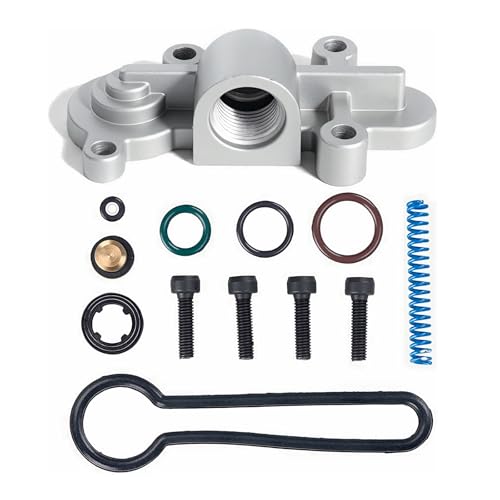
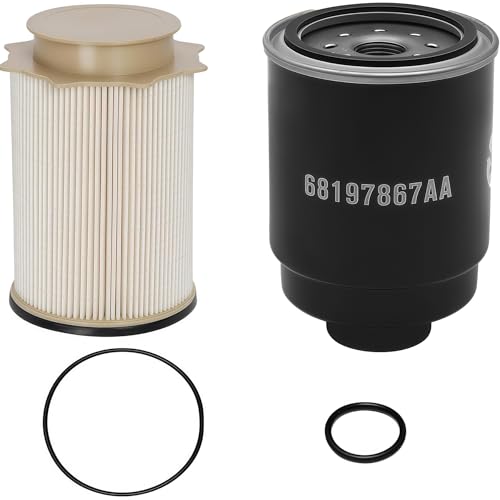

Identifying the 6.7 Cummins Fuel Pressure Regulator Location and Physical Specs
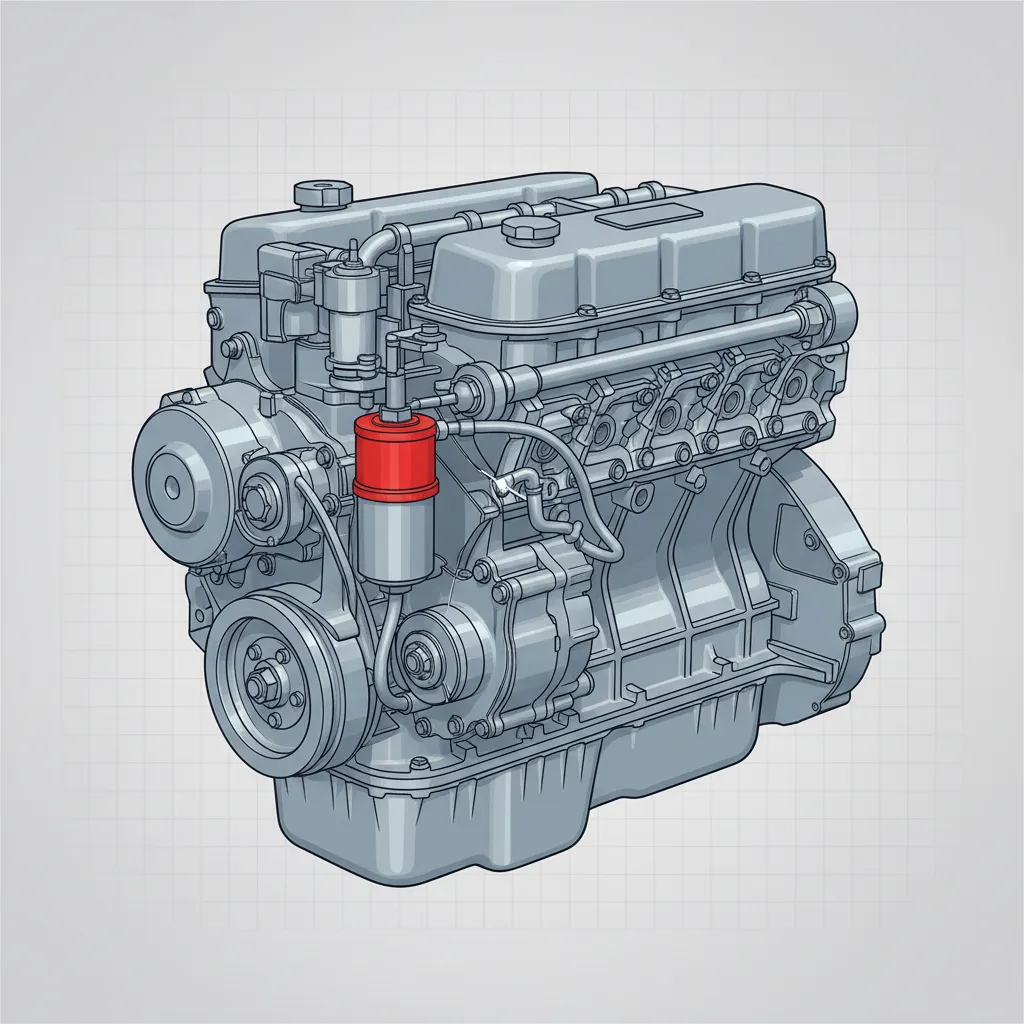
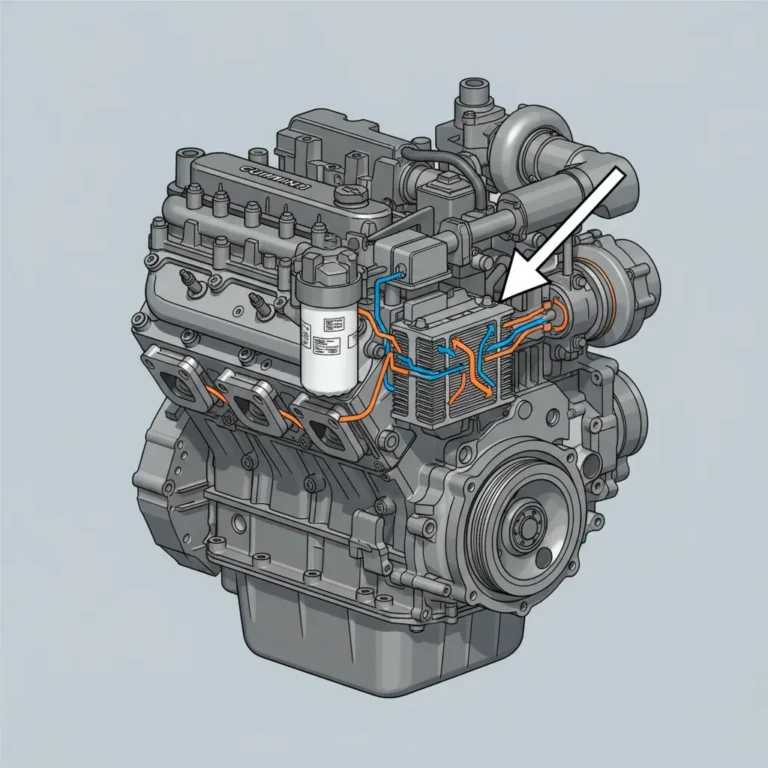
The 6.7 Cummins engine utilizes a sophisticated common-rail injection system where pressure management is paramount. While many owners search for the regulator directly on the fuel rail, the primary component responsible for pressure regulation—technically known as the Fuel Control Actuator (FCA) or MPROP—is actually located on the back of the high-pressure fuel pump. Depending on your model year, this will be either the Bosch CP3 pump (2007.5–2018) or the CP4.2 pump (2019–present).
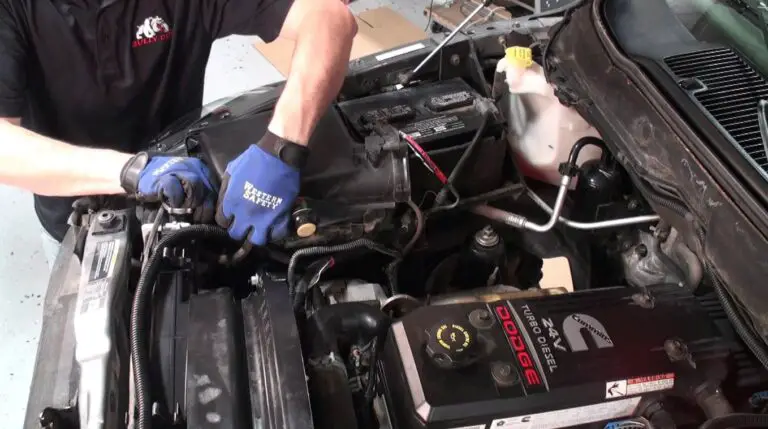
To find the regulator, locate the high-pressure pump on the driver’s side of the engine block. It is situated below the intake horn and behind the cooling fan area. The regulator itself is a cylindrical metal component held in place by three Torx or Allen bolts and features a distinct two-pin electrical connector that bridges it to the Engine Control Module (ECM). For those performing a DIY inspection nearby in their home garage, the regulator is often obscured by high-pressure fuel lines and the intake assembly, making it accessible only with a bit of patience and the right extensions.
Don’t confuse the fuel pressure regulator with the fuel pressure sensor. The sensor is located on the fuel rail itself, usually toward the front or middle, while the regulator/actuator is always mounted on the high-pressure pump at the rear of the timing gear housing.
Research indicates that approximately 15% of 6.7 Cummins owners report fuel system issues before reaching the 100,000-mile mark. Knowing this location is essential for early intervention, as identifying a loose connector or a leaking seal can save the high-pressure pump from catastrophic failure. For the 2019+ models, the CP4.2 pump configuration places the regulator in a slightly more convenient upward-facing position, though it remains tight against the engine block valley.
Understanding the Role of the Fuel Pressure Regulator in Common Rail Systems
The fuel pressure regulator acts as the “gatekeeper” for the high-pressure side of the Cummins fuel system. Its primary role is to modulate the volume of fuel that the CP3 or CP4.2 pump is allowed to compress into the fuel rail. By restricting or increasing the flow at the inlet side of the pump, the regulator maintains a constant fuel pressure relative to the engine’s current load and throttle position.
This component is controlled via Pulse Width Modulation (PWM) signals from the ECM. The ECM monitors the actual pressure via the rail sensor and adjusts the regulator’s solenoid to match the “desired” pressure. Fuel pressure specifications for a healthy 6.7 Cummins engine generally stay within the 5,000 to 26,000 PSI range. At idle, the pressure is lower to reduce noise and emissions, while under wide-open throttle, the regulator allows maximum flow to meet the massive fueling demands of the 6.7L displacement.
Pressure Stability
Ensures the rail stays at the target PSI, preventing erratic engine behavior.

Injector Protection
Prevents over-pressurization that can crack injector nozzles or blow seals.
If the regulator fails to provide a precise volume of fuel, atomization suffers. Incorrect fuel pressure can damage injectors and other components of the fuel system rapidly. High-quality replacements, such as those found through official guide resources, are necessary to maintain these tight tolerances. For enthusiasts serving their own vehicles, some aftermarket fuel pressure regulators offer adjustable pressure settings, though these should only be used in specific performance applications.

Critical Symptoms of a Failing Regulator in Your Community Vehicles
Recognizing the symptoms of a failing regulator can prevent you from being stranded on the side of the road. In the diesel community, owners often describe a failing regulator as making the truck feel “unpredictable.” Because the regulator controls the very lifeblood of the engine, its failure manifests in several distinct ways:
- Hard Starting or Long Cranks: If the regulator cannot seal properly or stay in the correct position during startup, the pump may struggle to build the minimum 3,500–5,000 PSI required for the ECM to trigger the injectors.
- Rough or “Lopey” Idle: A classic sign is a surging idle, where the RPMs fluctuate rhythmically. This happens because the regulator is hunting for the correct pressure but overshooting or undershooting the target.
- P0087 Diagnostic Code: This code signifies “Fuel Rail Pressure Too Low.” According to data from the expert tips shared on Cummins Forum, about 60% of members who replaced their regulator did so to address this specific low-pressure issue.
- Limp Mode: Under heavy load, such as towing a trailer through the local hills, a faulty regulator may fail to keep up with demand, causing the truck to drop into a reduced power state to protect the engine.
By The Numbers
Owners with early issues
Replaced for low pressure
Max Allowable Variance
Imagine you are stopped at a traffic light in your community and the truck begins to surge forward or the engine sound changes from a smooth hum to a clattering “lope.” These are the immediate real-world signs that the regulator’s internal solenoid is sticking or failing to respond to the ECM’s PWM signals. In extreme cases, a regulator failed in the “full open” position can cause excessive smoke and potential engine runaway conditions, though the modern 6.7 ECM is usually quick to shut the system down before this occurs.
Step-by-Step Replacement Guide for the Fuel Pressure Regulator
Replacing the fuel pressure regulator is a job that requires surgical cleanliness. The tolerances inside the Bosch high-pressure pump are measured in microns; a single grain of sand can ruin the pump and the injectors. If you are available for a few hours of focused work, follow this protocol to ensure a successful installation.
📋
Step-by-Step Guide
Disconnect negative battery cables. Relieve fuel pressure by opening the fuel tank cap and using a scan tool to command the pump off. Clean the pump area meticulously with brake cleaner and compressed air.
Unplug the electrical connector. Use a T25 or T27 Torx bit to remove the three mounting bolts. Carefully pull the regulator straight out. Ensure the old O-rings are removed and not stuck inside the pump housing.
Lubricate the new regulator O-rings with clean diesel fuel. Seat the regulator by hand to avoid pinching seals. Torque the bolts to 62 in-lbs (7 Nm). Over-torquing can distort the pump housing or cause leaks.
Never attempt to remove the regulator while the engine is running or immediately after shutdown. Common rail systems retain high pressure for several minutes, which can cause severe injury or fuel injection into the skin.
After the hardware is secured, you must prime the system. Cycle the ignition to the “Run” position (without cranking) for 30 seconds, repeating this 3–5 times. This allows the lift pump to push air out of the lines and back into the tank. When the truck starts, check for any external fuel leaks around the regulator base immediately.
Testing Procedures and Professional Services Available Nearby
Before condemning a regulator, it is wise to verify its failure using diagnostic tools. A high-end scan tool can monitor “Desired vs. Actual” rail pressure in real-time. On a healthy 6.7 Cummins, these two values should mirror each other closely. A variance of more than 500 PSI at a steady idle usually indicates a regulator fault or an internal leak in the pump or injectors.
Professional diagnostic services are often available for residents serving the diesel community who may not have the specialized software to run these tests. These experts can perform a “click test,” which manually cycles the regulator solenoid to check for mechanical sticking. Furthermore, they can perform a return flow test to ensure that the low pressure isn’t actually caused by a “blown” injector returning too much fuel to the tank, which mimics regulator failure.
✅ Pros of OEM Regulators
- Bosch/Mopar precision engineering
- Guaranteed 50,000+ mile longevity
- Correct PWM signal calibration
- Micron-level debris filtering
❌ Cons of Cheap Aftermarket
- Erratic pressure at idle
- Higher risk of internal sticking
- Poor O-ring material quality
- Short 12-month life expectancy
Always prioritize high-quality replacement parts. The Bosch 6.7 Cummins regulator is a precision-engineered component with tolerances that cannot be matched by budget-tier alternatives. Choosing a trusted local supplier for your parts ensures that you are getting genuine Bosch components rather than counterfeit lookalikes often found on large marketplace websites. After replacing the regulator, if pressure fluctuations persist, the next logical step is inspecting the fuel filters for clogs or testing the lift pump’s supply pressure.
In summary, the fuel pressure regulator is located at the rear of the fuel rail (mounted on the pump) and is vital for maintaining the 5,000-26,000 PSI required for operation. Recognizing symptoms like surging or low rail pressure early can prevent a total fuel system collapse. Proper installation, extreme cleanliness, and correct torque are the most critical factors when replacing this sensitive common-rail component. If you are experiencing fuel system issues, inspect your regulator today or contact a local diesel specialist serving your community for a professional diagnostic scan.
Frequently Asked Questions
What is the correct fuel pressure for my 6.7 Cummins?
A healthy 6.7 Cummins typically operates between 5,000 PSI at idle and roughly 26,000 PSI under maximum load. These values are determined by the ECM and regulated by the fuel pressure regulator (FCA). If your actual pressure deviates significantly from the ‘desired’ pressure on a scan tool, it often indicates a regulator or pump failure.
How do I test the fuel pressure regulator on my 6.7 Cummins?
The most effective test is using a diagnostic scanner to compare ‘Desired Rail Pressure’ against ‘Actual Rail Pressure.’ If the actual pressure is erratic or cannot reach the desired levels, the regulator may be failing. You can also perform a resistance test on the regulator’s solenoid; it should typically read between 1.5 and 5.0 ohms depending on the year.
What are the symptoms of a bad fuel pressure regulator on a 6.7 Cummins?
Common symptoms include an unstable or surging idle, hard starting (long crank times), and a sudden loss of power during acceleration. Many owners also report a ‘rattle’ or ‘knock’ sound caused by pressure spikes, alongside diagnostic codes such as P0087 or P000F, which indicate fuel pressure relief valve activation or low rail pressure.
How difficult is it to replace the fuel pressure regulator on a 6.7 Cummins?
Replacing the regulator is considered a moderate DIY task. The most challenging aspect is the location at the rear of the engine, which offers limited visibility and tight clearances. You will need basic hand tools, including Torx bits, and must ensure absolute cleanliness to prevent contaminants from entering the high-pressure fuel system during the swap.
Where can I buy a replacement fuel pressure regulator for my 6.7 Cummins?
High-quality replacements are available at local diesel performance shops and specialized parts retailers nearby. It is highly recommended to use an OEM Bosch regulator, as the common-rail system is extremely sensitive to the tolerances and build quality of the fuel pressure actuator. Check for availability at local vendors serving the diesel community to ensure a genuine part.
![Cummins Grid Heater Bolt: Specs & Fitment Guide [2026]](https://truckguider.com/wp-content/uploads/2026/03/cummins-grid-heater-bolt-featured.webp)

![6.7 Cummins Life Expectancy [2026]](https://truckguider.com/wp-content/uploads/2026/03/featured-17f2d286-768x768.webp)
![Aisin vs. 68RFE: Specs & Fitment Guide [2026]](https://truckguider.com/wp-content/uploads/2026/03/aisin-transmission-ram-3500-featured.webp)