6.7 Cummins Grid Heater Location And Maintenance Guide

When the temperature drops and your 6.7 Cummins struggles to fire up, the culprit is often hiding just out of plain sight within your intake system. The 6.7 Cummins grid heater is a critical component for cold-weather operation, yet many owners are unaware of its precise location, how to maintain it, or the catastrophic risks associated with its failure. This guide provides a detailed breakdown of the 6.7 Cummins grid heater location, explains its vital role in engine health, and offers expert troubleshooting steps to ensure your diesel stays reliable regardless of the weather. As a seasoned industry professional, I have seen how a simple maintenance oversight in this area can lead to thousands of dollars in repairs.



Identifying the Precise 6.7 Cummins Grid Heater Location
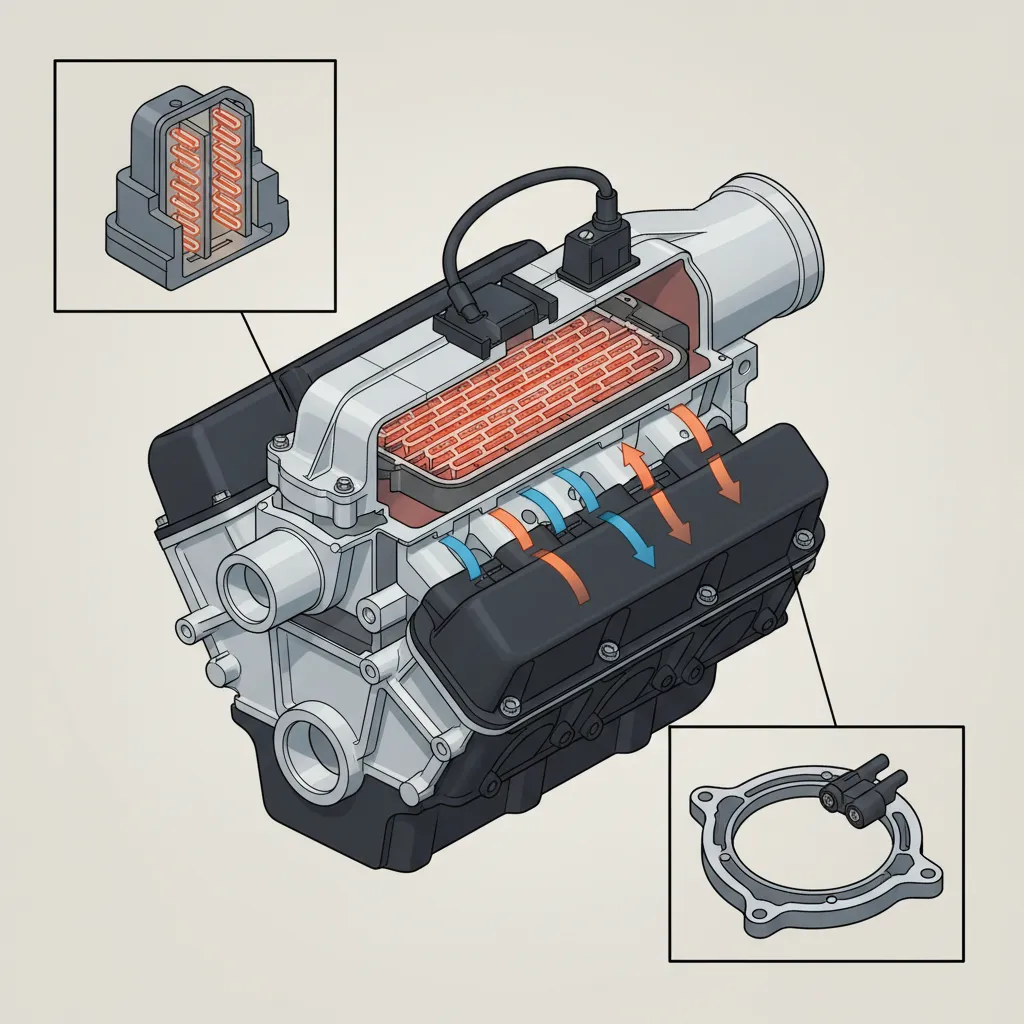
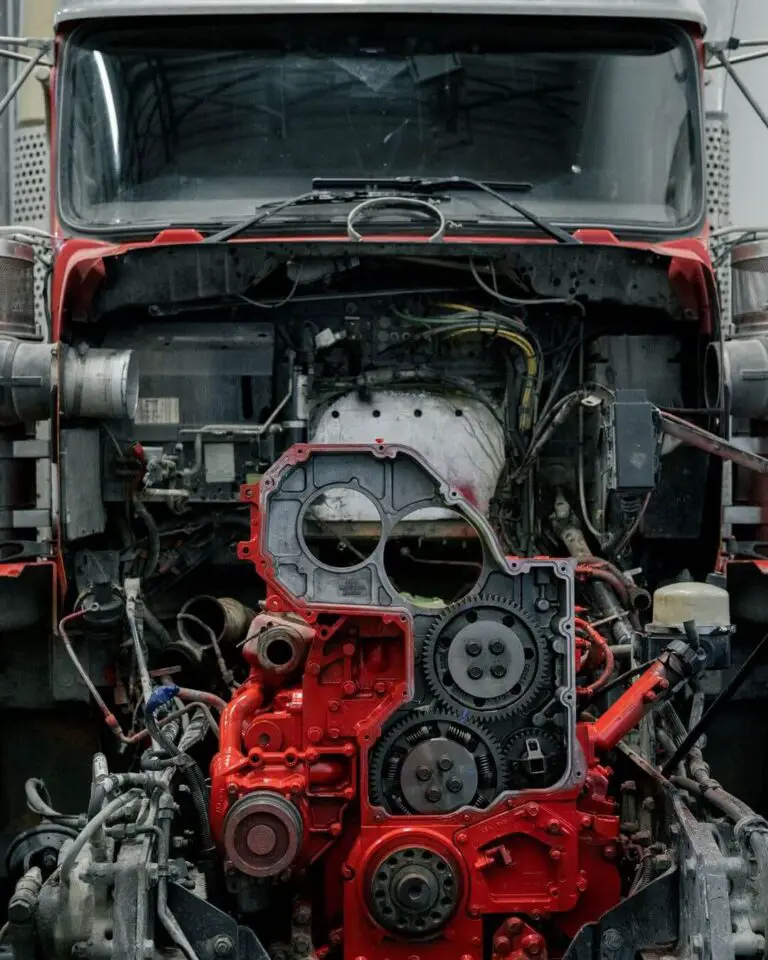
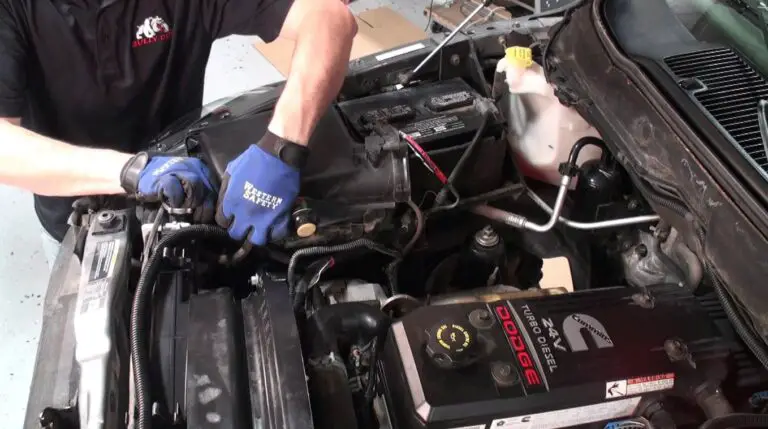
To the uninitiated, the 6.7L Cummins engine bay can look like a labyrinth of hoses and wires. However, finding the grid heater is straightforward once you know the primary landmarks. The grid heater is situated on the driver’s side of the engine. Specifically, it is sandwiched directly between the intake manifold (often referred to as the “intake horn” or “S-pipe”) and the cylinder head plenum. Unlike glow plugs that are threaded into each individual cylinder, the Cummins uses this single, centralized heating element to warm the air for the entire engine.
Visual Identification Landmarks
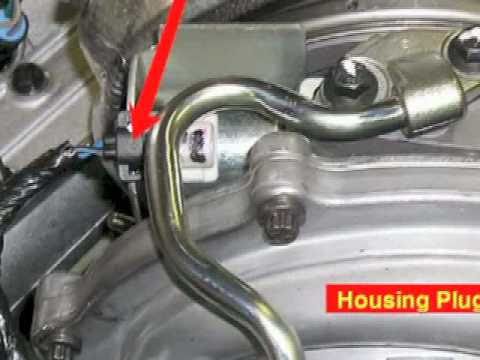
When you open the hood, look for the thick, high-amperage electrical cable—usually red or black with heavy-duty insulation—that terminates at a large stud on the side of the intake tract. This stud is held by a nut and is the primary power source for the heater elements. The heater itself is a rectangular assembly containing resistive mesh elements that span the intake air passage. To get a clear look at it, you would need to consult an official guide for your specific model year, as minor bracketry might differ.
Nearby landmarks include the high-pressure fuel rail, which sits just above the plenum, and the EGR crossover tube assembly, which often obscures the rear portion of the intake horn. On the 6.7L platform, the presence of the EGR (Exhaust Gas Recirculation) system makes this location slightly more congested than the older 5.9L engines. In the older 5.9L models, the intake horn was more accessible because it lacked the complex emissions plumbing that the 6.7L requires.
The grid heater requires a massive amount of power, often drawing over 100 to 150 amps during its peak operation. Always ensure your batteries are in peak condition; a weak battery will often fail to provide enough current for both the grid heater and the starter motor simultaneously.
Functional Operation and Cold Start Performance
The grid heater is not merely a convenience feature; it is a fundamental part of the combustion cycle in cold environments. Diesel engines rely on the heat of compression to ignite fuel. In cold weather, the cylinder walls and incoming air are so cold that compression alone may not reach the auto-ignition temperature of diesel fuel. This is where the grid heater excels by warming the entire volume of incoming air before it reaches the cylinders.
The Role of the ECM and ‘Wait to Start’
The engine’s Engine Control Module (ECM) acts as the brain of the operation. Using input from the ambient air temperature and coolant temperature sensors, the ECM determines exactly how long the heater needs to run. You interface with this system through the “Wait to Start” indicator on your dashboard. When this light is on, the grid heater elements are glowing red hot, pre-heating the intake plenum. Ignoring this light in sub-zero temperatures often leads to “no-start” conditions or excessive white smoke, which is simply unburned fuel being pushed through the exhaust.
For more detailed technical specifications, you can refer to Ram specs provided by the manufacturer. Beyond the initial start, the heater often performs “post-heating” cycles. Even after the engine is running, the ECM may pulse the heater to ensure the air remains warm enough for complete combustion until the engine block reaches a stable operating temperature. This reduces emissions and prevents the “stumbling” idle often associated with cold diesel engines.


By The Numbers
Threshold for Difficult Starts
Cold Start Issues Due to Heater Failure
Typical Peak Amperage Draw

Common Failures and Troubleshooting the Heating System
As these trucks age, the grid heater system can develop several faults. Some are minor inconveniences, while others are “engine killers.” In my 15 years of working with Cummins platforms, the most notorious issue is the “Jiggle Nut” failure. This occurs when the nut holding the electrical terminal to the heating element vibrates loose over time. If that nut or the stud falls into the intake manifold, it is sucked directly into the cylinders, often resulting in catastrophic piston and valve damage.
If you notice your grid heater terminal is loose or if you see signs of “arcing” (black soot or melted plastic) around the power stud, do not drive the vehicle. A loose terminal can drop metal debris directly into your engine’s intake valves.
📋
Step-by-Step Diagnostic Guide
The 6.7 Cummins typically has two grid heater relays located on the passenger side fender or under the battery tray. Have an assistant turn the key while you listen for an audible ‘click’. If no click is heard, the relay or the ECM signal is dead.
Using a multimeter, check for continuity between the main power stud and the engine block. A lack of continuity indicates a burned-out heating element mesh which requires full replacement of the unit.
Trace the thick power wires back to the battery. You will find fusible links that can melt if the heater shorts out. If these links are soft or charred, power will never reach the heater.
Professional Service Available in Your Community
While many Cummins owners enjoy DIY maintenance, the grid heater and intake plenum require a nuanced touch. If you are not comfortable managing the specialized torque sequences required to prevent air leaks in the intake tract, finding a diesel specialist nearby is your best course of action. A trusted local shop will have the tools to perform a smoke test after reassembly, ensuring that no boost leaks were created during the process.


The diesel community is vast, and many shops serving the heavy-duty market are well-aware of the 6.7L’s specific needs. For instance, in colder climates like the Midwest or Canada, mobile mechanics are often available to come to your location if your truck fails to start in a driveway. These professionals often carry replacement relays and high-temp gaskets as standard truck stock. For more troubleshooting advice, you can browse expert tips from long-time owners who have dealt with these exact scenarios.
Choosing a convenient and accessible repair facility that understands the interaction between the EGR system and the grid heater is paramount. On the 6.7L Cummins, the grid heater is often coated in a thick layer of soot from the EGR system, which can actually insulate the heating elements and reduce their efficiency. A professional cleaning during a grid heater inspection can significantly improve cold-start performance without needing new parts.
Grid Heater Deletion and Aftermarket Upgrades
In the performance world, the grid heater is often viewed as a restriction. Because the heating element is a mesh that sits directly in the path of incoming air, it creates turbulence and reduces total CFM (Cubic Feet per Minute). This has led to the popularity of the “Grid Heater Delete.” This modification replaces the heater assembly with a hollow spacer plate, effectively smoothing the airflow into the engine.
Airflow vs. Reliability
Research and dyno testing have shown that OEM grid heater plates can restrict airflow by up to 20% compared to high-flow aftermarket spacer plates. For those seeking maximum horsepower or lower Exhaust Gas Temperatures (EGTs), a delete is tempting. However, it comes with a major caveat: without the heater, starting the truck in weather below 20°F becomes incredibly difficult. If you live in a warm climate, a delete might be viable, but for most daily drivers, an aftermarket upgrade is a better middle ground.
✅ Pros of Upgrading
- Eliminates the “engine killer” bolt failure risk.
- Maintains cold-weather reliability.
- Improves throttle response by reducing turbulence.
- Often features higher-quality electrical connections.
❌ Cons of Deleting
- Severe “no-start” issues in winter.
- Increased white smoke and rough idle on startup.
- Potential emissions compliance issues.
- Increased strain on the starter and batteries.
Products like the Banks Monster Ram intake manifold are excellent solutions for the 6.7 Cummins. They relocate the heating element and use a side-mount terminal that completely removes the risk of a nut falling into the engine. While the initial investment is higher than a simple delete plate, the peace of mind and performance gains make it the preferred choice for professional diesel tuners.
The 6.7 Cummins grid heater is located under the intake horn and is essential for reliable starts below 20°F. Routine inspection of the heater terminal and relays can prevent 30% of common cold-starting issues and protect your engine from terminal debris failure. While aftermarket deletes exist to improve airflow, keeping a functioning heater is vital for most daily drivers in cold climates. If you suspect your grid heater is failing, consult with a nearby diesel specialist today to prevent potential engine damage and ensure your truck is ready for the winter season.
Frequently Asked Questions
Where exactly is the grid heater located on a 6.7 Cummins?
The grid heater is located on the driver’s side of the engine, directly beneath the intake air horn. It is positioned between the intake manifold and the cylinder head plenum. You can identify it by the heavy-gauge electrical wire connected to a single stud on the side of the intake tract.
How does the grid heater work?
The grid heater functions as a large electric toaster-style element. When the key is turned to the ‘on’ position in cold weather, the ECM activates relays that send high-amperage current to the heating mesh. This warms the air passing into the cylinders, facilitating compression ignition in cold conditions.
What are the symptoms of a bad grid heater?
Common symptoms include extended cranking times during cold starts, excessive white smoke from the exhaust immediately after starting, a ‘Wait to Start’ light that doesn’t illuminate or stays on too long, and engine codes P0541 or P0542 indicating low or high voltage at the heater circuit.
How do I test the grid heater?
You can test the heater by using a multimeter to check for continuity across the heating element (with the power wire disconnected). Additionally, check for 12V at the heater stud while an assistant cycles the ignition. If voltage is present but the element doesn’t get warm, the grid itself is likely burned out.
Can I delete or bypass the grid heater?
Yes, many owners install a grid heater delete plate to improve airflow and eliminate the risk of the heater nut falling into the engine. However, this is only recommended for trucks in warmer climates, as it will make starting extremely difficult in temperatures below freezing and may impact emissions compliance.