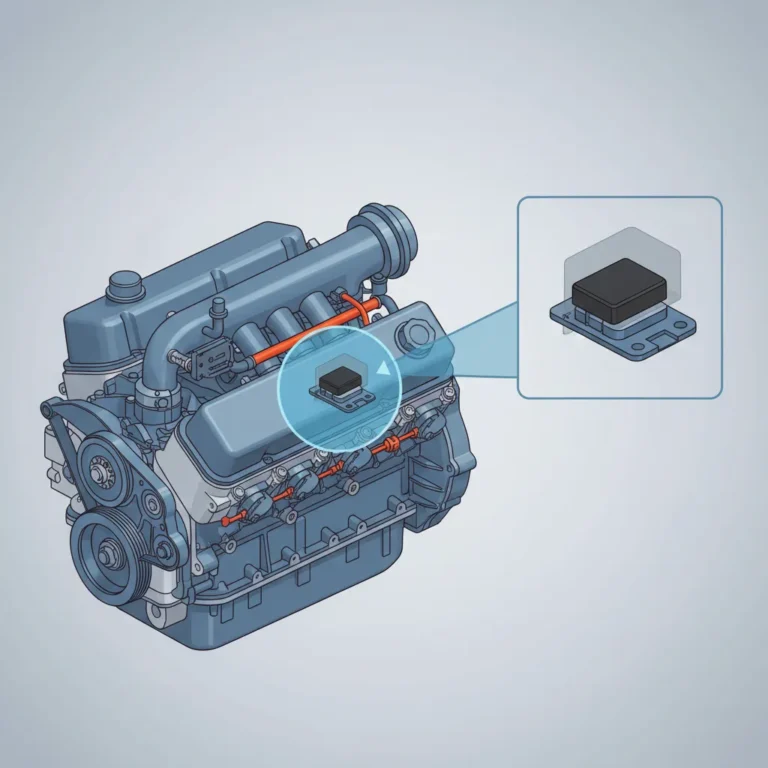
6.7 Cummins Intake Air Temp Sensor Location And Diagnostic Guide

For owners of the 6.7 Cummins turbo diesel, precision is the difference between a truck that tows 30,000 pounds effortlessly and one that struggles at the first sign of a hill. Identifying the exact location of the Intake Air Temperature (IAT) sensor is often the first hurdle when dealing with mysterious power losses, dropping fuel economy, or frustrating ‘Check Engine’ lights. Because this engine relies so heavily on precise thermal data to manage boost and fueling, a single malfunctioning sensor can cripple your performance. This guide provides the definitive 6.7 Cummins intake air temp sensor location for various model years, explains its critical role in your engine’s ECU logic, and offers expert troubleshooting steps to restore your performance.


Identifying the 6.7 Cummins Intake Air Temp Sensor Location on Stock Engines
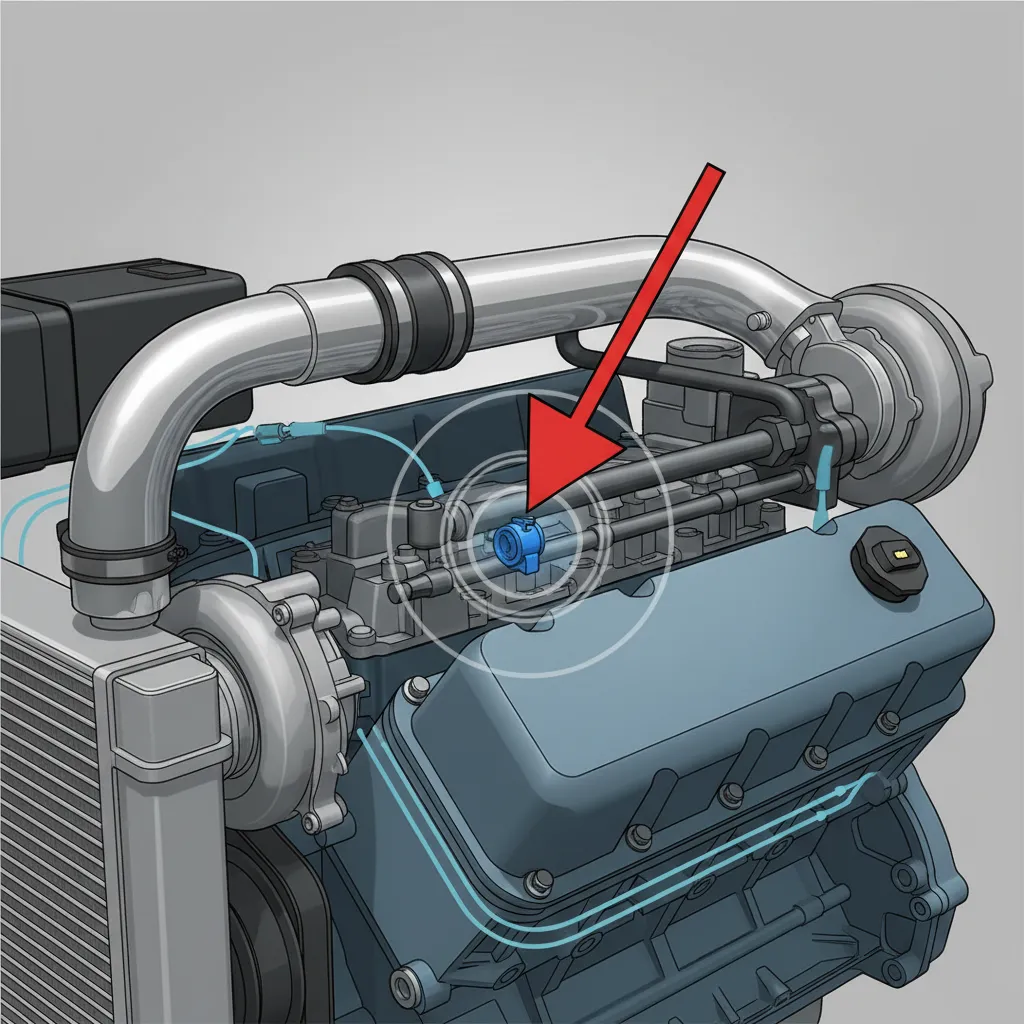
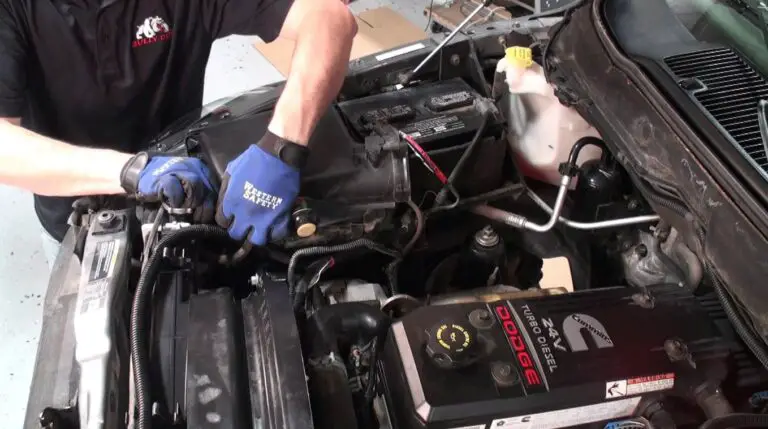
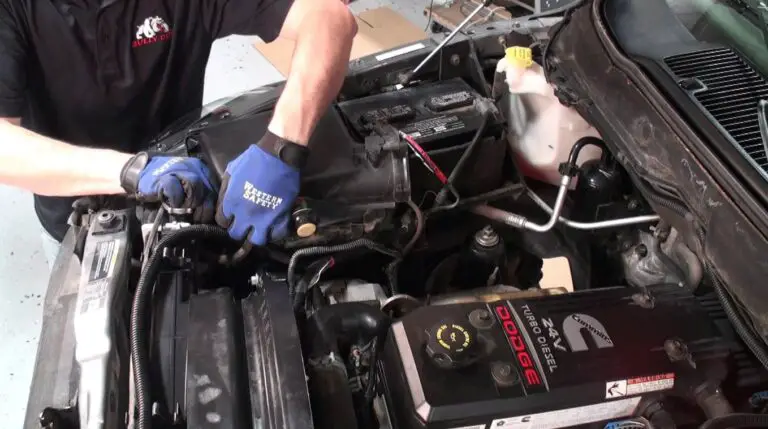
Locating the Intake Air Temperature (IAT) sensor on a stock 6.7 Cummins requires a basic understanding of the air induction path. On the majority of these engines, the engine control unit (ECU) actually monitors air temperature at two distinct points. However, the most critical sensor—often referred to as the IAT2 or the TMAP sensor—is situated on the driver’s side of the engine block, right where the air transition from the intercooler into the cylinders occurs.
For most 2007.5 through 2018 Ram models, you will find the IAT sensor integrated with the Manifold Absolute Pressure (MAP) sensor. It is positioned on the back side of the intake plate, tucked closely toward the firewall. This location is chosen by engineers because it provides the most accurate “final” temperature of the air just before it enters the combustion chamber. In the 2019 and newer redesigns, while the intake horn architecture remains similar, the sensor housing and wiring harness routing have been streamlined to be more accessible during routine maintenance, though the physical coordinates remain on the high-pressure side of the induction system.
Distinguishing Between IAT1 and IAT2
It is vital to distinguish between the two sensors to avoid diagnosing the wrong component. The IAT1 is typically located near the air filter box, often integrated into the Mass Air Flow (MAF) sensor. This sensor measures the ambient air temperature before it has been compressed by the turbo. The “real” IAT sensor (IAT2), which we are focusing on, is the one located in the intake horn. This sensor is designed to operate within a temperature range of -40°F to 250°F (-40°C to 121°C) to accommodate both sub-zero cold starts and the high-boost operating conditions of a heavy-duty diesel.
If you have installed a “grid heater delete” or an aftermarket spacer, your sensor may have been moved slightly. Always trace the wiring harness leading to the driver’s side intake plate to confirm the current location.
The Role of IAT Data in 6.7 Cummins Performance and Fuel Economy
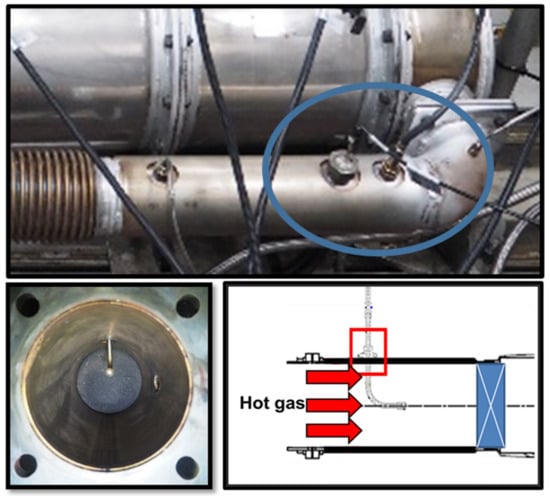
The 6.7 Cummins is a masterpiece of electronic management, and the IAT sensor is one of its most important “eyes.” The ECU uses the data from this sensor to perform complex air density calculations. Because cold air is denser than hot air, the ECU must know the exact temperature to determine the precise volume of oxygen available for combustion. This directly dictates the fuel injection timing and the pulse width of the injectors. If the sensor reports that the air is cooler than it actually is, the ECU may over-inject fuel, leading to excessive soot and wasted money at the pump.
Research indicates that a malfunctioning IAT sensor can decrease fuel economy by up to 10% due to inefficient combustion cycles and improper air-to-fuel ratios. Beyond just fuel, the IAT sensor plays a massive role in managing the Variable Geometry Turbocharger (VGT). By monitoring temperatures, the ECU can adjust the VGT vanes to either increase boost or protect the turbo from heat-related damage. For those who use their trucks for heavy towing, the sensor helps manage “heat soak”—a condition where the intercooler cannot keep up with the heat generated by the turbo under high load.
Furthermore, this sensor is a key player in the emissions system. It helps the ECU determine the correct flow of Exhaust Gas Recirculation (EGR) and manages the diesel particulate filter (DPF) regeneration cycles. If the IAT reading is erratic, the truck may enter “limp mode” or initiate more frequent regenerations than necessary, significantly shortening the life of the aftertreatment system. You can find more technical data on these cycles in the official guide provided by the manufacturer.


By The Numbers
Potential Fuel Economy Loss
Sensor Range (°F)
Air Density Variance
Finding Specialized Diesel Diagnostic Services Nearby and Within Your Community
While many IAT issues can be handled in a home garage, there are times when professional diagnostic tools are required. Finding a trusted local diesel technician who has access to Cummins-specific software like “Insite” is invaluable. These tools allow the technician to view “live data” streams, seeing exactly what the ECU sees in real-time. This is often more effective than simply reading trouble codes, as it can catch a sensor that is “lazy” (slow to respond) but hasn’t yet failed enough to trip a light.
Leveraging your local trucking community is one of the best ways to find reliable service. Owners of heavy-duty pickups often congregate in online forums and local groups to share recommendations for shops serving their immediate area. Statistics show that over 65% of diesel owners prefer local independent shops for sensor-related issues over large dealerships due to their specialized knowledge of high-mileage Cummins platforms. These shops are usually more convenient and offer a more personalized approach to troubleshooting common platform quirks.
When sourcing parts, always prioritize available genuine Mopar or Cummins Fleetguard sensors. While local parts stores may have generic clones, the Cummins fuel system is notoriously sensitive to sensor resistance variances. For the correct part numbers and Ram specs, you can check the Ram specs portal. Localized environmental factors—such as the high altitude in mountainous regions or extreme humidity in coastal areas—may require more frequent sensor cleaning, a service that nearby mobile mechanics can often perform on-site.
Aftermarket Intake Systems and IAT Sensor Relocation Effects
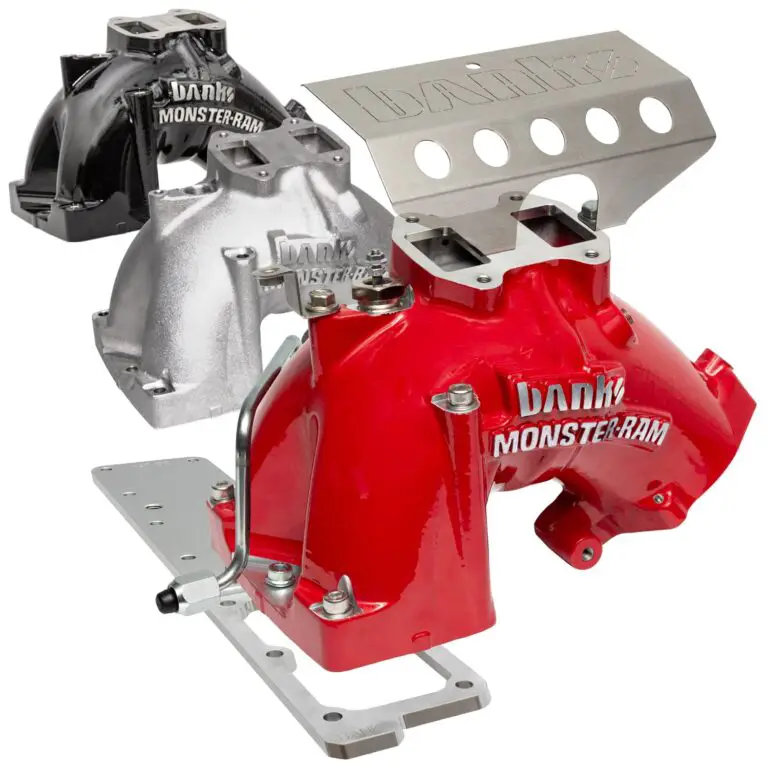
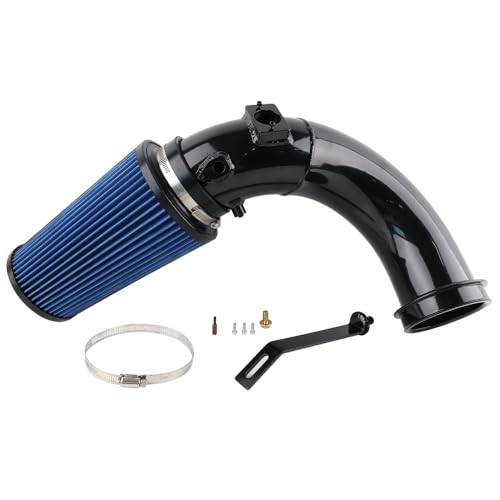
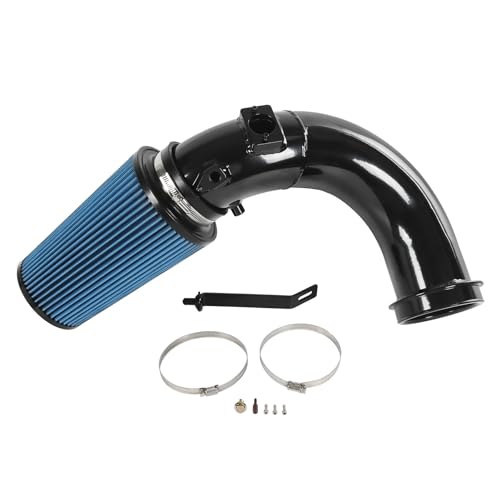
The aftermarket world loves the 6.7 Cummins, and many owners opt for high-flow intake horns or cold air intakes. When installing these systems, the IAT sensor location is often altered. For example, high-flow intake horns from brands like Banks or S&B provide dedicated ports for the IAT sensor to improve signal accuracy by placing it in a more laminar airflow path. However, some “relocation kits” are designed to move the sensor further away from the engine’s heat to trick the ECU into seeing cooler air, which can lead to increased fueling and power.
✅ Pros of Relocation
- Potentially cooler air readings
- Increased throttle response
- Easier access for cleaning
- Reduced heat soak impact
❌ Cons of Relocation
- May require ECU recalibration
- Risk of “false” ambient readings
- Possible over-fueling issues
- Warranty concerns on new trucks
It is crucial to understand that relocating an IAT sensor can alter the ECU’s perceived air density by as much as 15%. This often necessitates a custom engine tune to prevent the engine from running too rich. If the sensor is placed in an area prone to turbulent airflow, the readings will jump sporadically, causing the engine to “hunt” for a stable idle or stumble during acceleration. Always ensure that any aftermarket setup maintains a secure, leak-free seal around the sensor to prevent boost leaks, which are a common byproduct of poor installation.
Troubleshooting Symptoms and Testing Your 6.7 Cummins IAT Sensor
When an IAT sensor begins to fail, the symptoms are often progressive. You might first notice a slight drop in fuel economy or a bit more black smoke than usual under load. As the sensor worsens, the truck may exhibit a rough idle or become difficult to start in cold weather. Common OBD-II trouble codes to watch for include P0112 (IAT Circuit Low Input) and P0113 (IAT Circuit High Input). For more community-driven expert tips on these codes, visit the expert tips forum where owners share real-world fixes.


📋
Diagnostic Step-by-Step
Check the wiring harness for signs of fraying or heat damage near the intake horn. Ensure the connector is clicked firmly into place.
The IAT is a thermistor. Set your multimeter to Ohms. Resistance should decrease as you apply a heat source (like a hair dryer) to the sensor tip.
Using an OBD scanner, compare the IAT reading to the Ambient Air Temp reading after the truck has sat overnight. They should be within 2-3 degrees of each other.
If you find that the sensor is covered in oily soot—common in trucks with active EGR systems—you can attempt to clean it. Use a specialized mass airflow sensor cleaner or an electronic contact cleaner. Avoid using aggressive solvents like brake cleaner, as these can degrade the sensitive thermistor coating and render the sensor useless.
Never touch the actual sensor bulb with your fingers or a brush. The oils from your skin or physical abrasion can cause the sensor to give inaccurate readings, leading to poor engine performance.
In summary, the 6.7 Cummins IAT sensor is typically located on the intake manifold or horn and is vital for fuel and timing adjustments. A malfunctioning sensor can cause a 10% drop in fuel efficiency and significant performance lag, especially during towing or extreme weather. Regular cleaning and accurate placement in aftermarket setups are essential for maintaining Cummins engine longevity and peak power output. If your IAT sensor is showing signs of failure, consult with a local diesel specialist nearby to ensure you get a genuine replacement that keeps your Cummins running at peak potential.
Frequently Asked Questions
Where is the IAT sensor located on my 6.7 Cummins?
On most 6.7 Cummins engines produced between 2007.5 and 2018, the IAT sensor is located on the driver’s side, integrated into the manifold pressure (MAP) sensor. It is typically found toward the rear of the intake plate, closer to the firewall. In some aftermarket or modified setups, it may be moved to the intake horn for easier access or better airflow readings.


How do I test my 6.7 Cummins IAT sensor?
You can test the IAT sensor using a multimeter set to the Ohms (resistance) setting. With the sensor removed, measure the resistance across the terminals while applying gentle heat (like a hairdryer). You should see the resistance decrease as the temperature rises. Additionally, using an OBD-II scanner to check if the IAT reading matches the ambient temperature after a cold soak is a highly effective diagnostic method.
What are the symptoms of a bad IAT sensor on a diesel engine?
Common symptoms include a significant drop in fuel economy, increased exhaust smoke, rough idling, and a decrease in overall engine power. Because the ECU uses this data to set fuel timing, an incorrect reading often causes the engine to run ‘rich’ or ‘lean,’ potentially leading to P0112 or P0113 trouble codes and failing emissions tests.
Can I relocate my IAT sensor to improve performance?
Yes, many owners in the diesel community relocate the IAT sensor when installing aftermarket intake horns or grid heater deletes. Relocation can provide a ‘cleaner’ signal by moving the sensor away from the turbulence of the grid heater. However, if you move it to a significantly cooler or hotter area without adjusting the engine tune, it may cause the ECU to miscalculate fuel delivery.
Will cleaning the IAT sensor fix performance issues?
If the sensor is covered in soot or oil—common in engines with active EGR systems—cleaning it with a dedicated electronics cleaner can often restore accuracy. However, if the internal thermistor has failed due to electrical shorts or age, cleaning will not help, and a full replacement with a high-quality Cummins or Mopar sensor is the only reliable solution.