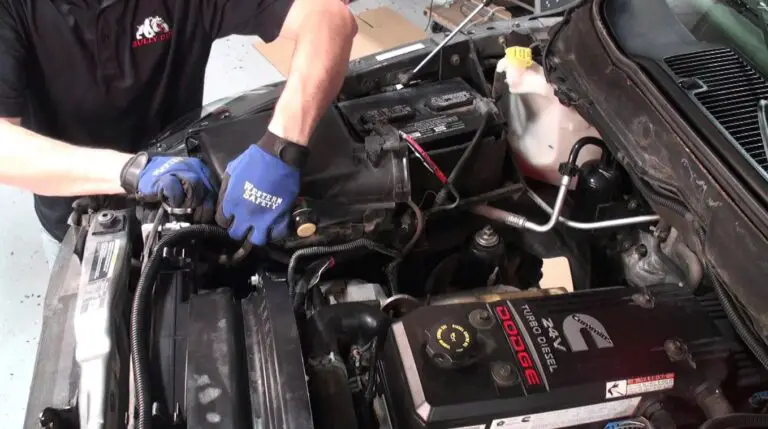
6.7 Cummins Transmission Dipstick Location: Identification And Fluid Check Guide

For the owner of a 6.7 Cummins diesel, the transmission is the backbone of the vehicle’s towing capability, yet its most vital maintenance point—the dipstick—is often hidden in a crowded engine bay. Locating and properly reading the transmission dipstick can be confusing due to variations between the 68RFE and Aisin transmissions, leading many owners to neglect fluid checks or perform them incorrectly. This lack of oversight can result in premature wear or catastrophic failure under heavy loads. In this guide, you will learn the exact location of the transmission dipstick for all 6.7 Cummins models, the technical steps to check your fluid levels accurately, and how to handle newer models that lack a traditional dipstick, ensuring your powertrain remains reliable for hundreds of thousands of miles.



Section 1: Identifying the 6.7 Cummins Transmission Dipstick Location in the Engine Bay
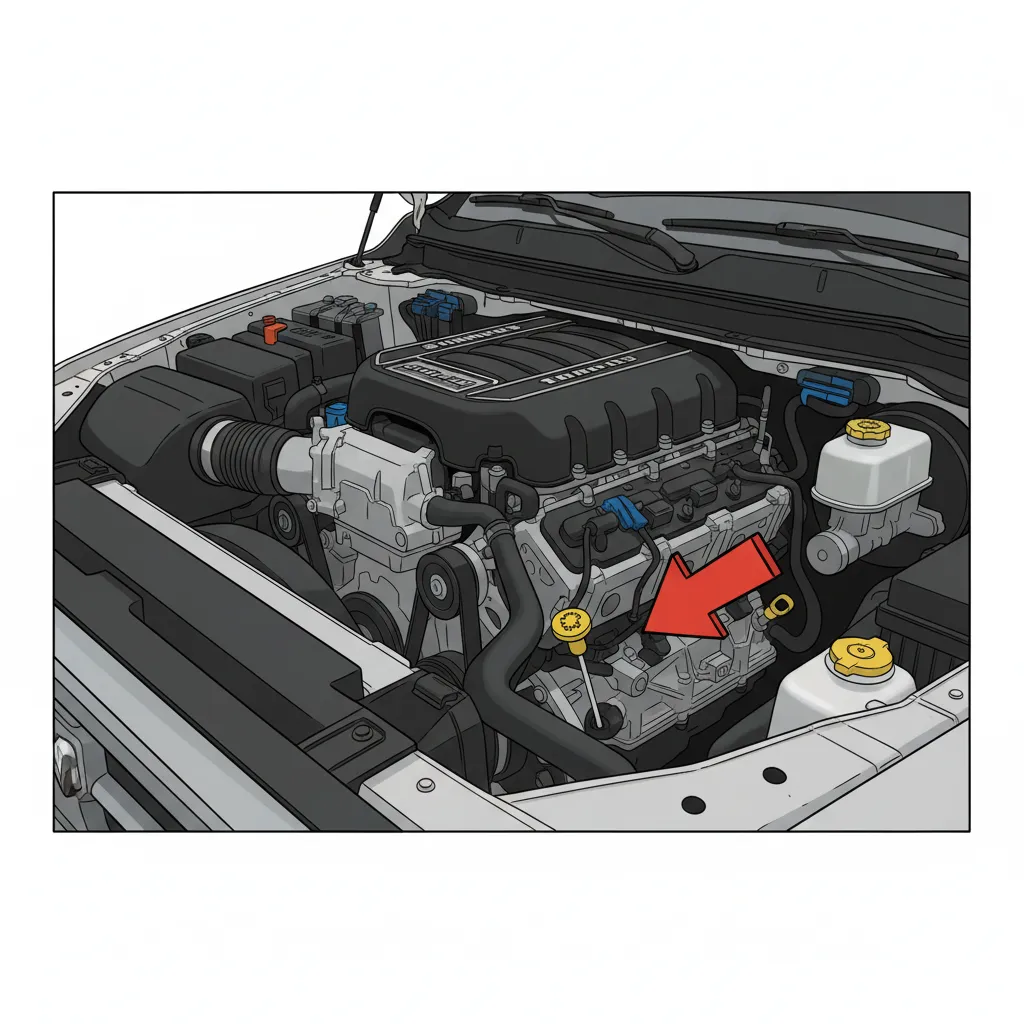
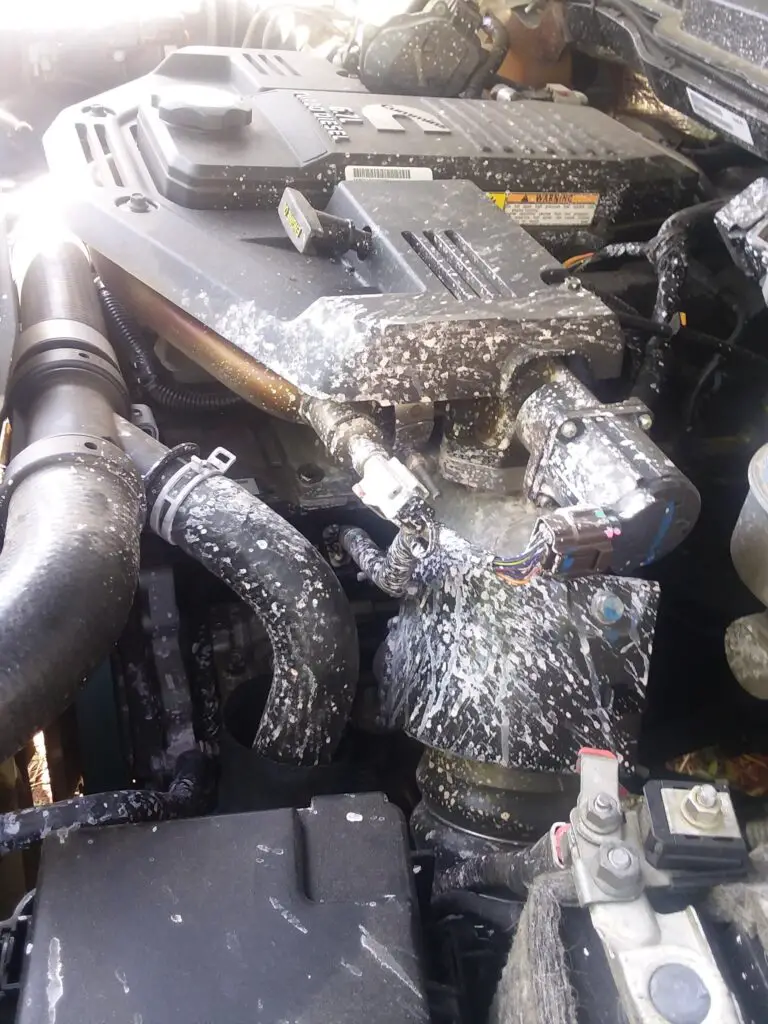
Locating the transmission dipstick on a 6.7L Cummins-powered Ram truck requires knowing exactly where to look amidst a sea of cooling lines, intake ducting, and electrical harnesses. The primary location for the transmission dipstick is at the rear of the engine bay, situated on the passenger side (right-hand side) of the vehicle. Unlike the engine oil dipstick, which is positioned further forward and typically on the driver’s side, the transmission tube is routed specifically to reach the top of the transmission bellhousing.
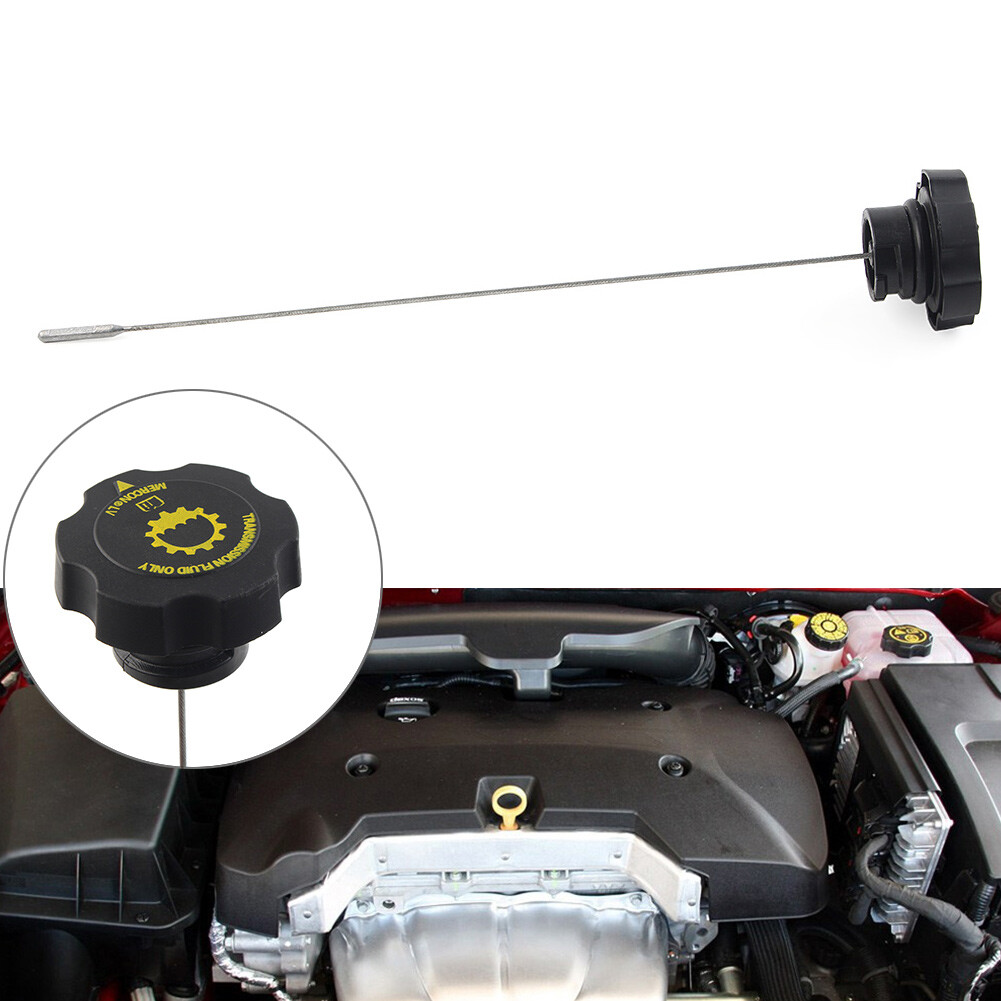
When you open the hood, focus your attention on the space between the engine block and the firewall. You are looking for a long, thin tube that terminates in a handle—most 6.7 Cummins trucks feature a handle that is bright yellow or orange for high visibility. This color coding is an industry standard designed to help owners and technicians quickly distinguish transmission fluid from engine oil or coolant. In many heavy-duty Ram 2500 and 3500 models, the handle also includes a locking tab. This tab is a critical safety feature; it prevents the dipstick from unseating itself due to internal pressure or vibration during high-torque towing scenarios.
Accessing the handle can be a physical challenge depending on your truck’s specific configuration. In a 2012 Ram 2500, the layout is relatively open, but in a 2022 high-output chassis cab, the engine bay is significantly more densely packed. You may need to reach past the large air intake components or auxiliary cooling lines to get a firm grip on the handle. Research indicates that the dipstick tube length can exceed 3 feet in certain 4×4 configurations. This length is necessary to clear the taller suspension components and the transfer case, allowing the dipstick to reach the deep pan of the 68RFE or Aisin units while remaining accessible from the top of the engine bay. For official positioning, always refer to the Ram specs provided in your user manual.
Section 2: 68RFE vs. AS69RC: Transmission Type and Model Year Variations
Understanding which transmission is paired with your 6.7 Cummins is essential because the hardware and the fluid requirements differ substantially. Most Ram 2500 trucks utilize the 68RFE, a Chrysler-designed six-speed automatic. This unit features a traditional dipstick located near the passenger-side firewall. Conversely, the Aisin AS69RC—found in Ram 3500 High Output models and Chassis Cabs—utilizes a slightly different tube routing and a more robust, heavy-duty locking mechanism on the dipstick handle to handle the higher pressures generated by commercial-grade workloads.
For model years 2019 and newer, some configurations have transitioned toward a more restricted design. While many still retain a dipstick, certain Chassis Cab variations serving the vocational community may have modified engine bays where the dipstick is obscured by aftermarket body equipment like PTO (Power Take-Off) units or hydraulic pumps. It is vital to verify your transmission type by checking the shape of the transmission pan or the RPO codes in your glovebox. The Aisin pan is generally more rectangular with a prominent drain plug, while the 68RFE has a more contoured shape. Using the official guide from Mopar can help you identify these hardware differences by VIN.
By The Numbers
68RFE Total Dry Capacity
Standard Service Fill
Ideal Check Temp

Section 3: Step-by-Step Procedure for Checking Fluid Levels Safely
Checking the fluid in a 6.7 Cummins transmission is not as simple as checking engine oil. Because transmission fluid is subject to thermal expansion, the volume of the fluid changes significantly based on temperature. Research indicates that transmission fluid can expand by more than 10% in volume between 70°F and 200°F. Therefore, performing a check on a cold engine will result in an inaccurate, low reading that could lead to unnecessary overfilling.
📋
Transmission Fluid Check Guide
Drive the truck until the transmission fluid temperature reaches 160°F to 180°F. Verify this on your vehicle’s digital EVIC (Electronic Vehicle Information Center) display.


With the engine idling and your foot firmly on the brake, shift through P-R-N-D, pausing for 2-3 seconds in each position. This ensures the valve body and torque converter are fully charged with fluid.
Park on a level surface. Leave the engine idling in ‘Park’ (for 68RFE) or ‘Neutral’ (recommended for some Aisin units). Pull the dipstick, wipe it clean, reinsert it fully, and pull it again to read the ‘Hot’ crosshatch zone.
While the dipstick is out, it is an excellent opportunity for a contamination check. Wipe the fluid onto a clean white rag. Healthy fluid should be translucent pink or red. If the fluid appears dark brown or black, or if it emits a distinct burnt smell, this is an indicator of internal clutch wear or overheating. Furthermore, look for metallic debris; fine “glitter” in the fluid can signal that internal components are beginning to fail. This is a vital check for any driver preparing for a heavy towing trip where the transmission will be under maximum stress.
Never check the fluid level while the engine is off. This will show a falsely high reading because the fluid that normally circulates through the cooler and torque converter has drained back into the pan. Overfilling can cause fluid aeration (foaming), leading to overheating and shift hesitation.
Section 4: Managing Sealed Transmissions and Models Without a Factory Dipstick
In recent years, the automotive industry has trended toward “sealed-for-life” transmissions. If you own a late-model Ram 3500 and cannot find a dipstick on the passenger-side firewall, your vehicle may be equipped with a sealed system. Instead of a dipstick, you will likely find a cap labeled “Dealer Use Only” or simply a fill plug located directly on the transmission case. Manufacturers transitioned to this design to reduce the risk of fluid contamination—preventing owners from accidentally introducing dirt into the system or overfilling with incorrect “off-the-shelf” fluids that do not meet ATF+4 or Aisin specifications.
For these models, checking the fluid level requires a calibrated dipstick tool that is not included with the vehicle. This tool is a flexible probe with millimeter markings that a technician inserts into the fill tube. The reading must then be cross-referenced with a temperature chart and a diagnostic scan tool that reads the exact internal thermistor data. Using expert tips from professional diesel technicians, we know that incorrect fluid levels in the AS69RC can lead to immediate “limp mode” triggers because the high-sensitivity pressure sensors detect even slight variations in hydraulic flow. If your truck lacks a factory dipstick, it is recommended to visit a shop serving your local community that has the accessible diagnostic equipment required for a precision check.


If you have a “sealed” unit but do a lot of heavy towing, many trusted local diesel shops can install an aftermarket dipstick kit. This allows you to monitor your fluid health conveniently during long road trips without needing a dealership visit.
Section 5: Maintenance Standards and Local Professional Support
Maintaining the transmission in your 6.7 Cummins is a marathon, not a sprint. For trucks used in towing or commercial applications, fluid changes are recommended every 30,000 to 60,000 miles. While the manufacturer may suggest longer intervals for “normal” driving, the reality of the diesel community is that these trucks are rarely driven without a load. Over 70% of transmission failures in heavy-duty trucks are attributed to fluid overheating or neglected maintenance schedules. Regular checks via the available dipstick location are your first line of defense against these costly repairs.
When it comes time for service, the choice of fluid is non-negotiable. Always use Mopar ATF+4 for the 68RFE transmission. The Aisin AS69RC, however, requires a specific Aisin-certified fluid (like Mobil 3309 or Mopar Aisin AS68RC/AS69RC fluid). Using generic fluids can lead to torque converter shudder and premature clutch failure. For complex tasks like a full transmission flush or a filter change (which involves a pan drop), consult a trusted local diesel specialist nearby. They have the high-pressure equipment necessary to ensure all old fluid is evacuated from the cooler lines and torque converter.
Regular Inspections
Checking the dipstick every 5,000 miles catches leaks before they burn out clutches.
Correct Fluid Type
Using ATF+4 or Aisin-specific fluid ensures proper friction coefficients for smooth shifts.
In conclusion, the 6.7 Cummins transmission dipstick is located on the passenger side near the firewall, usually featuring a yellow or orange locking handle. Checking your fluid requires the engine to be running at an operating temperature between 160°F and 180°F after cycling through all gears. While newer or high-output models may feature sealed transmissions that require specialized tools or professional service, most owners can easily monitor their transmission health at home. Ensure your truck is ready for the road by checking your fluid levels today; if you encounter a sealed system or discover burnt, dark fluid, contact a nearby transmission specialist serving your community for a professional inspection and service.
Frequently Asked Questions
Where is the transmission dipstick on my 6.7 Cummins?
The transmission dipstick is located at the rear of the engine compartment on the passenger side, positioned between the engine and the firewall. It typically features a yellow or orange handle with a locking lever. On newer models or those with Aisin transmissions, the tube may be tucked lower or require a specific tool if the factory dipstick was omitted.


How do I check the transmission fluid level on my 6.7 Cummins?
To check the fluid, the truck must be on level ground with the engine idling at operating temperature (160-180°F). Shift through all gear positions, then return to Park or Neutral. Pull the dipstick, wipe it clean, reinsert it fully, and pull it again. The fluid level should fall within the ‘HOT’ crosshatch area for an accurate reading.
What type of transmission fluid does my 6.7 Cummins take?
Most 6.7 Cummins trucks equipped with the 68RFE transmission require Mopar ATF+4. However, trucks equipped with the Aisin AS69RC transmission require a specific Aisin-compatible fluid (like Mobil 3309 or Mopar Aisin AS69RC fluid). Always verify the transmission type via the vehicle’s build sheet or pan shape before adding any fluid to avoid internal damage.
My truck doesn’t have a transmission dipstick, how do I check the fluid?
Some newer 6.7 Cummins models are equipped with ‘sealed’ transmissions that feature a cap instead of a dipstick. In these cases, you must purchase a calibrated service dipstick tool or visit a professional technician. These systems are designed to be checked via a plug on the transmission case or through electronic sensors using a diagnostic scan tool.
How often should I change the transmission fluid on my 6.7 Cummins?
Under normal driving conditions, fluid changes are recommended every 60,000 to 100,000 miles. However, for trucks used for frequent towing or commercial work—common in the 6.7 Cummins community—a service interval of every 30,000 miles is highly recommended. Regular checks at your nearby service location can help identify if the fluid has oxidized prematurely.