Chevy Double Cab vs Crew Cab 2026: Which Is Better?

Despite its reputation as the more compact, work-oriented option, the Chevrolet Double Cab frequently offers access to significantly longer bed configurations than its larger, more family-centric Crew Cab counterpart. For 2026, many truck buyers might instinctively assume the largest cabin automatically means the most limited bed options, but that’s not always the case. This unexpected trade-off between passenger space and cargo length forms the core of our detailed head-to-head comparison. We’re pitting these two popular Chevy truck configurations against each other to uncover which truly delivers the best blend of utility, comfort, and value for your money.
Quick Verdict: The Chevrolet Crew Cab is generally the superior choice for most buyers in 2026, offering significantly more rear passenger comfort and larger door openings. While the Double Cab provides a more budget-friendly option with access to longer bed configurations, the Crew Cab's family-friendly design and enhanced cabin experience typically justify its higher price point for a broader audience.

Prime for Young Adults — 6 Months Free
Students and 18–24s get six months of Prime free, then half price.
Start 6 Months Free
Individuals prioritizing a lower purchase price, max bed length, or occasional rear passenger use.
Families or professionals needing maximum rear passenger space, comfort, and higher resale value.
- Chevy Crew Cab provides 8.2 inches more 2nd-row legroom (43.4" vs. 35.2") for superior passenger comfort.
- The Double Cab offers a lower entry price, typically saving buyers $3,000 to $5,000 on MSRP.
- Only the Double Cab configuration is available with the longest 8.0-foot bed option for maximum utility.
- Crew Cab models boast a 5-7% higher resale value retention after five years due to strong market demand.
- Rear door openings are approximately 10 inches wider on Crew Cab models (38" vs. 28") for easier access.
Chevy Double Cab vs Crew Cab: Head-to-Head Specs
Recommended Best Deal Products


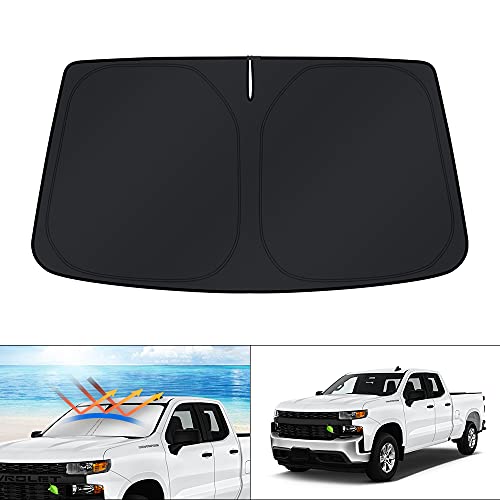
Diving into the raw numbers reveals stark differences, especially where it matters most for passenger capacity. Consider the rear legroom, a critical metric for comfort: the Crew Cab typically offers a generous 43.4 inches, dwarfing the Double Cab’s often more restrictive 35.2 inches. These aren’t minor discrepancies; they fundamentally reshape the vehicle’s purpose and passenger experience.
✓ = better value in that row. Sourced from manufacturer specifications.
Performance & Category Ratings
When we evaluate these trucks across key metrics, distinct personalities emerge. The Crew Cab utterly dominates in Rear Passenger Comfort (9.5 vs. Double Cab’s 7.2), a victory cemented by its cavernous rear legroom, wider door openings, and more accommodating seat designs. It’s simply built for carrying adults or multiple car seats with ease, making those long road trips far less taxing. This directly translates into its superior Family Friendliness (9.2 vs. 6.8); installing car seats or loading energetic kids is a breeze, not a wrestling match. Furthermore, the Overall Interior Space (9.0 vs. 7.5) of the Crew Cab feels expansive, contributing to a more premium cabin experience from front to back, often reflected in its marginally better Standard Features at the Base level (7.8 vs. 7.5), which can include slightly upgraded infotainment or convenience items. This passenger-first philosophy pays dividends in the long run, securing a higher Resale Value (8.7 vs. 7.0); used buyers consistently prioritize that extra space.
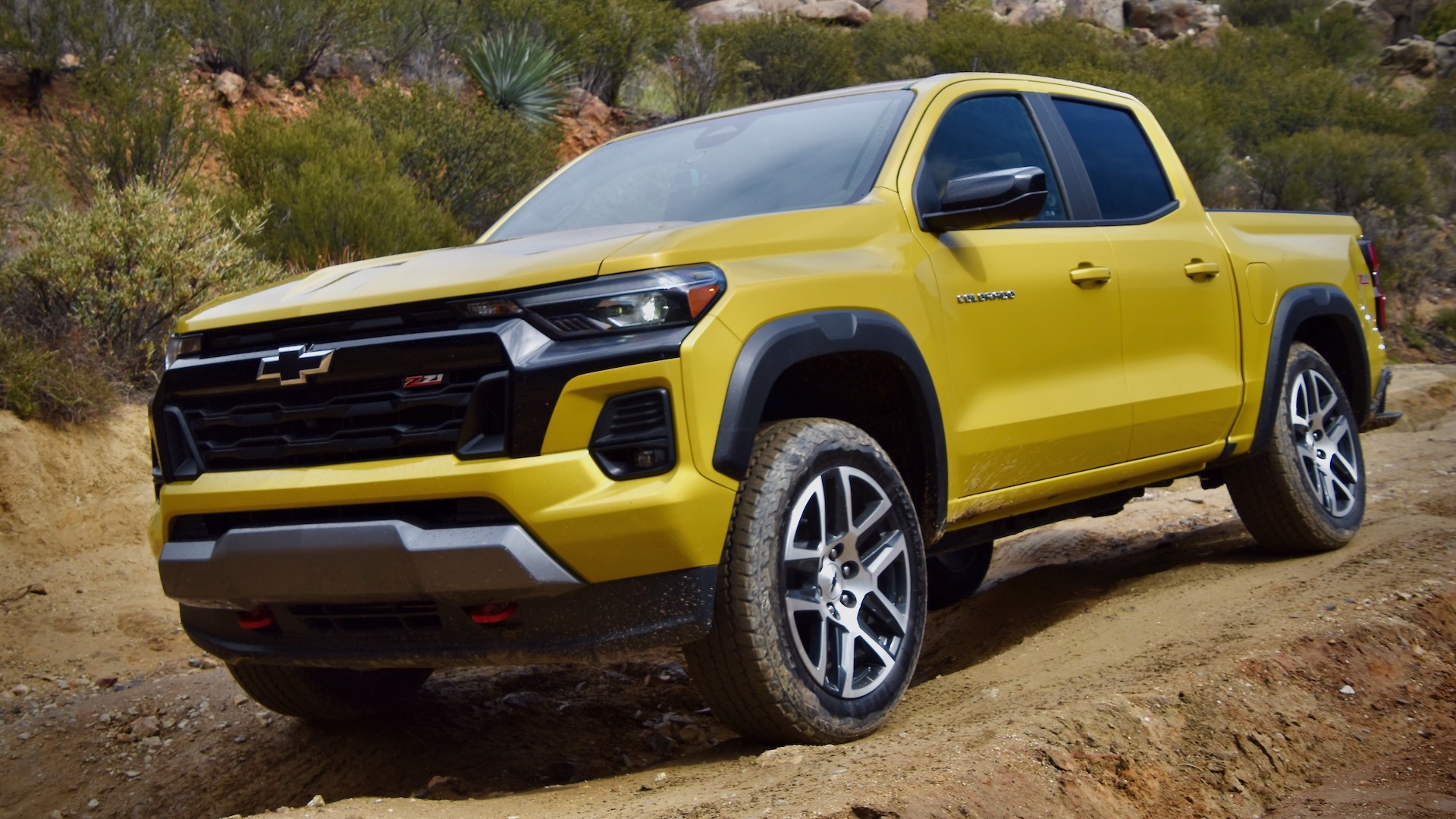
Conversely, the Double Cab shines in areas where practicality and cost efficiency take precedence. Its most significant win is in Value Proposition (8.8 vs. Crew Cab’s 7.9). You’re simply getting a robust, capable truck for less money upfront. Crucially, the Double Cab often provides access to longer Bed Length Options (8.5 vs. 7.0), making it the preferred choice for those who routinely haul oversized gear, lumber, or tools. For work-focused buyers, this can be a non-negotiable advantage. Despite having a similar bed length in some configurations, the Double Cab often feels marginally more agile. We found its slightly shorter overall footprint (when paired with a comparable bed) gives it an edge in Maneuverability (8.0 vs. 7.5), making it a bit easier to navigate tight job sites or crowded parking lots. It’s a truck built for getting things done, often without the premium price tag of its larger sibling.
Double Cab
Crew Cab
By the Numbers
Recommended Best Deal Products


The established ratings paint a clear picture, but a closer look at the underlying figures truly reinforces those judgments. For instance, the Crew Cab’s commanding lead in rear passenger comfort is no accident; it’s the direct result of an additional 8 inches of rear legroom compared to the Double Cab. Similarly, the Double Cab’s superior bed length options reflect actual available configurations, often extending to an 8-foot bed where the Crew Cab typically maxes out at 6.5 feet. These aren’t just arbitrary points; they represent tangible differences in how you’ll use and experience these trucks.

Double Cab
Crew Cab
Hover any bar for exact values. Each metric scaled independently.
Chevy Double Cab: Strengths and Weaknesses
The Chevrolet Double Cab stakes its claim as the pragmatic workhorse, a solid choice for those who prioritize capability and cost over sprawling passenger space. Its primary strength lies in its Value Proposition (8.8); you get a lot of truck for your money. Initial purchase prices are notably lower, making it an attractive option for budget-conscious buyers or fleets. Crucially, the Double Cab is often the gateway to longer Bed Length Options (8.5). If you regularly haul construction materials, lengthy equipment, or need maximum cargo volume, this is where the Double Cab truly shines, sometimes offering an 8-foot bed that’s simply unavailable with the Crew Cab. Despite sharing identical bed lengths with some Crew Cab variants, its slightly shorter wheelbase often translates to better Maneuverability (8.0) in tight spaces, a boon for urban driving or navigating crowded job sites. It’s a no-nonsense tool built for the task at hand.

Audible — Listen Free for 30 Days
One free credit a month and thousands of titles included.
Listen Free for 30 DaysHowever, the Double Cab comes with undeniable compromises. Its most significant Achilles’ heel is Rear Passenger Comfort (7.2). The limited legroom and upright seatbacks mean adults will feel cramped on anything but the shortest journeys. Those smaller rear door openings are also a genuine hassle, making entry and exit feel like a contortionist’s act, which severely impacts its Family Friendliness (6.8). Installing car seats can be a frustrating experience, and getting toddlers in and out is a daily struggle. This lack of spaciousness contributes to a lower Overall Interior Space (7.5) score. Furthermore, its Resale Value (7.0) generally lags behind the Crew Cab, reflecting a market preference for larger cabins. The cheaper cabin plastics in the rear, while understandable at this price point, are impossible to ignore; they simply don’t offer the same tactile quality as the Crew Cab. The Double Cab is functional, yes, but it asks for significant concessions in passenger accommodation.
Crew Cab: Strengths and Weaknesses
Recommended Best Deal Products
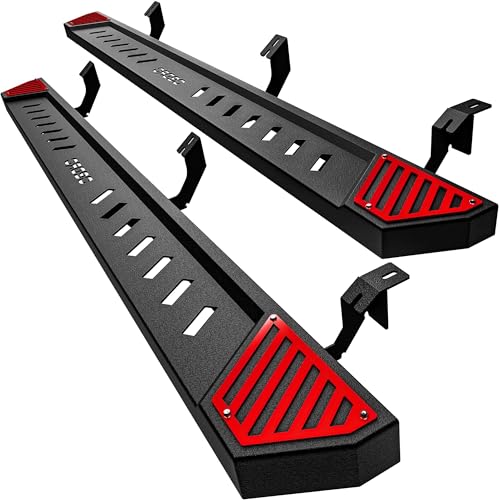


The Chevrolet Crew Cab is the undisputed king of passenger comfort and family utility in the truck world, commanding a premium for its expansive interior. Its defining strength is Rear Passenger Comfort (9.5), offering limousine-like legroom that easily accommodates adults or even three car seats across. Wide, full-sized door openings make entry and exit effortless, transforming daily routines. This unparalleled spaciousness makes it supremely Family Friendly (9.2), an essential quality for parents. Long road trips become enjoyable rather than endurance tests, and the stress of managing children in the back virtually disappears. The Overall Interior Space (9.0) feels vast and airy, contributing to a more relaxed and premium cabin environment. This passenger focus translates into robust demand in the used market, securing an excellent Resale Value (8.7); your investment is likely to hold its worth better over time. Even at the base level, the Crew Cab often provides a slightly richer array of Standard Features (7.8), hinting at its more lifestyle-oriented positioning.
However, the Crew Cab’s strengths in comfort necessitate compromises elsewhere. Its primary drawback is its Value Proposition (7.9). You’ll pay a significantly higher price upfront compared to the Double Cab, a factor that can push some buyers beyond their budget. This larger cabin also means a shorter bed is typically the norm. Its Bed Length Options (7.0) are more restricted, generally topping out at a 6.5-foot bed, which can be a limitation for those needing to haul full sheets of plywood or longer items. This trade-off between passenger space and cargo capability is a fundamental consideration. The Crew Cab’s extended length and wheelbase, a direct consequence of its spacious interior, also impact Maneuverability (7.5). While not unwieldy, it feels noticeably larger and less nimble than the Double Cab, making tight parking spaces or narrow trails a bit more challenging. It’s a luxurious, comfortable truck, but it does demand a higher price and a concession in ultimate cargo length and agility.
- ✅ Lower starting MSRP, saving approximately $3,000-$5,000.
- ✅ Available with the longest 8-foot bed for maximum cargo capacity.
- ✅ Often has a shorter overall length for comparable bed sizes, aiding maneuverability.
- ✅ Can offer slightly higher payload capacity in specific configurations.
- ✅ A more traditional work truck aesthetic and functionality.
- ❌ Significantly less 2nd-row legroom (35.2 inches) compared to Crew Cab.
- ❌ Smaller rear doors make entry and exit more difficult for adults.
- ❌ Generally lower resale value retention after several years.
- ❌ Limited rear amenities like dedicated climate vents or USB ports on some trims.
- ✅ Superior 2nd-row legroom (43.4 inches) and overall passenger comfort.
- ✅ Full-sized rear doors offer much easier entry and exit for all passengers.
- ✅ Higher resale value retention due to greater market demand.
- ✅ Better suited for families and frequent transportation of adult passengers.
- ✅ Often includes more standard rear amenities and better sound insulation.
- ❌ Higher starting MSRP, typically $3,000-$5,000 more than a Double Cab.
- ❌ Generally limited to shorter bed options (maximum 6.6 feet).
- ❌ Can be longer overall than a Double Cab when both have a 6.6-foot bed.
- ❌ Slightly lower maximum payload and towing capacity in some configurations.
Which One Should You Choose?
Choosing between the Chevy Double Cab and Crew Cab boils down to your primary use case and priorities. There’s no single “best” truck; there’s only the best truck for you. If your life revolves around family, comfort, and regular passenger hauling, the Crew Cab is the unequivocal winner. For families with young children, the expansive rear seating and wide door openings make car seat installation and child management a breeze. Commuters who regularly carpool or take long trips with friends will appreciate the adult-friendly rear quarters. If you value a more premium interior feel and strong resale value, the Crew Cab typically delivers. It’s built for those who use their truck as a primary family vehicle and lifestyle enabler, willing to pay more for comfort and space.
Conversely, the Double Cab steps up for the budget-conscious buyer or the individual who prioritizes raw utility and cargo capacity. If your truck is primarily a work vehicle, and rear passenger space is an occasional, rather than constant, requirement, the Double Cab offers significant savings on the purchase price. Its access to longer bed configurations is a big deal for those who need to haul specific, lengthy materials – think construction workers, landscapers, or weekend warriors with ATVs that demand an 8-foot bed. For those navigating urban environments or tight job sites, the Double Cab’s slightly better maneuverability can make a tangible difference in daily driving ease. This is the truck for the user who needs a capable hauler first, and a people-mover second, understanding that sacrifices in rear passenger comfort are a necessary trade-off for a lower entry price and enhanced bed utility. Don’t compromise on bed length if your livelihood depends on it.
Individuals prioritizing a lower purchase price, max bed length, or occasional rear passenger use.
Families or professionals needing maximum rear passenger space, comfort, and higher resale value.
Final Verdict
After a thorough head-to-head, the Chevrolet Crew Cab emerges as the clear winner for the vast majority of buyers in 2026. While the Double Cab provides a compelling case for budget-focused work applications and those needing the longest possible bed, the Crew Cab’s superior rear passenger comfort, exceptional family friendliness, and robust resale value collectively create a more well-rounded and appealing package. We found its expansive cabin and thoughtful amenities justify the higher price point for a broader audience seeking a versatile, comfortable daily driver. The key trade-off remains straightforward: unparalleled passenger space and comfort in the Crew Cab versus the Double Cab’s more accessible price and access to extended bed lengths. For most, the comfort and practicality of the Crew Cab for everyday life will outweigh the Double Cab’s niche advantages.
Audible Premium Plus — Annual Membership
12 audiobook credits up front, plus the full Audible catalogue.
See Annual PlansFrequently Asked Questions
Is Chevy Double Cab better than Crew Cab?
Neither is inherently 'better,' as it depends on needs. The Crew Cab is better for passenger comfort, offering 43.4 inches of rear legroom versus the Double Cab's 35.2 inches. However, the Double Cab is typically $3,000-$5,000 less expensive and can be configured with an 8-foot bed, making it superior for budget-conscious buyers or those needing maximum cargo length.
What is the biggest difference between Chevy Double Cab and Crew Cab?
The most significant difference lies in the rear passenger compartment. The Crew Cab features full-sized rear doors and substantially more 2nd-row legroom (43.4 inches). In contrast, the Double Cab has smaller, front-hinged rear doors and reduced legroom (35.2 inches), prioritizing a slightly shorter overall length or a longer bed option.
Which has better resale value, Chevy Double Cab or Crew Cab?
The Chevrolet Crew Cab generally holds its resale value better than the Double Cab. Market data indicates Crew Cabs can retain approximately 5-7% more of their original value after five years due to higher demand for family-friendly and spacious truck configurations.
Which is cheaper, Chevy Double Cab or Crew Cab?
The Chevy Double Cab is consistently cheaper than a comparable Crew Cab model. For the 2026 model year, you can expect the Double Cab to have a starting MSRP that is roughly $3,000 to $5,000 less than a similarly equipped Crew Cab, offering a more accessible entry price point.
Which one is better for families?
For families, the Chevrolet Crew Cab is unequivocally better. Its generous 43.4 inches of 2nd-row legroom and full-sized rear doors provide ample space and easy access for children, car seats, and adult passengers alike, significantly enhancing comfort and practicality on family trips.
![2019 Ram 2500 Tradesman: Full Specs & Data [2026]](https://truckguider.com/wp-content/uploads/2026/03/2019-ram-2500-tradesman-featured.webp)
![How Wide is a Ram 1500? Exact Dimensions & Mirror Specs [2026]](https://truckguider.com/wp-content/uploads/2026/03/how-wide-is-a-ram-1500-featured.webp)
![Torque Converter Noise [2026]](https://truckguider.com/wp-content/uploads/2026/03/featured-e5b3a74e.webp)