Dodge Dakota Lug Pattern Guide: Year-by-Year Specs (1987-2011)

The Dodge Dakota lug pattern is 6×114.3mm (6×4.5″) for all models from 1991 to 2011, while early 1987 to 1990 models use a 5×114.3mm (5×4.5″) pattern. Regardless of the year, these trucks maintain a 71.5mm center bore, which is critical for ensuring a proper hub-centric wheel fitment.
🎯 Key Takeaways
- 1987–1990 Dakotas utilize a 5×114.3mm (5×4.5″) bolt pattern.
- 1991–2011 Dakotas feature a 6×114.3mm (6×4.5″) bolt pattern.
- The standard center bore for all Dodge Dakota generations is 71.5mm.
- Thread sizes vary between 1/2″-20 and 9/16″-18 depending on production year.
- Wheels from early Dodge Durangos and some Nissans share the 6-lug pattern.
Determining the lug pattern for your Dakota specifications and generation history”>Dodge Dakota is straightforward: it depends entirely on whether your truck was built before or after 1991. For the earliest models produced between 1987 and 1990, the Dakota used a 5×114.3mm (5×4.5 inches) pattern. From 1991 until the final production year in 2011, Dodge transitioned all Dakotas to a 6×114.3mm (6×4.5 inches) pattern. If you are shopping for aftermarket wheels or looking for swaps from other vehicles, this distinction is the single most important factor in ensuring a safe and successful fitment.

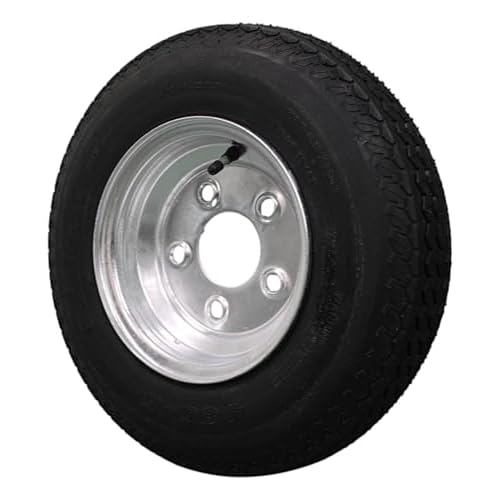


Understanding these specifications is about more than just matching the number of holes. While the bolt pattern determines if the wheel will slide onto the studs, other factors like the center bore and thread pitch determine if the wheel will stay centered and secure. The 6-lug pattern used on later Dakotas is relatively rare in the truck world, shared with only a few other vehicles like the Nissan Frontier and Xterra. Using the wrong specs can lead to catastrophic wheel failure, excessive vibration, or damage to your wheel bearings. This guide breaks down exactly what you need to know to avoid costly returns and safety hazards.
Dodge Dakota Lug Pattern Variations by Generation
The Dodge Dakota is unique in the mid-size truck world because it underwent a significant hub redesign quite early in its lifespan. While most truck lines maintain the same lug pattern for decades to ensure parts compatibility, the Dakota’s switch from five to six lugs means you must be absolutely certain of your truck’s production year before buying parts.

First Generation (1987–1990): The 5-Lug Exception
During its first four years on the market, the Dakota utilized a standard 5-lug setup. This was largely because the truck was designed to bridge the gap between compact and full-size pickups, and the 5-lug hub was sufficient for the weight ratings of the era. This specific pattern is one of the most common in the automotive world.
- Bolt Pattern: 5×114.3mm (also known as 5×4.5″)
- Applicable Years: 1987, 1988, 1989, 1990
- Common Compatibility: Shares the same pattern as the Jeep Wrangler (YJ and TJ), Ford Ranger, and many Chrysler passenger cars.
If you own an 1988 or 1989 Dakota, you actually have more flexibility in finding used rims than later owners. Because the 5×4.5″ pattern is so ubiquitous, you can often find compatible wheels at salvage yards from a wide variety of Ford and Jeep models, provided the offset and center bore also align.
The 6-Lug Standard (1991–2011)
Starting in 1991, Dodge upgraded the Dakota to a 6-lug hub across all trim levels, including both 2WD and 4WD models. This change was implemented to increase the truck’s gross vehicle weight rating (GVWR) and to align the Dakota more closely with the heavy-duty image of the larger Ram trucks. This 6×114.3mm pattern remained the standard until the Dakota was discontinued in 2011.
- Bolt Pattern: 6×114.3mm (also known as 6×4.5″)
- Applicable Years: 1991 through 2011
- Generations Covered: Late 1st Gen, 2nd Gen, and 3rd Gen Dakotas.
It is crucial to note that the 6×114.3mm pattern is not the same as the common 6-lug pattern found on Chevy, GMC, or Toyota trucks (which is 6×139.7mm). While they look similar to the naked eye, the Dakota’s bolt circle is significantly smaller. If you try to force a standard 6-lug truck wheel onto a Dakota hub, the holes will not line up, and you risk stripping your studs.
Essential Wheel Specifications: Center Bore and Thread Pitch
Once you have confirmed your bolt pattern, you must look at the secondary specifications. Many owners make the mistake of thinking that as long as the holes line up, the wheel is a perfect fit. However, the Dodge Dakota relies on a hub-centric design, making the center bore and thread pitch critical for safety.
Hub-Centric Design and Center Bore
The center bore is the large hole in the middle of the wheel that slides over the hub’s center flange. On the Dodge Dakota, this flange is what actually supports the weight of the vehicle and centers the wheel perfectly. If the wheel’s center bore is too small, it won’t fit on the truck. If it is too large, the wheel will be “lug-centric,” meaning the lug nuts are the only thing holding it in place, which often leads to steering wheel wobble.
- Standard Dakota Center Bore: 71.5mm
- Measurement Type: Hub-centric
- Practical Tip: If you buy aftermarket wheels with a larger bore (such as 73mm or 78mm), you must use hub-centric rings to fill the gap and prevent vibrations.
Lug Nut Thread Size and Stud Dimensions
Even within the 6-lug era, Dodge made changes to the hardware used to secure the wheels. The thread size and pitch determine which lug nuts you need to buy. Getting this wrong can result in stripped threads or, even worse, a wheel coming loose while you are driving.
- 1987–2004 Models: 1/2″-20 UNF. These models use standard SAE threads that were common across most Chrysler trucks of the 90s.
- 2005–2011 Models: 9/16″-18 UNF. For the third generation, Dodge increased the stud diameter for better durability.
When upgrading your wheels, always verify your truck’s specific year. A 2004 Dakota wheel will physically slide onto the studs of a 2005 Dakota, but the lug nuts from the 2004 will not fit the 2005 studs. Always ensure your lug nuts have a minimum of 7 to 8 full turns of thread engagement for a secure hold. If your new wheels have thicker mounting faces, you may need extended thread (ET) lug nuts or longer studs to maintain safety standards.
Cross-Compatibility: Which Other Vehicle Wheels Fit the Dakota?
Finding replacement wheels for your Dodge Dakota doesn’t always mean searching specifically for Dakota parts. Because Dodge shared platforms across several models, and because certain bolt patterns are industry standards, you have more options than you might think. Whether you are scouring a salvage yard or looking for a deal on local classifieds, knowing the cross-compatibility “secret” can save you hundreds of dollars.
The Dodge Durango Connection
If you own a second-generation Dakota (1997-2004), your best friend is the first-generation Dodge Durango (1998-2003). These two vehicles are mechanical siblings. They share the same chassis, suspension components, and—most importantly—the 6×114.3mm (6×4.5″) lug pattern. In many cases, the alloy wheels from a high-trim Durango SLT+ or R/T will bolt directly onto a Dakota, providing an instant aesthetic upgrade without any modification.
The Nissan and Ford Factor
While Dodge is the primary source, other manufacturers have used similar patterns over the years. However, you must be careful with the center bore and offset. Here are some common cross-compatibility examples:
- Nissan Frontier and Xterra (2005-Present): These modern Nissans use the 6×114.3mm pattern. While the bolts line up, the Nissan center bore is often larger. You can use these wheels on a Dakota, but you may need hub-centric rings to ensure a vibration-free ride.
- The Early Years (1987-1990): These Dakotas used the ultra-common 5×114.3mm (5×4.5″) pattern. This is the same pattern found on the Ford Ranger, Jeep Cherokee (XJ), and Jeep Wrangler (YJ/TJ). It is one of the most versatile patterns in the world, giving you access to thousands of aftermarket styles.
- The Viper Influence: Rare 1991-1996 Dakotas used a 6-lug pattern before it became standard. Interestingly, the Dodge Viper also utilized a 6-lug setup, though the offsets and widths make them impractical for a stock Dakota.
Critical Torque Specifications and Safety Considerations
Once you have identified the correct lug pattern and found the perfect set of wheels, the job isn’t finished until the wheels are properly secured. Overtightening can stretch your wheel studs to the point of failure, while undertightening can cause the wheel to wobble or even detach while driving. For the Dodge Dakota, precision is key to maintaining the integrity of the drivetrain.
Precision Torque for Your Dakota
The specific torque required for your Dakota depends largely on the year and the size of the wheel studs. Most 1987-2011 Dakotas use 1/2-inch or 9/16-inch studs. As a general rule of thumb, you should aim for the following values:
- 1987-2004 Models: Typically require 85 to 110 lb-ft of torque.
- 2005-2011 Models: Often spec’d at 95 to 110 lb-ft.
- Note on Aftermarket Rims: If you are moving from steel wheels to aluminum alloys, you may need to re-check your torque more frequently, as aluminum can compress slightly after the first few heat cycles.
The Importance of Center Bore and Hub-Centric Design
Dodge Dakotas are designed to be hub-centric. This means the wheel is centered by the large hole in the middle (the center bore) which fits snugly over the hub of the truck. This design ensures the weight of the vehicle is supported by the hub rather than just the lug studs. When buying wheels, always ensure the center bore is at least 71.5mm. If the bore is too small, the wheel won’t sit flush against the brake rotor, creating a dangerous gap that can lead to catastrophic stud failure.
Conclusion
Navigating the Dodge Dakota lug pattern doesn’t have to be a guessing game. By understanding the transition from the early 5-lug days to the more robust 6-lug configurations of the later generations, you can confidently shop for replacements or upgrades. Remember that compatibility goes beyond just the bolt holes; always keep the center bore and offset in mind to ensure your truck remains safe and handles correctly. Proper torque is the final, non-negotiable step in any wheel installation to keep your Dakota on the road for years to come.
Your next step is to double-check your specific VIN or owner’s manual to confirm your stud size before ordering new lug nuts. Once you have the specs in hand, you’re ready to transform your truck’s look. Safe driving!
💬 Quick Questions & Answers
What is the lug pattern for a 2000 Dodge Dakota?
The 2000 Dodge Dakota uses a 6×114.3mm (6×4.5 inches) bolt pattern.
What size is the Dodge Dakota center bore?
The center bore for all Dodge Dakota models is 71.5mm.
Do Jeep wheels fit a Dodge Dakota?
Only 1987-1990 5-lug Dakotas may share patterns with some Jeeps; 6-lug models are incompatible with Jeep’s standard patterns.
What is the thread size for Dakota lug nuts?
Most models use 1/2″-20 threads, though later third-generation trucks often use 9/16″-18.
Are Nissan Frontier wheels compatible with the Dakota?
Yes, many Nissan Frontiers share the 6×114.3 pattern, but you must verify the center bore clearance.
❓ Frequently Asked Questions
Did the Dodge Dakota lug pattern change over the years?
Yes, the Dakota transitioned from a 5-lug pattern (5×114.3) used between 1987 and 1990 to a 6-lug pattern (6×114.3) used from 1991 until production ended in 2011. This makes wheels from the very early models incompatible with the later versions.
Can I use Dodge Ram 1500 wheels on my Dakota?
Generally, no, because the Ram 1500 typically uses a larger 5×139.7mm or 6x135mm pattern. The Dakota’s 6×114.3mm pattern is unique to mid-sized platforms and does not share dimensions with full-sized Ram trucks.
What does the 6×4.5 lug pattern mean?
This measurement indicates that the wheel has six lug holes arranged in a circle with a diameter of 4.5 inches. In the metric system, this is equivalent to 6×114.3mm, which is the standard for most Dakota trucks.
Is the Dodge Dakota hub-centric or lug-centric?
The Dodge Dakota is designed as a hub-centric system with a 71.5mm hub diameter. This means the wheel is supported and centered by the hub lip, so using wheels with a larger bore may require hub-centric rings for safety.
What are the lug nut torque specs for a Dodge Dakota?
For trucks with 1/2″-20 studs, the torque should be set between 85 and 110 lb-ft. For later models using the heavier 9/16″-18 studs, the torque specification increases to approximately 120-140 lb-ft.
Which other vehicles share the Dakota’s 6×114.3 pattern?
The most common matches are the 1998-2003 Dodge Durango and several Nissan models including the Frontier, Xterra, and Pathfinder. However, always double-check the offset and center bore before swapping wheels between different makes.

![Dodge Paint Codes: How to Find Yours & Full Color List [2026]](https://truckguider.com/wp-content/uploads/2026/03/dodge-paint-codes-featured.webp)
![2nd Gen Dodge Ram Sport Bumper: Buying & Fitment Guide [2026]](https://truckguider.com/wp-content/uploads/2026/03/2nd-gen-dodge-ram-sport-bumper-featured.webp)