How Long Can You Drive With a Bad Throttle Body? 2026

Driving with a bad throttle body is extremely risky because the component controls airflow into the engine. While a car might technically run for a few days with mild symptoms, a failing throttle body can cause sudden stalling in traffic or force the vehicle into limp mode without warning.
You can typically drive anywhere from a few miles to a couple of days with a failing throttle body, but you are playing automotive Russian roulette. The moment your throttle body starts failing, your vehicle becomes an unpredictable hazard on the road. Some drivers limp their cars for less than a mile before entering dangerous limp mode, while others might notice sluggish acceleration for a week before total engine failure.

Audible — Listen Free for 30 Days
One free credit a month and thousands of titles included.
Listen Free for 30 DaysAs vehicle electronics evolve through 2026, modern cars rely entirely on electronic throttle control systems. A failing unit means your engine computer can no longer accurately regulate the air entering your engine. Driving with this issue risks sudden stalling in fast-moving traffic, making it a critical repair you should address immediately rather than postponing.
Key Takeaways
- Avoid driving long distances with a failing throttle body to prevent dangerous traffic stalls.
- Sudden loss of acceleration power and erratic RPM surging are primary warning signs.
- Limp mode activation severely limits your vehicle’s speed to protect the engine.
- Ignoring a bad throttle body can lead to complete engine breakdown and expensive towing fees.
- Professional diagnosis is necessary to determine if cleaning or full replacement is required.
How Long Can You Safely Drive With a Bad Throttle Body?
Recommended Best Deal Products


The Short Answer: You Shouldn’t
The strict reality is that you should not drive a car with a bad throttle body at all. While the engine might still run, the duration you can actually drive depends entirely on the severity of the malfunction. If the throttle plate is only slightly sticky, you might manage short trips to a mechanic.
However, if the internal electronic sensor fails completely, your car will stop responding to the gas pedal entirely. Driving in this condition puts you at high risk of sudden power loss.
Risks of Driving in Limp Mode
When your car’s computer detects a throttle body fault, it frequently triggers “limp mode” to protect the engine. Here is what you face if you continue driving:
- Severe Speed Restrictions: Your vehicle will likely cap your speed at 15 to 25 miles per hour, making highway driving impossible.
- Sudden Stalling: The engine can cut out without warning when you come to a stop at a red light or intersection.
- Complete Acceleration Loss: Pressing the gas pedal may yield zero response, leaving you stranded in dangerous traffic lanes.
- Catalytic Converter Damage: Unburnt fuel passing through a misfiring, poorly regulated engine can quickly destroy expensive exhaust components.
What Causes Throttle Body Failure and Symptoms of Worsening Damage
Why Throttle Bodies Fail
Your throttle body controls the precise amount of air flowing into your engine based on how far you press the accelerator. Over time, carbon buildup from oil vapors and exhaust gases accumulates around the butterfly valve. This gunk prevents the valve from closing or opening smoothly.

Prime for Young Adults — 6 Months Free
Students and 18–24s get six months of Prime free, then half price.
Start 6 Months FreeIn modern 2026 vehicles, electronic actuators and internal position sensors wear out electrically. Moisture intrusion, electrical shorts, or simple mechanical wear of the plastic gears inside the actuator motor will eventually render the component useless.
Key Symptoms of Worsening Damage
Ignoring early warning signs will only shorten the lifespan of your failing throttle body. Watch out for these escalating symptoms:
- Erratic RPM Fluctuation: Your engine RPMs may surge or drop wildly while idling at a complete stop.
- Engine Shudder and Stalling: The car may shake violently or die entirely when you take your foot off the gas pedal.
- Sluggish Acceleration: There is a noticeable delay between pressing the accelerator and the car actually moving forward.
- Check Engine Light and Codes: You will almost certainly see a check engine light accompanied by specific electronic throttle control error codes.
Step-by-Step Guide to Inspecting and Replacing a Faulty Throttle Body
Replacing or servicing a throttle body requires basic mechanical knowledge and standard hand tools. Automotive service data indicates that a complete replacement takes between one and two hours for most modern vehicles. Always disconnect the negative battery terminal before starting any work to prevent electrical shorts or triggering false powertrain codes.
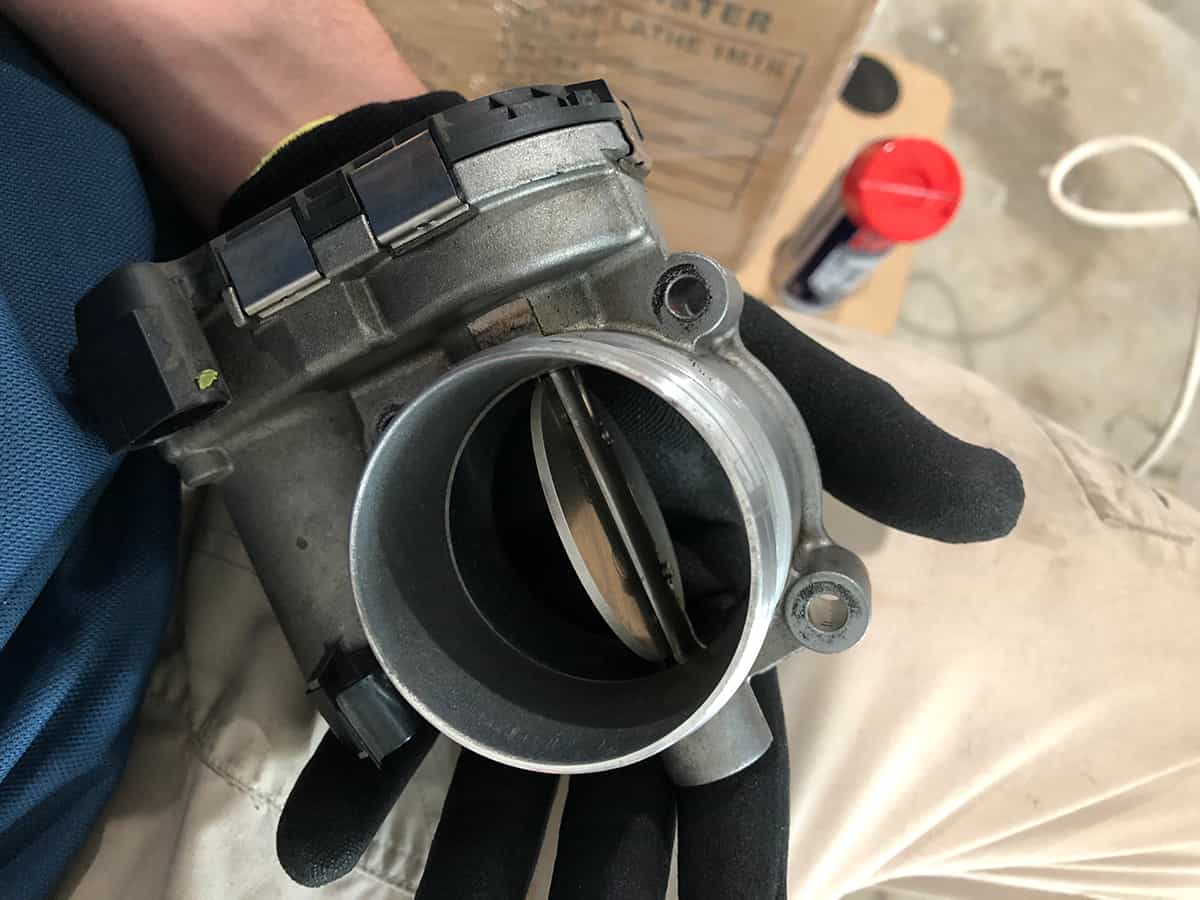
Inspection and Cleaning Procedure
- Remove the plastic engine cover and the air intake duct leading directly to the throttle body assembly.
- Inspect the butterfly valve flap for heavy carbon buildup, varnish, or oily residue along the edges and bore walls.
- Manually push open the valve butterfly to check for sticking, binding, or delayed return action caused by internal spring fatigue.
- Spray a dedicated, oxygen-sensor-safe throttle body cleaner onto a clean microfiber cloth or directly onto the deposits.
- Wipe away loosened carbon thoroughly without forcing the electronic butterfly valve open by hand, which can strip internal plastic gears in modern drive-by-wire units.
Replacement Procedure
- Disconnect the main electrical harness connector attached to the throttle body actuator motor and sensor.
- Unbolt the four mounting fasteners securing the throttle body to the intake manifold using a socket wrench.
- Remove the old unit and discard the old rubber O-ring gasket, ensuring no debris falls into the open intake ports.
- Install a fresh throttle body gasket and mount the new assembly, torqueing the bolts in a crisscross pattern to factory specifications (typically around 8 to 10 foot-pounds).
- Reconnect the electrical plug and air intake duct, then perform an electronic throttle idle relearn procedure as specified by the vehicle manufacturer.
What If It Still Doesn’t Work?
If cleaning or replacing the throttle body fails to resolve rough idling or “Limp Mode” symptoms, the underlying issue likely stems from related electronic components or sensor failures. Mechanics recommend checking secondary systems before assuming the new part is defective. Professional repair shops typically charge between $250 and $600 for diagnostic and labor fees if DIY efforts fail.
- Inspect the accelerator pedal position (APP) sensor for erratic voltage signals using an advanced OBD2 diagnostic scanner.
- Test the Powertrain Control Module (PCM) ground wires and power supply relay, as voltage drops frequently mimic throttle actuator failures.
- Check for vacuum leaks around the intake manifold gasket using a smoke machine, which often trigger identical lean codes and erratic idle speeds.
- Consult a certified automotive technician to flash or update the vehicle’s computer software, which is frequently required after installing a brand-new electronic throttle body assembly.
Conclusion
Driving with a failing throttle body is hazardous, accelerates engine wear, and can unexpectedly leave you stranded in dangerous traffic conditions. Addressing the problem early through careful cleaning or complete replacement prevents costly secondary engine damage. According to verified research and expert automotive technician standards, prompt component replacement restores safe air-fuel ratios and reliable throttle response. Take action today by scanning your vehicle for diagnostic trouble codes and inspecting your intake system before minor hesitation turns into total engine failure.
❓ Frequently Asked Questions
What are the primary symptoms of a failing throttle body?
Common warning signs include erratic idle speeds, sluggish acceleration, engine stalling, surging RPMs, and the activation of the check engine light or electronic throttle control warning light.
Is it safe to drive on the highway with a bad throttle body?
No, it is highly unsafe. A sudden loss of power or unexpected entry into limp mode while traveling at highway speeds can lead to severe rear-end collisions.

Prime Gaming — Free In-Game Loot
Free monthly games, in-game content and a Twitch channel sub.
Claim Free LootHow much does it cost to replace a throttle body?
Replacement costs typically range from $300 to $900 depending on the make and model of your vehicle, factoring in both parts and professional labor.
Can a dirty throttle body mimic a completely broken one?
Yes, heavy carbon deposits around the valve flap can prevent it from sealing properly, causing stalling and rough idling that mimics mechanical failure.
What happens if I completely ignore a bad throttle body?
Eventually, the internal electronic motor or sensor will fail completely, rendering the vehicle completely undrivable and requiring an immediate tow.
Do I need to reset my car’s computer after replacing a throttle body?
Many modern vehicles require an idle relearn procedure using an OBD2 scanner so the engine control unit can calibrate the new throttle valve position.
![2018 Dodge Journey Problems: Common Repairs and Recalls [2026]](https://truckguider.com/wp-content/uploads/2026/03/2018-dodge-journey-problems-featured.webp)
![Dodge Journey Won’t Start & Brake Pedal is Hard: Fixing the Issue [2026]](https://truckguider.com/wp-content/uploads/2026/03/dodge-journey-won-t-start-brake-pedal-ha-featured.webp)