The 6.7-liter Cummins inline-six turbodiesel engine is widely regarded as a benchmark for heavy-duty towing and commercial longevity. Introduced in mid-2007, this powerplant was designed to replace the legendary 5.9L Cummins while meeting increasingly stringent federal emissions mandates.
While the cast-iron engine block and internal rotating assembly are engineered for an exceptional service life exceeding 350,000 miles, the surrounding auxiliary systems introduce significant vulnerabilities.
These bolt-on technologies frequently compromise the underlying mechanical reliability of the core powerplant. Consequently, understanding the exact failure mechanisms of the 6.7L Cummins is essential for proactive maintenance and long-term ownership.
This exhaustive report details the critical failure points of the 6.7L Cummins engine, meticulously organized by component system. The analysis provides deep technical insights into root causes, diagnostic symptoms, precise repair costs, and engineered aftermarket solutions.
The 6.7L Cummins engine replaced the legendary 5.9L in mid-2007 to
meet strict federal emissions standards.
While it offers massive torque and towing capability, the addition of
complex emissions equipment introduced new reliability hurdles.
Understanding these common 6.7 Cummins problems can save you thousands
in unexpected repair bills and downtime.
⚙️ Overview: Failure Frequency Analysis Most Common Component Failures
Based on repair facility data, emissions and turbo components lead
the pack in failure rates on the 6.7 ISB platform.
Soot accumulation is the primary catalyst for these cascading
mechanical breakdowns.
For extensive historical teardown data, see
MotorTrend’s Common 6.7L Cummins Problems
analysis.
🔧 1. VGT Turbo Actuator Failure
The Holset Variable Geometry Turbocharger (VGT) uses an electronic
actuator to constantly adjust exhaust flow and engine boost.
Soot buildup inside the turbo’s sliding nozzle assembly forces
this electronic actuator to work much harder to move the ring.
This excess strain eventually burns out the internal circuit
board, requiring an expensive $1,500+ replacement.
Prevention Tip:
Keep your exhaust brake engaged at all times. This constantly
exercises the turbo’s sliding collar, sweeping away soot before it
can harden and bind the mechanism.
☁️ 2. Emissions Systems (DPF & EGR)
Diesel Particulate Filters (DPF) and Exhaust Gas Recirculation
(EGR) valves are notorious weak points on all modern diesel
trucks.
Excessive idling or short city trips cause soot to clog these
delicate systems rapidly, triggering limp mode and expensive
dealer visits.
Many owners report that bypassing these systems improves
reliability, though
the Cummins Forum community
notes this violates federal law.
⚠️ 3. The Fatal Grid Heater Bolt Issue
A fatal flaw in 6.7 Cummins engines involves the electrical
grid heater bolt located directly inside the intake manifold.
Due to heavy electrical arcing and intense heat cycling over
thousands of miles, this terminal bolt can deteriorate, melt,
and break off.
If the heavy bolt drops into cylinder six, it causes instant,
catastrophic engine failure requiring a complete $15,000
engine rebuild.
Fix: Relocate the grid heater or replace the stock intake
plate immediately if your truck is near 100k miles.
🛑 High Risk Models
Particularly prevalent in 2007.5 through 2018 RAM 2500 and
3500 pickup configurations.
📈 Problem Evolution by Generation
Cummins has continuously updated the 6.7L architecture. According
to experts at
Thoroughbred Diesel , the severity of specific problems shifts across model years.
The matrix below highlights which generations suffer from which
critical vulnerabilities.
Generation Emissions Clogging Head Gasket Failure Grid Heater Bolt Drop CP4 Pump Failure 2007.5 – 2012
High (Early DPF) Moderate High Low (CP3) 2013 – 2018
Moderate (DEF added)
High (Tuning) High Low (CP3) 2019 – 2020 Low Low Low (Redesigned)
CRITICAL RISK
The 2019-2021 CP4 High-Pressure Fuel Pump Catastrophe Fuel delivery is the lifeblood of a modern diesel engine, operating at extreme pressures to atomize fuel directly into the combustion chamber. For over fifteen years, Cummins utilized the ultra-reliable Bosch CP3 high-pressure fuel pump across its heavy-duty lineup.
However, in pursuit of higher fuel efficiency and different injection mapping, Ram engineers transitioned to the Bosch CP4.2 high-pressure pump for the 2019 and 2020 model years.
The Bosch CP4.2 pump features a two-cylinder, cam-driven roller design that relies entirely on the diesel fuel itself for internal lubrication.
The Mechanism of CP4 Internal Failure Without sufficient hydrodynamic lubrication, the internal metal rollers begin to drag against the camshaft rather than rolling smoothly over the lobes.
Once the swarf is introduced into the fuel flow, it acts as a highly abrasive paste. This contaminated fluid travels downstream and systematically destroys the entire high-pressure fuel system.
The delicate fuel injectors, high-pressure fuel rails, and return lines become completely contaminated with metal shavings. This cascading failure results in a sudden, total loss of engine power, often leaving drivers stranded at highway speeds.
Repair Costs and The Y78 Factory Recall When a CP4 pump detonates, the engine stalls abruptly and without warning, creating a severe safety hazard.
Because the swarf embeds itself into every crevice of the fuel network, simply flushing the lines is inadequate. Total repair costs for a CP4 detonation frequently exceed $10,000 when performed at a certified dealership.
Chart Type: Horizontal Bar Chart
Description: A risk matrix showing the estimated repair costs of peripheral components destroyed by a CP4 failure. Data inline: High-Pressure Fuel Lines ($800), Fuel Injectors ($3,000), Fuel Rails ($1,200), Tank Cleaning/Replacement ($1,500).
Recognizing the extreme failure rate and associated safety risks, Stellantis issued the massive(https://static.nhtsa.gov/odi/tsbs/2022/MC-10214632-9999.pdf) for over 222,410 affected Ram heavy-duty trucks.
The recall mandated the removal of the vulnerable two-tower CP4 pump and replaced it with a modernized iteration of the proven CP3.3 pump.
Even after completing the CP3 recall swap, the high-pressure fuel pump remains highly sensitive to fuel starvation and microscopic contaminants.
When the lift pump weakens, it forces the high-pressure injection pump to pull a vacuum to acquire fuel. This creates cavitation and introduces air into the high-pressure system, accelerating internal wear.
To comprehensively safeguard the fuel system, experts highly recommend installing an aftermarket lift pump and filtration system, such as an AirDog or FASS Fuel System.
This ensures a pure, highly pressurized fuel feed is delivered directly to the injection pump.
In 2019, Ram introduced a heavily revised high-output version of the 6.7L Cummins to break the unprecedented 1,000 lb-ft torque barrier.
Alongside the block redesign, Cummins made a fundamental and highly controversial change to the engine's valvetrain architecture.
In their place, the manufacturer installed self-adjusting hydraulic roller lifters.
These factory hydraulic lifters are essentially ticking time bombs, frequently failing well before the engine reaches the 100,000-mile mark.
Unlike rival diesel platforms, such as the Ford Power Stroke which has utilized hydraulic lifters safely since 1994, the Cummins roller assembly does not feature internal needle bearings.
Furthermore, the lifter bodies feature incredibly tight tolerances and undersized oil passages. This severely restricts critical fluid flow to the roller assembly, creating immediate localized overheating.
This oil starvation is exacerbated in cold climates, where thicker, cold engine oils fail to pressurize quickly enough to lubricate the top end.
Running 15W-40 in these modern engines is highly likely to void the manufacturer's powertrain warranty.
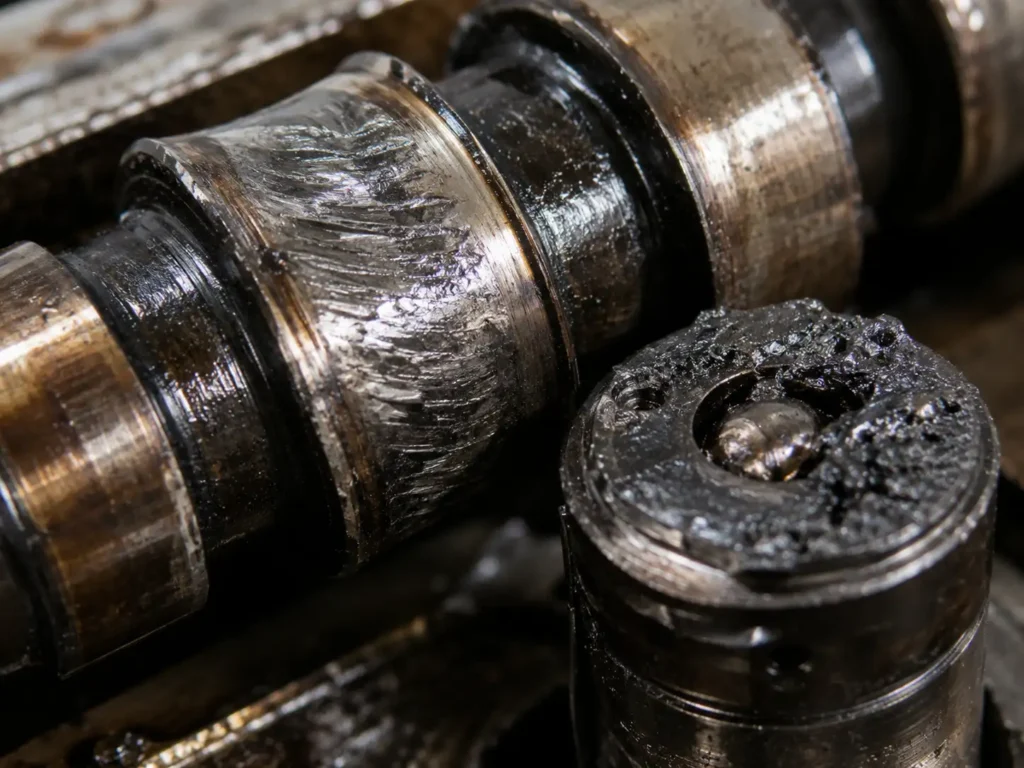
The earliest indicator of hydraulic lifter failure is a pronounced ticking, tapping, or "typewriter" noise.
Once the lifter collapses, the roller stops spinning freely over the camshaft lobe.
This metal-on-metal contact sends metallic shrapnel directly into the engine's oil supply.
If the failure progresses to a complete valvetrain collapse, the engine geometry is ruined and the block is rendered unrepairable.
To prevent this $25,000 catastrophe, owners of 5th Generation trucks must proactively address the lifters before the dreaded ticking begins.
Companies like Hamilton Cams produce comprehensive flat tappet conversion kits specifically engineered for the 2019+ 6.7L Cummins.
The kit accomplishes this by installing solid, non-hydraulic lifters matched to a custom-ground efficiency camshaft.
While the installation process is highly labor-intensive, it provides superior long-term durability and keeps the engine oil free of roller debris.
The 68RFE six-speed automatic transmission is heavily utilized behind the 6.7L Cummins in standard-output configurations.
Factory engineering limitations fundamentally prevent the 68RFE from reliably handling increased torque loads or sustained heavy towing demands.
The core issues leading to transmission failure stem from limited clutch capacity, marginal hydraulic line pressure, and a highly sensitive valve body.
The factory single-disc torque converter is notoriously weak, featuring a lockup clutch that is highly prone to slipping under light throttle applications.
This thermal overload rapidly degrades the transmission fluid, spreading burnt material throughout the sensitive hydraulic circuits.
Furthermore, the 68RFE suffers from inadequate clutch surface area, particularly in the overdrive gears.
This engine RPM flare indicates that the friction material cannot hold the torque and is actively burning away.
The transmission valve body is responsible for directing highly pressurized hydraulic fluid to the appropriate clutch packs.
This wear creates internal cross-leaks, preventing the transmission from maintaining adequate line pressure necessary to clamp the clutches.
The accumulator plate situated within the valve body is also prone to catastrophic structural failure.
Symptoms of severe valve body failure include harsh, erratic banging during shifts, or conversely, extremely lazy shifts depending on the current fluid temperature.
When a 68RFE ultimately fails, truck owners face a difficult financial choice between a standard shop rebuild and a high-performance built transmission.
Local shop rebuilds in 2025 generally cost between $4,500 and $6,500, depending on specific labor rates.
For reliable long-term performance, owners must invest in engineered, stage-matched built transmissions.
68RFE Build Stage Power Rating Target Application Estimated Cost Stock Plus Build Stock/Mild Tune Daily driving, light-duty towing $5,400 Stage 1 Build Up to 500 HP Frequent heavy towing, work trucks $6,595 Stage 1.5 Build 500 - 650 HP Towing with modest engine tuning $7,495 Stage 2 Build Up to 750 HP High horsepower builds, heavy trailers $9,700 Stage 3 Build Up to 900 HP Competition setups, maximum racing power $10,900+
Built transmissions, such as those detailed by Inglewood Transmission, integrate billet channel plates and robust triple-disc torque converters.
Upgrading the thermal management system is also highly recommended to control fluid temperatures under load.
One of the most insidious and catastrophic design flaws on the 6.7L Cummins affects virtually all models produced between 2007.5 and 2024.
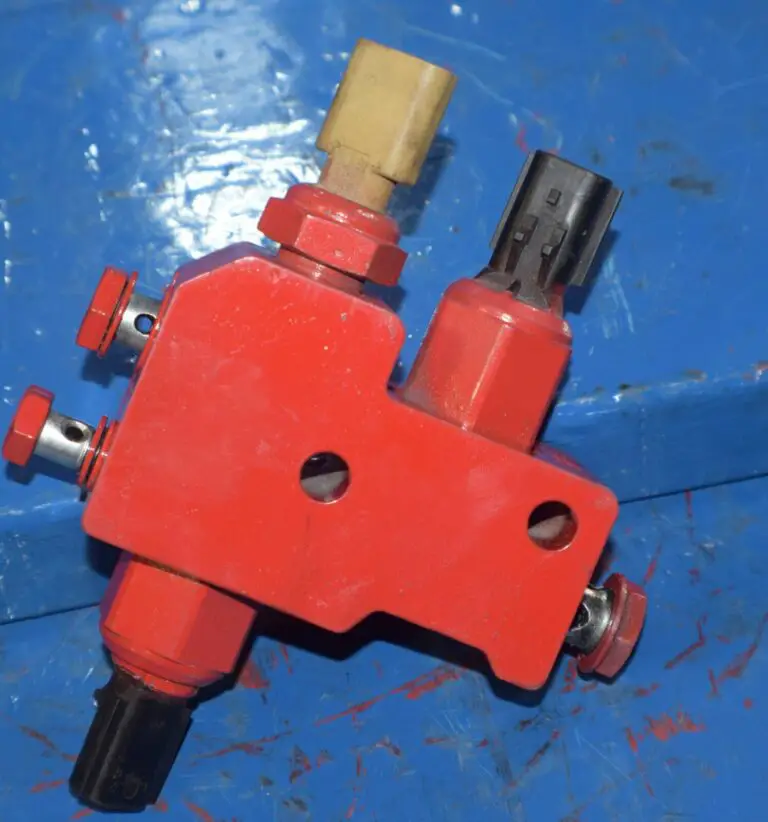
To facilitate reliable cold-weather starting, Cummins utilizes an electrical grid heater plate bolted directly beneath the intake manifold horn.
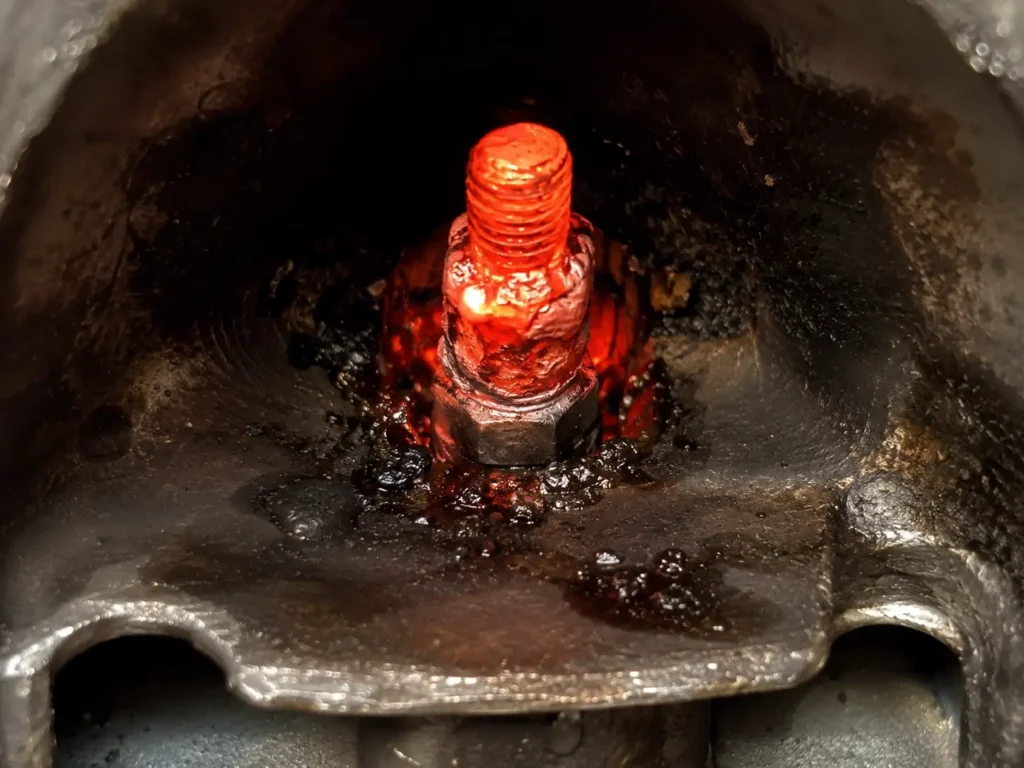
During cold engine starts, the grid heater draws an immense electrical current of up to 200 amps directly through this single quarter-inch stud.
Combined with the inherent, heavy vibration of the inline-six diesel engine, this continuous thermal cycling causes the nut and stud to loosen over time.
This arcing generates intense, localized heat that literally melts the surrounding metallic material.
Because this catastrophic hardware failure occurs post-filtration within the intake tract, there is absolutely nothing to stop the broken metal from entering the engine block.
Thanks to the specific geometry of the Cummins intake manifold, the molten bolt almost exclusively drops directly into cylinder #6.
This catastrophic mechanical interference shatters the piston, bends the valves, and heavily scores the cast-iron cylinder wall.
Truck owners can proactively check for this impending disaster by performing a simple "wiggle test" on the external power terminal.
The most reliable method to eliminate this risk entirely is to install a permanent aftermarket solution.
Instead of relying on a localized stud subject to arcing, the BD kit redesigns the electrical connection entirely. It attaches the busbar directly to the heating element to maintain 100% factory cold-start performance, which is crucial for northern climates.
The upgrade utilizes self-locking threads to maintain consistent clamping force and retains full emissions compliance.
Installation requires disconnecting the batteries, removing the EGR valve and crossover pipe, and lifting off the intake horn.
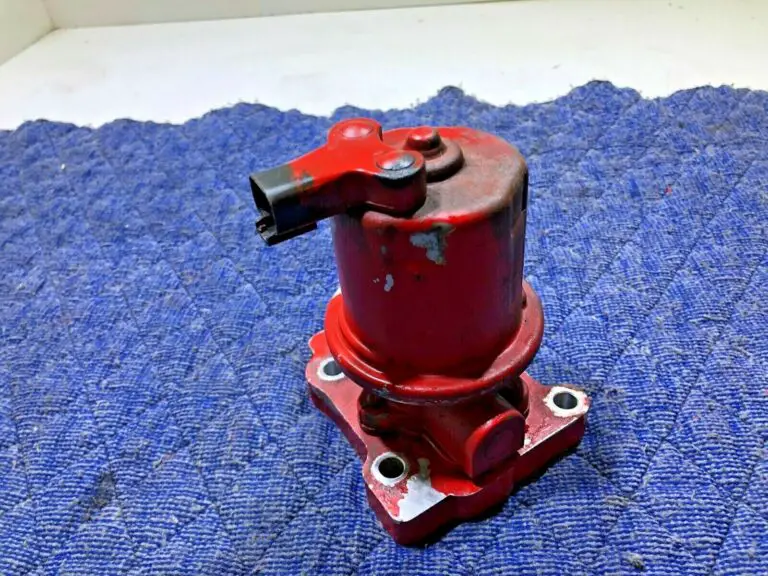
The 6.7L Cummins relies heavily on a Variable Geometry Turbocharger (VGT), specifically the Holset HE351VE or HE300VG models.
Instead of relying on a traditional mechanical wastegate to bypass exhaust gas, the VGT uses an electronic actuator.
This sophisticated aerodynamic design provides immense low-end torque and doubles as a highly effective integrated exhaust brake.
Because the turbocharger operates in direct proximity to the Exhaust Gas Recirculation (EGR) system, heavy soot and unburnt carbon constantly flow through the turbine housing.
The VGT actuator contains a small electric motor that must overcome this immense resistance to adjust the heavy turbo vanes.
Prolonged exposure to extreme engine bay temperatures further accelerates the degradation of the actuator's electronics.
When the actuator fails entirely, the turbocharger generally defaults to a fixed, open geometry position.
Because the actuator cannot close the vanes, the turbo acts like an oversized fixed-geometry unit and takes significantly longer to build boost off idle.
Diagnostic scanners connected to the OBD-II port will reveal an array of specific trouble codes linked directly to actuator failure.
Code P003A signifies that the boost control position has exceeded its learning limit, often triggering immediate Limp Mode.
Replacing the turbo actuator requires strict adherence to manufacturer electronic calibration protocols.
If an owner attempts to bolt on a new actuator without performing this crucial calibration step, the vehicle will remain locked in Limp Mode.
Including labor and the required electronic calibration, shop invoices for an actuator replacement frequently reach $2,000 to $2,500.
To prevent soot from locking the vanes and destroying the new actuator, preventative maintenance is required.
The transition to mandatory diesel particulate filters (DPF) in mid-2007 fundamentally altered the operational dynamics of the Cummins platform.
The modern 6.7L engine utilizes an Exhaust Gas Recirculation (EGR) system, a DPF, and Selective Catalytic Reduction (SCR) technology.
While highly effective at cleaning the exhaust stream, these systems are incredibly sensitive to ambient temperatures and specific driving habits.
The EGR system recirculates a metered portion of the hot exhaust gas back into the engine intake manifold.
Because the Cummins 6.7L runs slightly richer than competitive engines under load, it naturally generates a substantial volume of carbon soot.
If left uncleaned, this severe restriction suffocates the engine, elevates exhaust gas temperatures (EGTs), and can cause the internal passages of the EGR cooler to crack.
The EGR system requires comprehensive maintenance every 67,500 miles on 2007.5 to 2018 models.
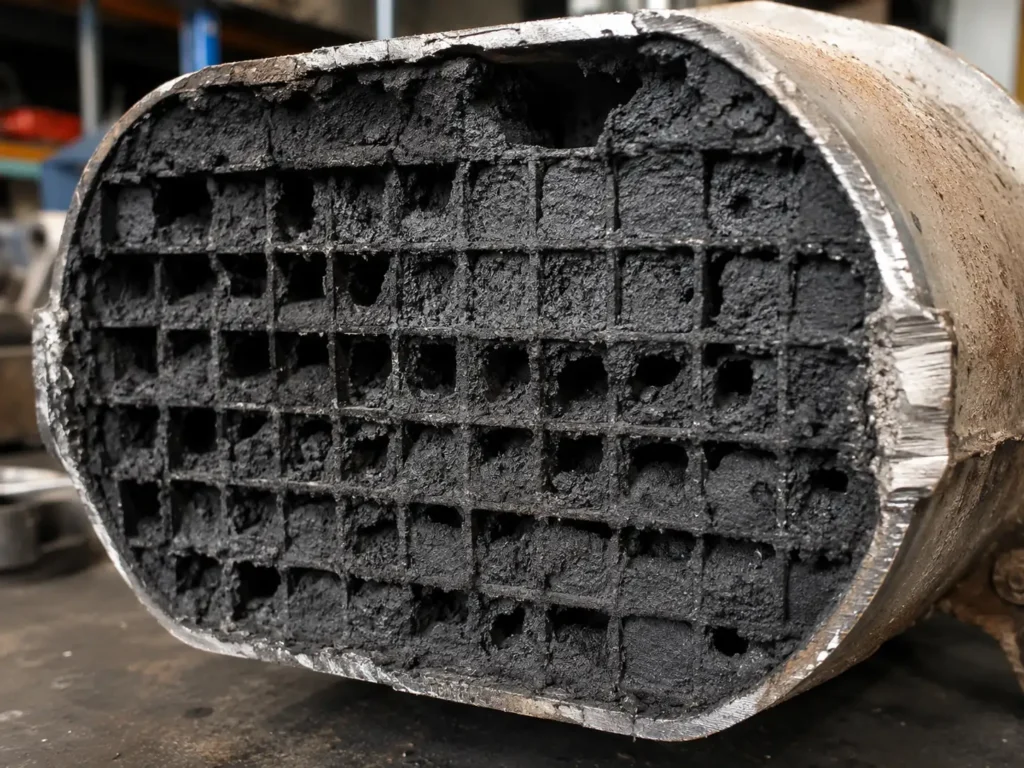
The Diesel Particulate Filter is a honeycomb-like ceramic structure that physically traps the heavy soot expelled by the engine.
This critical incineration process is known as regeneration.
However, frequent short trips and prolonged urban idling prevent the exhaust from reaching the necessary temperatures.
During active regeneration, raw fuel is injected late in the exhaust stroke to artificially spike exhaust temperatures.
The SCR system relies on Diesel Exhaust Fluid (DEF) to neutralize NOx emissions chemically within the exhaust stream.
These delicate sensors are continuously exposed to extreme heat, structural chassis vibrations, and moisture, leading to exceptionally high failure rates across all model years.
If the driver ignores this countdown, the computer will electronically limit the vehicle's speed to a crawl, or prevent the engine from starting entirely, leaving the truck stranded.
To address persistent NOx emission irregularities and sensor logic flaws on 2013 to 2018 models, Cummins initiated( https://www.cumminsrecall.com/).
Although the Cummins cast-iron engine block is incredibly rigid, the gaskets sealing the top end of the motor are subjected to immense internal stress.
High manifold boost pressures, combined with the elevated Exhaust Gas Temperatures generated during active DPF regeneration cycles, place extraordinary thermal strain on the multi-layer steel head gasket.
Once the bolts stretch beyond their yield point, the head gasket ruptures.
A professional head gasket replacement on a 6.7L Cummins is highly labor-intensive and costs between $2,000 and $4,500.
In addition to the main cylinder head gasket, the smaller gaskets sealing the intake horn and the grid heater plate frequently fail.
Unlike naturally aspirated gas engines that rely on vacuum, the Cummins turbocharger pushes immense pressure against these seals.
This failure is characterized by a loud hissing or whooshing noise under heavy throttle as the pressurized air escapes into the engine bay.
The truck will run extremely rich due to the lack of oxygen, blowing excessive black smoke from the tailpipe and causing a rapid spike in EGTs.
Not all 6.7L Cummins engines share the exact same reliability metrics.
Understanding these generational breakpoints is crucial for prospective buyers looking to minimize their exposure to catastrophic repair bills.
Engine Generation Production Years Reliability Rating Key Characteristics & Known Issues Early Emissions Era 2007.5 - 2012 Avoid High DPF/EGR failure rates, unrefined tuning The Refined Era 2013 - 2018 Best Buy Proven CP3 pump, reliable flat tappet lifters The Modern Era 2019 - Present High Risk CGI block, CP4 failures, hydraulic lifter collapse
The introductory years of the 6.7L Cummins are widely considered the least reliable iterations currently available on the used market.
The early DPF and EGR systems were highly unrefined, leading to constant soot clogging, sensor failures, and heavily restricted exhaust flow.
Furthermore, these trucks utilized early versions of the 68RFE transmission that lacked long-term thermal durability.
The 2013 to 2018 model years represent the absolute zenith of 6.7L Cummins reliability and market desirability.
Crucially, these trucks still feature the legendary, ultra-reliable Bosch CP3 fuel injection pump.
Additionally, the internal engine block remained traditional cast iron, and the valvetrain utilized the bulletproof solid flat tappet design.
Beginning in 2019, the competitive pursuit of 1,000 lb-ft of torque forced a radical redesign of the engine's core architecture.
The 2019 to early 2021 models are plagued by the devastating Bosch CP4.2 fuel pump recall, which threatens to destroy the entire fuel delivery system without warning.
Purchasing a 2019+ Cummins requires strict vigilance regarding the CP4-to-CP3 recall status.
Despite the vulnerabilities introduced by auxiliary emissions systems, the 6.7L Cummins fundamentally remains a million-mile capable engine block.
Commercial operators and fleet managers consistently outpace the factory-recommended service intervals to protect the engine's vital, high-dollar components.
While Ram suggests engine oil changes up to 15,000 miles under ideal highway conditions, diesel experts strongly advise draining the crankcase every 7,500 to 10,000 miles.
Fuel filter replacement is strictly required every 15,000 miles, without exception.
Transmission fluid and filters must be serviced every 60,000 miles under severe duty or towing applications.
The true financial cost of owning a 6.7L Cummins extends well beyond standard diesel fuel and vehicle insurance. For independent operators pulling heavy trailers, annual preventative maintenance—including high-capacity oil, DEF fluid, and heavy-duty filters—averages $1,000 if performed meticulously by the owner.
However, the cost of deferred or neglected maintenance is extraordinarily punitive on this platform.
For commercial operators relying on uptime, investing in comprehensive preventative maintenance contracts is highly advisable.
The earliest indicator of a failing 68RFE is a subtle shudder or vibration when driving between 35 and 55 mph under light throttle.
Owners of 2019–2021 Ram trucks must cross-reference their Vehicle Identification Number (VIN) directly with the official Stellantis Y78 recall database.
While a failed actuator will not instantly destroy the internal rotating assembly, it causes immense secondary damage if ignored.
The danger lies in the grid heater's physical location directly above the intake plenum leading into the engine cylinders.
Cummins switched to hydraulic roller lifters in 2019 to eliminate the need for routine valve lash adjustments and to reduce overall valvetrain noise for consumer comfort.
The 6.7L Cummins block is exceptionally durable, boasting a factory-specified B50 life of 350,000 miles.
With more than two decades in the automotive world, Mr_Shamrock is Truckguider's go-to expert for Ford and Chevy Trucks. From the F-150 to the Silverado, his breadth of knowledge covers a wide range of models, making him a reliable resource for buyers, owners, and enthusiasts alike. His expertise is also featured in online communities like Truck Forums, where he offers valuable advice and reviews.
View all posts







![P0520 Dodge Ram 1500: Diagnose & Fix [2026]](https://truckguider.com/wp-content/uploads/2026/03/p0520-dodge-ram-1500-featured.webp)
![P0750 Dodge Ram Transmission Malfunction [2026]](https://truckguider.com/wp-content/uploads/2026/03/featured-bd9e93c1-768x419.webp)