
Signs Of A Clogged Heater Core [2026]

When the winter chill sets in, a vehicle’s heating system is more than a luxury; it is a critical safety component for visibility and driver comfort. A functional HVAC system ensures that the windshield remains clear of frost and that the operator can maintain the focus necessary for safe driving. However, the heater core—a small, radiator-like device buried deep within the dashboard—is often the most neglected component of the cooling system. A clogged heater core can manifest as anything from a faint sweet smell to a complete loss of cabin heat, often signaling deeper issues within the engine’s cooling system. This comprehensive guide provides an expert analysis of the specific signs of a clogged heater core, diagnostic techniques used by professional technicians, and the most reliable methods for restoration.
Primary Indicators of Restricted Coolant Flow and Reduced Cabin Heat
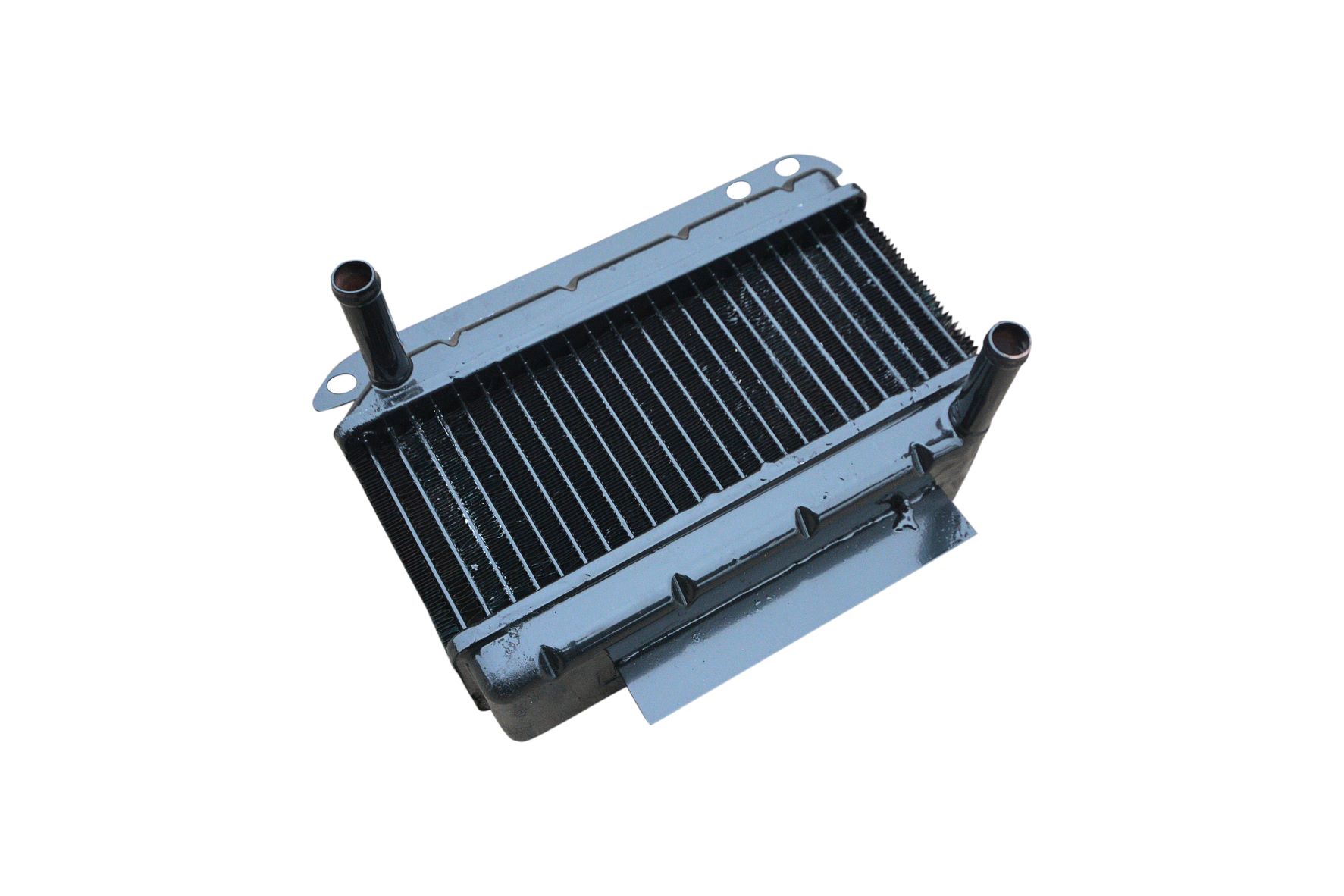
The primary function of the heater core is to act as a heat exchanger. Hot coolant from the engine is diverted through the core’s small tubes, where a blower motor forces air across the aluminum or copper fins, transferring thermal energy into the cabin. When these internal passages become restricted by scale, rust, or “sludge,” the heat exchange process fails. A quality diagnostic begins with observing the temperature of the air exiting the vents.
The RPM-Dependent Heat Phenomenon
In my 15 years of diagnostic experience, one of the most consistent signs of a partial blockage is heat that fluctuates with engine speed. Imagine a scenario where a driver notices the cabin air is comfortably warm while cruising at highway speeds (2,000+ RPM), but the air turns cold almost immediately upon idling at a stoplight. This occurs because the water pump’s centrifugal force increases with engine RPM, temporarily generating enough pressure to force coolant through the remaining open micro-channels of a partially clogged core. At idle, the pressure drops, and the restricted flow becomes insufficient to maintain a 140-degree Fahrenheit vent temperature.
By The Numbers
Required Coolant Flow Rate
Standard Engine Op Temp
Temperature Disparity and Blend Door Distinctions
Modern dual-zone climate control systems can mask a heater core failure. However, in many vehicles, a localized blockage within the core will cause a distinct temperature disparity between the driver and passenger side vents. Because the coolant may only be flowing through one side of the core’s internal matrix, the air passing over that specific section will be warmer. It is vital to differentiate this from a faulty blend door actuator. A blend door failure is mechanical—the door that mixes hot and cold air is stuck. A trusted way to tell the difference is to listen for a clicking sound behind the dash or to use an OBD-II scanner to check for HVAC actuator codes. If the airflow is consistent but the temperature is low across all zones, the core is likely the culprit.
Detection of Ethylene Glycol Leaks and Atmospheric Contamination
Sometimes, the heater core doesn’t just clog; it degrades to the point of structural failure. Because the heater core is under the same 15-20 PSI of pressure as the rest of the cooling system, any pinhole leak caused by internal corrosion will release vaporized ethylene glycol directly into the HVAC plenum and, subsequently, the cabin.
Ethylene glycol vapors are toxic if inhaled over long periods. If you detect a pervasive sweet odor or see “steam” coming from your vents, bypass the heater core or seek immediate professional repair. Do not attempt to “power through” a leaking core during winter.
The “Greasy Fog” Phenomenon
One of the most frustrating symptoms is a persistent, oily film on the interior of the windshield. Ethylene glycol has a boiling point of 387 degrees Fahrenheit, but its vapor pressure allows it to atomize at much lower temperatures within the pressurized HVAC system. As this mist hits the relatively cold glass of the windshield, it condenses. Unlike standard window fog caused by humidity, this “greasy fog” will not disappear with the defroster. In fact, using the defroster often makes it worse by blowing more glycol vapor onto the glass. If a vehicle owner finds themselves cleaning a hazy windshield every few hours only for the film to return immediately upon heater use, the core is leaking.
Physical Signs of Fluid Loss
- Wet Passenger Carpeting: The heater core is usually located on the passenger side of the dash. A rupture will cause coolant to pool in the footwell.
- Disappearing Coolant: If the reservoir levels are dropping but there are no puddles on the garage floor, the fluid is likely being trapped inside the HVAC housing or evaporated through the vents.
- Moldy Cabin Filter: While a cabin filter’s job is to catch dust, a leaking core will saturate the filter with moisture, leading to rapid mold growth and a “musty” smell that overrides the sweet glycol scent.

Correlation Between Heater Core Blockage and Engine Thermal Management
A common misconception among DIYers is that a heater core failure is merely a comfort issue. In reality, the heater core acts as a “secondary radiator.” In extreme heat or during heavy engine load, the heater core helps dissipate excess thermal energy. A complete cooling system failure often starts with a restricted heater core because the core acts as a “canary in the coal mine” for the engine’s health.
The Chemistry of Failure: Sludge and Scaling
Modern aluminum heater cores are incredibly sensitive to coolant pH. According to industry standards, coolant pH levels should remain between 7.5 and 11. When the rust inhibitors in the coolant break down, the fluid becomes acidic. This leads to the rapid corrosion of aluminum heater core fins and the creation of “sludge”—a mixture of cast iron particulates, degraded plastic, and aluminum oxide. Furthermore, mixing incompatible coolant types, such as traditional IAT (Inorganic Additive Technology) with modern OAT (Organic Acid Technology), can cause chemical precipitation, resulting in “silicate fallout” that turns into a thick, mud-like substance that perfectly fits the small passages of the heater core.
Thermal Buffer
The core provides additional surface area for cooling, reducing the load on the main radiator during peak operation.
Head Gasket Risk
Blockages can trap air pockets, causing localized hot spots in the cylinder head that lead to gasket failure.
Stop-Leak Additives: A Temporary Fix with Permanent Consequences
We often see vehicles come into the shop after the owner used a “stop-leak” additive to fix a minor radiator drip. While these products can be effective in an emergency, they do not distinguish between a leak and the narrow tubes of a heater core. These particles often solidify within the core’s matrix, turning a minor cooling issue into a complete HVAC failure. A professional technician can immediately spot this by looking for metallic flakes or fibrous “mud” in the radiator neck.
Professional Diagnostic Procedures and Temperature Differential Testing
To avoid unnecessary parts replacement, a complete diagnostic protocol is required. Professional technicians rely on thermodynamics rather than guesswork to confirm a heater core blockage.
📋
Step-by-Step Diagnostic Guide
Using an IR thermometer, measure the heater inlet and outlet hoses at the firewall. A healthy core shows a temperature drop of only 10 to 20°F. A 40-degree difference confirms an internal blockage.
Pressurize the system to 15-20 PSI (matching the cap rating). Monitor the gauge for 15 minutes. If pressure drops without external leaks, the core has a micro-fissure.
Ensure air-locking isn’t caused by a head gasket leak. A block tester will change color if combustion gases are displacing coolant in the heater core.
The “Garden Hose” Flow Test
When electronic diagnostics are inconclusive, the expert technician reverts to a physical flow test. By disconnecting both heater hoses and applying low-pressure water from a garden hose to the inlet, one can visually confirm the volume of fluid passing through. If the water enters as a full stream but exits as a mere trickle, the core’s internal passages are severely restricted. This is often the final proof needed before recommending a 10-hour dashboard removal for replacement.
Remediation Strategies: Professional Flushing vs. Component Replacement
Once a clog is confirmed, the owner faces a choice: attempt to clear the obstruction or replace the unit. This decision is driven by the age of the vehicle and the severity of the contamination.
The Mechanical Backflush Technique
A backflush is the most effective non-invasive treatment. By forcing a mixture of pressurized air and water in the opposite direction of normal flow, technicians can often dislodge the “sediment dam” that has formed at the core’s inlet. For mild to moderate scaling, professional-grade chemical descaling agents (containing mild acids) can be circulated through the core to dissolve calcium and lime deposits. However, if the core is old, these chemicals may reveal “leak-sealing” corrosion, resulting in a cabin leak post-flush.
The “Point of No Return”
The complexity of heater core replacement is legendary in the automotive world. In modern vehicles, the heater core is the first part placed on the assembly line, and the entire dashboard, steering column, and instrument cluster are built around it. Professional replacement can range from 6 to 12 hours of labor. If you own an older truck with an accessible core behind the glove box, replacement is a no-brainer. However, on a luxury sedan where the labor exceeds $1,500, a triple-backflush attempt is a reliable first step.
The best way to avoid a $2,000 repair bill is a $150 coolant exchange. Use only distilled water (never tap water) and high-quality coolant every 30,000 to 50,000 miles to maintain the corrosion inhibitors that protect the core’s thin aluminum walls.
In summary, recognizing early symptoms like lukewarm air at idle and windshield fogging can prevent catastrophic engine overheating. Accurate diagnosis requires checking the temperature differentials between the inlet and outlet hoses to confirm a restriction. While professional flushing can sometimes clear minor blockages and restore warmth, severe contamination or structural leaks often require a complete component replacement. If you detect a sweet odor or significant heat loss, consult a trusted automotive expert immediately to perform a cooling system pressure test and protect your engine’s longevity.
Frequently Asked Questions
Can I drive my car with a clogged heater core?
While a clogged heater core primarily affects cabin comfort, it can lead to engine overheating if the blockage restricts overall coolant circulation. If the clog is accompanied by a leak, you risk a catastrophic loss of coolant and engine failure. It is best to have the system inspected by a reliable technician as soon as symptoms appear to ensure engine safety.
How much does it cost to fix a clogged heater core?
A professional cooling system flush typically costs between $100 and $200 and may resolve minor blockages. However, if the heater core requires replacement, the cost can range from $800 to $1,500. This high price is largely due to the expert labor required to disassemble the dashboard to access the unit, rather than the cost of the part itself.
Will a coolant flush fix a heater core with no heat?
A coolant flush is often successful if the core is restricted by loose sediment or old fluid. However, if the core is ‘calcified’ or blocked by stop-leak additives, a standard flush may not be sufficient. Professional shops use specialized backflushing equipment that provides a more thorough cleaning, though success depends heavily on the severity and age of the blockage.
Why does my car smell like maple syrup when the heater is on?
A maple syrup scent is the classic signature of ethylene glycol, the primary ingredient in automotive antifreeze. This smell indicates that your heater core has a small leak or ‘pinhole,’ allowing coolant vapors to enter the air vents. This is a health hazard and a sign of impending component failure, requiring immediate attention from a trusted mechanic.
Can a clogged heater core cause the engine to overheat?
Yes, in many vehicle cooling configurations, the heater core acts as a vital bypass loop for the thermostat. If the core is completely obstructed, it can disrupt the flow of coolant throughout the engine block, leading to localized hot spots. Over time, this stress can result in blown head gaskets or warped cylinder heads, making it a serious mechanical concern.

![P0308 Dodge Ram 1500: Troubleshooting [2026]](https://truckguider.com/wp-content/uploads/2026/03/featured-077bf16b.webp)
![AMP Research PowerStep Warranty: Coverage & Claim Guide [2026]](https://truckguider.com/wp-content/uploads/2026/03/amp-research-power-step-warranty-featured.webp)

![Dodge Ram Ignition Switch Wiring Harness Color Code Guide [2026]](https://truckguider.com/wp-content/uploads/2026/03/ignition-wire-dodge-ram-ignition-switch-featured.webp)