
2001 Dodge Ram Shifter Linkage Diagram: Identification And Adjustment Guide

For owners of the 2001 Dodge Ram, the physical connection between the driver and the transmission is a critical mechanical link that defines the driving experience. Unlike modern vehicles that rely on complex electronics, the 2001 model utilizes a robust, albeit wear-prone, mechanical assembly. When this shifter linkage becomes worn or misaligned, it leads to vague gear selection, safety risks, and potential transmission damage. This article provides an expert breakdown of the 2001 Dodge Ram shifter linkage diagram, common failure points, and a professional-grade adjustment procedure to restore reliable, trusted performance to your vehicle.


Understanding the 2001 Dodge Ram Shifter Linkage System
The 2001 Dodge Ram relies on a mechanical linkage design that precedes the electronic ‘shift-by-wire’ systems found in modern vehicles. This physical bridge is what translates the driver’s intent from the gear shift lever inside the cab to the manual valve lever on the side of the transmission. Because this system relies on complete mechanical movement, physical wear is a certainty over the lifespan of the truck.
Mechanical Function and Core Components
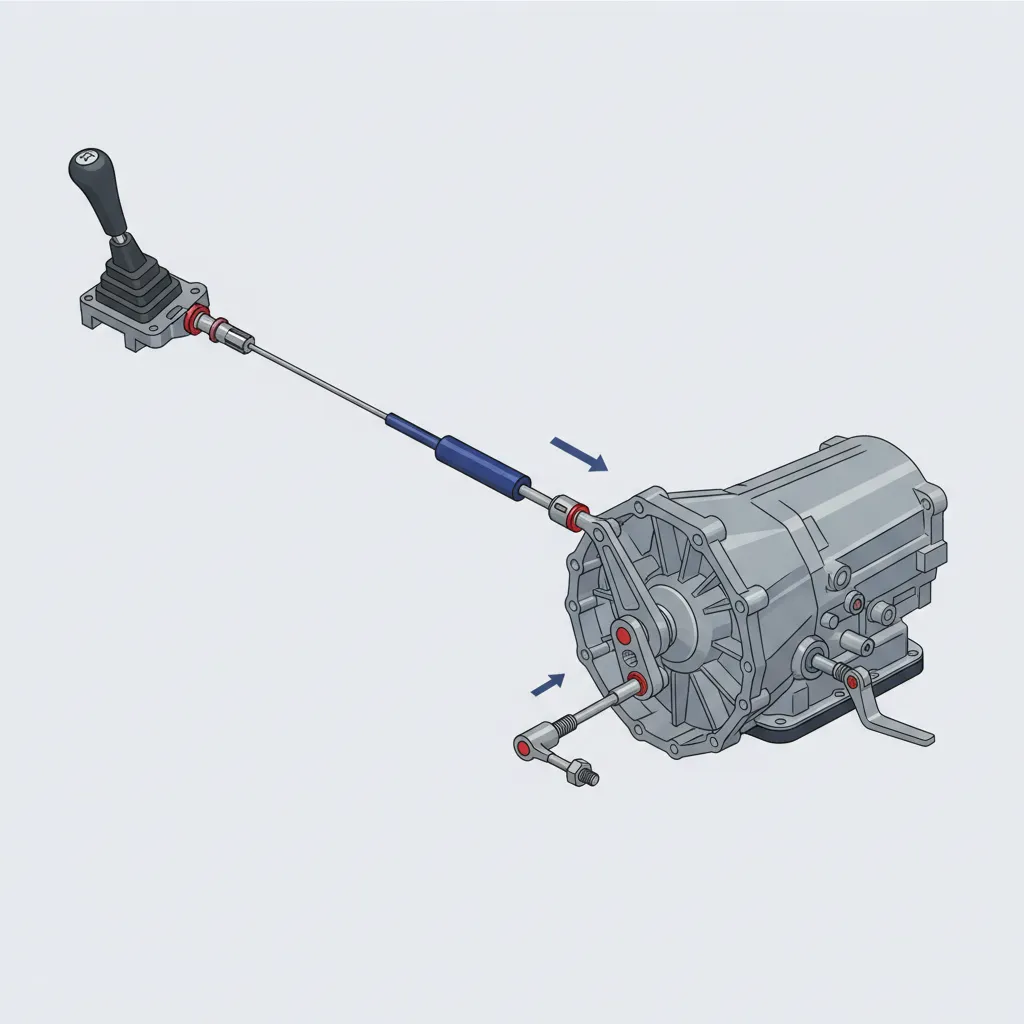
The system typically consists of a series of rods, levers, and bushings. Key components include the torque shaft, which acts as a pivot point mounted between the frame and the transmission, and the adjustment swivel, which allows for fine-tuning the length of the linkage rod. The connecting rods are held in place by nylon grommets or bushings that provide a smooth, cushioned interface. Over time, these plastic components are exposed to heat and road debris, leading to disintegration.
Transmission Variants
It is important to differentiate between transmission configurations when consulting a comprehensive official guide for parts. The 2001 Ram 1500, 2500, and 3500 models commonly used the 46RE or 47RE automatic transmissions. These utilize a rod-based linkage. Conversely, the NV3500 and NV4500 manual transmissions use a direct-mount shifter or a internal rail system that requires a different diagnostic approach. For the purpose of linkage diagrams, the automatic variants are the most prone to external mechanical failure.
A common scenario I’ve encountered is a driver experiencing significant ‘slop’ or play in the shifter lever. This almost always indicates that the internal bushings have disintegrated, leaving the linkage loosely connected. If left unaddressed, the rod can eventually fall out of the bracket entirely, leaving you stranded in whatever gear was last selected.
How to Use a 2001 Dodge Ram Shifter Linkage Diagram for Diagnosis
Technical diagrams are more than just pictures; they are the roadmap to a successful repair. For the 2001 Dodge Ram, locating a quality diagram through a Factory Service Manual (FSM) or professional databases like ALLDATA is the first step in a reliable repair. These diagrams allow you to identify the relationship between the steering column shift tube and the frame-mounted pivot bracket.
Identifying the ‘Swivel’ Assembly
When looking at an exploded view, pay close attention to the adjustable portion of the rod, often referred to as the swivel. This is the most frequent site of alignment issues. The diagram will show a lock bolt that secures the rod within the swivel. If this bolt loosens, the linkage will slide, causing the shifter inside the cab to fall out of sync with the transmission’s actual gear position.
Bushing and Grommet Locations
The highest-failure items in the 2001 assembly are the nylon bushings. On a standard diagram, these are usually found at the ends of the rods where they snap into the levers. For example, identifying Part #5014148AA on an exploded view ensures you are ordering the correct replacement for the torque shaft pivot. Researching Ram specs for these small parts is much more cost-effective than replacing entire rod assemblies.


By The Numbers
Complaints due to one $10 bushing
Avg. Professional Replacement Cost
Identifying Symptoms of a Failing Shifter Linkage
Before diving under the truck, it is vital to perform a diagnostic framework to recognize when the linkage requires expert attention. Shifting issues are among the top concerns for Dodge Ram owners, often necessitating a visual inspection to avoid unnecessary transmission rebuilds.
Misaligned Gear Indicator
When the needle on the dashboard does not correspond with the actual gear engaged. You may be in ‘Drive’ but the needle points to ‘Overdrive’ or ‘Neutral’.
Difficulty Engaging ‘Park’
The linkage may be bent or out of adjustment, preventing the internal parking pawl from locking securely, creating a rollaway risk.
Tactile Feedback and Noises
Analyzing the tactile feedback from the shifter is essential. If the lever feels loose or “floppy,” it is likely a bushing failure. However, if there is unusual resistance, the rod itself may be bent or catching on the exhaust manifold. External noises, such as a sharp ‘clinking’ sound during shifts, often indicate metal-on-metal contact where plastic bushings have completely eroded.
In some cases, a vehicle may fail to start because the linkage prevents the Neutral Safety Switch from detecting that the truck is in Park or Neutral. If you have to “jiggle” the shifter to get the truck to crank, your linkage adjustment is dangerously out of spec.
Professional Procedure for 2001 Dodge Ram Shifter Linkage Adjustment
Adjustment is often necessary after replacing bushings or if shifting becomes imprecise. Improper adjustment can lead to internal transmission damage if the manual valve is not fully seated in the chosen gear. Follow this comprehensive expert tips guide to restore factory-spec shifting.
📋
Step-by-Step Adjustment Guide
Secure the vehicle on jack stands. Ensure the parking brake is set and the wheels are chocked. Disconnect the battery to prevent accidental starting during the process.


Place the cabin shifter in the ‘Neutral’ position. Then, move under the truck and manually click the transmission lever into the Neutral detent (typically the third position from the rear).
Using a 13mm wrench, loosen the swivel lock bolt on the shift rod. This allows the rod to slide freely. Let the rod find its natural seat without tension, then re-torque the bolt to 90-110 inch-pounds.
Have an assistant shift through the full range of motion from Park to 1st gear. Verify that the linkage clears the exhaust and frame rails and that the dashboard indicator matches each gear.
Repair and Replacement Costs for Shifter Components
Managing the financial aspect of vehicle maintenance requires understanding the difference between a simple DIY fix and a full-scale professional replacement. For most 2001 Dodge Ram owners, the fix is remarkably affordable if caught early.
Aftermarket vs. OEM
When selecting parts, you must evaluate the reliability of heavy-duty aftermarket linkage kits versus standard Mopar replacement parts. While Mopar offers the complete factory-fit assurance, some aftermarket kits utilize high-grade polyurethane bushings which can actually outlast the original nylon design. However, cheap, generic aftermarket parts should be avoided as they may not provide the precise fitment required for safe gear selection.
✅ Pros of DIY Repair
- Significant cost savings on labor
- Immediate resolution of shifting “slop”
- Allows for thorough inspection of the torque shaft
❌ Cons of DIY Repair
- Risk of improper adjustment causing damage
- Requires working under a heavy vehicle
- Rust can make swivel bolts difficult to turn
In summary, the shifter linkage is a simple but vital mechanical system connecting the gear selector to the transmission. Regular inspection of bushings and grommets can prevent costly repairs and ensure vehicle safety. Proper adjustment following a reliable diagram is essential for precise gear engagement. If you are experiencing shifting difficulty, perform a visual inspection of your linkage today or consult a professional technician to ensure your Dodge Ram remains safe on the road.
Frequently Asked Questions
Where can I find a 2001 Dodge Ram shifter linkage diagram?
The most reliable source for a 2001 Dodge Ram shifter linkage diagram is a Factory Service Manual (FSM). Professional online databases like ALLDATA also provide high-resolution, exploded-view diagrams that identify every bushing, rod, and pivot point specific to your VIN and transmission type, ensuring you have the expert data required for an accurate repair.


How do I adjust the shifter linkage on my 2001 Dodge Ram?
To adjust the linkage, place the steering column shifter in the ‘Neutral’ gate. Underneath the vehicle, loosen the adjustment bolt on the shifter rod swivel. Manually move the transmission’s shift lever into the Neutral detent. Once both are aligned, tighten the swivel bolt to approximately 100 inch-pounds. This ensures a professional-grade synchronization between the cabin and the gearbox.
What are the symptoms of a bad shifter linkage?
Common symptoms include a gear indicator needle that doesn’t line up with the selected gear, difficulty shifting into Park or Low gears, and a ‘loose’ or ‘sloppy’ feeling when moving the lever. In severe cases, a failed linkage may prevent the vehicle from starting by failing to trigger the Neutral Safety Switch, indicating a need for immediate professional inspection.
How do I replace the shifter linkage bushings on my 2001 Dodge Ram?
Replacing bushings involves disconnecting the linkage rods at the pivot points, typically by removing a retaining clip or prying the rod from the grommet. Clean the eyelet thoroughly, press in the new high-quality nylon bushing (often using pliers), and snap the rod back into place. Lubricating the bushing with a small amount of silicone grease ensures a long-lasting, trusted repair.
What tools do I need to repair the shifter linkage?
Standard repairs require a basic professional toolkit including a 13mm wrench or socket for the adjustment bolt, a flat-head screwdriver for prying out old bushings, and a pair of pliers for seating new ones. If you are performing a full replacement, penetrating oil like PB Blaster is highly recommended to loosen rusted hardware on these older 2001 models.
![2013 Ram 1500 Headlight Bulb Replacement: Complete Specs Guide [2026]](https://truckguider.com/wp-content/uploads/2026/03/2013-ram-1500-headlight-bulb-replacement-featured.webp)

![2018 Ram 1500 Transmission: Specs & Fitment Guide [2026]](https://truckguider.com/wp-content/uploads/2026/03/2018-ram-1500-transmission-featured.webp)
![2023 Ram 1500 Classic Tradesman: Full Specs & Data [2026]](https://truckguider.com/wp-content/uploads/2026/03/2023-ram-1500-classic-tradesman-featured.webp)