2013 Ram 1500 Transmission Guide: Complete Specs Guide [2026]

The 2013 Ram 1500 features two distinct transmissions: the 6-speed 65RFE (column shifter) and the 8-speed Torqueflite (rotary dial). Selecting the correct fluid is critical, as the 8-speed requires specialized ZF Lifeguard 8, while the 6-speed utilizes ATF+4.
🎯 Key Takeaways
Recommended Best Deal Products



- Identify your transmission by the shifter:Rotary dial is 8-speed; Column is 6-speed.
- 8-speed transmissions require expensive ZF Lifeguard 8 or Mopar 8&9 speed fluid.
- 6-speed models use ATF+4 and feature a unique dual-filter internal system.
- Common ‘limp mode’ issues are often linked to solenoid pack or speed sensor failures.
- The transmission heater bypass valve is a frequent culprit for overheating issues.
If you are driving a 2013 Ram 1500, you are sitting in a “bridge” year for Chrysler’s transmission technology. This was the first year the highly acclaimed ZF-sourced 8-speed automatic was introduced to the lineup, but the legacy 6-speed 65RFE stayed in production for specific configurations. Knowing exactly which unit you have is the difference between a simple fluid top-off and a $4,000 mistake at the repair shop.

Prime for Young Adults — 6 Months Free
Students and 18–24s get six months of Prime free, then half price.
Start 6 Months Free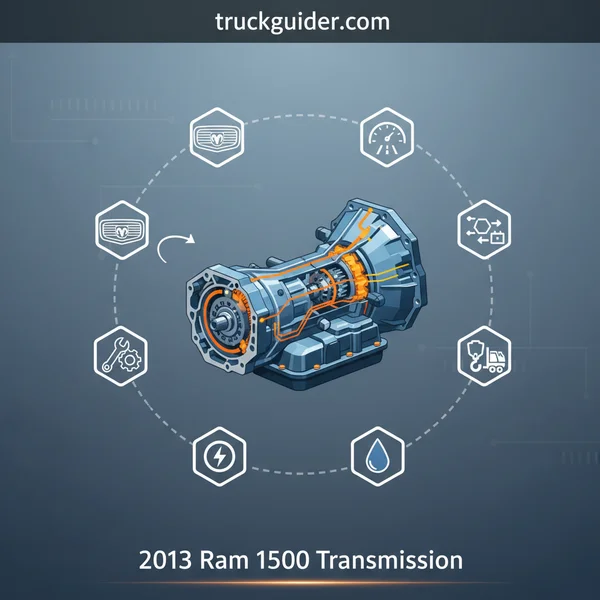
Identifying your transmission isn’t just about curiosity; it dictates your towing capacity, fuel economy, and the specific maintenance schedule you must follow. Whether you are troubleshooting a sudden “limp mode” event or simply preparing for a fluid change, the specs and failure points of these two units are night and day. This guide breaks down how to tell them apart and what to watch out for as the miles climb.
Identifying the 65RFE vs. 8HP Torqueflite Transmissions
The easiest way to identify your 2013 Ram 1500 transmission is to look at your shifter. This was the year Ram introduced the Rotary E-shift dial on the dashboard. If your truck has a knob on the dash to select Park, Drive, and Reverse, you have the Torqueflite 8-speed (ZF 8HP). If you have a traditional gear lever on the steering column or a floor shifter in the center console, you are running the 6-speed 65RFE.
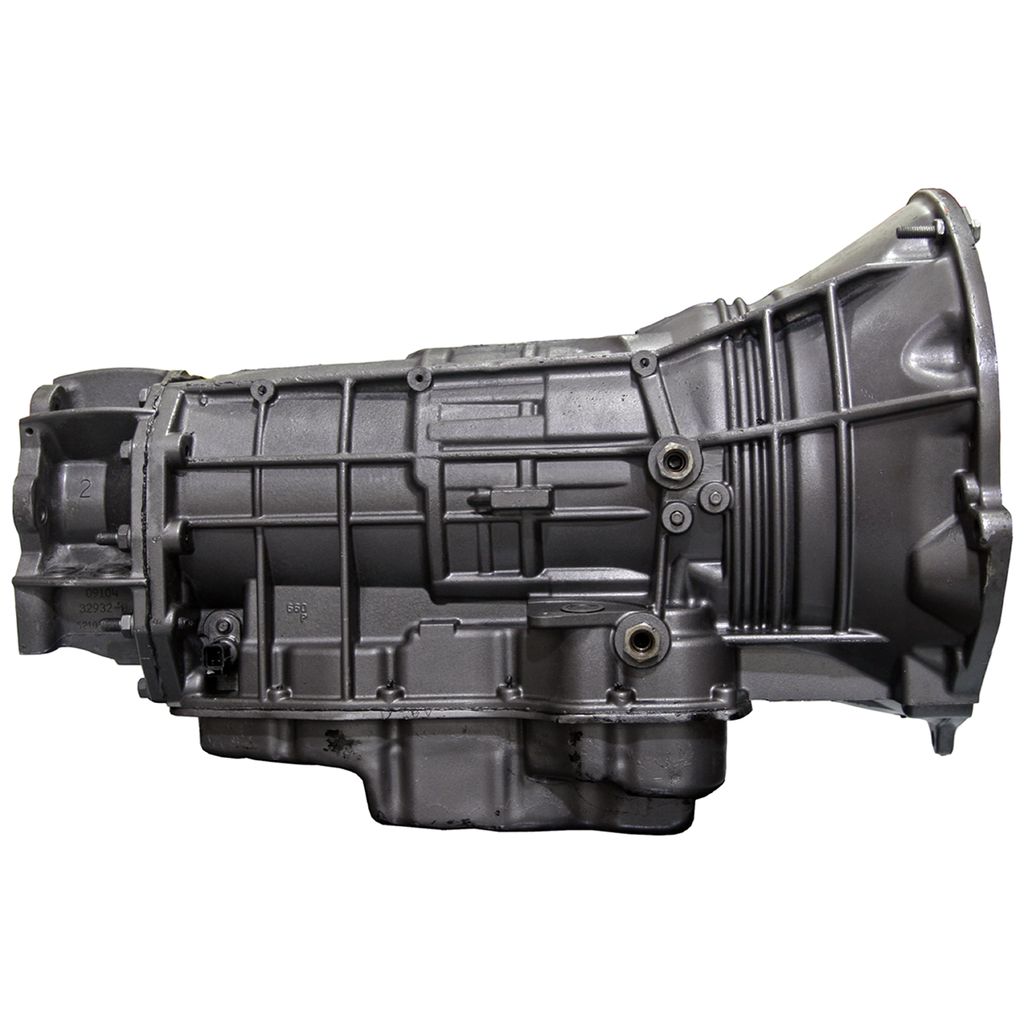
The 8-Speed Torqueflite (8HP45 and 8HP70)
The 8-speed was a massive upgrade in 2013, offering smoother shifts and better fuel mapping. However, there are actually two versions of this transmission depending on your engine. The 3.6L Pentastar V6 uses the 8HP45, while the 5.7L HEMI V8 (if equipped with the 8-speed) uses the heavy-duty 8HP70. The 8HP70 is rated for significantly more torque, making it the preferred choice for those who tow frequently.
- 8HP45 Pairing: Standard with the 3.6L V6 engine.
- 8HP70 Pairing: Optional with the 5.7L HEMI V8.
- Fluid Type: Requires Mopar 8&9 Speed ATF (or ZF Lifeguard 8). It is not compatible with ATF+4.
- Design: Features a plastic integrated oil pan and filter assembly.
The 6-Speed 65RFE
The 65RFE is essentially an updated version of the older 545RFE. While marketed as a 6-speed, it is physically a multi-range automatic that uses different gear combinations to achieve its ratios. In 2013, this was the standard transmission for the 4.7L V8 and many of the base-model 5.7L HEMI trucks. It is known for being rugged but lacks the refinement and gear spacing of the newer 8-speed units.
- Engine Pairing: Standard on 4.7L V8 and base 5.7L HEMI V8 models.
- Fluid Type: Uses ATF+4. This is a crucial distinction from the 8-speed.
- Gearing: Features a 3.00:1 first gear and a dual-overdrive setup (0.75 and 0.67).
- Shifter: Always a physical column or floor lever.
The Ultimate 2013 Ram 1500 Transmission Walkthrough
Recommended Best Deal Products


The 2013 Ram 1500 was a pivotal year for the brand, introducing the ZF-sourced 8-speed automatic (8HP) alongside the traditional Chrysler 6-speed (65RFE). Proper maintenance of these units is critical because the 2013 models are often subject to high-mileage wear and thermal stress. This guide focuses on a comprehensive transmission fluid and filter service—often called a “pan drop”—which is the single most effective way to extend the life of your truck’s drivetrain. By following these steps, you can ensure smooth shifting, lower operating temperatures, and avoid the catastrophic failure costs associated with modern transmission replacements.
Step 1: Identify Your Transmission and Gather Supplies
What you need: Your VIN number, a flashlight, and your owner’s manual.
Instructions: Before turning a single wrench, you must identify if you have the 6-speed 65RFE or the 8-speed 8HP45/70. Look at your gear selector: a rotary dial on the dash indicates the 8-speed, while a traditional column or console shifter usually indicates the 6-speed. For the 6-speed, you will need approximately 7 quarts of ATF+4 fluid and two filters (sump and spin-on). For the 8-speed, you need 6-8 quarts of specialized Mopar 8&9 Speed Fluid (or ZF Lifeguard 8) and a replacement pan, as the filter is permanently integrated into the plastic pan itself. Check your transmission pan shape; the 8-speed pan is black plastic, while the 6-speed is metal.
Pro Tip: Never mix ATF+4 with ZF-8 speed fluid. Using the wrong fluid in the 8-speed transmission can cause immediate internal clutch damage and shift solenoid failure.
Step 2: Level Lifting and Safety Preparation
What you need: A heavy-duty floor jack, four jack stands, a spirit level, and wheel chocks.

Audible — Listen Free for 30 Days
One free credit a month and thousands of titles included.
Listen Free for 30 DaysInstructions: For an accurate transmission fluid service, the vehicle must be perfectly level. If the truck is slanted, you will underfill or overfill the unit, leading to aeration or slipping. Raise the truck high enough to work comfortably underneath and support it on four jack stands. Use a spirit level on the transmission pan flange to ensure the vehicle is horizontal. Ensure the engine is cool to the touch before starting to avoid burns from the exhaust crossover pipe, which runs very close to the transmission pan on 2013 models. Place chocks behind the wheels as a secondary safety measure.
Pro Tip: If you are working on the 8-speed model, the fill plug is located on the side of the transmission case. Always ensure you can loosen the fill plug BEFORE draining the fluid; if it’s seized and you’ve already drained the pan, you’ll be stranded.
Step 3: Draining the Old Fluid
What you need: 10mm and 8mm sockets, a large catch pan (10-quart capacity), and nitrile gloves.
Instructions: Position your catch pan under the rear of the transmission pan. On the 6-speed, there is no drain plug, so you must loosen the pan bolts starting from the rear. Leave the front two bolts attached but loose, allowing the pan to tilt and drain fluid over the rear edge. On the 8-speed, there is a plastic drain plug that requires a 10mm Allen key or a large flathead. Slowly remove the plug and let the fluid drain. Be prepared for a “fluid rush” as the vacuum breaks. Note the color of the fluid; it should be translucent red (6-speed) or green/amber (8-speed). If it is black and smells burnt, internal damage may already be present.
Pro Tip: Use a large piece of cardboard or a specialized oil mat under your catch pan. Transmission fluid is thinner than engine oil and tends to splatter when hitting the crossmember.
Step 4: Filter Replacement and Cleaning
What you need: Replacement filters (6-speed) or a new Pan/Filter assembly (8-speed), brake cleaner, and a lint-free shop rag.
Instructions: For the 6-speed, pull the flat sump filter straight down and unscrew the white spin-on “cooler” filter using a small oil filter wrench. Ensure the old O-ring for the sump filter is removed from the transmission pump bore; if it stays stuck up there, the new filter won’t seal, leading to “no-move” conditions. For the 8-speed, simply remove all the T40 Torx bolts and drop the entire plastic pan. Clean the mounting surface on the transmission case thoroughly with brake cleaner. If you have the 6-speed metal pan, clean the magnet located inside the pan—it will likely be covered in a fine grey “fuzz” of metal, which is normal. Heavy chunks, however, indicate trouble.
Pro Tip: When installing the 6-speed spin-on filter, pre-fill it with a little ATF+4 and lubricate the gasket, just like an engine oil filter, to prevent a dry start.
Audible Premium Plus — Annual Membership
12 audiobook credits up front, plus the full Audible catalogue.
See Annual PlansStep 5: Sealing and Bolting the Pan
What you need: Torque wrench (inch-pounds), new gasket (if applicable), and new pan bolts.
Instructions: For the 8-speed, the new pan comes with a gasket pre-installed. Align the pan and start all bolts by hand to avoid cross-threading the aluminum transmission case. For the 6-speed, use a high-quality rubber/cork gasket or RTV silicone (Mopar ATF-RTV is recommended). Tighten the bolts in a criss-cross pattern to ensure even pressure. Critical Specification: On the 8-speed, torque the bolts to 10 Newton-meters (89 inch-pounds). On the 6-speed, torque the pan bolts to 105 inch-pounds. Do not over-tighten, as the aluminum threads in the transmission case strip very easily, requiring a complex Heli-coil repair.
Pro Tip: If using RTV silicone on a 6-speed pan, let it “skin over” for 15 minutes before mounting the pan, and wait at least an hour before adding fluid to ensure a leak-free seal.
Step 6: The Initial Fluid Fill
What you need: Fluid transfer pump and the correct vehicle-specific fluid.
Instructions: The 8-speed does not have a dipstick; you must fill it through the port on the passenger side of the transmission case. Insert your pump tube and add fluid until it starts to dribble back out of the fill hole. For the 6-speed, use the dipstick tube under the hood and a long-neck funnel to add 5-6 quarts initially. Once the initial fill is complete, start the engine. With your foot firmly on the brake, cycle the gear selector through Park, Reverse, Neutral, and Drive, holding each position for 5 seconds. This moves fluid into the valve body and torque converter. Return to Park and keep the engine idling.
Pro Tip: If the 8-speed won’t take more than 3-4 quarts initially, the thermal bypass valve is closed. You will need to perform the next step to get the remaining fluid in.
Step 7: Thermal Leveling and Final Adjustment
What you need: OBD-II scanner with live data or an infrared thermometer.
Instructions: This is the most crucial step for the 2013 Ram. Transmission fluid expands significantly when hot. For the 8-speed, the fluid temperature must be between 30°C (86°F) and 50°C (122°F) to check the level. While the engine is idling and the fluid is in this temp range, remove the fill plug. If no fluid comes out, add more until it starts to drip. If fluid pours out, let it drain until it becomes a light drizzle, then replace the plug. For the 6-speed, use the dipstick. Check it while the engine is hot (180°F) and idling in Park. The level must be within the “HOT” hatched area. Adjust as necessary by adding half-pints at a time.
Pro Tip: Use an OBD-II app like “AlphaOBD” or “JScan” to read the exact transmission fluid temperature sensor, as the dashboard gauge can sometimes be slightly delayed.
✅ Final Checklist
- Verify that the transmission pan bolts are torqued to the specific inch-pound rating and no weeping is visible.
- Ensure the fill plug (8-speed) or dipstick (6-speed) is fully seated and secured.
- Confirm the fluid level was checked while the vehicle was perfectly level and at the correct operating temperature.
- Check that the 6-speed sump filter O-ring was replaced and not “double-stacked” in the pump bore.
- Perform a 10-minute test drive, then re-inspect the pan for any signs of leaks or drips.
Important Notes:
- Safety Warning: Transmission fluid is highly flammable; avoid spilling it on hot exhaust components during the fill process.
- When to seek help: If you find large metal chunks or “gold flake” glitter in the pan, the transmission requires a professional teardown rather than just a fluid change.
- Estimated Time: 2 to 4 hours depending on tool availability and cooling time.
- Estimated Cost: $150 – $250 for DIY (6-speed) or $350 – $500 for DIY (8-speed, due to high fluid and pan costs).
Common Failure Points and Troubleshooting Limp Mode
The 2013 model year faces specific mechanical hurdles, particularly as these trucks cross the 100,000-mile mark. One of the most common complaints among 2013 owners is the “Limp Mode” phenomenon, where the transmission refuses to shift out of a specific low gear (usually 4th on the 6-speed or 2nd/3rd on the 8-speed) to protect itself from further damage.
Solenoid Pack Failures in the 65RFE
On the 6-speed 65RFE, the internal solenoid block is a frequent culprit. This unit controls the fluid flow to the clutch packs. When it fails, you will often see “Gear Ratio Error” codes (like P0731 through P0736) or a P0750 code. If your truck feels like it is “slipping” between gears or bangs into gear with a loud thud, the solenoid pack or the flat internal filter may have bypassed its seal, causing a drop in line pressure.
The 8-Speed “Rollaway” Recall and Thermal Bypass
The 2013 8-speed had a high-profile recall (Safety Recall U07) regarding the parking pawl. In some units, the transmission might not actually engage “Park” even if the rotary dial is set to it, leading to potential vehicle rollaway. If you are buying a used 2013, ensure this software update or mechanical fix was performed by a dealer.
Additionally, the 8-speed uses a thermal bypass valve. This valve is designed to help the transmission warm up quickly by recirculating fluid. However, if this valve sticks closed, the transmission will overheat rapidly, even during light driving. You can monitor this on your EVIC (Electronic Vehicle Information Center) screen; if you see temperatures climbing above 220°F during normal cruising, your bypass valve is likely failing.
Low Gear Limp Mode Checklist
If your truck suddenly won’t shift and the “Check Engine” light is on, perform these steps immediately:
- Check Fluid Levels: Only possible on the 6-speed (which has a dipstick). The 8-speed is a “sealed” unit and requires a specific overflow check procedure at the plug.
- Scan for Codes: Specifically look for P08xx or P07xx codes.
- Battery Health: Modern Ram transmissions are highly sensitive to voltage. A dying battery or corroded terminal can trigger “ghost” transmission codes and limp mode.
- Inspect the Wiring: The harness connector on the passenger side of the transmission can get contaminated with road salt and grime, causing communication loss with the TCM (Transmission Control Module).
Technical Specifications: Fluid Types, Capacities, and Filters
Recommended Best Deal Products


Understanding the internal requirements of your 2013 Ram 1500 transmission is the first step toward preventing a premature failure. The 6-speed and 8-speed units are vastly different in their chemical needs. While they both serve the same goal, using the wrong fluid in these gearboxes can lead to immediate shifting issues or even permanent internal damage.
Fluid Types and Capacity Requirements
The 65RFE 6-speed transmission typically relies on ATF+4, a full synthetic fluid designed for Chrysler transmissions. In contrast, the ZF-designed 8HP70 8-speed unit is much more sensitive. It requires a specific Mopar 8&9 Speed Fluid or a high-quality ZF Lifeguard 8 equivalent. These fluids are formulated with specific friction modifiers to handle the rapid-fire shifting of the 8-speed architecture.
- 6-Speed (65RFE): Service refill takes approximately 5.5 to 6.5 quarts; total capacity is roughly 14 quarts.
- 8-Speed (8HP70): Service refill varies but usually falls between 6 and 9 quarts depending on the pan design.
- Fluid Color: ATF+4 is traditionally red, while 8-speed fluid often has a green or golden hue. Never mix them based on color alone; always verify the spec on the bottle.
Filter Systems and Differences
The filtration systems between these two units represent a major engineering shift. The 6-speed 65RFE uses a dual-filter setup: a flat internal sump filter and a secondary screw-on “canister” style filter that looks like a miniature oil filter. This design is robust for catching debris during heavy towing. The 8-speed 8HP70, however, features a high-tech integrated filter. In most cases, the filter is built directly into the plastic transmission oil pan. This means when you replace the filter, you replace the entire pan assembly, which includes new magnets to trap metal shavings.
Maintenance Best Practices for Longevity and Performance
The “lifetime fluid” claim made by many manufacturers for the 8-speed transmission is a point of contention among Ram owners. In real-world conditions—especially if you use your truck for hauling or frequent stop-and-go city driving—regular maintenance is the only way to ensure your transmission reaches the 200,000-mile mark without a rebuild.
Thermal Management and Heat Prevention
Heat is the primary enemy of the 2013 Ram 1500 transmission. The 8-speed models are equipped with a thermal bypass valve designed to help the fluid reach operating temperature quickly for better fuel economy. However, if this valve fails or if you are towing heavy loads in summer heat, temperatures can spike. Keeping an eye on your Electronic Vehicle Information Center (EVIC) to monitor live transmission temps is a pro tip for every Ram owner. If you consistently see temperatures climbing above 220°F, it may be time to look into an upgraded transmission cooler or a bypass delete kit.
Proactive Monitoring and Habits
Modern transmissions are as much about software as they are about hardware. Many shifting “clunks” or “shudders” in the 2013 model year can be resolved with a Quick Learn procedure or a software update from a dealership. Beyond software, your driving habits play a huge role in transmission health.
- Use Tow/Haul Mode: This changes shift points to reduce “hunting” between gears, which generates excess heat.
- Complete Stops: Always come to a full stop before shifting from Drive to Reverse to prevent internal shock.
- Check for Leaks: The 8-speed pan is plastic and can develop hairline cracks or seal leaks over time; inspect the underside of your truck during every oil change.
- Periodic Samples: When performing a fluid change, look at the magnets. Fine “gray paste” is normal wear, but “shiny flakes” indicate a mechanical problem is brewing.
Conclusion
The 2013 Ram 1500 represents a turning point in truck technology, offering the choice between the classic, sturdy 6-speed and the highly efficient, modern 8-speed. While the 65RFE is easier for the DIY mechanic to service, the 8HP70 provides a superior driving experience and better fuel economy. Regardless of which unit is under your floorboards, the key to longevity is ignoring the “lifetime” service labels and sticking to a rigorous fluid and filter replacement schedule.
To keep your Ram running strong, check your current transmission fluid level and color this weekend. If you haven’t had a transmission software update in the last few years, consider calling your local technician to see if there are any pending flashes for your VIN. Proper maintenance today ensures your truck stays on the road—and out of the shop—for years to come!
💬 Quick Questions & Answers
How do I know if I have the 8-speed transmission?
If your truck has a rotary dial gear selector on the dashboard, it is equipped with the 8-speed Torqueflite.
What fluid does the 2013 Ram 1500 8-speed use?
It requires ZF Lifeguard 8 or Mopar 8&9 Speed fluid; using standard ATF+4 can damage the unit.
Is the 2013 Ram 1500 6-speed reliable?
The 65RFE is generally durable but often suffers from solenoid block failures and pressure sensor issues.
Why is my truck stuck in one gear (Limp Mode)?
This is a protective state usually triggered by electrical faults, such as a bad solenoid or speed sensor.
How many filters are in the 6-speed transmission?
The 65RFE contains two: a flat sump filter and a screw-on canister ‘spin-on’ filter.
❓ Frequently Asked Questions
What are the symptoms of a failing transmission heater bypass valve?
A failed bypass valve typically causes transmission temperatures to spike above 200°F during light driving, which can lead to rapid fluid breakdown and internal component wear.
Can I use aftermarket fluid in the 8-speed 8HP70 transmission?
It is highly recommended to use only ZF Lifeguard 8 or the specific Mopar equivalent, as the 8-speed’s clutch materials are extremely sensitive to specific friction modifiers.
What is the primary difference between the 8HP45 and 8HP70?
The 8HP45 is a medium-duty unit paired with the 3.6L V6 engine, while the 8HP70 is a heavy-duty version designed to handle the torque of the 5.7L HEMI V8.
How often should I change the fluid in a 2013 Ram 1500 transmission?
While some manuals suggest ‘filled for life’ for the 8-speed, most experts and ZF recommend a fluid and filter change every 60,000 to 80,000 miles for heavy use.
Why does my 2013 Ram 1500 hesitate when shifting into Drive or Reverse?
This common issue is often caused by low fluid levels, a faulty transmission range sensor, or an internal seal leak in the 65RFE model.
Are there any recalls for the 2013 Ram 1500 transmission?
There have been recalls related to the parking pawl on certain 8-speed models and software updates to address ‘rollaway’ concerns and shifting logic improvements.
![2018 Ram 3500 Transmission: Complete Specs Guide [2026]](https://truckguider.com/wp-content/uploads/2026/03/2018-ram-3500-transmission-featured.webp)
![2018 Ram 1500 5.7 Oil Capacity [2026]](https://truckguider.com/wp-content/uploads/2026/03/featured-cc58a684.webp)
![2020 Ram 2500 Transmission: Specs & Fitment Guide [2026]](https://truckguider.com/wp-content/uploads/2026/03/2020-ram-2500-transmission-featured.webp)
![Bilstein 5100 Ram 1500 [2026]](https://truckguider.com/wp-content/uploads/2026/03/bilstein-5100-ram-1500-featured.webp)