6.7 Cummins Egr Temp Sensor Location: Identification And Diagnostic Guide

When your 6.7 Cummins loses power or throws an emissions-related fault code, the culprit is often a small but vital component hidden deep within the engine bay. Locating and diagnosing the EGR temperature sensor can be a source of significant frustration for owners and technicians alike, primarily due to the design changes across different model years and the cramped, high-heat environment of the Cummins diesel engine compartment. This guide provides the exact 6.7 Cummins EGR temp sensor location for various years, identifies the symptoms of failure, and offers a step-by-step replacement tutorial to get your truck back on the road with minimal downtime.



Understanding the Role and Function of the EGR Temperature Sensor
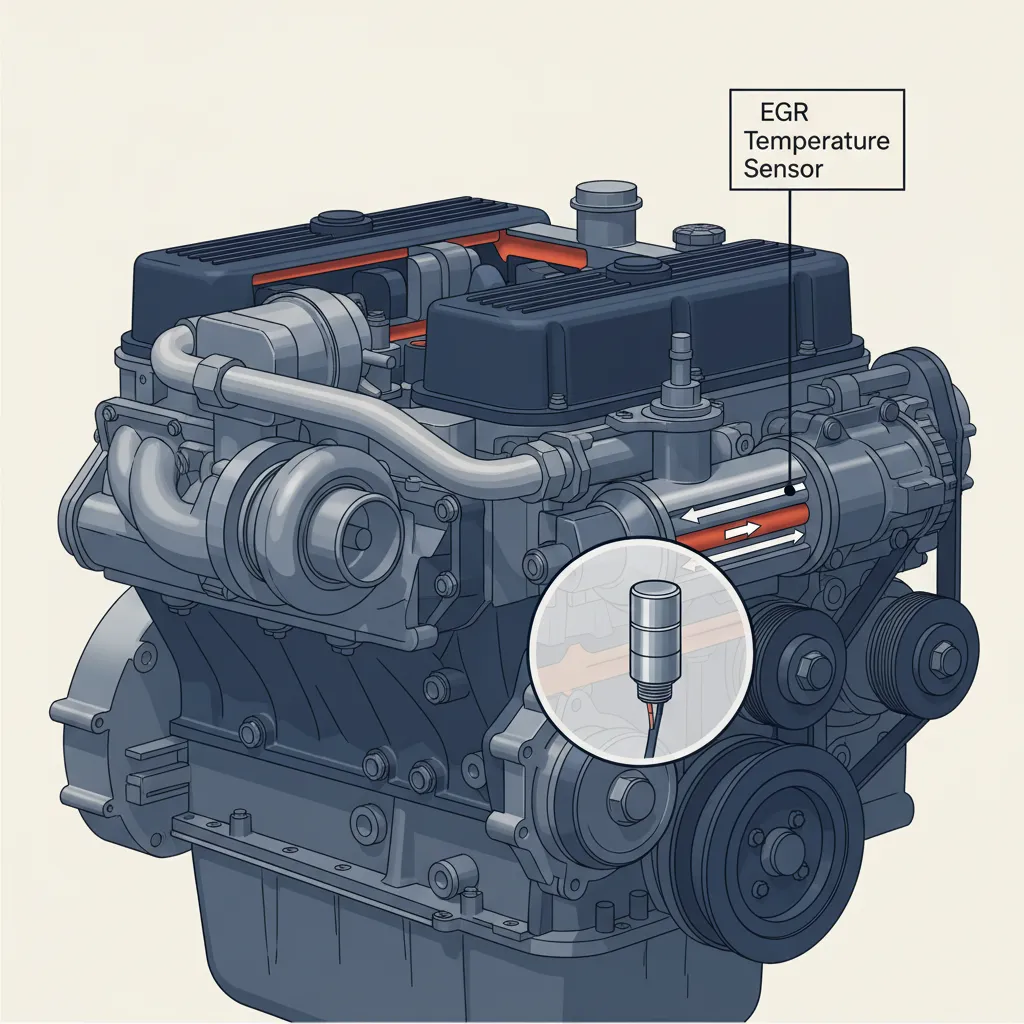
The Exhaust Gas Recirculation (EGR) temperature sensor is a specialized thermistor designed to monitor the heat of exhaust gases as they are cooled and reintroduced into the intake manifold. In the high-performance world of diesel engines, temperature management is everything. This sensor provides real-time feedback to the Engine Control Unit (ECU), ensuring that the EGR cooler is operating within its designed thermal parameters. Without this data, the engine cannot effectively manage combustion temperatures, leading to a cascade of performance failures.
Accurate readings from this sensor are critical for Nitrogen Oxide (NOx) reduction. The ECU uses the temperature data to adjust EGR valve flow rates; if the gas is too hot, it can increase NOx emissions and potentially damage the intake manifold or other downstream components. Research indicates that official guide documents from the EPA underscore how faulty EGR systems contribute significantly to NOx emission spikes, making this sensor a regulatory priority for anyone serving their own vehicle or managing a fleet.
Think of the EGR temp sensor like the thermostat in your home. If the thermostat reports the wrong temperature, the HVAC system overworks itself or fails to turn on, leading to an inefficient system that eventually burns out. In a 6.7 Cummins, an incorrect reading causes the ECU to “guess” on fuel mapping and EGR flow, which kills fuel economy.

Precise 6.7 Cummins EGR Temp Sensor Location by Model Year
Because the 6.7 Cummins engine has evolved over nearly two decades, the location of the sensor has shifted to accommodate changing emissions hardware and cooling requirements. One of the most common pitfalls for DIY mechanics is searching for the sensor in a location that was standard for a previous generation. If you are serving a truck that has undergone a mid-generation design shift, you must know exactly where to look.
2007.5 – 2012 Models
On these earlier 6.7 models, the sensor is typically located directly on the EGR cooler assembly. You will find it on the passenger side of the engine bay, situated toward the rear of the cooler (closest to the firewall). It is often tucked beneath other plumbing, so using a flashlight to trace the corrugated metal EGR tubes is the most effective way to find it nearby the exhaust manifold junction.
2013 – 2018 Models
Significant design changes in 2013 shifted several sensor locations to accommodate higher torque ratings and updated cooling circuits. For these years, the sensor is usually mounted in the EGR crossover tube or the intake air connection. It is typically situated toward the front of the engine, near the intake manifold. This location is much more accessible than the earlier rear-cooler mounts, though it is still prone to heavy soot accumulation.
2019 – Present Models
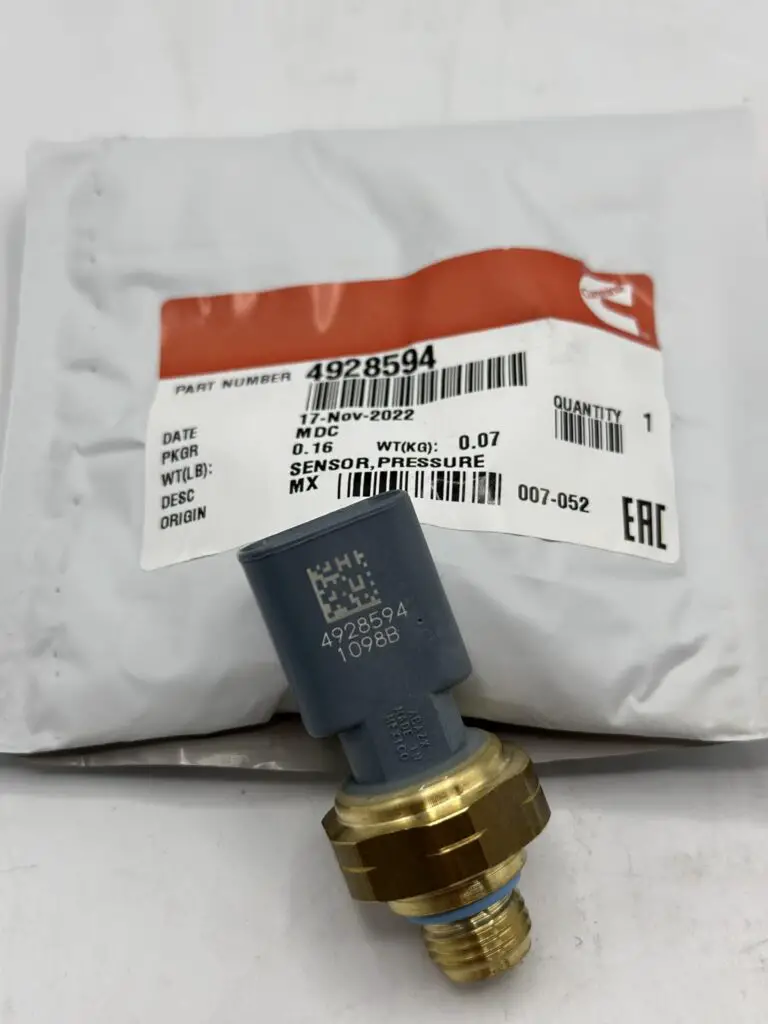
In the newest configurations, the sensor is often integrated into a redesigned EGR valve and cooler assembly. To get a clear view, you may need to look from the passenger side wheel well or from above the engine near the firewall. These sensors are identifiable by their two-wire electrical connector and a threaded probe body that screws directly into the exhaust path. Always ensure the engine is cool before reaching into these tight spaces, as the sensor resides in one of the highest-heat zones in the compartment.
By The Numbers
Average Lifespan (Years)
Minutes for DIY Install
Owners Prefer Local Shops

Symptoms of a Faulty EGR Temperature Sensor and Diagnostic Codes
Identifying a failing sensor before it leaves you stranded in “limp mode” is essential for any truck owner. While the most obvious sign is a ‘Check Engine’ light, there are several physical symptoms that often precede a total failure. If you notice a sudden drop in fuel economy or intermittent surging at idle, the EGR system is likely sending erratic signals to the ECU. In extreme cases, the engine will limit RPMs and power to protect itself from perceived overheating, a frustrating experience when towing heavy loads.


Diagnostic Trouble Codes (DTCs) are your best tool for confirmation. The Cummins community frequently reports the following codes when the EGR temperature sensor fails:
- P040D: Exhaust Gas Recirculation Temp Sensor ‘A’ Circuit High
- P040E: Exhaust Gas Recirculation Temp Sensor ‘A’ Circuit Low
- P040B: EGR Temperature Sensor Correlation/Performance
Interestingly, a P040B code often indicates that the sensor isn’t electrically “dead,” but rather so covered in soot and carbon that it can no longer read temperature changes accurately. You can find more detailed discussions on these specific codes by visiting cumminsforum.com, where thousands of owners share their diagnostic experiences. Mechanics serving high-mileage work trucks often find that sensor lifespan averages 5-7 years, closely following the buildup of carbon deposits within the wider EGR system.
Step-by-Step Testing and Replacement Procedures
Replacing the EGR temperature sensor is a relatively straightforward task for a DIY mechanic with basic tools. However, the high-heat cycles of a diesel engine can cause the sensor to seize in its housing. Following a structured approach will prevent you from snapping the sensor or damaging the expensive EGR cooler. Ensure you have a replacement sensor available at a trusted local parts house before you begin, as these are high-failure items that can occasionally go out of stock.
📋
Step-by-Step Replacement Guide
Allow the engine to cool completely. Disconnect the negative battery terminal to prevent electrical shorts. Spray the sensor base with a high-quality penetrating oil (like PB Blaster) and let it soak for at least 30 minutes.
Depress the locking tab on the electrical harness and pull gently. Inspect the connector for signs of corrosion or melting. If the wiring is damaged, a new sensor alone will not fix the issue.
Use a 24mm (or 15/16″) deep-well socket to break the sensor loose. If it feels extremely tight, apply more penetrating oil and work it back and forth (tighten/loosen) to break the carbon bond.
Apply a small amount of high-temp anti-seize to the threads of the new sensor (keep it off the probe tip!). Thread it in by hand first to avoid cross-threading, then tighten. Reconnect the battery and clear codes with a scan tool.


Never attempt to replace the sensor on a hot engine. The exhaust components on a 6.7 Cummins can reach temperatures exceeding 1,000°F during operation. Furthermore, the metal expands when hot, which can actually make the sensor more likely to strip or seize if removed while at operating temperature.
Local Resources and Professional Assistance for Cummins Owners
While many owners find the EGR temperature sensor replacement manageable, some situations require professional expertise. If the sensor is seized to the point that the cooler itself is at risk of cracking, or if the P040D code persists after replacement, it is time to consult a specialized diesel technician serving your local community. Independent diesel shops often have access to advanced diagnostic tools that can perform a “forced regen” or an EGR system function test—capabilities that standard OBD-II scanners lack.
When searching for a shop, look for businesses that are nearby and have a proven track record with the 6.7 Cummins platform. These experts can perform a “smoke test” to verify if a small leak in the EGR cooler or crossover tube is causing the sensor to report incorrect data. Furthermore, regional factors play a role; if you live in a high-salt or humid climate, trusted local shops will be familiar with the specific corrosion issues that plague these sensors in your area.
OEM Parts Availability
Local distributors usually stock the updated sensor part numbers, ensuring you get the latest revision for your Ram specs.
Specialized Tools
Professional shops use induction heaters to remove seized sensors without damaging the EGR cooler threads.
Ultimately, maintaining the health of your 6.7 Cummins EGR system is about more than just clearing a light on the dashboard; it’s about ensuring the longevity of your engine. Whether you choose the DIY route or visit a professional serving your area, addressing a failing EGR temperature sensor promptly will save you from expensive repairs down the road, such as a clogged Diesel Particulate Filter (DPF) or a cracked EGR cooler.
Summary of Key Points
- The EGR temperature sensor is critical for NOx reduction and maintaining engine thermal efficiency.
- Location: Varies from the rear of the EGR cooler (2007.5-2012) to the front crossover tube (2013-2018) and integrated valve assemblies (2019+).
- Common DTCs like P040D and P040E indicate circuit issues, while P040B often points to carbon fouling.
- Use penetrating oil and a 24mm deep-well socket for removal; always apply anti-seize during installation.
- Consult a qualified technician nearby if the sensor is seized or if diagnostic results remain inconclusive after a swap.
By understanding the 6.7 Cummins EGR temp sensor location and following the proper diagnostic steps, you can ensure your truck continues to deliver the power and reliability the Cummins name is known for. If you are unsure about the diagnostic results or lack the tools to reach the more convenient locations on newer models, visiting a technician nearby is the best way to ensure your engine remains protected and your emissions system stays compliant.
Frequently Asked Questions
What are the most common symptoms of a bad EGR temperature sensor?
The most frequent signs include an active Check Engine Light with codes like P040D or P040F, a decrease in fuel economy, and engine surging. In severe cases, the truck may enter ‘limp mode,’ significantly reducing power to prevent overheating the EGR system or damaging the engine’s internal components.
How do I test a 6.7 Cummins EGR temperature sensor?
You can test the sensor using a multimeter set to Ohms. Measure the resistance across the two pins of the sensor while it is disconnected. Compare your reading to a temperature-resistance chart; as the sensor gets hotter, the resistance should change predictably. No reading (infinite resistance) indicates an open circuit and a dead sensor.
How much does it cost to replace an EGR temperature sensor?
The part typically costs between $50 and $120 depending on whether you choose an OEM Cummins part or an aftermarket alternative. If you have the work done at a shop, expect to pay an additional $100 to $200 in labor, depending on the sensor’s accessibility and if it is seized.
Where is the EGR valve located on a 6.7 Cummins?
The EGR valve is generally located on the passenger side of the engine, mounted atop the EGR cooler. It is connected to the intake manifold by a large metal crossover tube. It is often nearby the temperature sensor but is a much larger, cast-metal component with a heavy electrical actuator.
Will a bad EGR temperature sensor affect my fuel economy?
Yes, a faulty sensor sends incorrect data to the ECU, which can lead to improper EGR valve timing and exhaust gas flow. This imbalance causes the engine to run less efficiently, often resulting in a drop of 1-3 miles per gallon and increased soot accumulation in the DPF.