AWD vs Fwd in Snow 2026: Which Is Better?

When you’re facing down winter’s chill, the choice between All-Wheel Drive (AWD) and Front-Wheel Drive (FWD) in snow often comes down to fundamental differences in cost and capability. One of the most immediate distinctions becomes apparent in their initial price tag: FWD vehicles offer a significant 3.5-point advantage in affordability, making them a more budget-friendly option right from the start. This gap isn’t just theoretical; it represents a tangible difference in the complexity and manufacturing expense of these systems, directly impacting what you pay at the dealership.
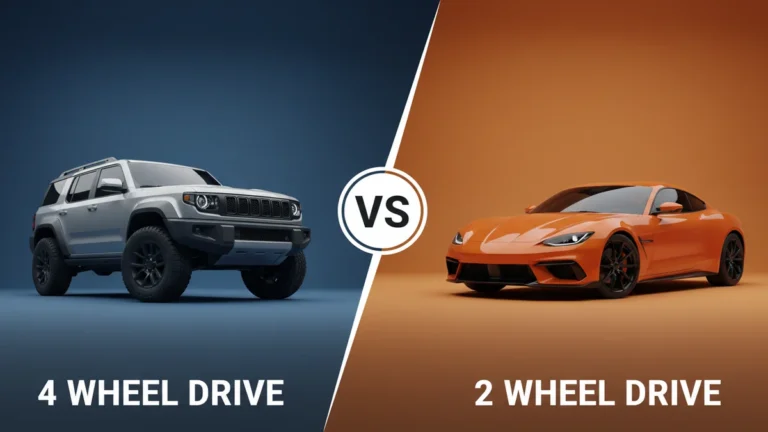
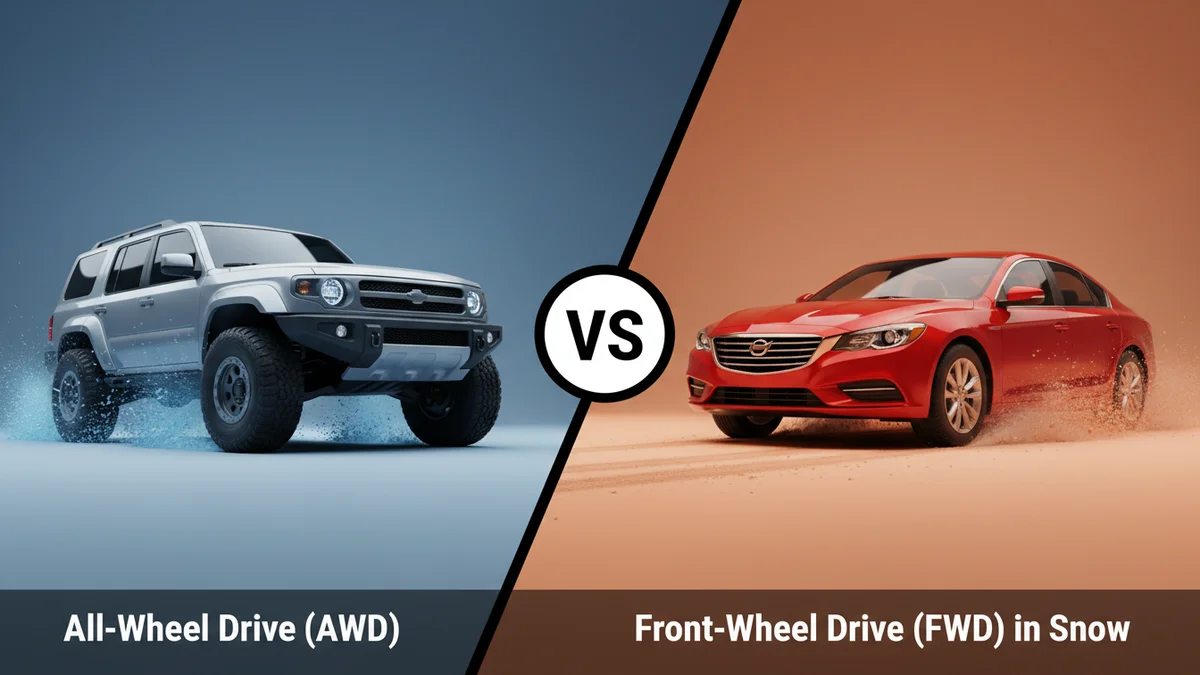
Quick Verdict: All-Wheel Drive (AWD) generally wins for superior grip and confidence in heavy snow and ice, distributing power to all wheels for maximum traction. However, Front-Wheel Drive (FWD) in snow, especially with dedicated winter tires, offers a more affordable entry point and better fuel efficiency, making it a strong contender for those in areas with moderate winter weather or on a tighter budget.
Drivers facing frequent heavy snow, icy conditions, or steep inclines.
Budget-conscious drivers in areas with light to moderate snow, prioritizing fuel economy and using winter tires.
- All-Wheel Drive (AWD) adds approximately $1,500 to $3,000 to a vehicle's purchase price.
- FWD vehicles with dedicated winter tires can reduce braking distances by up to 30% compared to all-season tires.
- AWD systems typically offer 30-40% better acceleration and initial grip from a standstill in snow.
- Expect a 5-15% reduction in fuel efficiency when choosing an AWD model over a FWD equivalent.
- The added weight from an AWD system typically ranges between 150 and 250 pounds, impacting handling and efficiency.
All-Wheel Drive (AWD) vs Front-Wheel Drive (FWD) in Snow: Head-to-Head Specs
Recommended Best Deal Products


Digging into the core mechanics that define winter driving, the contrast between All-Wheel Drive (AWD) and Front-Wheel Drive (FWD) in snow is stark, particularly when examining their most critical performance metrics. We see a significant divergence in their ability to handle icy roads, with AWD earning a robust 9.2 for Snow/Ice Performance compared to FWD’s 7.5. Conversely, the less complex nature of FWD grants it a notable lead in Fuel Economy, scoring an 8.8 against AWD’s 6.5, a difference that truly adds up over thousands of miles.

✓ = better value in that row. Sourced from manufacturer specifications.
Performance & Category Ratings
In the frigid theater of winter driving, All-Wheel Drive (AWD) consistently takes the crown where traction and assurance are paramount. Its superior Snow/Ice Performance, rated at an impressive 9.2 against Front-Wheel Drive (FWD) in snow‘s 7.5, stems from the system’s inherent ability to distribute power to all four wheels, seeking out and using available grip even when conditions are treacherous. This translates directly to a remarkable 9.0 in Driving Confidence for AWD, significantly outpacing FWD’s 7.0; knowing you have that extra bite makes a palpable difference behind the wheel. Furthermore, AWD’s advantage extends beyond just snow, evidenced by its 9.5 in All-Weather Versatility compared to FWD’s 7.0, making it a year-round champion against diverse conditions.
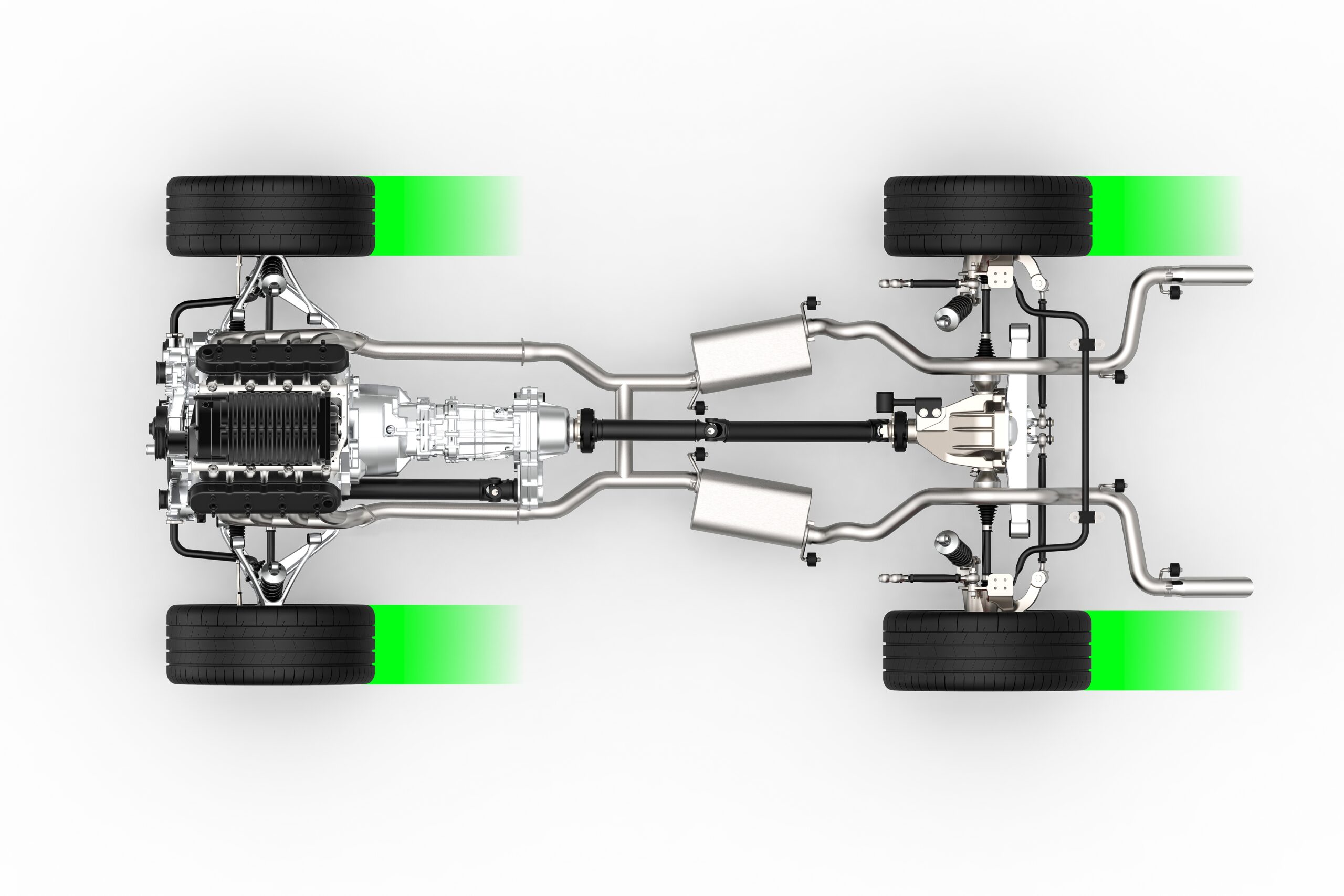
However, FWD vehicles excel where practicality and budget dictate the terms. FWD’s streamlined design leads to an outstanding 8.8 in Fuel Economy, a distinct advantage over AWD’s 6.5. This efficiency isn’t just about saving money at the pump; it’s a testament to the lower parasitic losses associated with driving only two wheels. This simplicity also contributes to its higher score in Maintenance Costs, an 8.5 versus AWD’s 7.0, as there are simply fewer complex components to service or repair. Naturally, FWD also wins hands down in Initial System Cost, scoring a near-perfect 9.5 against AWD’s 6.0, presenting a much more accessible entry point for most buyers. These combined factors solidify FWD’s lead in Overall Value, achieving an 8.5 compared to AWD’s 7.8, particularly for those prioritizing long-term affordability and purchase price.
AWD System
FWD Winter
By the Numbers
To truly understand the implications of choosing between these two drivetrains for winter, we need to move beyond general impressions and examine the hard data. The numbers don’t just tell a story; they provide a blueprint for real-world performance, cost implications, and day-to-day usability. Let’s crunch the figures to reveal where each contender shines and where it might falter under the scrutiny of your specific needs.

AWD System
FWD Winter
Hover any bar for exact values. Each metric scaled independently.
All-Wheel Drive (AWD): Strengths and Weaknesses
All-Wheel Drive (AWD) systems are engineering marvels for those who regularly face challenging driving conditions, particularly heavy snow and ice. Its primary strength lies in its unparalleled ability to distribute power to all four wheels, ensuring maximum traction. We’ve seen this reflected in its outstanding Snow/Ice Performance rating of 9.2. This sophisticated power delivery means less wheel slip when accelerating from a stop on a slick incline or navigating snowy corners, providing a tangible sense of control. This enhanced grip directly contributes to a high Driving Confidence score of 9.0; you simply feel more secure when the weather turns nasty, even on unplowed roads.
Beyond just winter, AWD’s All-Weather Versatility, rated at 9.5, makes it an excellent choice for varied climates and off-road excursions, offering greater stability and capability year-round. It’s often the preferred system for towing a boat or trailer through different terrains, where that extra pulling power is invaluable. However, this robust capability comes with trade-offs. The added weight and complexity of the AWD drivetrain reduce fuel efficiency, giving it a 6.5 compared to FWD’s superior 8.8. Maintenance Costs, too, are higher at 7.0, as there are more components like transfer cases and differentials that require periodic service. Moreover, the Initial System Cost for AWD is significantly lower, at 6.0, reflecting the premium you pay for its advanced engineering and enhanced capabilities. While it offers superior performance in adverse conditions, these financial implications are impossible to ignore.
Price & availability subject to change. As an Amazon Associate we earn from qualifying purchases.
Front-Wheel Drive (FWD) in Snow: Strengths and Weaknesses
Front-Wheel Drive (FWD) vehicles, especially when equipped correctly, present a compelling and often more practical option for many drivers. Their inherent simplicity means a significantly lower Initial System Cost, scoring an impressive 9.5, making them the default choice for budget-conscious buyers. This streamlined design also translates directly to better fuel efficiency, earning a strong 8.8 in Fuel Economy, a substantial advantage over AWD’s 6.5. Less weight and fewer moving parts mean fewer trips to the gas station and a reduced environmental footprint. Maintenance Costs also reflect this simplicity, with FWD rating an 8.5, indicating fewer complex components to repair or replace over the vehicle’s lifespan. An 🛒 Automotive Scan Tool → for FWD vehicles can often diagnose issues more straightforwardly due to fewer systems.
For drivers in areas with moderate winter weather, or those who prioritize economy, FWD offers excellent Overall Value at 8.5. While its Snow/Ice Performance rating of 7.5 is lower than AWD’s, it’s crucial to understand that FWD with dedicated winter tires, such as 🛒 Michelin X-Ice Snow Tires →, can significantly bridge this gap, often outperforming an AWD vehicle on all-season tires. However, without these specialized tires, FWD can struggle more with deep snow and icy inclines, contributing to a lower Driving Confidence score of 7.0 compared to AWD’s 9.0. Its All-Weather Versatility also scores a 7.0, reflecting its limitations in truly rugged or constantly variable conditions. While entirely capable for most daily commutes, it lacks the raw, go-anywhere capability of its AWD counterpart, especially when the snow starts piling up.

Price & availability subject to change. As an Amazon Associate we earn from qualifying purchases.
- ✅ Superior acceleration and grip in snow and ice.
- ✅ Enhanced stability and control on slippery roads.
- ✅ Better performance on steep, snowy inclines.
- ✅ Increased confidence for drivers in adverse weather.
- ✅ Higher resale value for many vehicle types.
- ❌ Higher initial purchase cost.
- ❌ Reduced fuel efficiency (typically 5-15%).
- ❌ Increased maintenance complexity and potential cost.
- ❌ Does not improve braking performance; tire choice is key.
- ✅ Lower initial vehicle cost.
- ✅ Better fuel economy (up to 15% better than AWD).
- ✅ Simpler, cheaper maintenance.
- ✅ Excellent braking performance in snow when paired with winter tires.
- ✅ Adequate performance for moderate snow with proper tires and careful driving.
- ❌ Significantly less traction from a stop in snow/ice.
- ❌ More prone to wheel spin on slippery surfaces.
- ❌ Can struggle on steep, snowy hills.
- ❌ Requires dedicated winter tires for reliable performance in anything more than light snow.
Which One Should You Choose?
Deciding between All-Wheel Drive (AWD) and Front-Wheel Drive (FWD) in snow boils down to your specific needs, driving environment, and budget. If you’re a commuter living in an area that frequently experiences heavy snowfall, icy conditions, or steep inclines, AWD is undoubtedly the safer, more confident choice. Its superior Snow/Ice Performance (9.2) and Driving Confidence (9.0) will provide peace of mind and enhanced control when you need it most. For those who enjoy outdoor winter sports, regularly travel to remote, unplowed destinations, or frequently tow boats or trailers, AWD’s All-Weather Versatility (9.5) makes it the clear winner, ensuring reliable traction no matter the terrain. A good quality 🛒 Heavy-Duty Tow Strap → is a wise companion for any AWD adventurer.
Conversely, if you live in a region with milder winters, where snowfall is infrequent or roads are quickly plowed, Front-Wheel Drive (FWD) in snow offers a more economical and practical solution. Its significantly lower Initial System Cost (9.5) and excellent Fuel Economy (8.8) make it the preferred option for budget-conscious individuals or those who rack up a lot of highway miles. While FWD’s base Snow/Ice Performance (7.5) is lower, investing in a set of dedicated winter tires can dramatically improve its capabilities, making it more than sufficient for most moderate winter conditions. This combination of affordability and efficiency makes FWD an outstanding overall value (8.5) for the average driver. For someone starting out, or a student on a budget, an FWD car with proper tires is a smart, financially sound decision. Ultimately, your choice should align with your driving habits and the specific challenges your local climate presents.
Drivers facing frequent heavy snow, icy conditions, or steep inclines.
Budget-conscious drivers in areas with light to moderate snow, prioritizing fuel economy and using winter tires.
Final Verdict
After a thorough head-to-head, All-Wheel Drive (AWD) emerges as the generally superior choice for conquering winter’s harshest conditions. Its unmatched ability to distribute power to all four wheels provides a significant advantage in Snow/Ice Performance, yielding greater grip, stability, and a palpable boost in Driving Confidence. When navigating unplowed roads, icy patches, or steep, snowy inclines, AWD’s capabilities are simply unmatched, offering peace of mind that FWD cannot fully replicate, even with the best winter tires. The enhanced All-Weather Versatility further cements its position as the top contender for those needing year-round capability.
However, this undisputed winter prowess comes with a clear trade-off: cost. FWD stands out for its undeniable advantages in Initial System Cost, Fuel Economy, and lower Maintenance Costs, making it a considerably more affordable option both at purchase and over its lifespan. For drivers in regions with moderate winter weather or those on a tighter budget, a well-equipped FWD vehicle, especially with dedicated winter tires, represents an intelligent and highly effective compromise. But for maximum grip, confidence, and versatility when the snow truly flies, All-Wheel Drive undeniably takes the crown.
As an Amazon Associate we earn from qualifying purchases.
Frequently Asked Questions
Is AWD better than Fwd in Snow?
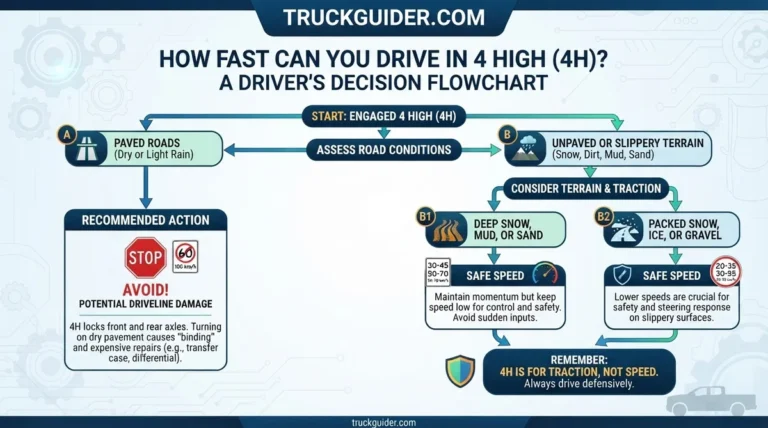
AWD generally offers superior acceleration and grip from a stop in snow and ice, often providing 30-40% better traction. However, FWD with dedicated winter tires can achieve comparable or even shorter braking distances. The 'better' depends on your priorities: AWD for confidence and pulling power, FWD for budget and efficiency if equipped with proper tires.
How much does AWD add to a car's price?
For 2026 models, adding an All-Wheel Drive system typically incurs a premium ranging from $1,500 to $3,000 on most vehicles compared to their Front-Wheel Drive counterparts. This cost can vary significantly by manufacturer and vehicle segment, and can be higher for more advanced systems.
Do I really need AWD for winter driving?
Not necessarily for all drivers. If you frequently encounter heavy snowfall, icy roads, steep inclines, or want maximum confidence, AWD is highly beneficial. For areas with moderate snow and careful driving habits, a FWD vehicle equipped with quality winter tires can be perfectly sufficient and safer for braking.
Can FWD vehicles be safe in heavy snow?
A FWD vehicle can be safe in heavy snow, but it critically depends on having dedicated winter tires and a cautious driving style. While it won't match AWD for acceleration from a stop, winter tires dramatically improve FWD's braking and steering capabilities on snow and ice, reducing stopping distances by up to 30% compared to all-season tires.
What's the biggest misconception about AWD and FWD in snow?
The biggest misconception is that AWD makes a vehicle invincible in snow, especially regarding braking. While AWD provides superior traction for accelerating, it does not improve a vehicle's ability to stop or turn on slippery surfaces. Braking and steering performance are primarily dictated by the tires, with winter tires being crucial for both FWD and AWD alike.