Ford 2.7L EcoBoost Specs: HP, Torque & Towing by Year 2015-2026

The Ford 2.7L EcoBoost V6 has powered the F-150 since 2015, and it remains one of the most misunderstood engines in Ford’s truck lineup. Owners often assume the specs have stayed flat for a decade. They haven’t.
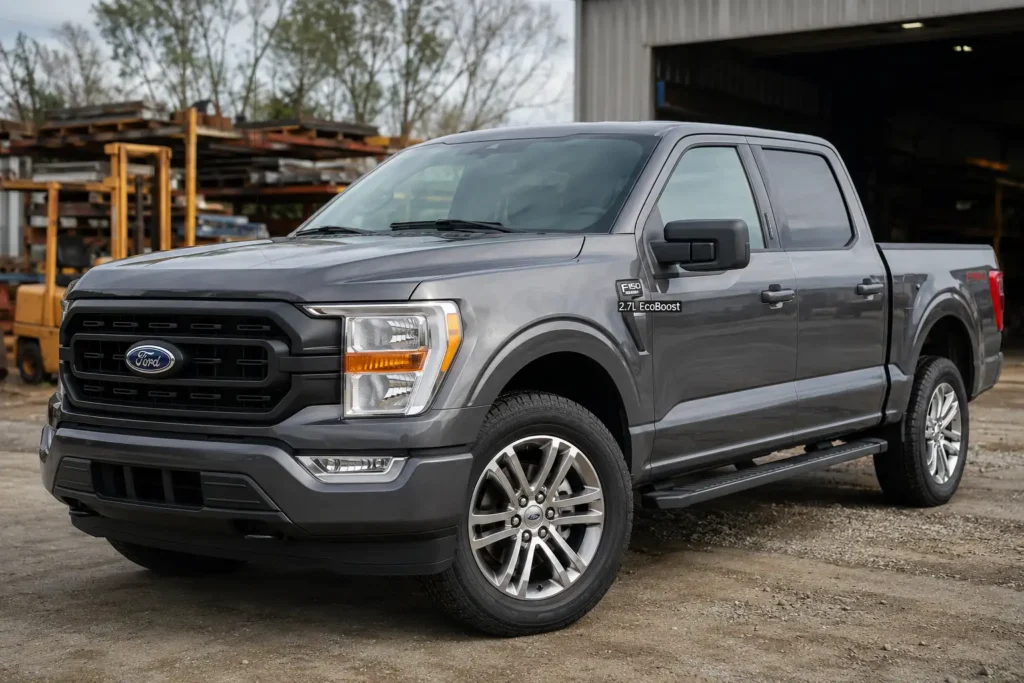
Ford built the 2.7L EcoBoost in two distinct generations, and the horsepower, torque, and towing numbers shifted meaningfully between them. Below, we break down exactly what changed, year by year, so you know precisely what your engine is rated to do.
Ford 2.7L EcoBoost Specs at a Glance
Horsepower, torque, and towing across three generations (2015-2025)
Figures reflect maximum available ratings when properly equipped. See full article for year-by-year detail and sourcing.
What Is the 2.7L EcoBoost Engine
The 2.7L EcoBoost is a twin-turbocharged V6 built on a compacted graphite iron block with aluminum cylinder heads, the same block material Ford uses in the 6.7L Power Stroke diesel. It debuted in the 2015 Ford F-150 as a mid-tier engine option, slotting between the base V6 and the larger 3.5L EcoBoost.
Since then, Ford has expanded the 2.7L EcoBoost across the Bronco, Edge, and Ranger lineups, tuning output slightly differently for each application. In the F-150, it remains the standard engine on several trims and a popular upgrade choice for buyers who want strong low-end torque without stepping up to a V8 or the larger 3.5L EcoBoost.
2.7L EcoBoost Specs by Generation: Gen 1 vs. Gen 2
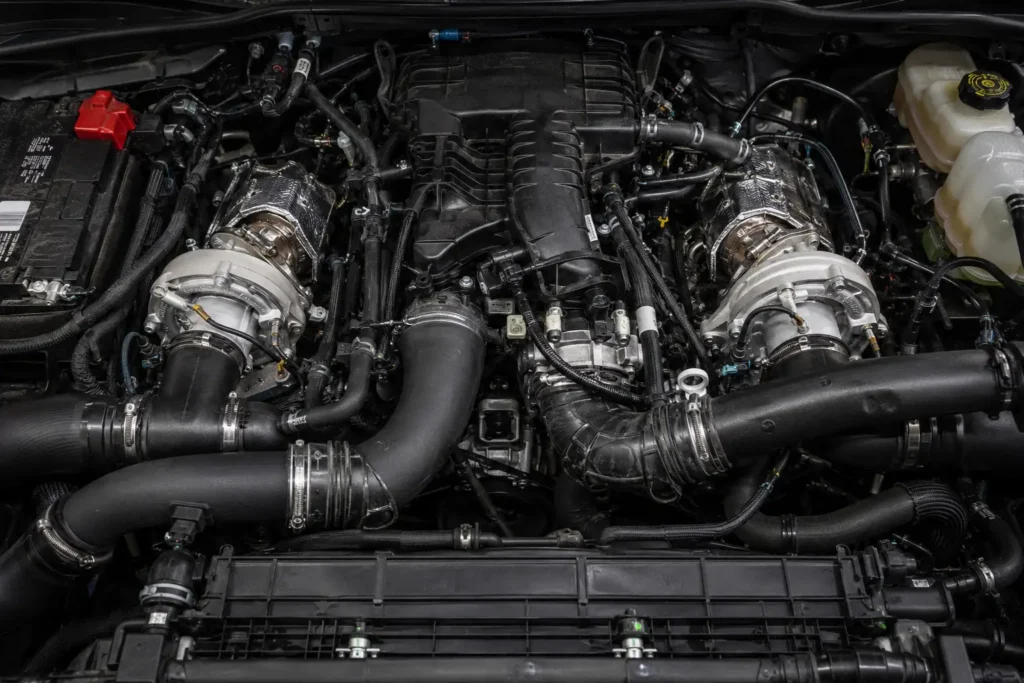
The 2.7L EcoBoost was built in two distinct generations, and the difference shows up clearly in the numbers. Gen 1 ran from 2015 through 2017. Gen 2 launched for the 2018 model year and carries through today with a mid-cycle refresh in 2021.
Gen 2 brought more than a torque bump. Ford added port fuel injection alongside the existing direct injection system, upgraded the turbochargers to an electrically actuated wastegate design, and switched to an electronically controlled variable-displacement oil pump. The transmission changed too, moving from a 6-speed automatic to a 10-speed automatic.
| Spec | Gen 1 (2015-2017) | Gen 2 (2018-2020) | Gen 2 Refresh (2021+) |
|---|---|---|---|
| Horsepower | 325 hp @ 5,750 rpm | 325 hp @ 5,000 rpm | 325 hp @ 5,000 rpm |
| Torque | 375 lb-ft @ 3,000 rpm | 400 lb-ft @ 2,750 rpm | 400 lb-ft @ 2,750 rpm |
| Injection | Direct injection only | Direct + port injection | Direct + port injection |
| Transmission | 6-speed automatic | 10-speed automatic | 10-speed automatic |
| Max Towing | 8,500 lbs | 9,000 lbs | Up to 10,100 lbs |
| Max Payload | 2,210-2,250 lbs | 2,470 lbs | Up to 2,465 lbs |
2.7L EcoBoost Horsepower and Torque by Year
Peak horsepower has stayed remarkably consistent across both generations at 325 hp, though the rpm where that peak arrives dropped from 5,750 rpm in Gen 1 to 5,000 rpm in Gen 2. That’s a meaningful difference in how the engine feels under load. Torque is where Gen 2 pulled ahead, jumping from 375 lb-ft to 400 lb-ft starting in 2018.
Ford also uses a higher-output tune of the 2.7L EcoBoost in the Edge ST and Bronco Badlands, rated at 335 hp and 380 lb-ft. That variant isn’t offered in the F-150.
| Model Years | Horsepower | Torque |
|---|---|---|
| 2015-2017 | 325 hp @ 5,750 rpm | 375 lb-ft @ 3,000 rpm |
| 2018-2020 | 325 hp @ 5,000 rpm | 400 lb-ft @ 2,750 rpm |
| 2021-2025 | 325 hp @ 5,000 rpm | 400 lb-ft @ 2,750 rpm |
| Edge ST / Bronco Badlands (high-output tune) | 335 hp @ 5,500 rpm | 380 lb-ft @ 3,000 rpm |
Redline sits at approximately 6,000 rpm across both generations.
2.7L EcoBoost Towing Capacity and Payload by Year
These figures represent maximum available ratings with the truck properly equipped, which usually means the Max Trailer Tow Package and a specific cab and drivetrain configuration. Your exact truck’s rating depends on trim, 4×2 versus 4×4, and options.
Gen 1 trucks (2015-2017) topped out around 8,500 lbs of towing capacity with roughly 2,210 to 2,250 lbs of payload, depending on model year. The 2018 update pushed max towing to 9,000 lbs and payload to about 2,470 lbs. Ford raised the ceiling again with the 2021 redesign, with properly equipped 2.7L EcoBoost F-150s now rated up to 10,100 lbs of towing and roughly 2,465 lbs of payload with the Payload Package.
For a complete year-by-year and trim-by-trim breakdown, see our Ford F-150 towing capacity chart covering 2013 through 2023.
2.7L EcoBoost Oil Type and Capacity
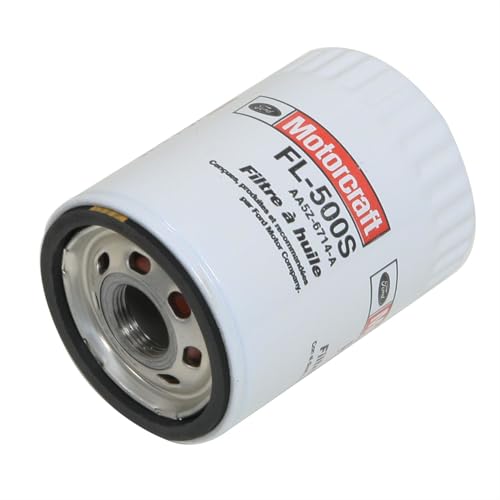
The 2.7L EcoBoost takes 6 quarts (5.7 liters) of 5W-30 synthetic oil meeting Ford specification WSS-M2C946-A, paired with an FL-2062 oil filter. Ford doesn’t use a fixed mileage interval for oil changes on this engine. Instead, the Intelligent Oil-Life Monitor tracks your driving conditions and alerts you when it’s time for a change, which typically lands between 7,500 and 10,000 miles under normal use.
2.7L EcoBoost vs. 5.7L Hemi V8: Which Fits Your Towing Needs
If you’re cross-shopping an F-150 against a Ram 1500, the comparison usually comes down to towing ceiling versus efficiency. The 5.7L Hemi V8 is rated at 395 hp and 410 lb-ft of torque, figures Ram has held steady for over a decade, and it’s built for buyers who prioritize maximum towing capability and that traditional V8 character. You can see the full breakdown in our 5.7L Hemi specs guide.
The 2.7L EcoBoost trades some outright towing ceiling for better fuel economy and a lighter engine up front. For daily driving with occasional towing under 10,000 lbs, the EcoBoost holds its own. For buyers who tow heavy trailers regularly, the Hemi’s higher torque output and larger displacement give it more margin.
Known Issues by Generation
Gen 1 trucks (2015-2017) have the most documented history. F150Forum members report a rattling noise on cold start tied to timing chain tensioner wear, most commonly showing up before 100,000 miles. Ford addressed the underlying design with the dual-chain setup introduced in Gen 2.
Gen 2 isn’t issue-free either. Ford and NHTSA identified a defect in certain 2021-2022 model year 2.7L and 3.0L EcoBoost engines involving intake valves that could fracture under heat, leading to rough running or complete engine failure. NHTSA opened a federal investigation, and Ford recalled roughly 90,000 affected vehicles across the F-150, Bronco, Edge, Explorer, and related Lincoln models to inspect and replace engines as needed. Owners of 2021-2022 model year trucks should confirm with a Ford dealer whether their VIN was included.
Outside of those two documented issues, owner reports across F150Forum and Bronco6G suggest the 2.7L EcoBoost holds up well past 150,000 miles with consistent oil changes and normal use, with some owners reporting well over 400,000 miles on Gen 1 engines.
FAQs
Is the 2.7L EcoBoost twin turbo?
Yes. It uses two smaller turbochargers rather than one large unit, which reduces turbo lag and improves low-end torque delivery across both generations.
What’s the difference between Gen 1 and Gen 2 2.7L EcoBoost engines?
Gen 2 (2018+) added port fuel injection alongside direct injection, upgraded turbochargers, a 10-speed automatic transmission, and gained 25 lb-ft of torque over Gen 1.
How much can a 2.7L EcoBoost F-150 tow?
Properly equipped Gen 1 trucks top out at 8,500 lbs. Gen 2 trucks range from 9,000 lbs (2018-2020) up to 10,100 lbs on the current 2021+ redesign.
What oil does the 2.7L EcoBoost take?
It takes 6 quarts of 5W-30 synthetic oil meeting Ford spec WSS-M2C946-A with an FL-2062 filter.
Is the 2.7L EcoBoost reliable?
Yes, particularly Gen 2 engines from 2018 onward. Aside from the documented Gen 1 timing chain rattle and the 2021-2022 intake valve recall, owners commonly report 150,000 to 200,000+ miles with routine maintenance.