
How Much Does It Cost to Repaint a Truck in 2026

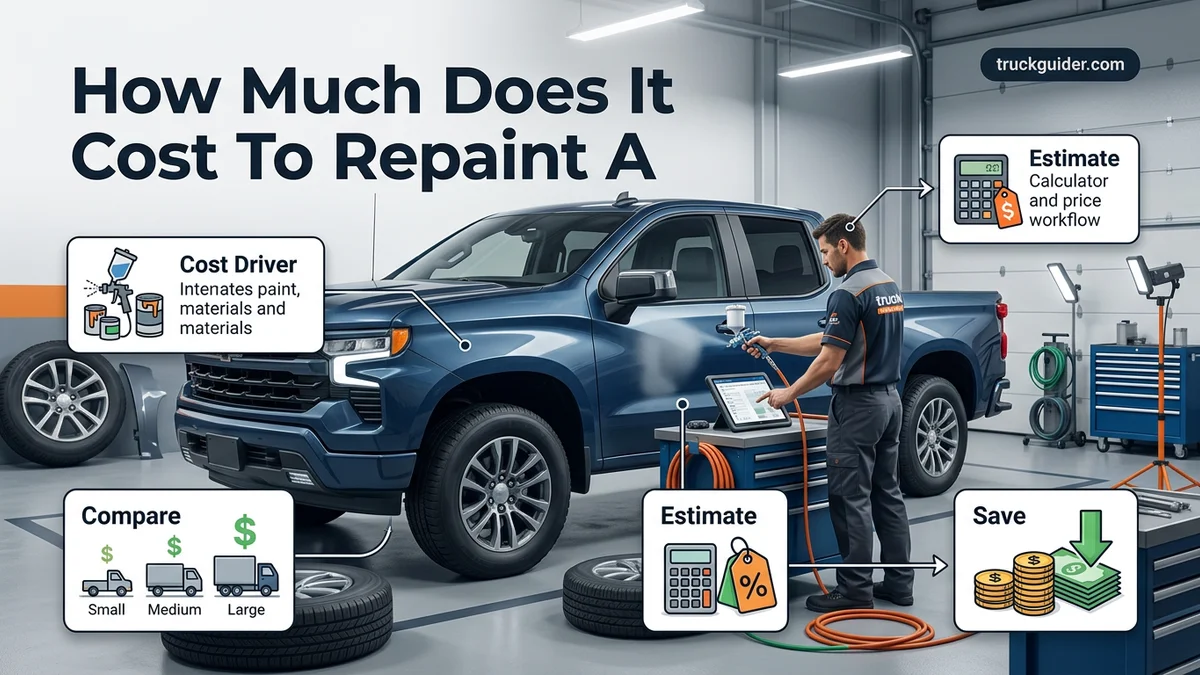
Repainting a truck typically costs between $500 and $10,000+, depending heavily on the size of the vehicle, the extent of body damage, and the quality of the paint job. Basic budget spray-overs cost the least, while factory-quality or custom full-restoration paint jobs require a much higher investment due to labor and materials.
Repainting a truck in 2026 typically costs anywhere from $500 for a basic utility respray to well over $10,000 for a factory-quality color change on a large, heavy-duty chassis. Because trucks feature significantly more metal surface area, higher roofs, and larger beds than standard passenger cars, pricing reflects that extra labor and material.

Prime for Young Adults — 6 Months Free
Students and 18–24s get six months of Prime free, then half price.
Start 6 Months FreeWhether you want to cover up trail pinstripes on your work rig or restore a classic pickup, understanding the financial breakdown prevents sticker shock. Several distinct variables dictate where your quote will land on the pricing spectrum, from physical dimensions to prep work.
Key Takeaways
- Basic budget paint jobs range from $500 to $1,500 for single-stage enamels.
- Standard mid-grade paint jobs cost $1,500 to $3,500 with proper surface prep.
- Premium custom or factory-grade full restorations exceed $4,000 to $10,000+.
- Truck cab size and bed length significantly increase material and labor costs.
- DIY painting reduces costs to $150-$500 but demands extensive time and tools.
What Causes the Cost of Repainting a Truck to Vary
No two trucks require the exact same amount of work. Getting an accurate estimate means looking closely at the specific physical traits of your vehicle and its current condition.
Cab Size and Bed Dimensions
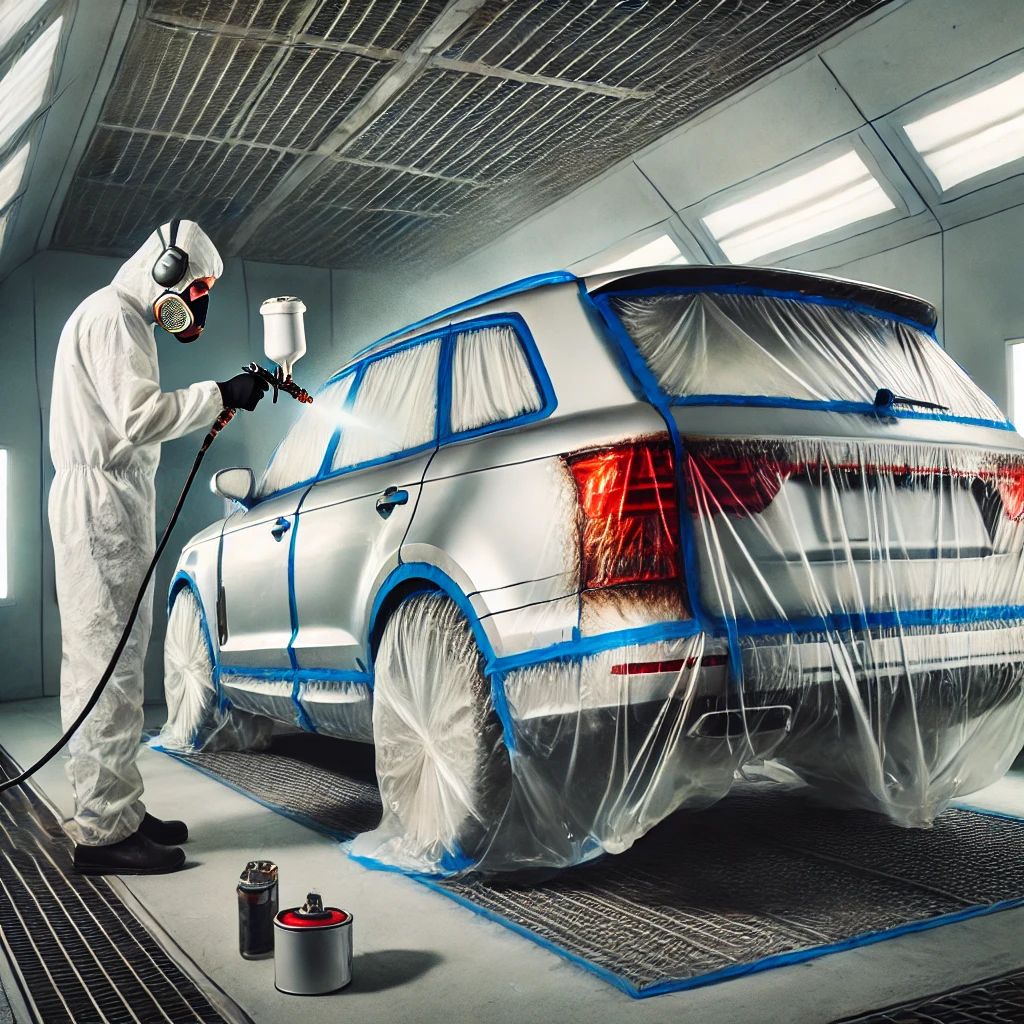
A standard two-door regular cab with a short bed requires drastically less paint and masking time than a modern four-door crew cab with an eight-foot bed and dually fenders. As surface area increases, material costs and labor hours scale up quickly. A crew cab long-bed configuration will naturally sit at the higher end of any given pricing tier.
Body Damage, Dents, and Rust Repair
Paint only makes what is underneath look better. If your truck has deep scratches, door dings, hail damage, or cancerous rust bubbling through the wheel wells, bodywork will drive up the final invoice. Shops generally charge separate hourly rates for metal fabrication, body filler application, and sanding before a single drop of paint touches the metal.
2024 Truck Repainting Costs Explained: Your Essential Action Plan
Repainting a truck is a major investment that can completely revitalize your vehicle’s appearance, protect the metal from rust, and even increase its resale value. However, the cost of this project can vary wildly depending on the size of your vehicle, the quality of materials, and how much labor is involved. This comprehensive guide will walk you through evaluating truck paint costs, helping you budget accurately and make informed decisions whether you are tackling a DIY project or hiring a professional shop.
Step 1: Assess Your Truck’s Current Paint Condition
What you need: Good lighting, a notepad, and a magnifying glass for inspecting rust spots.
Instructions: Start by thoroughly washing your truck and inspecting every panel in direct sunlight. Look closely for clear coat peeling, deep scratches, dents, and early signs of rust bubbling beneath the paint. The baseline cost of your repaint will depend heavily on this assessment. Minor cosmetic flaws require minimal prep work, while widespread rust, deep body damage, and peeling clear coat will demand extensive sanding, body filler, and priming before any new paint can be applied. Document every damaged area to determine if you need professional bodywork repairs first.
Pro Tip: Never paint over rust. If you skip rust remediation, the corrosion will continue to spread underneath your brand-new paint job, ruining it within months.
Step 2: Choose Your Quality Tier and Paint Type
What you need: Research notes on paint grades, local shop quotes, or supplier catalogs.

Audible — Listen Free for 30 Days
One free credit a month and thousands of titles included.
Listen Free for 30 DaysInstructions: Decide on the level of quality you want for your truck. A budget-friendly, entry-level respray (often found at national chain shops) typically costs between $500 and $1,000, using basic synthetic enamel applied with minimal masking. A mid-tier paint job ranging from $1,500 to $3,500 involves removing trim, fixing minor dings, and using higher-quality urethane paints. A premium, factory-quality or custom paint job can easily cost $4,000 to $10,000+, involving complete disassembly, premium basecoat/clearcoat systems, and meticulous color-sanding and buffing. Select the tier that matches your truck’s age and your personal expectations.
Pro Tip: Consider single-stage paint for older utility trucks to save money, but always opt for a two-stage basecoat/clearcoat system for modern trucks to get that deep, glossy factory finish.
Step 3: Factor in Truck Size and Cab Configurations
What you need: Measuring tape, truck specifications guide, and a calculator.
Instructions: Trucks require significantly more paint and labor than standard compact cars or sedans due to their sheer surface area and height. Measure your truck or note its configuration: Regular Cab, Extended Cab (SuperCab/Double Cab), or Crew Cab with short, standard, or long beds. A standard regular-cab truck with a short bed has relatively modest surface area, whereas a massive heavy-duty crew cab with an eight-foot bed and dually fenders requires up to 50 percent more materials and significantly more labor hours to prep, tape, and spray evenly.
Pro Tip: Always ask shops if their base quote includes the truck bed interior or undercarriage, as spraying these areas usually incurs separate line-item costs like bedliners.
Step 4: Calculate DIY Supplies vs. Professional Labor Costs
What you need: Price lists for automotive paint guns, compressors, sandpaper, masking tape, and primers.
Instructions: Compare the financial and time investment of a DIY project versus professional services. If you choose the DIY route, expect to spend $300 to $800 on decent equipment, sandpaper, masking materials, primer, basecoat, and clear coat. However, a DIY job requires a safe, dust-free enclosure and a steep learning curve. Professional labor, on the other hand, makes up about 70 to 80 percent of a shop quote. While hiring a pro is much more expensive ($1,500 to $6,000+), you are paying for their expertise, professional paint booths, and a warranty on the finish.
Pro Tip: If you lack a controlled, dust-free environment and professional spray equipment, attempting a full-truck DIY paint job in your driveway often leads to frustrating results that cost more to fix later.
Audible Premium Plus — Annual Membership
12 audiobook credits up front, plus the full Audible catalogue.
See Annual PlansStep 5: Account for Additional Bodywork and Disassembly Fees
What you need: Basic hand tools (if doing teardown yourself) or an itemized quote from a body shop.
Instructions: Realize that a “paint-only” price is rarely the final price. Factor in extra costs for removing headlights, taillights, door handles, mirrors, emblems, and window moldings. If your truck has dents, hail damage, or cracked fiberglass/metal, body labor is billed additionally, usually ranging from $50 to $100+ per hour. Ask your chosen shop if they include complete trim removal in their standard quote or if they simply tape around components, which can leave unsightly paint lines and lead to premature flaking.
Pro Tip: You can save a substantial amount of money on professional labor by removing accessories like bumpers, mirrors, and trim pieces yourself before dropping the truck off.
Step 6: Review Color Change Costs vs. Respraying the Original Color
What you need: Color swatches and your truck’s original paint code (found on the driver-side door jamb).
Instructions: Decide whether you want to stick with your truck’s factory color or switch to a completely new hue. Respraying the exact same factory color is significantly cheaper because the engine bay, door jambs, and interior bed walls do not necessarily need to be repainted. Conversely, a full color change requires stripping the truck down to the bare metal or meticulously masking and painting every hidden crevice, including under the hood, inside the door jambs, and around the gas cap. A complete color change typically adds $1,000 to $3,000 to the overall project cost.
Pro Tip: Sticking to your factory color code is the best way to keep costs down while ensuring a clean, seamless finish that matches inside and out.
✅ Final Checklist
- Verified the truck’s current paint condition and identified all rust or dent repair needs
- Obtained at least three detailed, itemized quotes from reputable local paint shops
- Determined whether a budget, mid-tier, or premium paint quality tier fits your budget
- Calculated additional costs for cab size, trim removal, and potential color changes
- Weighed the total cost and risks of a DIY approach against professional shop services
Important Notes:
- Always wear an organic vapor respirator, safety goggles, and protective suit when working with automotive paints and primers to avoid severe respiratory damage.
- Seek professional help immediately if your truck exhibits structural frame rust or bubbling panels that compromise crash safety.
- Estimated total cost ranges from $500 for basic DIY materials to over $6,000 for a premium professional color-change paint job, with a typical professional factory-color respray averaging $2,000 to $4,000. Total time investment ranges from a full weekend of hard labor for DIYers to 1 to 3 weeks in a professional shop.
How to Calculate and Fix Your Truck Paint Budget
Setting a realistic budget requires matching your expectations to how you actually use your truck. You need to weigh the value of the vehicle against the investment you are about to make.
Matching the Paint Job to Vehicle Value
- Utility and Work Trucks: If your truck earns a living on job sites, a basic enamel respray keeps it looking professional without breaking the bank.
- Daily Drivers: A mid-grade factory match keeps your commuter looking sharp and protects the panels from UV degradation and minor weathering.
- Show Trucks and Restorations: Premium basecoat-clearcoat systems with custom sanding and buffing make sense only for classic or heavily customized builds.
DIY vs. Professional Shop Labor
Paying a professional shop guarantees spray booth conditions, proper ventilation, and professional-grade materials, but labor accounts for up to 80 percent of the bill. You can slash your overall budget significantly by handling teardown tasks yourself. Removing your own tailgate, headlights, trim, mirrors, and bed rails saves the shop hours of labor, keeping your total project costs manageable in 2026.
What If Professional Truck Painting Stretches Beyond Your Budget
Professional automotive refinishing is a significant financial commitment. If traditional body shop quotes exceed your 2026 budget, several alternative pathways can restore your truck’s appearance without causing financial distress. Industry specialists recommend evaluating these cost-saving measures before abandoning your paint project entirely.
Alternative Refinishing Approaches
- Opt for a wrap instead of paint: A high-quality vinyl wrap for a full-size truck generally ranges from $2,500 to $5,000. This provides a fresh aesthetic and protects the underlying factory clear coat.
- Execute DIY prep work: Reduce professional labor costs by handling disassembly, washing, and minor sanding yourself. Body shops frequently bill $75 to $150 per hour for labor, meaning prep reduction saves hundreds of dollars.
- Targeted panel painting: Instead of a full-truck color change, address only failing sections like the hood or roof. Spot painting and blending individual panels typically costs $300 to $800 per section.
- Enlist vocational school programs: Local trade schools with automotive technology programs often accept public vehicle projects for the cost of materials. Certified instructors oversee student work to maintain quality control.
Frequently Asked Questions About Truck Painting Costs
How long does a professional truck paint job take?
A standard full-body respray requires three to seven business days. This timeframe accounts for washing, chemical stripping, dent repair, primer application, base coat curing, clear coat application, and final wet sanding and buffing. Custom color changes or extensive body restoration can extend the process to two or three weeks.
Will a cheap paint job decrease my truck’s resale value?
Low-cost budget paint jobs often utilize inferior single-stage paints that lack durability and UV resistance. According to automotive appraisers, peeling clear coat, overspray on trim, and mismatched factory paint codes can diminish a truck’s market value by 10% to 20%. Buyers prefer clean, original factory paint over a poorly executed budget respray.
Can I insure a custom paint job?
Standard auto insurance policies rarely cover the full replacement cost of custom multi-stage paint or specialized graphics. Vehicle owners investing more than $4,000 into custom finishes should contact their insurance provider to purchase an added equipment endorsement or customized parts and equipment (CPE) coverage.
What If It Still Doesn’t Work?
If DIY attempts fail or budget alternatives do not meet your expectations, structured fallback options ensure your vehicle remains protected from rust and structural degradation:
- Consult a specialized restorer: If rust penetration compromises your truck’s panels, basic paint will not adhere. Professional metal fabrication and panel replacement cost between $1,000 and $3,500 depending on severity.
- Apply temporary rust inhibitor: If you must delay painting due to financial constraints, apply a temporary anti-corrosion spray or touch-up paint to bare metal surfaces to prevent oxidation, costing under $30.
- Finance the service: Many accredited collision centers and franchise body shops partner with third-party lenders to offer 0% APR promotional financing or monthly payment plans for repairs exceeding $2,000.
Conclusion
Repainting a truck in 2026 requires balancing aesthetic goals with financial reality, with total costs spanning from $500 for a DIY approach to over $8,000 for custom showroom finishes. According to verified research and automotive industry data, prioritizing professional surface preparation yields the highest return on investment regardless of budget tier. The most practical next step is to visit two local certified body shops for in-person estimates to compare labor rates and material warranties.
❓ Frequently Asked Questions
How long does a professional truck paint job take?
Most professional paint jobs take anywhere from 3 to 7 business days. If your truck requires extensive body work, dent pulling, and rust neutralization, the process can easily stretch to two weeks.
What is the difference between single-stage and base coat/clear coat paint?
Single-stage paint combines the color and gloss into one application, making it cheaper but less durable. Base coat/clear coat systems apply a color layer followed by a protective clear coat for a deeper, longer-lasting shine.
Should I change the color of my truck during a repaint?
Changing the color significantly increases the cost because painters must paint the door jambs, under the hood, and inside the truck bed to match the exterior. A complete color change usually adds $1,000 or more to the total estimate.
Does insurance cover the cost of repainting a truck?
Insurance typically covers a repaint only if the damage was caused by a covered incident, such as an accident, vandalism, or falling tree branches. Routine wear, fading, and minor rock chips are considered maintenance and are not covered.
How can I make my truck paint job last longer?
To protect your investment, wash your truck regularly to remove corrosive road salt and bird droppings, park in the shade or a garage to avoid UV damage, and apply a high-quality ceramic coating or wax twice a year.
Is a cheap $500 paint job worth the money?
A budget paint job is generally worth it only if you are preparing an older work truck for sale or trying to stop active rust temporarily. They often feature minimal surface prep, leading to peeling, fading, or overspray within a couple of years.
![2019 Ram 2500 Oil Capacity And Lubricant: Full Specs & Data [2026]](https://truckguider.com/wp-content/uploads/2026/03/featured-1657b7c0-768x768.webp)