Water In Fuel Sensor 6.7 Cummins Location: Guide To Identifying And Servicing Your Diesel Filtration System

A single tank of contaminated diesel can turn a reliable 6.7 Cummins engine into an expensive repair bill in a matter of miles. Identifying the water in fuel sensor 6.7 Cummins location is the first critical step in preventing catastrophic injector failure and protecting the High-Pressure Common Rail (HPCR) system. While these engines are renowned for their durability, they are notoriously sensitive to moisture, which acts as a primary catalyst for component erosion and fuel pump seizure. Many owners are unsure where this critical component is housed or how to properly service it during routine maintenance. In this comprehensive guide, we will detail the exact physical location of the WIF sensor across various RAM platforms, explain how to troubleshoot dash warnings, and provide the maintenance steps necessary to keep your fuel system pristine.



Identifying the Water in Fuel Sensor 6.7 Cummins Location on Stock RAM Platforms
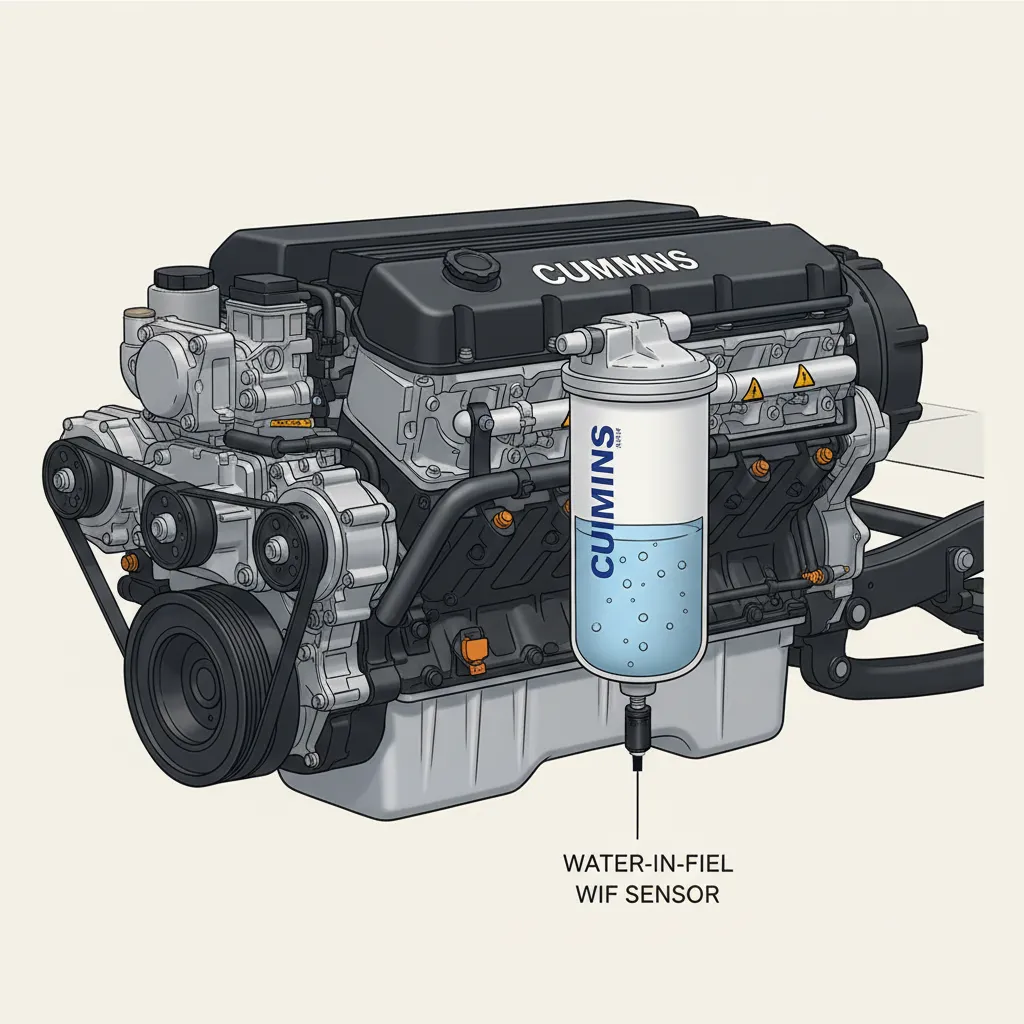
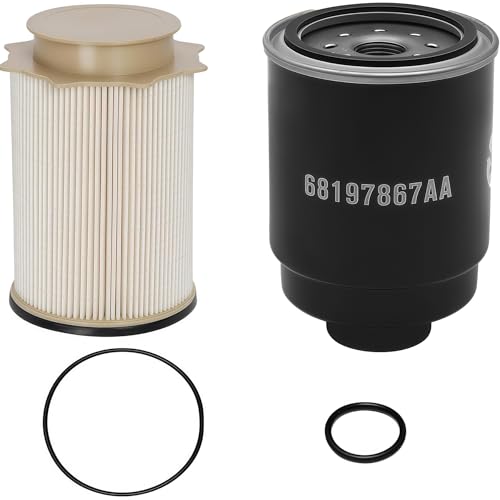
The 6.7-liter Cummins turbo diesel has undergone several fuel system revisions since its introduction in mid-2007. To find the water in fuel sensor 6.7 Cummins location, you must first identify your vehicle’s specific filtration configuration. On standard RAM platforms, the WIF sensor is not a standalone component floating in the fuel lines; rather, it is a precision instrument threaded directly into the base of the fuel filter housing assembly.
For owners of 2013 to 2024 RAM 2500 and 3500 models, the 6.7 Cummins utilizes a dual-filtration system. In this setup, the WIF sensor is primarily located on the rear chassis-mounted fuel filter. This filter is positioned on the left (driver’s) side of the vehicle, mounted to the frame rail just forward of the fuel tank. When you look at the bottom of the fuel-water separator canister, you will see a plastic sensor body with a two-wire electrical harness plugged into it. This is the primary line of defense against moisture.
In older 6.7 Cummins applications (pre-2013), the location is typically found in the engine bay. The fuel filter housing is mounted on the left side of the engine block, tucked behind the intake air horn and near the high-pressure fuel pump. In these configurations, the sensor is still located at the lowest point of the filter canister to ensure it detects water as it settles. Visual identification is simple: look for the yellow or black plastic drain valve; the WIF sensor is the electrical component sitting immediately adjacent to or integrated with that valve.
Visual and Component Characteristics
- Housing Material: The sensor is typically constructed from high-strength, fuel-resistant plastic designed to withstand road debris and vibration.
- Electrical Connection: Features a weather-pack style quick-disconnect harness that prevents moisture from entering the electrical pins.
- Mounting: It uses a threaded base with a specific O-ring seal to maintain fuel system vacuum and pressure.
When searching for the sensor on a 2019+ RAM, do not confuse the engine-mounted “nano-net” filter with the WIF separator. The chassis-mounted filter does the heavy lifting for water separation, making its location on the rear frame the accessible point for most sensor-related troubleshooting.
Step-by-Step Instructions to Access and Inspect Your WIF Sensor Nearby
Properly accessing the WIF sensor requires a blend of safety awareness and technical precision. Because the 6.7 Cummins fuel system operates under significant pressure (even when the engine is off, the lift pump can prime the system), you must follow a structured approach to avoid fuel spills or injury. If you are performing this inspection in a convenient home garage or a nearby workshop, ensure you have a catch pan ready to capture any diesel that escapes during the process.
📋
WIF Sensor Access Guide
Park on a level surface and engage the parking brake. For frame-mounted sensors, you can often reach the location by sliding under the driver’s side frame rail without needing a jack. If you have a wheel well splash guard in the way on older models, remove the plastic push-pins for better visibility.
Locate the wiring loom running along the frame. Squeeze the locking tab on the sensor’s electrical connector and pull gently. Never pull by the wires themselves; always grasp the plastic connector body to avoid internal wire breakage.
Use a rag to wipe away road grime from the sensor base. Check for “weeping” fuel around the threads. If the “Water in Fuel” light is on but the filter is empty, inspect the sensor body for cracks or the harness for corrosion caused by road salt.

If you find the sensor is physically damaged or the threads are stripped, high-quality replacements are available at most diesel specialty shops. In many cases, the “reach-and-feel” method is necessary for owners who lack a lift. By reaching behind the front axle on 2010-2012 models or along the mid-chassis on 2013+ models, you can locate the sensor by touch. Research indicates that improper torque on the WIF sensor is responsible for nearly 15% of air-in-fuel issues following a filter change, so ensure it is seated firmly but not over-tightened.
The Critical Role of the WIF Sensor in Cummins Fuel System Longevity
The WIF sensor is much more than a simple warning light; it is a sophisticated guardian of your engine’s most expensive components. To understand its importance, one must look at the technical detection mechanism. Diesel fuel is a poor conductor of electricity, whereas water—especially water contaminated with minerals or road salt—is highly conductive. The sensor utilizes two metal probes or a float-style mechanism to monitor the electrical resistance at the bottom of the filter. When water accumulates and bridges these contacts, the resistance drops, and the sensor sends an immediate signal to the Engine Control Unit (ECU).
This communication is vital for the protection of the High-Pressure Common Rail (HPCR) system. Modern 6.7 Cummins engines utilize the Bosch CP4.2 or CP3 high-pressure pump, which relies on the lubricity of diesel fuel to keep its internal metal components from grinding against each other. Water has zero lubricity. If moisture reaches the pump, it causes internal metal-on-metal contact, leading to “shrapnel” being sent through the fuel lines and into the injectors. This process, often accelerated by expert tips regarding fuel quality, can destroy an entire fuel system in minutes.
By The Numbers
Fuel System Failures Due to Water
Max Cost of Full System Replacement
Recommended Mile Service Interval
Beyond immediate pump failure, the WIF sensor prevents long-term corrosion. Water in the fuel leads to internal pitting of the metal surfaces within the injectors. Even microscopic amounts of rust can disrupt the spray pattern of an injector, leading to poor combustion, increased EGTs, and eventually, a melted piston. Industry data suggests that water contamination accounts for an estimated 60% of all diesel fuel system failures in the heavy-duty pickup community. By identifying the sensor’s location and maintaining it, you are effectively buying insurance for your engine’s longevity.
Troubleshooting Common WIF Sensor Faults and False Dash Lights
When the “Water in Fuel” light illuminates on your RAM’s dashboard, the initial reaction should always be to stop and drain the separator. However, many owners find that the light persists even after the fuel runs clear. This scenario requires a deeper dive into diagnostic procedures to determine if you are dealing with actual contamination or a component failure. Many trucks serving local industrial or construction sites experience these “false positives” due to the harsh environments they operate in.
Diagnosing the “Ghost” Warning Light
If you have drained the filter and the light remains, follow these diagnostic steps:
- Check for P-Codes: Use an OBD-II scanner to look for codes like P2269 (Water in Fuel Condition) or P06A3 (Sensor Reference Voltage). A circuit code often points to a wiring issue rather than actual water.
- Inspect the Harness: The wiring that leads to the WIF sensor is exposed to the elements. Inspect the frame rail area for frayed wires or spots where the harness has rubbed against the metal, causing a short to ground.
- Verify Sensor Resistance: Using a multimeter, you can check the resistance across the sensor pins. A faulty internal float can get “stuck” in the upward (conducting) position, triggering a permanent alarm.
Some owners attempt to bypass a faulty sensor by using a “dummy plug” or resistor to trick the ECU. This is a catastrophic mistake. Bypassing the sensor removes your only early warning system. According to Ram specs, the cost to replace a complete 6.7 Cummins fuel injection system due to water damage can range from $4,000 to $8,000.
Intermittent lights are often caused by high-humidity storage conditions or the use of sub-par fuel additives that emulsify water rather than allowing it to separate. If the light flickers during heavy rain, it is likely a trusted local wiring issue where moisture is entering the connector plug. Cleaning the connector with electrical contact cleaner and applying a small amount of dielectric grease can often resolve these nuisance alarms.
Maintenance Schedule: Draining the Water Separator and Sensor Replacement
Maintaining the WIF sensor and the fuel filtration system is not a “once-a-year” task. For the 6.7 Cummins to remain reliable, a proactive schedule is required. Diesel fuel naturally holds up to 0.05% of dissolved water; however, atmospheric condensation in your fuel tank and variations in station pump quality can quickly push these levels higher. The water separator is designed to “drop” this excess water out of suspension, but it has a finite capacity.
Monthly Purge
Open the yellow drain valve for 3-5 seconds every month. This removes accumulated debris and small amounts of water before they trigger the dash light.
15,000 Mile Service
Replace both fuel filters and the WIF sensor O-ring. Always use an official guide to ensure you are using OEM-spec filtration media.
For owners who have upgraded to aftermarket systems like FASS or AirDog, the water in fuel sensor 6.7 Cummins location may change. These high-performance systems often come with their own dedicated water separators and may require you to relocate the factory WIF sensor or use a supplied adapter. If you operate in extremely cold climates, condensation is more prevalent; during these months, draining the separator weekly is a best practice to prevent water from freezing inside the housing and cracking the plastic sensor body.
When it comes time for replacement, do not settle for cheap, unbranded sensors. The ECU is calibrated for the specific resistance values of the Mopar/Cummins OEM sensor. Aftermarket “budget” sensors frequently fail to communicate correctly, leading to either constant false alarms or, more dangerously, a failure to report actual water presence. Always clean the sensor probes with electrical contact cleaner during every filter change to ensure maximum sensitivity. If you ever find heavy brown sludge or significant amounts of water during a drain, visit a nearby diesel specialist for a full fuel system flush and tank inspection.
Summary and Final Recommendations
Understanding the water in fuel sensor 6.7 Cummins location is an essential skill for any RAM owner. By knowing that the sensor is integrated into the fuel filter housing—primarily on the driver’s side frame rail in modern trucks—you can perform the routine checks that prevent $8,000 fuel system overhauls. Remember that the WIF sensor is your engine’s first and most important line of defense against the 60% of fuel system failures caused by water contamination. Ensure your harness is securely connected, free of corrosion, and that you are using high-quality OEM components during every 15,000-mile service. If your ‘Water in Fuel’ light persists after draining the separator, contact a nearby diesel specialist to inspect your fuel quality and sensor integrity immediately. Proper maintenance today is the only way to ensure your Cummins continues to deliver its legendary performance for hundreds of thousands of miles.
Frequently Asked Questions
How do I drain the water from the fuel filter on my 6.7 Cummins?
To drain the water, locate the yellow drain valve on the bottom of the fuel filter housing. Place a container underneath, turn the valve counter-clockwise, and allow the fluid to drain until pure diesel appears. Close the valve tightly and prime the fuel system by cycling the ignition several times before starting the engine.
What are the symptoms of a bad WIF sensor?
A failing sensor typically triggers a persistent ‘Water in Fuel’ light on the dashboard even after the separator has been drained. Other symptoms include erratic sensor readings, visible cracks in the plastic sensor body, or corrosion on the electrical pins. In some cases, a shorted sensor can cause the ECU to throw a ‘Check Engine’ light.
How often should I replace the fuel filter and drain the water separator?
Industry standards for the 6.7 Cummins suggest replacing both fuel filters every 15,000 miles or 12 months, whichever comes first. However, you should manually drain the water separator every month or after every few fill-ups at high-volume stations to ensure no moisture has accumulated in the housing.
Can I bypass the WIF sensor?
While it is technically possible to use a bypass plug, it is highly discouraged by diesel experts. Bypassing the sensor removes your only line of defense against water entering the high-pressure pump and injectors. The cost of a new sensor is negligible compared to the thousands of dollars required for a full fuel system replacement.
What kind of damage can water in fuel cause to my 6.7 Cummins engine?
Water is non-compressible and lacks lubricity. When it reaches the fuel injectors under extreme pressure, it causes ‘tip blowing’ or internal galling. It also promotes the growth of microbial ‘algae’ and causes rust within the steel fuel lines, eventually leading to a complete engine stall and the need for a total fuel system flush and component replacement.

![P2459 Code 6.7 Cummins: Complete Repair Guide [2026]](https://truckguider.com/wp-content/uploads/2026/03/p2459-code-6-7-cummins-featured.webp)