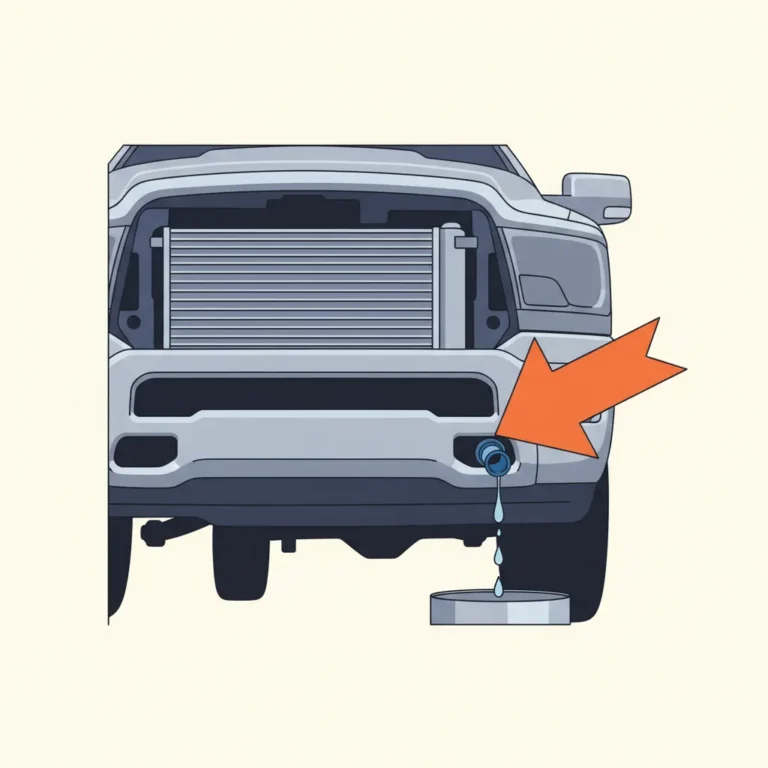
2001 Dodge Ram 1500 Fuel Filter Location And Replacement Guide

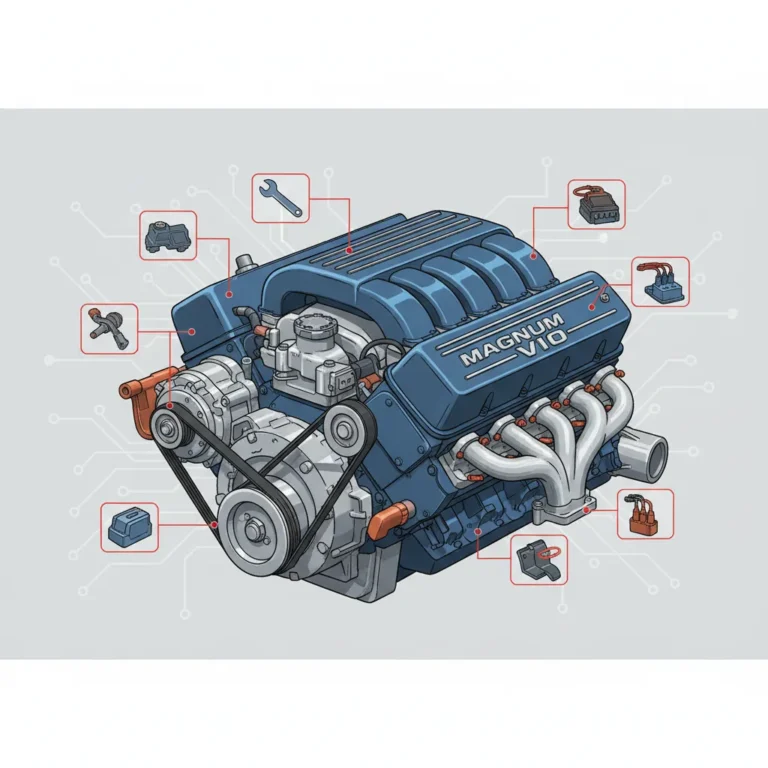
For owners of the legendary 2001 Dodge Ram 1500, maintaining the fuel system is the key to preserving the raw power of the Magnum engine series. Whether you are running the workhorse 3.9L V6, the classic 5.2L, or the high-torque 5.9L V8, fuel delivery is the lifeblood of your truck’s performance. Over time, sediment from gas station tanks accumulates in your fuel filter, leading to sluggish acceleration and potential fuel pump failure if the 2001 Dodge Ram 1500 fuel filter location remains a mystery to you. This guide will provide the precise location of your filter on the frame rail, a list of specialized tools required, and a professional walkthrough for a safe replacement.

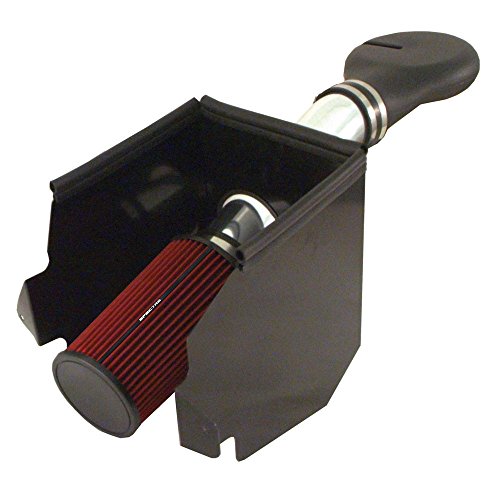


Pinpointing the 2001 Dodge Ram 1500 Fuel Filter Location
Finding the fuel filter on this specific vintage of Dodge truck is a relief for many mechanics. While many modern manufacturers transitioned to “lifetime” filters integrated into the fuel pump assembly inside the gas tank, the 2001 Ram 1500 utilizes a convenient inline design. This means you do not have to drop the fuel tank to perform routine maintenance, saving you hours of labor and potential frustration.
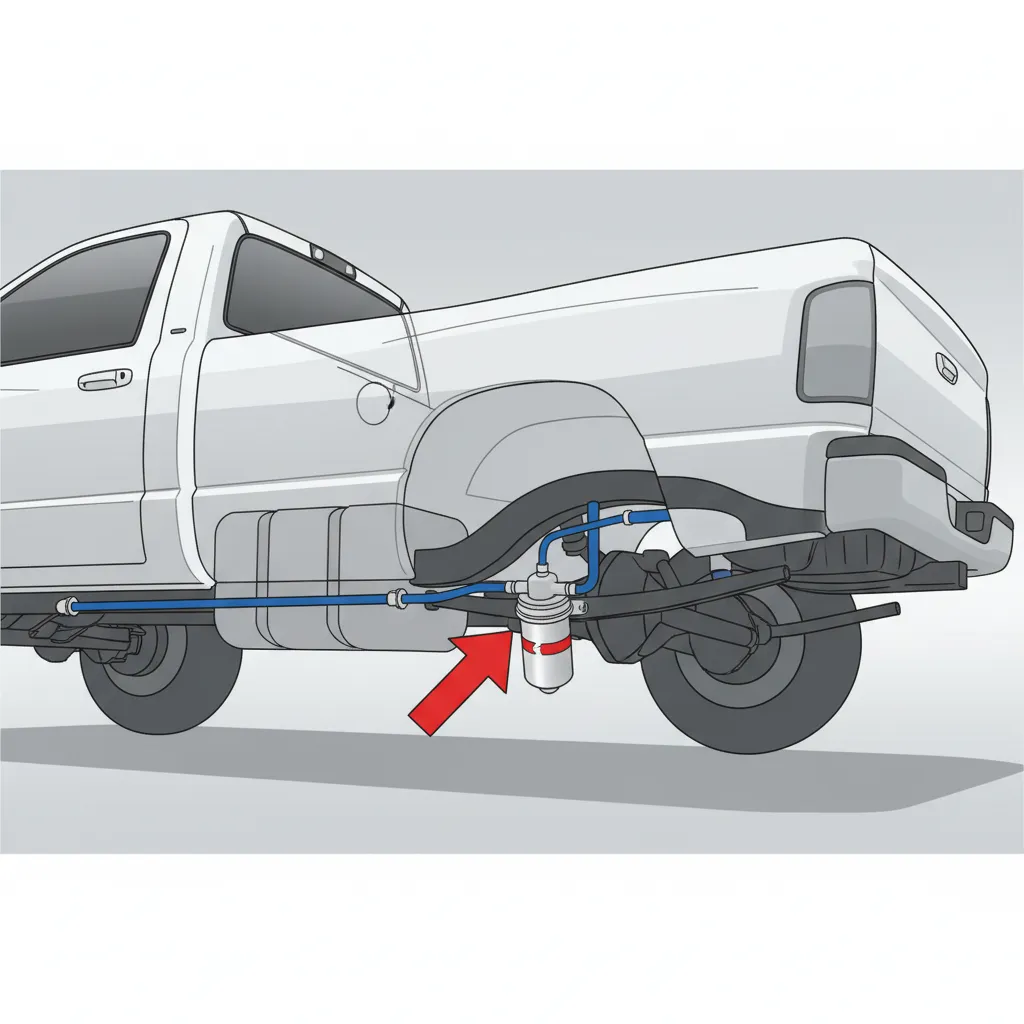
To locate the unit, slide under the vehicle on the driver’s side. The filter is located along the frame rail, nestled securely between the fuel tank and the engine bay. Specifically, look directly beneath the area where the driver’s seat is positioned. You are looking for a cylindrical, metallic canister—typically silver or black—that is approximately 4 to 6 inches in length. It sits integrated into the fuel lines, roughly 18 to 24 inches forward of the fuel tank itself.
Don’t confuse the fuel filter with the EVAP canister or various brake line junctions. The fuel filter will always have high-pressure rubber or nylon lines entering and exiting it with specialized quick-connect fittings. If you find yourself searching near the fuel tank and coming up empty, simply trace the fuel line forward toward the engine; you will inevitably run into the filter bracket.
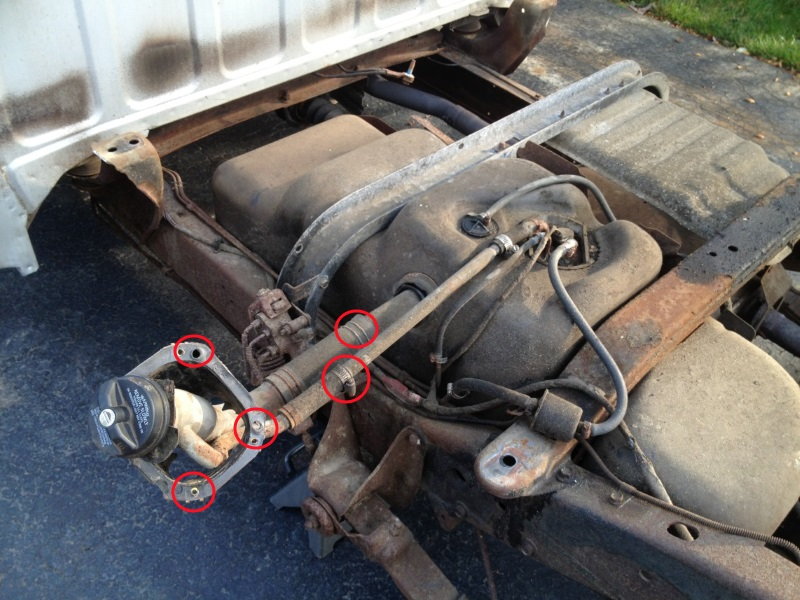
Before you begin removal, check the surrounding mounting bracket. Because of its nearby proximity to the road surface, this area often accumulates mud, road salt, and debris. Ensuring the mounting hardware and the bracket itself are not overly corroded is essential for a smooth replacement. In many cases, a trusted local mechanic would suggest spraying the bracket bolt with penetrating oil a few hours before starting the job to prevent snapping the hardware.
Essential Tools and Materials for Fuel Line Service
Performing this task requires more than just a standard wrench set. Because Dodge utilized a quick-connect system for the fuel lines, a specialized fuel line disconnect tool is mandatory. These tools, usually available in 5/16″ or 3/8″ sizes, are designed to slide into the fitting and release the internal spring-lock clips that hold the line to the filter’s nipple.
You will also need standard protective equipment. Gasoline is a caustic solvent and a significant fire hazard. Always wear ANSI-rated safety glasses and nitrile gloves. A low-profile drain pan is another necessity to catch the residual gasoline that will inevitably spill from the filter and lines once disconnected. Even with the system de-pressurized, the filter holds a surprising amount of fuel that can create a mess on your driveway or shop floor.
Required Tools
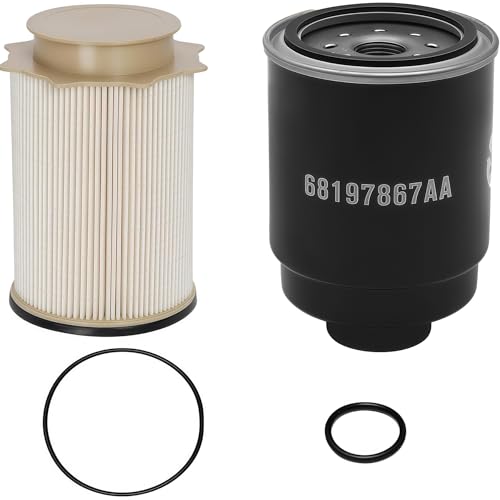
Fuel line disconnect set, 10mm/13mm socket, drain pan, and safety goggles.
Replacement Parts
Ensure you have the correct Ram specs for your specific engine size (3.9L, 5.2L, or 5.9L).


By The Numbers
Average Part Cost
Minutes for Install
Mile Interval
Critical Safety: Relieving Fuel System Pressure
One of the most dangerous mistakes a novice can make is disconnecting a fuel line while the system is under pressure. The 2001 Dodge Ram 1500 fuel system maintains a resting pressure between 45 and 55 PSI. If you crack a fitting without relieving this pressure, gasoline will spray out with significant force. This can lead to chemical burns in the eyes or, in the worst-case scenario, a fire if the spray hits a hot work light or an ignition source.
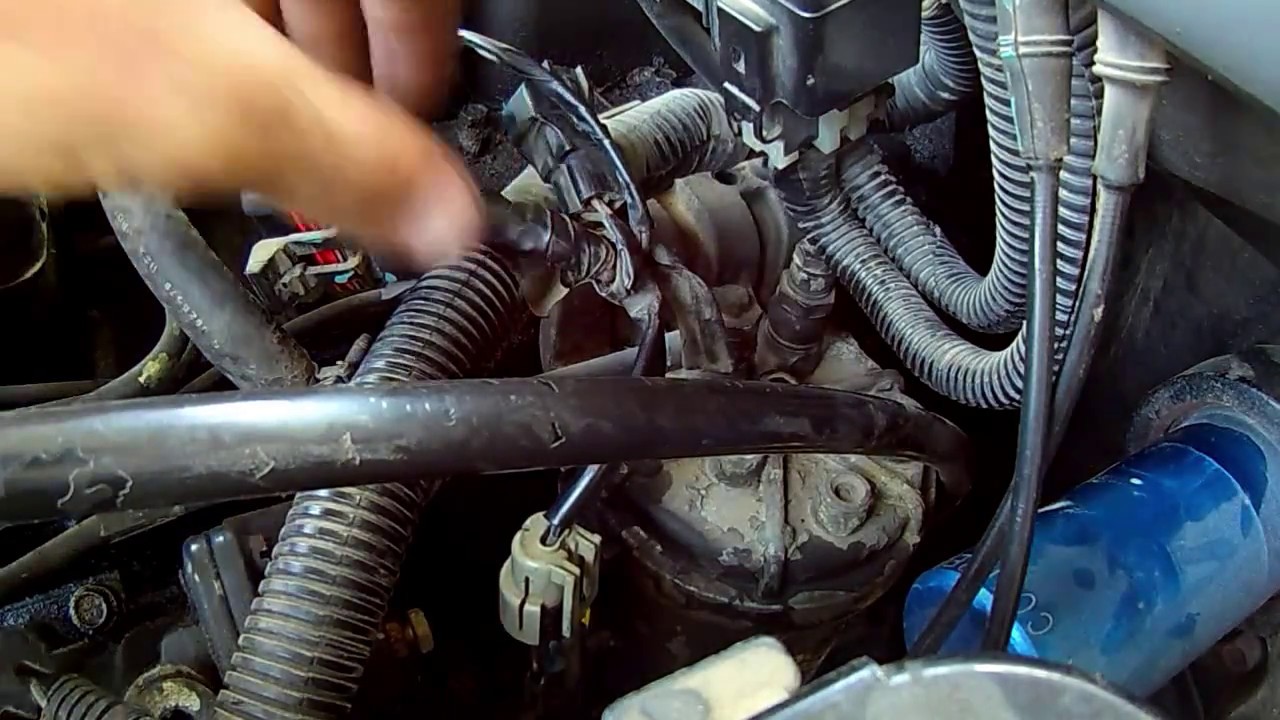
To safely de-pressurize the system, locate the Power Distribution Center (PDC) under the hood. Consult the diagram on the underside of the PDC cover to find the fuel pump relay. With the engine running, pull this relay. The engine will stumble and eventually stall as it consumes the remaining fuel in the lines. After the stall, crank the engine for another 5-10 seconds to ensure the pressure has dropped to zero.
I have seen cases where a technician skipped the pressure relief step, and the resulting spray hit a 500-watt halogen work light nearby. The glass shattered, and the gasoline ignited instantly. Always work in a well-ventilated area and keep a fire extinguisher within arm’s reach. Following the official guide for safety is non-negotiable.
If your truck will not start (pre-existing fuel issue), you can use the Schrader valve located on the fuel rail of the intake manifold. This looks like a tire valve stem. By placing a rag over the valve and depressing the center pin with a small screwdriver, you can bleed off the pressure into the rag. Be extremely careful with this method, as it is more prone to splashing than the relay-pull method.
📋
Step-by-Step Replacement Guide
Insert the fuel line disconnect tool into the coupling on the filter. Push the tool firmly into the fitting to spread the internal retention springs, then gently pull the fuel line away from the filter nipple.
Use your socket set to remove the bolt holding the mounting bracket to the frame rail. Carefully slide the old filter out of its seat, keeping it as level as possible to prevent excess fuel from spilling into your face.


Examine the new filter for a “Flow” arrow. This arrow must point toward the engine (the front of the truck). Installing the filter backward can lead to severe fuel starvation and engine damage.
Snap the fuel lines onto the new filter until you hear an audible ‘click’. Perform a ‘tug test’ to confirm they are locked. Reinstall the relay, then cycle the ignition key to ‘On’ (but don’t start) three times to prime the system.
Troubleshooting and Maintenance Intervals
Regular maintenance of your fuel system is one of the most cost-effective ways to extend the life of your expensive fuel pump. The industry standard recommendation for a 2001 Dodge Ram 1500 is to replace the fuel filter every 30,000 miles or 2 years. However, if you frequently drive in dusty environments or use lower-quality fuel, you may want to shorten that interval. You can find more community discussions on how different driving habits affect filter life.
Identifying a clogged filter early can save you from a breakdown. Common symptoms include engine hesitation or “stumbling” under heavy load, such as when towing a trailer or climbing a steep grade. If your fuel economy has taken a sudden dip or the truck has become difficult to start on cold mornings, the filter is a trusted local starting point for your diagnosis. In a real-world scenario, I once helped a driver who reported a massive loss of power while towing; it turned out they were running a filter that had been on the truck for over 50,000 miles.
✅ Why Replace?
- Protects fuel injectors from debris
- Reduces strain on the fuel pump
- Maintains optimal engine horsepower
- Improves cold-start reliability
❌ Signs of Failure
- Sputtering at high speeds
- Engine misfires under load
- Check Engine Light (lean codes)
- Loud whining from the fuel tank
Finally, always consider the environment. Gasoline is a hazardous material. Once you have removed the old filter, drain any remaining fuel into your pan and dispose of the metal canister at a community hazardous waste facility. Most auto parts stores that sell filters will also accept the old ones for proper recycling. After your first drive, crawl back under the truck to inspect the fittings for any weeping or leaks to ensure the O-rings are seated correctly.
The 2001 Dodge Ram 1500 fuel filter is located on the driver’s side frame rail under the cab, providing an accessible maintenance point for any truck owner. A fuel line disconnect tool and pressure relief are mandatory for a safe DIY repair to avoid fire hazards and fuel spray. Replacing the filter every 30,000 miles protects your fuel pump and improves engine performance. Check your maintenance logs today; if you are past the 30,000-mile mark, source a high-quality filter from a nearby retailer and follow our steps to restore your truck’s efficiency.
Frequently Asked Questions
Can I change the fuel filter without the disconnect tool?
While some claim to use small screwdrivers, it is highly discouraged. The 2001 Dodge Ram 1500 uses specific quick-connect fittings that require a fuel line disconnect tool to release the internal spring clips without damage. Using the wrong tool can ruin the fuel line connectors, leading to expensive repairs or dangerous leaks.


How do I know if my fuel filter is clogged?
Common symptoms include engine sputtering at high speeds, a noticeable drop in fuel pressure, and the engine stalling when you accelerate quickly. If your truck has over 30,000 miles since the last service, a clogged filter is a likely culprit for poor engine performance or a ‘lean’ fuel code.
Is the fuel filter inside the gas tank on a 2001 Ram 1500?
No, the 2001 model year still features an external inline fuel filter. It is mounted on the frame rail on the driver’s side. However, there is also a ‘strainer’ on the fuel pump inside the tank. For routine maintenance, the external inline filter is the component that requires periodic replacement.
How much does it cost to have a professional replace the filter?
If you prefer not to do it yourself, a local shop serving your community will typically charge between $70 and $120 for parts and labor. Given that the filter itself is only $10 to $30, performing the task yourself can save significant money and provide better insight into your vehicle’s condition.
How do I relieve fuel pressure safely?
The most professional method is to remove the fuel pump relay from the fuse box under the hood, then start the engine and let it run until it stalls. This depletes the pressure in the lines. Always wear safety glasses, as a small amount of residual pressure may still exist when disconnecting the lines.
![2017 Ram 2500 Transmission Specifications, Maintenance, [2026]](https://truckguider.com/wp-content/uploads/2026/03/featured-9b105d51-768x768.webp)
![2015 Ram Headlight Bulb Size Guide: Specs & Fitment Guide [2026]](https://truckguider.com/wp-content/uploads/2026/03/2015-ram-headlight-bulb-featured.webp)