2003 Dodge Ram Blend Door Actuator Location And Replacement Guide

If your 2003 Dodge Ram is blowing ice-cold air in the middle of a winter commute or sweltering heat during the summer, the culprit is likely a small but critical component hidden behind your dashboard. The blend door actuator is a notorious failure point for the third-generation Ram, often leaving owners frustrated by clicking noises and a complete lack of climate control. This guide will identify the exact location of the blend door actuators in your 2003 Dodge Ram, explain the symptoms of failure, and provide a technical roadmap for both DIY replacement and professional repair options.



Understanding the 2003 Dodge Ram Blend Door Actuator System
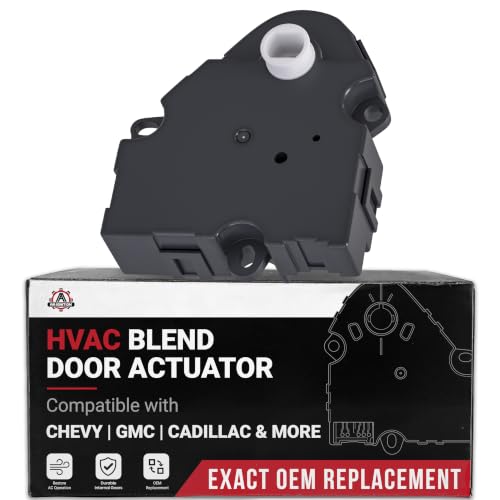
To effectively troubleshoot your Ram’s HVAC system, you must first understand the architecture of the plenum box. The blend door actuator is essentially a small electric motor equipped with a series of plastic gears. Its primary job is to modulate the position of the internal doors that dictate how much air passes through the heater core versus the A/C evaporator. By varying this “blend,” the system maintains your desired cabin temperature.
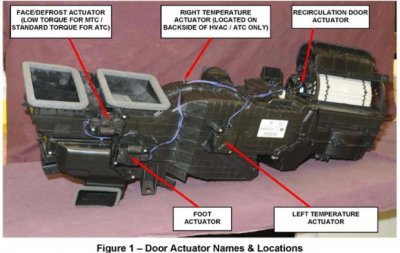
In the 2003 Dodge Ram 1500, 2500, and 3500 series, there is a distinct difference between the temperature blend door actuator and the mode door actuator. The temperature actuator handles the “hot vs. cold” mix, while the mode actuator controls whether air exits through the defrost, floor, or dash vents. Owners of higher-trim models, such as the Laramie, may even encounter dual-zone systems where two separate temperature actuators work independently to allow the driver and passenger to set different climates. Research indicates that HVAC failures, specifically blend door issues, are among the top five most reported electrical/mechanical complaints for this generation of Ram trucks.
The 2003 model year is particularly susceptible to these failures due to the specific grade of plastic used in the actuator gears and the blend door stops. Over years of repeated thermal expansion—switching from freezing winter temperatures to high summer heat—the plastic becomes brittle. When the HVAC module attempts to “home” the actuator (finding its limit of travel), the motor can exert enough force to snap the internal teeth or, worse, break the shaft of the blend door itself. This is why a simple motor replacement sometimes doesn’t fix the issue if the actual door inside the box is snapped. Using an official guide for diagnosis is vital to avoid unnecessary parts spending.
If you have a dual-zone system and notice the passenger side is stuck on hot while the driver side is cold, you are dealing with a secondary actuator failure. Many owners mistakenly replace the primary actuator near the floor when the passenger-side-specific unit is actually the problem.
Pinpointing the 2003 Dodge Ram Blend Door Actuator Location
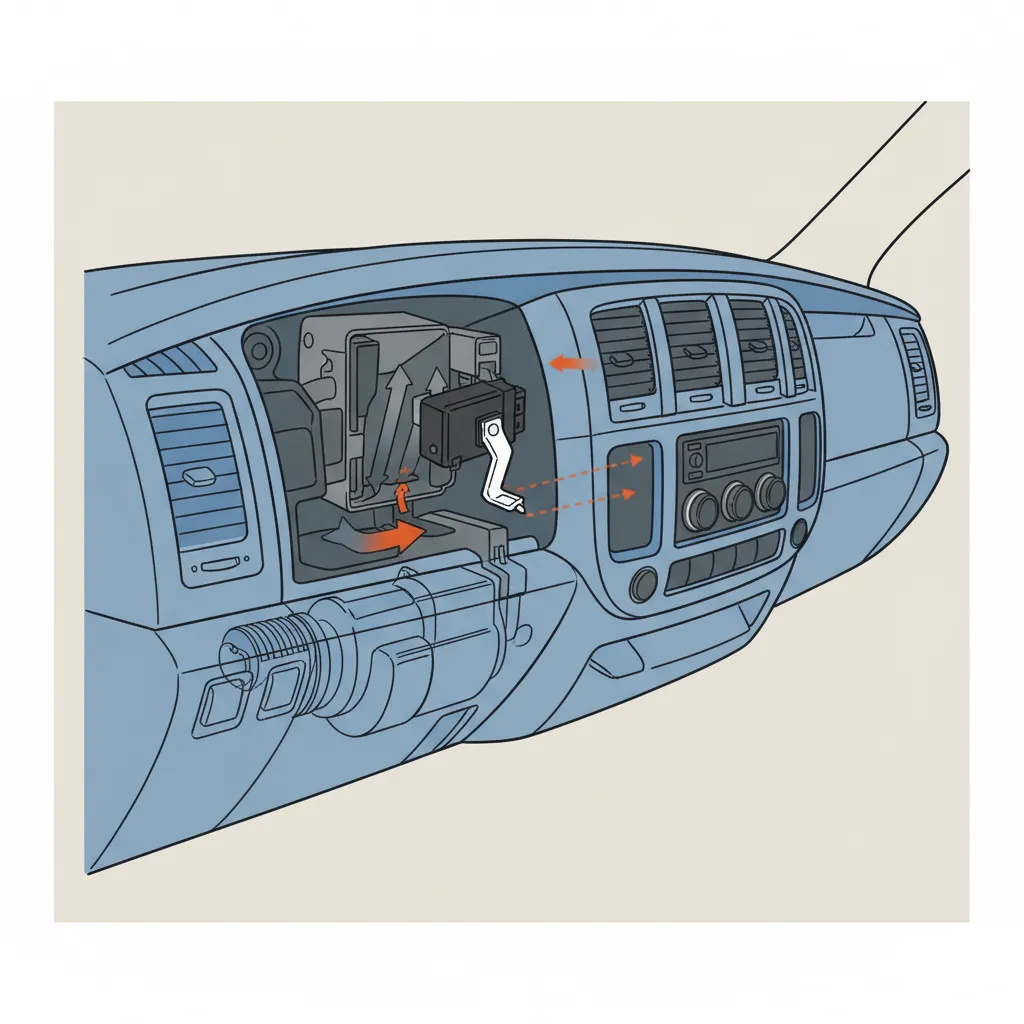
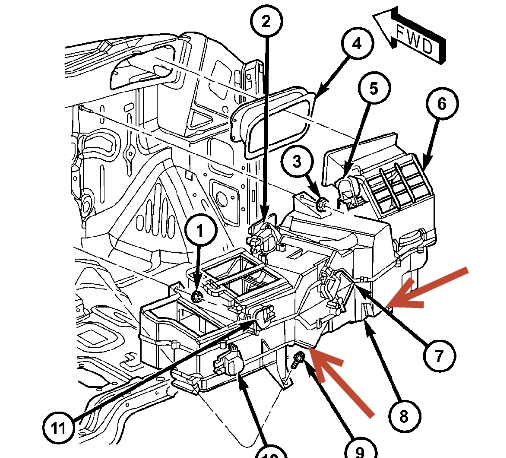
Locating the actuators in a 2003 Ram requires a bit of contortionism. The HVAC box is a massive unit housed directly behind the center of your dashboard. Depending on which function has failed, you will be looking in three primary accessible areas:
1. Primary Temperature Actuator
This is the most common failure point. It is located on the very bottom of the HVAC unit, near the transmission hump. To see it, you must remove the plastic floor ducting (the piece that directs air to your feet). Once that duct is pulled away, you will see a small black box held in by two or three 8mm (or sometimes 5.5mm) screws. Approximately 70% of temperature-related climate issues in 2003 Rams are traced back to this specific location.
2. Mode Door Actuator
If your air is stuck coming out of the defrost vents only, your mode door actuator has likely failed. This unit is positioned higher up on the driver’s side of the HVAC box. Accessing it usually requires removing the lower steering column cover and the knee bolster. It is convenient to use a headlamp here, as it is tucked behind the main dash support structure.
3. Recirculation Door Actuator
Located behind the glove box, this actuator controls the door that allows fresh outside air or recirculated cabin air into the system. It is situated near the top of the blower motor assembly. If you find your windows fogging up constantly, this is the unit to inspect.


By The Numbers
Avg. Professional Replacement Cost
Typical Failure Mileage Range
Issues located at Bottom-Center stack
Identifying Symptoms of a Failing Blend Door Actuator
Before you begin tearing into your dash, it is essential to confirm the actuator is indeed the problem. 2003 Rams are aging vehicles, and other issues like a clogged heater core or a low refrigerant charge in the A/C system can mimic actuator failure.
- Rhythmic Clicking: The most famous symptom. If you hear a “tap-tap-tap” sound from the center of the dash when you turn the key, it is the actuator’s internal gears skipping.
- The ‘Calibration Hunt’: This occurs when the HVAC module tries to find the door’s position, fails due to a broken tooth, and repeats the cycle indefinitely.
- Lukewarm Air: If your heater core hoses are hot to the touch but the air in the cabin is lukewarm, the blend door is likely stuck in a middle position.
- Delayed Response: A failing motor will often move slowly or bind, taking several minutes to switch from cold to hot air.
For a more advanced diagnosis, use a high-end OBD-II scanner capable of reading Body Control Module (BCM) or HVAC codes. While a basic scanner won’t show these, a professional-grade tool can pinpoint the specific actuator that is drawing too much current or failing to report its position. This is the trusted local method used by technicians to avoid “parts-cannon” diagnostics. You can also research Ram specs to see if your specific VIN has any relevant HVAC technical service bulletins.
Before installing a new actuator, manually turn the blend door pivot with your fingers. If it spins freely 360 degrees, the door shaft itself is broken. Installing a new actuator will not fix this; you will likely need a full blend door replacement kit, which involves a much more intensive “dash-pull” procedure.
📋
Step-by-Step Replacement Guide
Disconnect the negative battery cable. This is crucial for resetting the HVAC module’s memory and preventing electrical shorts while unplugging the actuator harness.
Remove the center bezel (the trim surrounding the radio) and the lower passenger-side dash panels. Use a trim tool to avoid cracking the 20-year-old plastic. Remove the floor ducting by pulling the plastic push-pins.


Unplug the electrical connector. Use a 1/4 inch drive ratchet with an 8mm socket to remove the mounting screws. Use a telescopic mirror to find the rear screw, which is often hidden from view.
Align the “D-shaped” shaft of the new actuator with the door pivot. Tighten screws, reconnect the battery, and turn the key to “ON.” The system will automatically run a calibration sequence to learn the door’s limits.
Professional Support and Parts Availability Nearby
While many owners successfully complete this repair themselves, there are times when seeking a professional nearby is the wiser choice. If you have inspected the actuator and found that the internal blend door is broken, the repair becomes significantly more complex. Replacing the internal doors requires recovering the A/C refrigerant and removing the entire dashboard—a task that can take an experienced DIYer a full weekend but can be handled efficiently by a shop serving the local community.
When sourcing parts, you have two main options: OEM Mopar or aftermarket brands like Dorman. While aftermarket parts are readily available at most auto parts stores and are often more convenient for same-day pickup, some technicians recommend sticking with OEM for the 2003 model year. OEM actuators tend to have better-calibrated motor resistance, which prevents the HVAC module from throwing “out of range” codes. Check your local dealership or visit Dodge online to verify current part numbers for your specific truck configuration.
✅ DIY Pros
- Saves $200+ in labor costs
- Can be done with basic hand tools
- No need to drop the truck off at a shop
- Great learning experience for Ram owners
❌ DIY Cons
- Fragile 2003 plastics break easily
- Extremely cramped workspace
- Risk of incorrect calibration
- Hard to diagnose a broken internal door
Finally, if your 2003 Ram has over 150,000 miles, consider replacing both the temperature and mode door actuators simultaneously. Since you already have the dash panels removed, spend the extra $50 on a second actuator. These components have similar lifespans, and nothing is more frustrating than fixing the temperature control only to have the mode door fail two weeks later. This proactive approach is a hallmark of expert tips followed by seasoned Mopar enthusiasts.
Conclusion
The temperature blend door actuator in a 2003 Dodge Ram is a small component with a massive impact on your driving comfort. By knowing its primary location at the bottom of the HVAC stack and recognizing the tell-tale clicking noises of failure, you can address the problem before the seasons change. Whether you choose to tackle this as a DIY project or seek professional assistance, ensure you verify the integrity of the internal blend doors and perform the necessary recalibration sequence. If you are uncomfortable navigating the complex wiring and fragile plastics of an aging dashboard, contact a specialized technician nearby to ensure your 2003 Dodge Ram’s climate control is restored correctly.
Frequently Asked Questions
Can I drive my 2003 Dodge Ram with a broken blend door actuator?
Yes, you can safely drive the vehicle. However, you will lose the ability to regulate air temperature or direction. In winter, this can become a safety issue if you cannot redirect air to the defrost vents to clear your windshield. It is recommended to fix the issue before extreme weather arrives.


How many blend door actuators does a 2003 Dodge Ram have?
A standard 2003 Dodge Ram typically has three actuators: one for temperature (blend door), one for mode selection (airflow direction), and one for fresh air/recirculation. If you have the dual-zone climate control system found in higher trims, you will have an additional actuator to control the passenger side temperature independently.
Do I need to pull the entire dashboard to reach the actuator?
For the primary temperature blend door actuator, you do not need to pull the entire dash; it is accessible by removing the lower center trim and floor ducting. However, if the mode door or the actual doors inside the HVAC box are broken, a full dashboard removal is usually required.
Why is my new actuator clicking after installation?
Clicking after installation usually means the actuator was not properly calibrated or the internal blend door is obstructed. The HVAC module must ‘learn’ the stop points of the new motor. If the door itself is broken or jammed, the new actuator will strip its gears trying to move it, resulting in a clicking sound.
What tools are required for a DIY actuator replacement?
You will generally need a 1/4-inch drive ratchet, a 5.5mm or 8mm socket (depending on the specific bolt head used), a Phillips head screwdriver, and plastic trim removal tools. A small mirror and a flashlight are also highly recommended due to the cramped and dark workspace under the dashboard.

![2014 Dodge Ram Rear Bumper: Fitment Guide & Best Prices [2026]](https://truckguider.com/wp-content/uploads/2026/03/2014-dodge-ram-rear-bumper-featured.webp)

![2013 Ram 1500 Oil Type [2026]](https://truckguider.com/wp-content/uploads/2026/03/featured-21030e95-768x768.webp)